1. What is a PVC Injection Molding Machine?
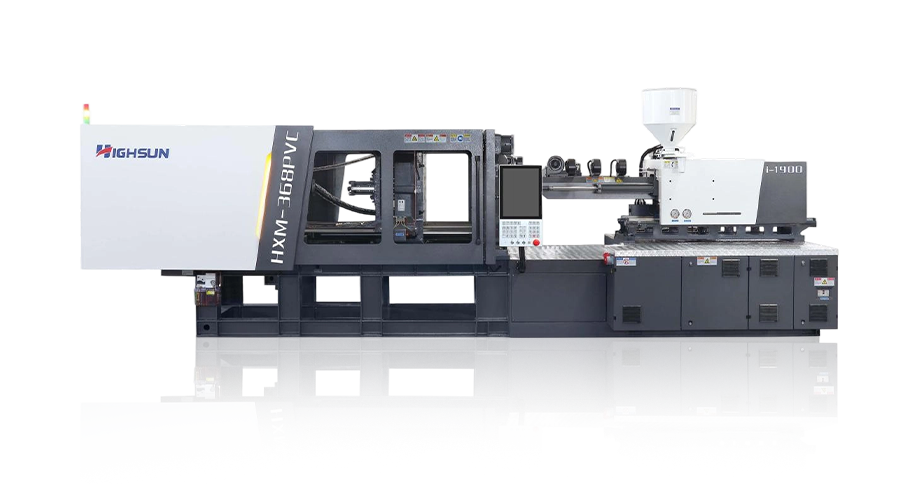
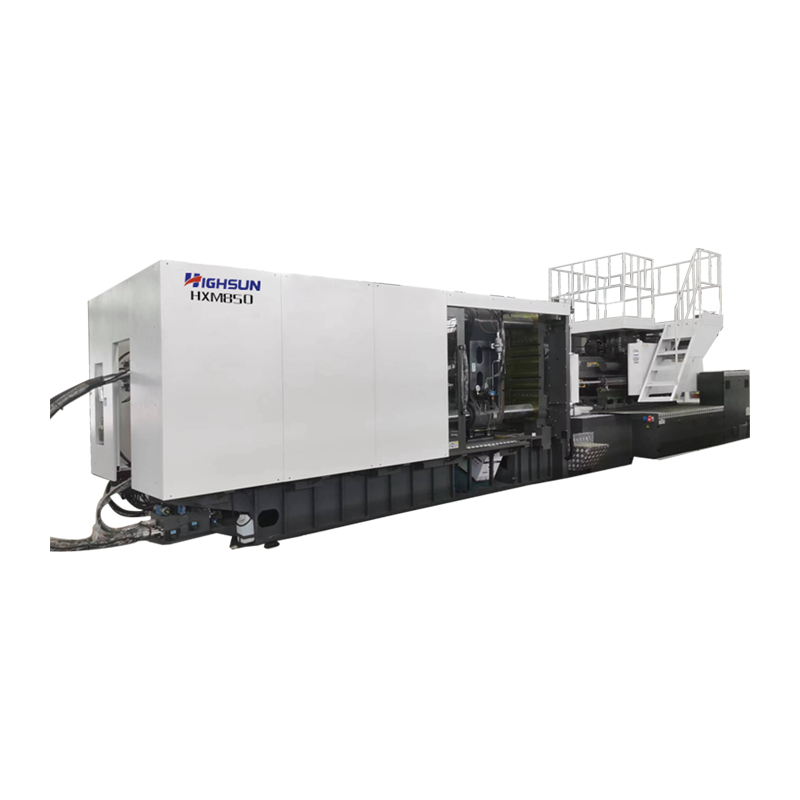
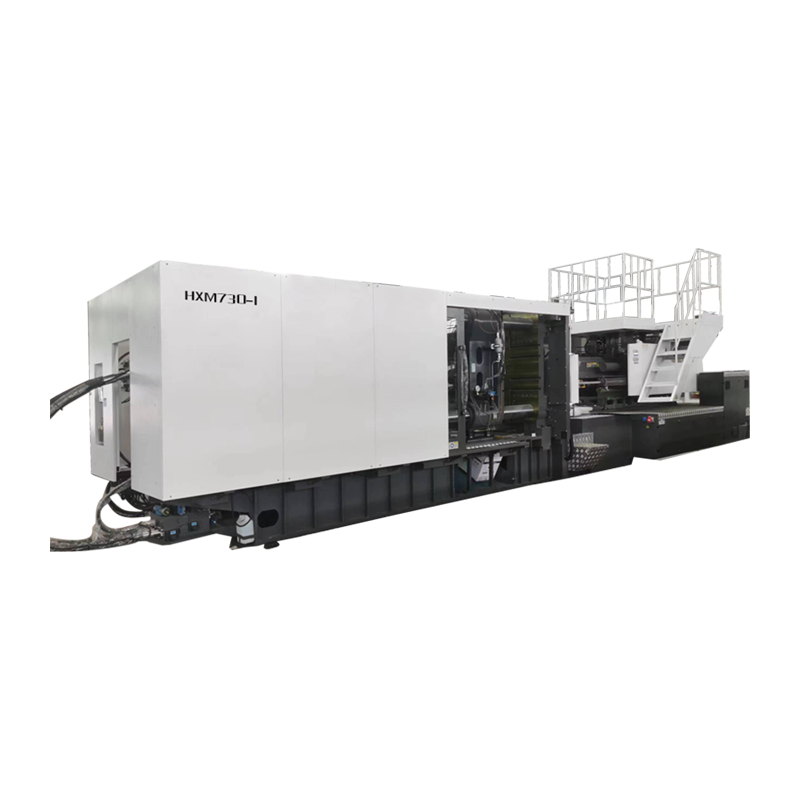
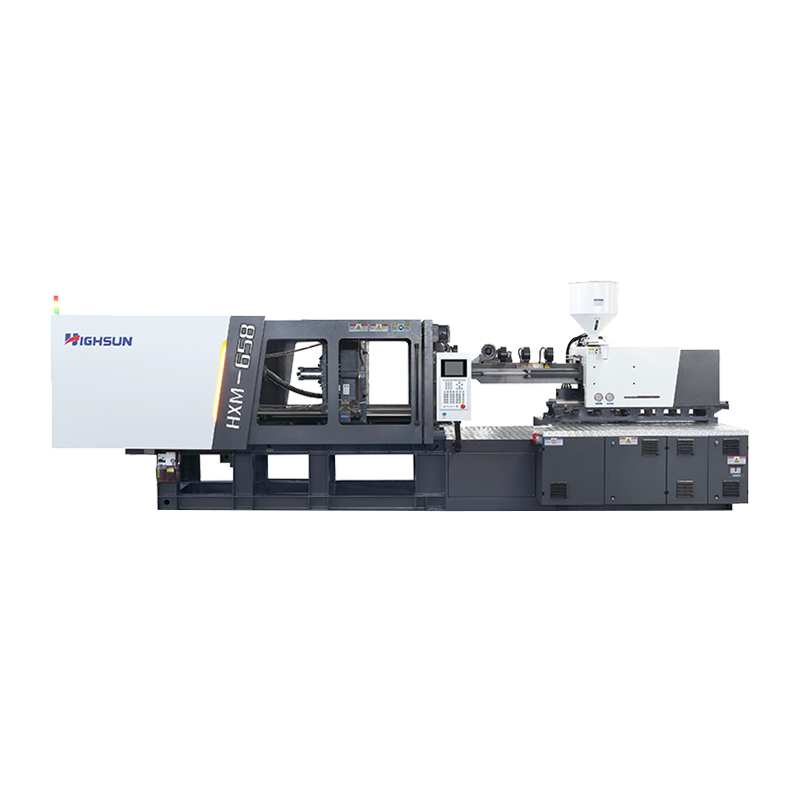
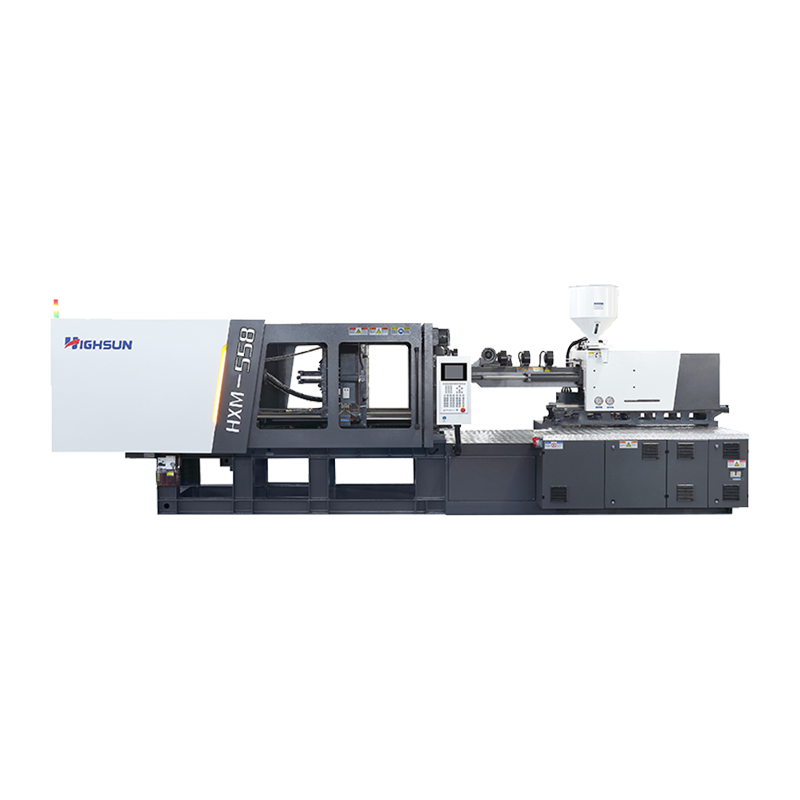
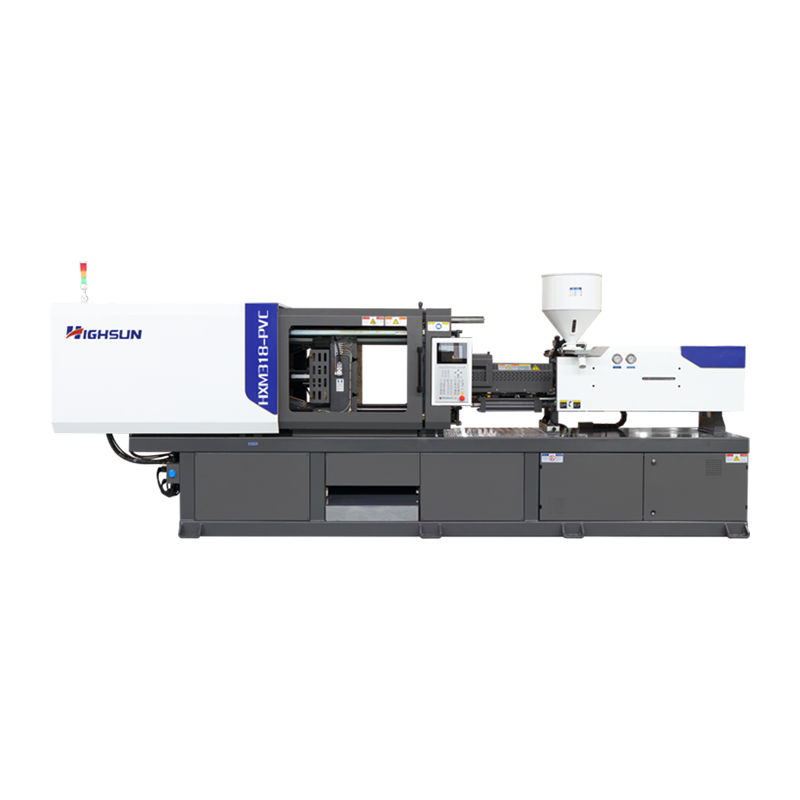
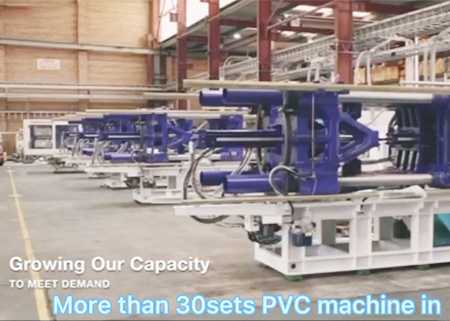
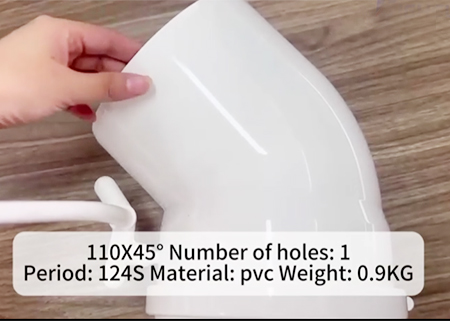
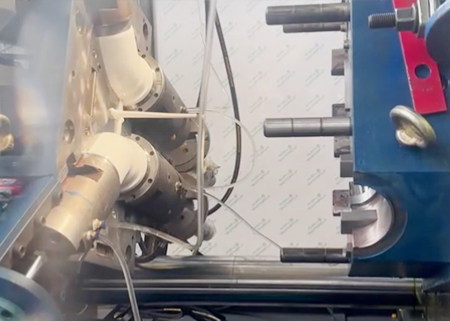
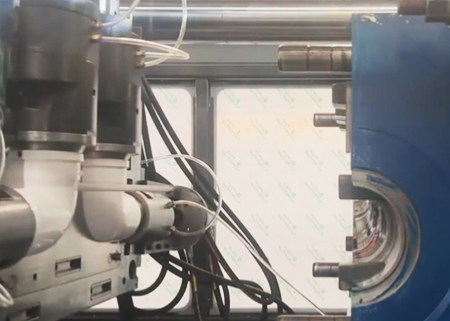
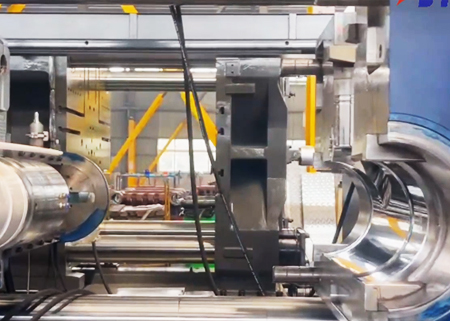
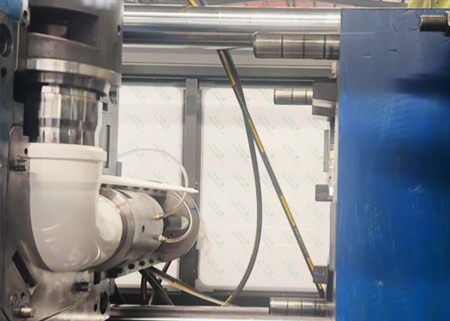
A PVC injection molding machine is a type of injection molding equipment specifically designed for processing polyvinyl chloride (PVC) plastic products. PVC material is heat-sensitive and easily decomposes during heating, therefore requiring higher demands on the injection molding machine's screw structure, temperature control accuracy, injection system, and venting capabilities. By optimizing the plasticizing system and corrosion-resistant components, PVC injection molding machines can stably and efficiently produce PVC products such as pipes, fittings, electrical accessories, valves, and daily necessities housings.
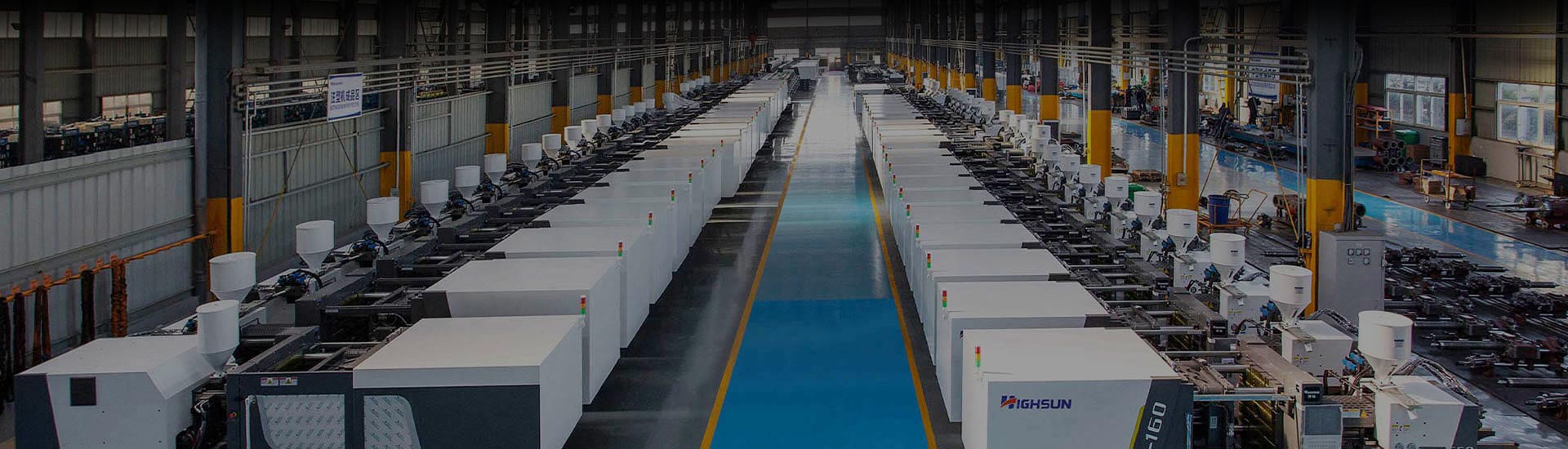
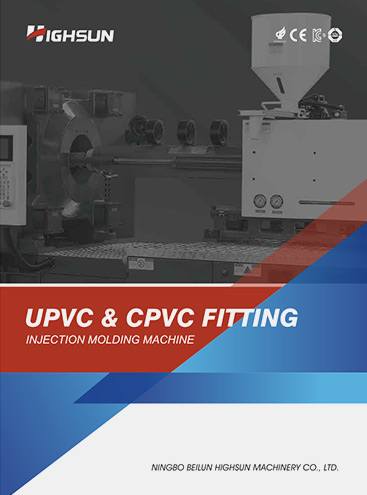
Ningbo Beilun Highsun Machinery Co., Ltd. is a professional China PVC Injection Molding Machine Manufacturers and PVC Injection Molding Machine Factory, We specialise in producing and marketing high-grade precision plastic injection molding machines under the "HIGHSUN" brand.
2. Advantages and Features of PVC Injection Molding Machines
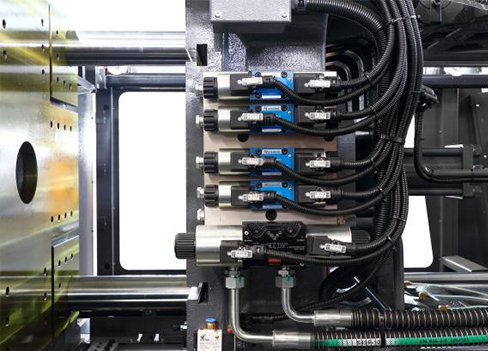
The main advantages of PVC injection molding machines lie in their plasticizing stability and corrosion resistance. The specialized screw reduces decomposition and improves product purity. The precise temperature control system ensures that the material is molded at the appropriate processing temperature, preventing product yellowing, scorching, or brittleness. The injection system provides stable pressure output, resulting in uniform wall thickness and high dimensional consistency of PVC products. The equipment has low energy consumption and high efficiency, meeting the needs of large-scale, long-term industrial production. The robust structural configuration also reduces downtime and maintenance requirements.
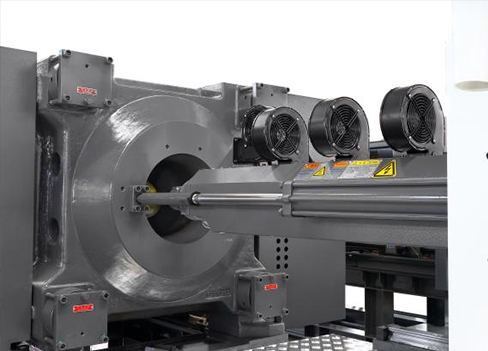
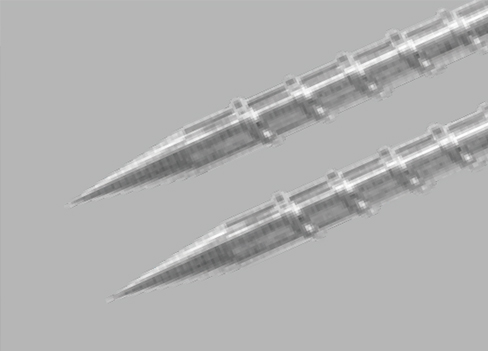
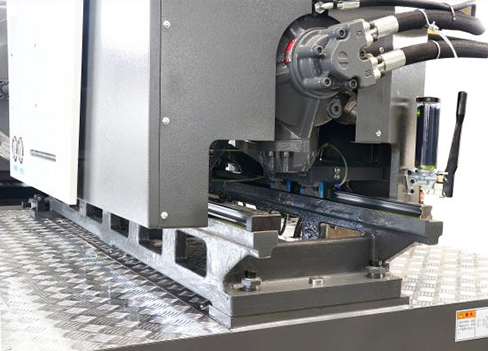
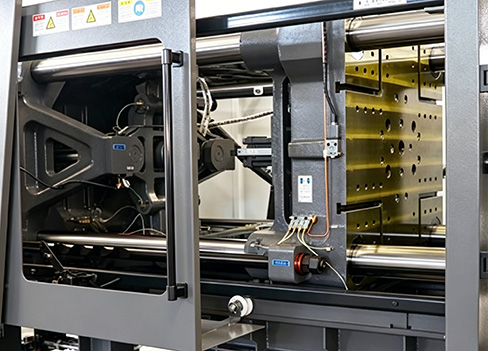
PVC injection molding machines utilize a specialized PVC wear-resistant and corrosion-resistant screw and barrel design, effectively reducing material decomposition and black spot formation. The equipment is equipped with a precise temperature control system to stabilize the temperature in the heating zone, preventing PVC degradation due to uneven heating. The clamping mechanism has a high-rigidity structure, suitable for long-term, high-pressure injection molding operations. Some models are equipped with a venting system and increased back pressure capabilities for more uniform plasticization. The overall machine structure emphasizes stability, durability, and safety, adapting to the special processing requirements of PVC materials.
3. Typical Application Areas
PVC injection molding machines are widely used in pipe and fitting manufacturing, building materials, electrical accessories, valves, daily necessities, home improvement accessories, automotive air conditioning components, and some PVC products in the medical industry. For example: PVC elbows, tees, connectors, flanges, electrical conduit fittings, valve housings, electrical boxes, battery holders, etc. Due to the wide variety and high demand for PVC products, PVC injection molding equipment has a huge market in the building materials and consumer goods sectors.
4. Operation and Maintenance Key Points
The operation of PVC injection molding machines is quite strict, requiring precise control of the temperature in each section to prevent material decomposition due to overheating. Operators should master the material heating curve, injection speed, and back pressure adjustment techniques. In terms of maintenance, ensure that the screw is cleaned regularly to prevent PVC residue carbonization; check that the heating elements, temperature sensors, and cooling system are functioning correctly; maintain unobstructed mold venting; and regularly change the hydraulic fluid in the hydraulic system. Due to the corrosive nature of PVC, all contact parts should be regularly inspected for wear.
PVC Injection Molding Machine Maintenance Precautions Table:
| Maintenance Area |
Key Tasks |
Frequency |
PVC-Specific Notes |
| Daily Checks |
| Material Corrosion |
Inspect screw, barrel, and nozzles for acid corrosion |
Each shift |
PVC decomposition produces HCl - check for pitting |
| Ventilation |
Verify fume extraction system operation |
Daily |
Critical for chlorine gas removal |
| Weekly Maintenance |
| Screw/Barrel Cleaning |
Purge with PE or PP-based cleaning compound |
Weekly |
Never use ABS or PS for cleaning |
| Temperature Zones |
Calibrate all heaters (max 190掳C for PVC) |
Weekly |
Overheating causes degradation |
| Monthly Tasks |
| Hydraulic System |
Check oil for acidity (pH<6 requires change) |
Monthly |
Use corrosion-resistant hydraulic oil |
| Mold Maintenance |
Deep clean venting channels and corrosion spots |
Monthly |
Chrome-plated molds recommended |
| Quarterly Procedures |
| Electrical Components |
Inspect for chloride deposits on contacts |
Quarterly |
Use dielectric grease for protection |
| Safety Systems |
Test emergency ventilation activation |
Quarterly |
Must activate within 3 seconds of alarm |
| Annual Maintenance |
| Corrosion Protection |
Reapply anti-corrosion coatings to exposed metal |
Annually |
Focus on platen and clamp areas |
| Exhaust System |
Replace HEPA and acid gas filters |
Annually |
Required even if appearing clean |
5. FAQ: Common Questions about PVC Injection Molding Machines
Q1: Can a standard screw be used in a PVC injection molding machine?
A1: It is not recommended. Standard screws lack sufficient corrosion and wear resistance, leading to problems such as decomposition, black spots, and poor plasticization, affecting product quality.
Q2: What should I do if scorching occurs during PVC injection molding?
A2: Check if the temperature control system is overheating, if there is insufficient venting, if the back pressure is too high, and the condition of the screw wear.
Q3: Can it produce both rigid and flexible PVC?
A3: Yes, both rigid and flexible PVC are supported, but the process parameters need to be adjusted separately.
Q4: Is the PVC injection molding machine energy-efficient?
A4: Most modern PVC injection molding machines use servo energy-saving systems, which can save 30%-60% energy compared to traditional machines.
Q5: Does the equipment require special cleaning?
A5: Yes. PVC residue is prone to degradation, so it is essential to use a special cleaning agent or PE to clean the machine before shutting down to prevent carbonization problems.
 ENG
ENG  English
 русский
 Español
 Português
 عربى
عربى





 PVC Series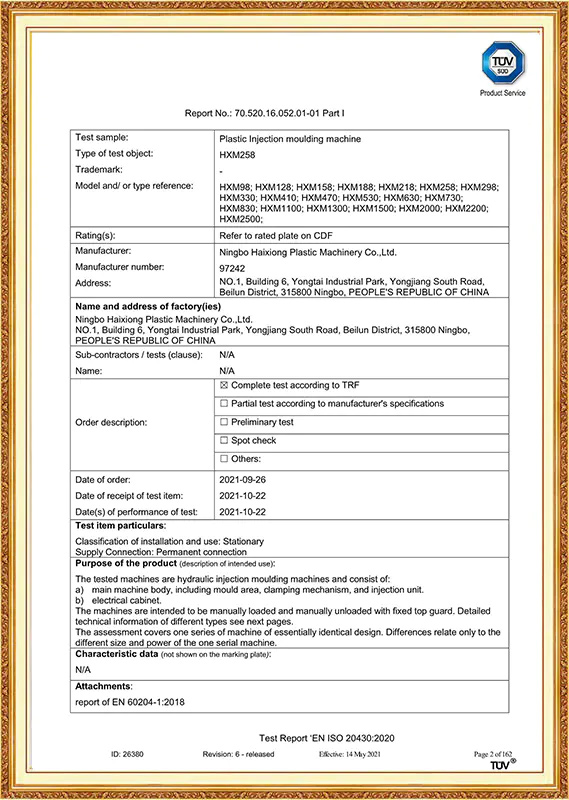
 +86-188 6861 6288
 haixiong@highsun-machinery.com
 No.36 Yongjiang South Road, Beilun District. Ningbo City, 315800, China