 ENG
 English
 русский
 Español
 Português
 عربى



Two jobs, one machine budget. A moulder quoting a 12-cavity thin-wall PP container on a 4.8-second cycle and, on the same floor, an 850-ton glass-filled nylon bracket is not really choosing between two machines. He is choosing where to lose money. Buy all-electric for the bracket and the capital cost rarely comes back; buy fixed-pump hydraulic for the container and the scrap rate and the power bill quietly eat the margin.
So the useful answer to "electric or hydraulic?" starts with the part mix, not the technology label. What follows is what each drive system does to cycle time, energy, repeatability and maintenance, and where the crossover point usually sits.
Content
- 1 Electric vs Hydraulic Injection Molding Machines: The Short Answer
- 2 How Each Drive Train Actually Moves the Screw
- 3 Energy: Where the 30–60% Gap Comes From
- 4 Repeatability, Melt Quality and Scrap Rate
- 5 Where Hydraulic Machines Still Earn Their Keep
- 6 Hybrid: The Compromise That Often Wins on Paper
- 7 Matching the Machine to the Job
- 8 What to Put in the RFQ
- 9 Frequently Asked Questions
- 9.1 What is the main difference between an electric and hydraulic injection molding machine?
- 9.2 How much energy does an all-electric injection molding machine save?
- 9.3 Is a servo injection molding machine the same as all-electric?
- 9.4 Which is better for large parts that need high clamp force?
- 9.5 What is a hybrid injection molding machine used for?
- 9.6 How long does it take to recover the extra cost of an electric machine?
Electric vs Hydraulic Injection Molding Machines: The Short Answer
If you run small-to-medium parts with tight tolerances, thin walls or high cavity counts, and the machine is busy more than 5,000 hours a year, an all-electric machine usually wins on total cost of ownership. If you run heavy sections, need high clamp force, or produce a narrow mix where cycle time is set by cooling rather than by the injection unit, a servo-hydraulic or fixed-pump machine still makes better business sense.
All-electric: precision and low running cost
- Shot weight repeatability commonly quoted at ±0.1–0.2%
- Typically 30–60% less energy than fixed-pump hydraulic
- No hydraulic oil, roughly 65–70 dB at the operator station
- Higher purchase price and a lower practical tonnage ceiling
Hydraulic: force per dollar
- Highest clamp force for the money, up to 3,000 t and beyond
- Strong torque at low speed for thick sections and long holds
- Simple mechanics that local technicians can repair quickly
- More energy, oil care and 75–85 dB noise
A hybrid sits between the two: an electric injection unit for metering accuracy, hydraulic power on clamp and ejector for force at a lower price.
How Each Drive Train Actually Moves the Screw
On a hydraulic machine, one central pump pressurises oil for every axis. Flow is shared out by valves, and any oil the machine does not need is dumped over a relief valve and turns into heat. On an all-electric machine, each axis has its own servo motor and ball screw, so nothing moves unless that axis is commanded.
Isometric comparison of the two power paths: shared oil flow versus one servo axis per movement.
That architecture explains the practical behaviour on the floor. With a shared pump, clamp closing and carriage movement compete for flow; with independent axes, mould closing, ejector return and plasticising overlap. On thin-wall work that overlap is where the 1–3 second saving per cycle comes from, and it is the reason an all-electric machine can out-produce a hydraulic unit of the same tonnage without running any faster.
Energy: Where the 30–60% Gap Comes From
Published drive comparisons consistently place all-electric machines 30–60% below fixed-pump hydraulic on energy per kilogram of resin processed, and roughly 20–40% below a servo-hydraulic machine. The reason is not that servo motors are magically efficient; it is that a fixed pump delivers full flow whether the machine is injecting or waiting.
A fixed-pump machine keeps circulating oil at full flow during cooling and idle time; a servo-driven axis simply stops.
The gap narrows when a machine spends most of its cycle at full clamp and full injection pressure, as with thick-wall parts and long holds. It widens sharply in packaging and thin-wall work, where the machine idles between strokes and every idle minute is wasted kWh.
| Parameter | All-electric | Servo-hydraulic | Fixed-pump hydraulic |
|---|---|---|---|
| Energy per kg of resin | 100 (baseline) | 130–150 | 170–200 |
| Shot weight repeatability | ±0.1–0.2% | ±0.3% | ±0.4–0.5% |
| Practical clamp force range | common to about 1,000 t | 1,000–2,500 t | 100–3,300 t |
| Noise at operator station | 65–70 dB | 70–78 dB | 75–85 dB |
| Fluid maintenance | none | oil and filters | oil, filters, cooling |
| Upfront cost | highest | middle | lowest |
Repeatability, Melt Quality and Scrap Rate
Repeatability is usually worth more than the power saving. Hydraulic oil changes viscosity as it warms, so a fixed-pump machine drifts unless the control loop compensates; an electric axis holds position regardless of temperature. In practice this shows up as a tighter distribution of shot weight across a shift, which matters most on multi-cavity tools running a 0.05 mm tolerance.
Two different strengths, not two quality levels: hydraulic leads on force and price, electric on precision and running cost.
Where electric really pays is scrap. A plant running 40,000 shots a day and trimming 0.5% off rejects recovers a few hundred kilos of resin a week — often more than the energy saving itself.
Where Hydraulic Machines Still Earn Their Keep
- High clamp force at a sane price. Above roughly 1,000 tons, hydraulic and two-platen designs remain the economical route for large crates, pallets, bins and appliance housings.
- Thick sections and long holds. Low-speed, high-torque packing is where hydraulic pressure holds up well and electric drives need a larger, costlier motor package.
- Low utilisation. At 2,000 hours a year the energy saving is small, and the extra capital takes far too long to return.
- Serviceability in remote plants. Valves and pumps are understood by almost every maintenance team; a servo drive fault may need a specialist.
Hybrid: The Compromise That Often Wins on Paper
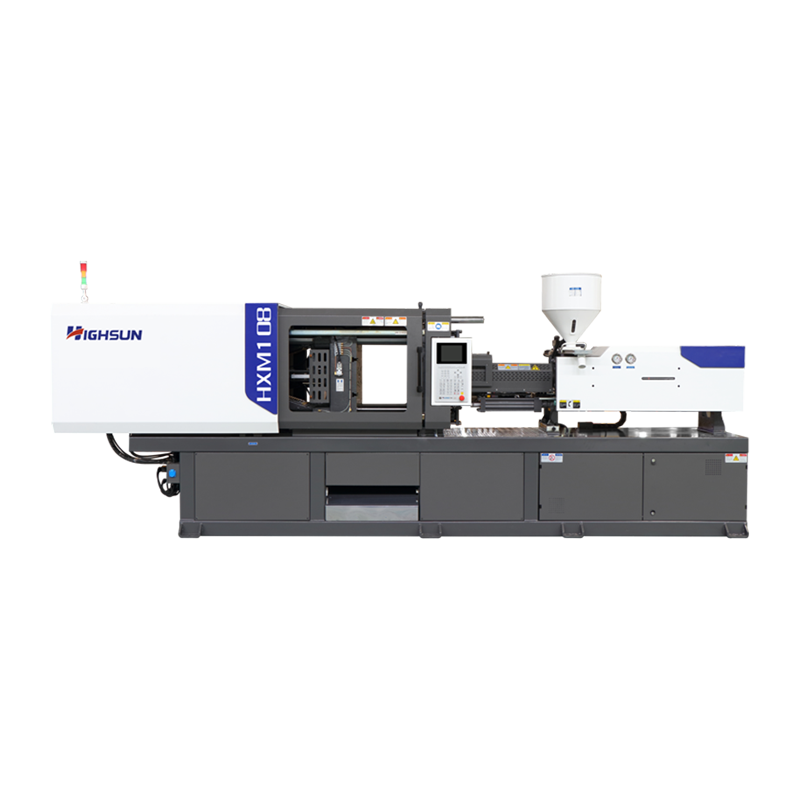
A hybrid keeps the accurate part electric and the force part hydraulic: servo-driven injection for metering and switchover, hydraulic clamp and ejector for tonnage without the cost of a full all-electric package. For a moulder moving from fixed-pump machines but not ready to pay all-electric prices, it is often the shortest step. The HXYD platform from HIGHSUN is built on exactly this split, with closed-loop injection control and the clamping stability of a hydraulic toggle.
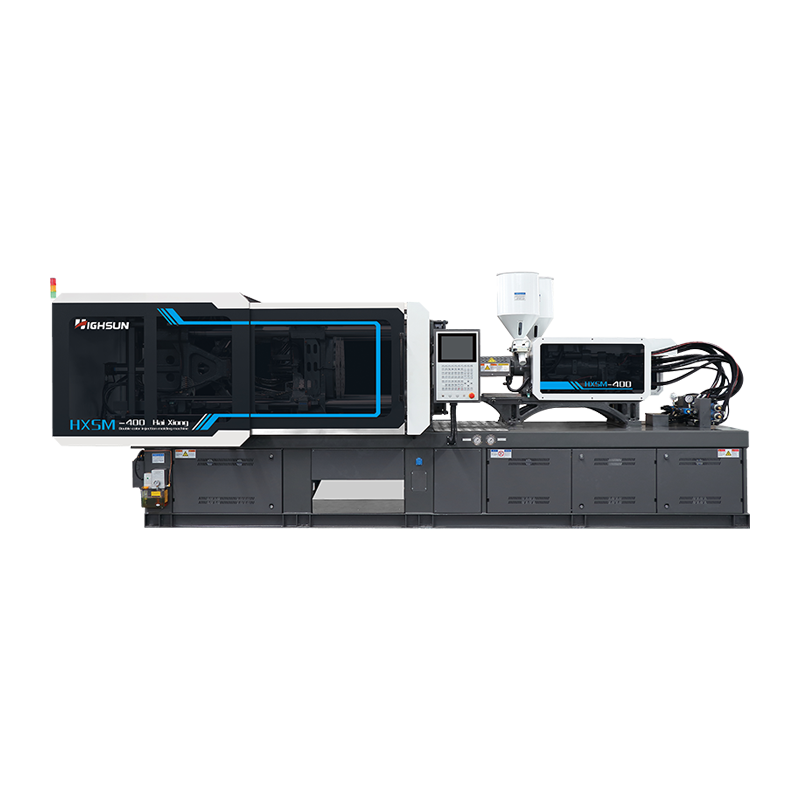
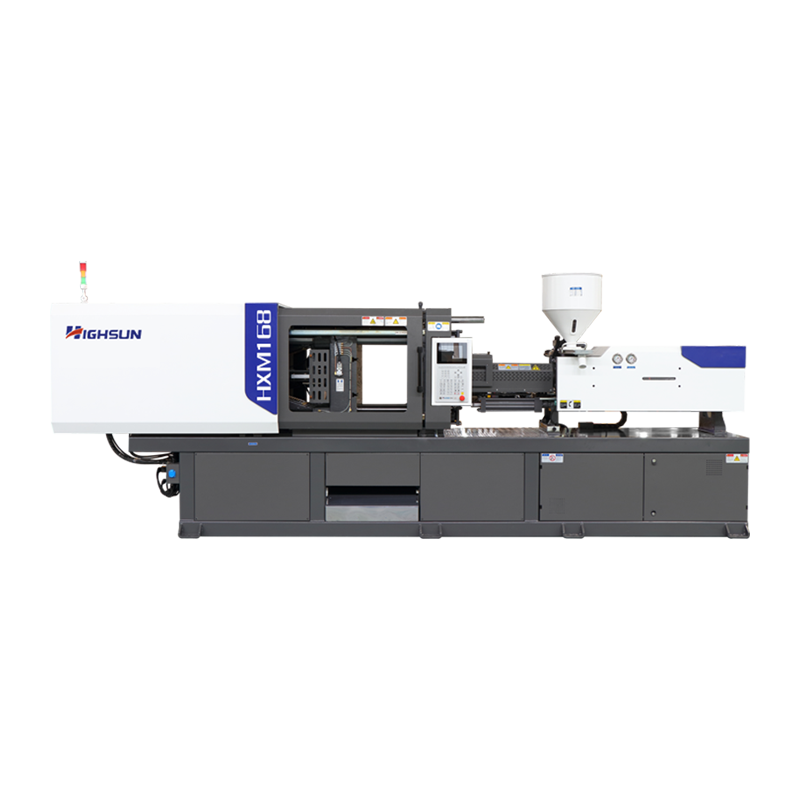
 HXYD-130 Hybrid Injection Molding Machine by HIGHSUNServo-electric injection with hydraulic clamp for medium-sized moulding, offering closed-loop control and energy savings versus fixed-pump hydraulic machines.View Product →
Before committing, ask for a dry-cycle and a real-mould trial on your own tool. A hybrid's energy figure depends heavily on how the pump is scheduled, and two machines with identical drive layouts can differ by 15% in kWh per kilogram.
Matching the Machine to the Job
Drive type is only half the decision; the other half is the platform around it. A 250-ton servo-hydraulic machine with a good control loop will hold tolerance better than a badly specified all-electric one, and a dedicated high-speed platform will beat both on thin-wall packaging simply because its accumulator, screw and clamp are designed for fast cycling.
For automotive parts such as brackets, clips and under-hood housings, the mix usually splits: glass-filled engineering resins with tight dimensional tolerances go on all-electric or hybrid, while large structural parts stay on two-platen hydraulic machines. For thin-wall products the decision is simpler — cycle time dominates everything, and high-speed or all-electric platforms are the default.
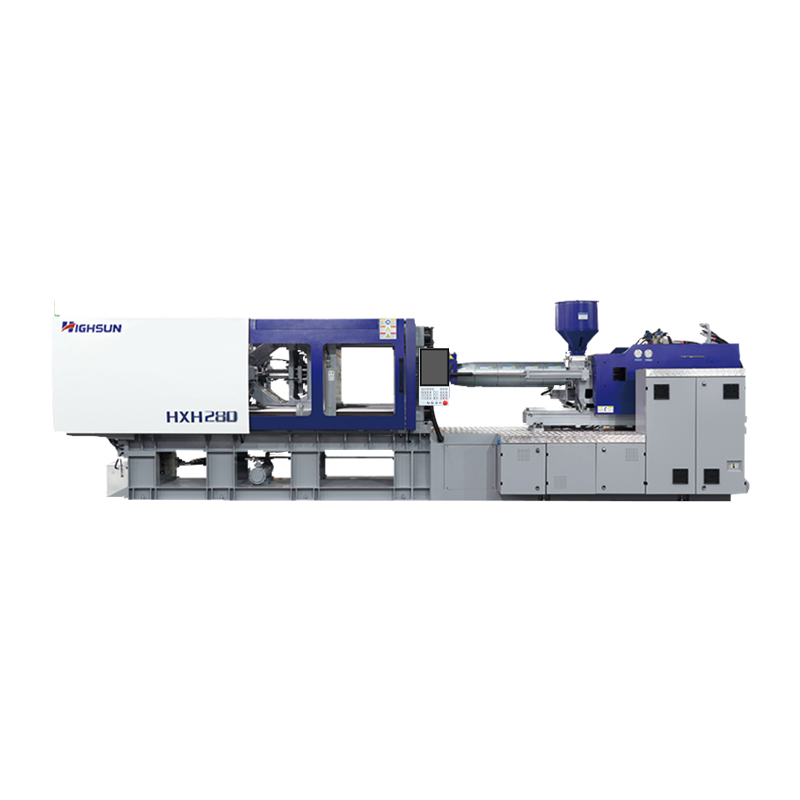
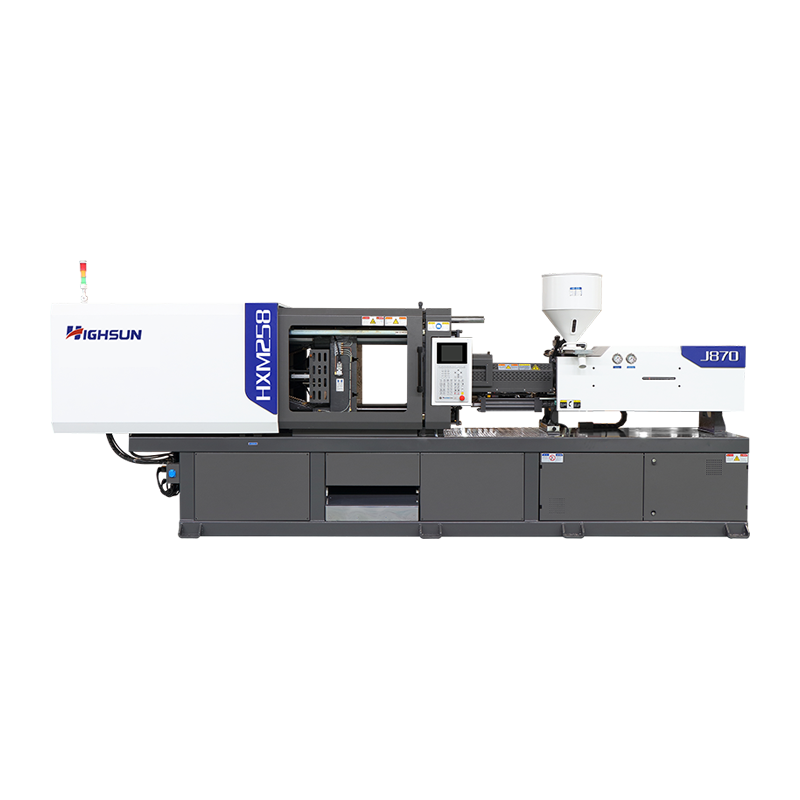 HXM258-I 258-Ton Servo Injection Molding MachineCompact servo-driven machine for small and medium enterprises, with 2580 kN clamping force and multiple screw options for diverse plastic products.View Product →
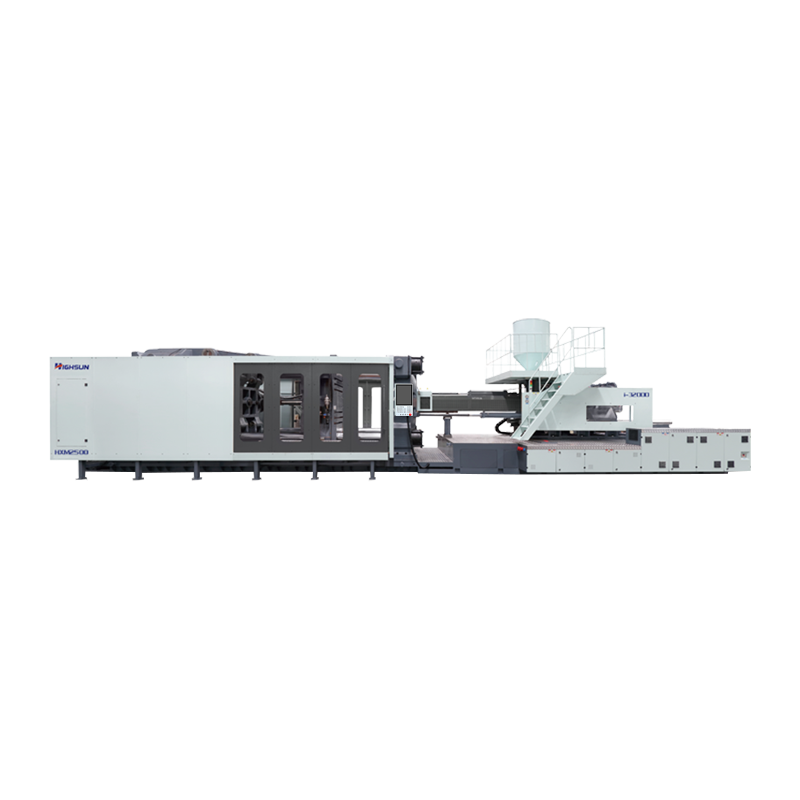
When the part weight passes about 1.5 kg and the mould needs 800 tons or more, a two-platen design removes the tie-bar length limit and reduces floor space. HIGHSUN's HXZ series runs from 800 to 3,300 tons for exactly this band of work.
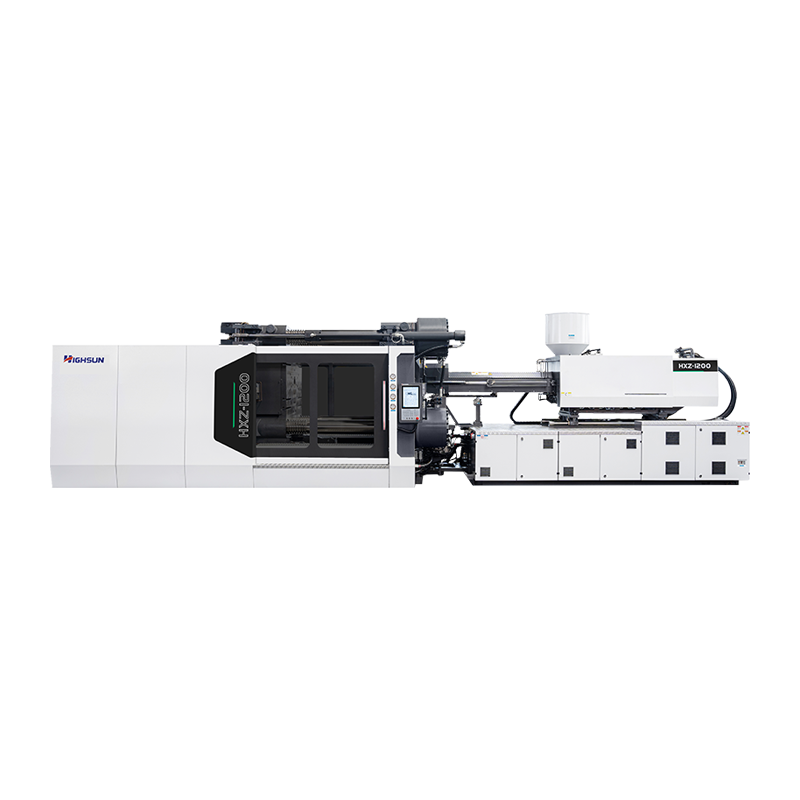 HXZ1200 Two-Platen Injection Molding MachineLarge two-platen machine with 12,000 kN clamping force, long opening stroke and deep-cavity capability for structural parts from 800 to 3,300 tons.View Product →
It is also worth checking whether the machine range actually covers your material. PVC needs a corrosion-resistant screw and barrel and tight temperature control; PET preforms need a fast, high-pressure injection profile. Buying a general-purpose machine and adapting it for these resins usually costs more than choosing a dedicated platform from the start.
What to Put in the RFQ
- Part drawing, resin grade, shot weight and required tolerance band.
- Cavity count and mould size, including maximum mould height and daylight.
- Target cycle time and expected annual running hours, not just shift pattern.
- Energy specification: ask for kWh per kilogram at a stated cycle, measured, not quoted from a brochure.
- Repeatability evidence: a shot weight distribution over 30 consecutive cycles, not a single sample.
- Service terms: response time, spare parts lead time and whether a technician is available locally.
Frequently Asked Questions
What is the main difference between an electric and hydraulic injection molding machine?
An all-electric machine drives each axis with its own servo motor and ball screw; a hydraulic machine uses one pump and oil pressure for all movements. That single difference drives the energy gap, the repeatability gap and the price gap.
How much energy does an all-electric injection molding machine save?
Published comparisons typically show 30–60% less energy than a fixed-pump hydraulic machine and about 20–40% less than a servo-hydraulic one. Savings grow with idle time, so packaging and thin-wall work see the largest difference.
Is a servo injection molding machine the same as all-electric?
No. A servo-hydraulic machine still uses oil, but the pump is driven by a servo motor so flow follows demand. An all-electric machine has no hydraulic circuit at all. The hybrid sits between them.
Which is better for large parts that need high clamp force?
Hydraulic and two-platen machines. Above roughly 1,000 tons they deliver force at a much lower capital cost, and thick sections benefit from sustained low-speed packing pressure.
What is a hybrid injection molding machine used for?
Mostly for precision parts that also need real clamping force — technical housings, thick-wall components and multi-material work where an electric injection unit improves metering accuracy without the full all-electric price.
How long does it take to recover the extra cost of an electric machine?
At three-shift utilisation and high energy prices, 18–36 months is a common range, driven mostly by kWh savings plus reduced scrap. Below about 2,000 running hours a year, payback often stretches past five years.
 +86-188 6861 6288
 haixiong@highsun-machinery.com
 No.36 Yongjiang South Road, Beilun District. Ningbo City, 315800, China
