 ENG
ENG  English
 русский
 Español
 Português
 عربى
عربى


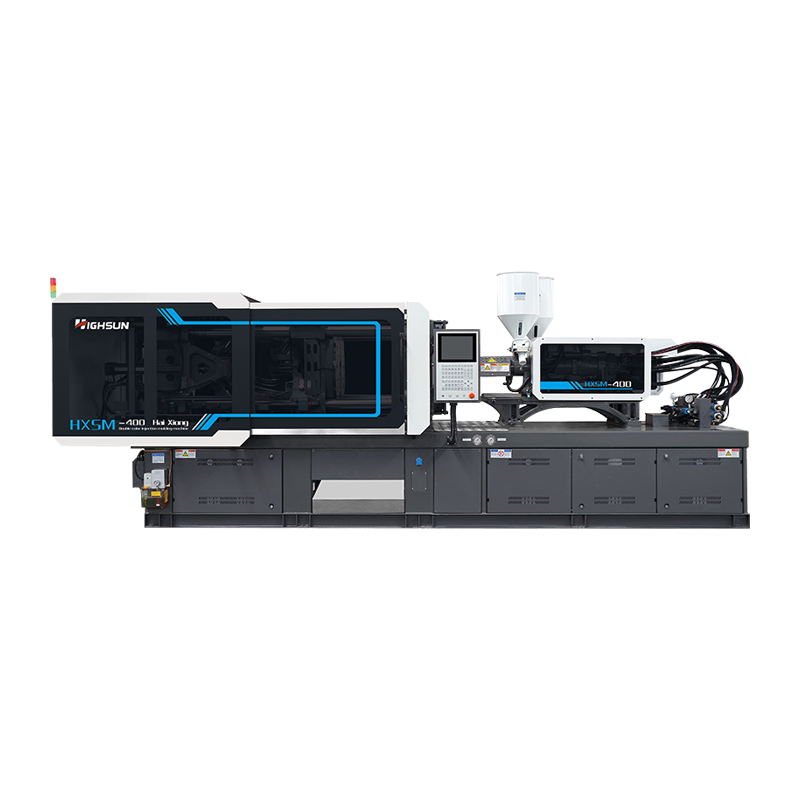
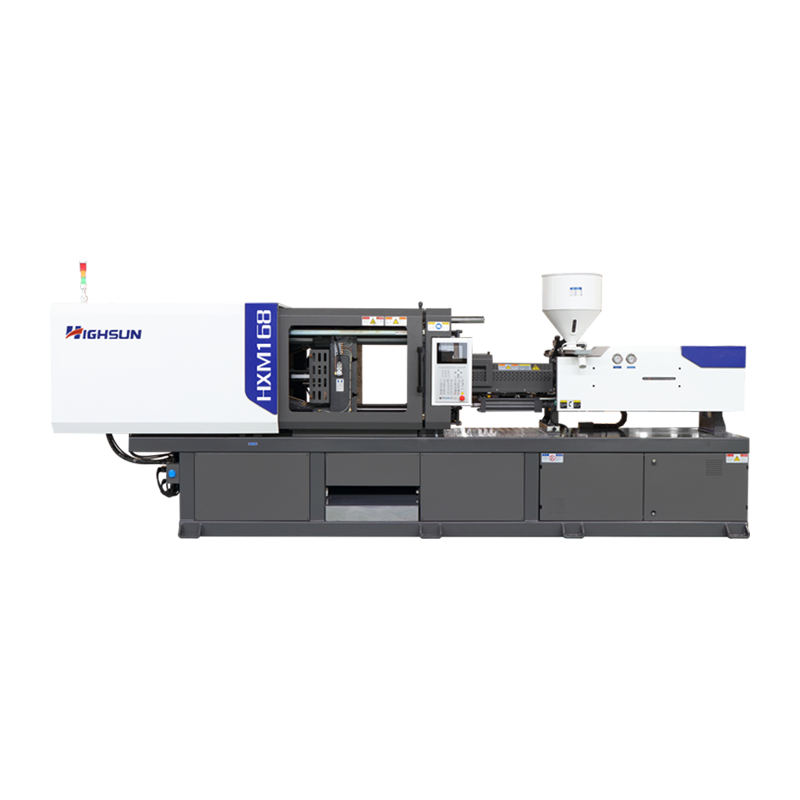
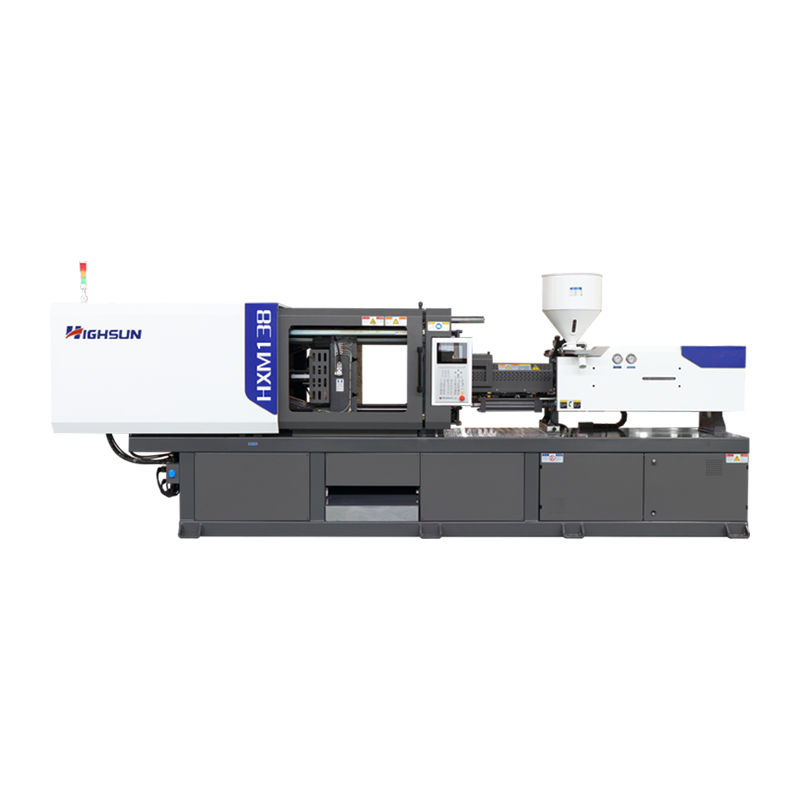
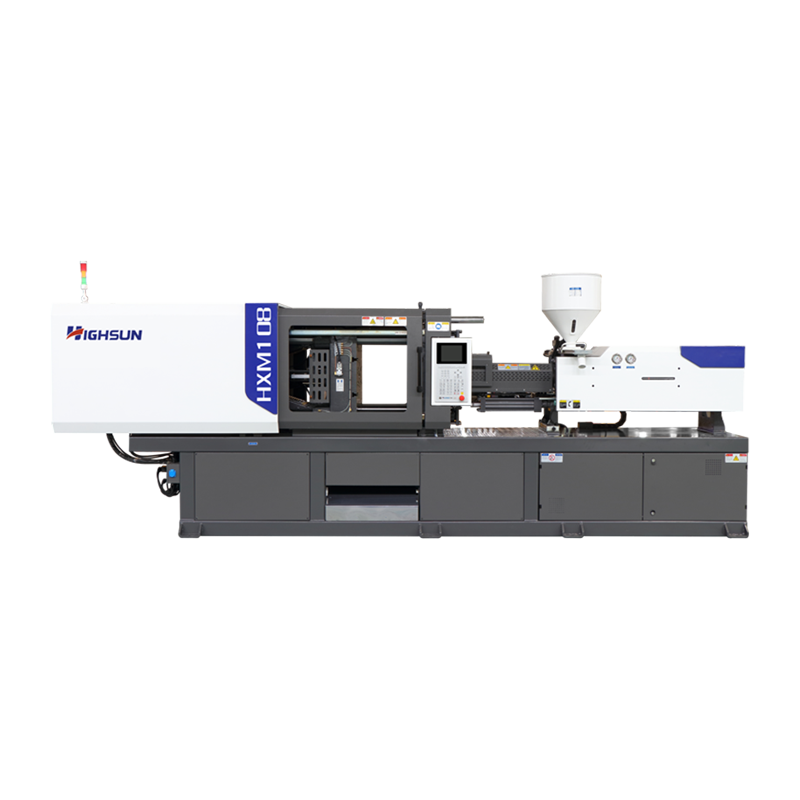
A servo injection molding machine is a high-efficiency plastic processing system that replaces conventional fixed-speed hydraulic pumps with a variable-speed servo motor drive, delivering hydraulic pressure only when and where the process demands it. The result is measurable: energy savings of 30% to 80% compared to traditional hydraulic machines, combined with superior repeatability, lower noise levels, and faster cycle times. For manufacturers seeking a competitive edge in precision plastic production, the HXM Servo Injection Molding Machine represents a well-engineered solution spanning clamping forces from 98T to 2500T.
Unlike all-electric machines that sacrifice raw clamping power, or conventional hydraulic machines that waste energy idling at full pump speed, servo hydraulic injection molding machines occupy a practical middle ground — combining the force density of hydraulics with the on-demand efficiency of servo control. This makes them a preferred choice across automotive, electronics, medical, and consumer goods sectors worldwide.
Content
- 1 Product Overview: HXM Series High-Efficiency Energy-Saving Servo Injection Molding Machine
- 2 Working Principle: How the Servo Drive System Transforms Injection Molding
- 3 Main Components of the HXM Servo Injection Molding Machine
- 4 Key Advantages of Servo Injection Molding Technology
- 5 Industries and Applications Where HXM Servo Machines Excel
- 6 Servo vs. Traditional Hydraulic Machines: A Technical Comparison
- 7 Injection Molding Machine Energy Saving Analysis
- 8 Common Problems and Practical Solutions in Servo Injection Molding
- 9 Injection Molding Machine Maintenance Best Practices
- 10 Frequently Asked Questions About HXM Servo Injection Molding Machines
Product Overview: HXM Series High-Efficiency Energy-Saving Servo Injection Molding Machine
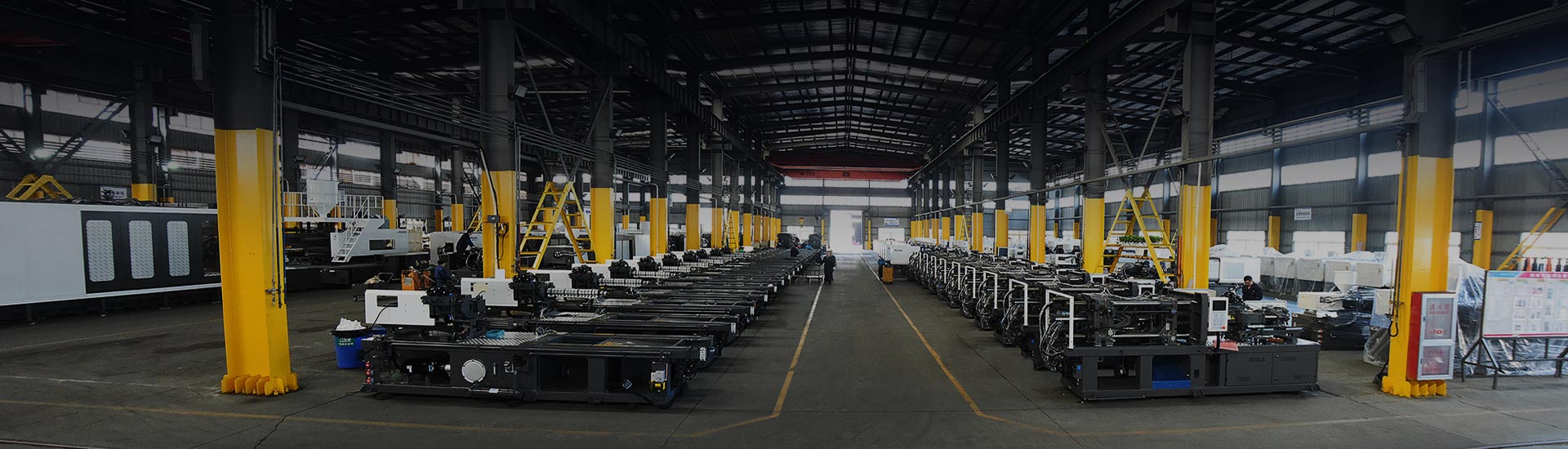
The HXM Series, developed by HIGHSUN MACHINERY — headquartered in Beilun Science and Technology Park, Ningbo, Zhejiang province, widely recognized as China's capital city of plastic machines — represents a flagship line of high-grade precision plastic injection molding machines. HIGHSUN has long pursued delicacy management and zero-defect production philosophy, forming characteristic series across three product tiers: small-tonnage hybrid machines, medium-tonnage toggle machines, and large-tonnage two-platen machines.
The HXM series integrates cutting-edge intelligent servo drive systems into a proven hydraulic architecture. It is engineered for manufacturers who demand high throughput, tight tolerances, and sustainable production economics. The platform covers an extensive clamping force range, making it applicable to both compact precision components and large structural plastic parts. Whether you are evaluating an automatic injection molding machine for a new production line or upgrading aging equipment, the HXM series offers a scalable, technically mature pathway.
| Series | Clamping Force Range | Drive Type | Typical Applications |
|---|---|---|---|
| HXM Small | 98T – 320T | Hybrid Servo | Electronics, medical devices, small consumer parts |
| HXM Medium | 350T – 900T | Toggle Servo | Automotive interior, household appliances, packaging |
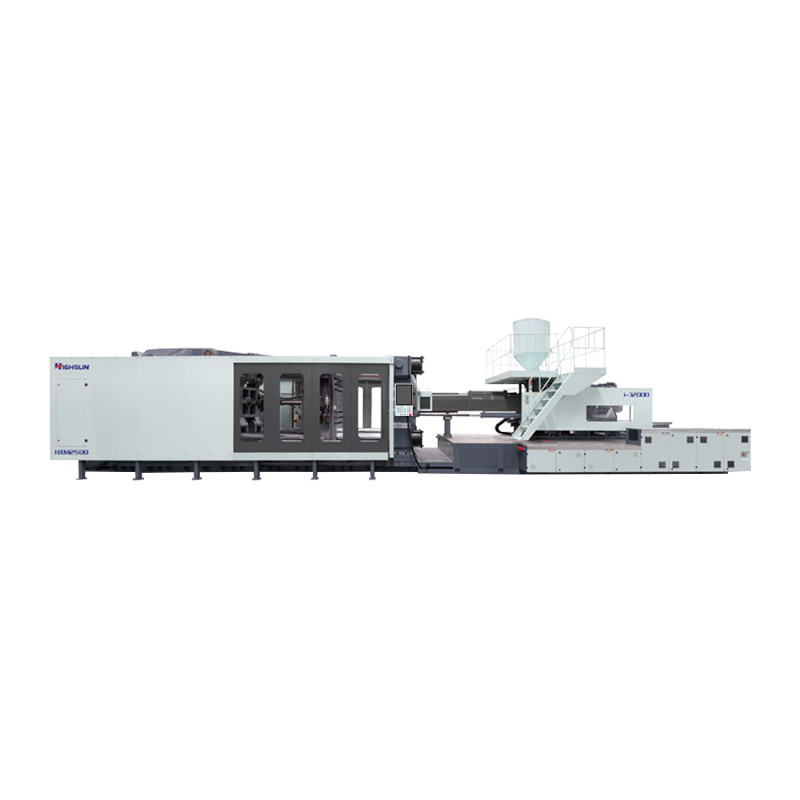
| HXM Large | 1000T – 2500T | Two-Platen Servo | Automotive bumpers, large containers, industrial parts |
Working Principle: How the Servo Drive System Transforms Injection Molding
The working principle of a servo injection molding machine centers on closed-loop feedback control between the machine's controller, servo driver, servo motor, and hydraulic pump. In a conventional hydraulic machine, the pump runs at constant speed regardless of actual demand — consuming full power even during dwelling, cooling, or part ejection phases when no hydraulic pressure is required. The servo system eliminates this waste entirely.
During each molding cycle, the PLC controller calculates the pressure and flow required for each phase — mold closing, injection, holding, cooling, and ejection. It transmits this demand signal to the servo driver, which adjusts motor speed in real time. The servo motor drives the hydraulic pump at precisely the required speed, generating only the oil flow the process actually needs. When the machine is in the cooling phase, the motor can slow to near-zero RPM, consuming minimal power — a capability that traditional fixed-displacement pumps simply cannot replicate.
The feedback loop also continuously monitors actual pressure and speed, correcting deviations within milliseconds. This closed-loop accuracy is what enables the HXM series to achieve shot-to-shot repeatability within ±0.1%, meeting the dimensional consistency demands of high-precision components in medical and electronics applications.
Servo vs. Conventional Power Consumption by Cycle Phase
The chart above illustrates one of the most compelling technical advantages of servo drive technology: dramatic power reduction during the cooling phase, where conventional machines still run their pumps at near-full capacity (approximately 29 kW) while the HXM servo system drops to just 3 kW. Across a full production shift, this difference compounds into significant electricity cost reduction. During the injection phase — which requires maximum hydraulic pressure — both systems operate at comparable power levels, confirming that energy savings do not come at the cost of molding performance. The holding and ejection phases show intermediate savings, with the servo system consistently matching demand rather than oversupplying pressure, which also reduces wear on seals and valves over the machine's service life.
Main Components of the HXM Servo Injection Molding Machine
Understanding the key components helps operators make informed decisions about machine configuration, maintenance scheduling, and troubleshooting. The HXM series integrates each subsystem with precision engineering tolerances, ensuring that the interaction between components remains stable across tens of millions of cycles.
Intelligent Servo Drive System
The servo drive consists of a servo controller, servo driver module, and servo motor. The controller interprets process parameter signals from the PLC and issues speed and torque commands to the driver module, which dynamically regulates current to the motor. The motor itself is a permanent magnet synchronous type offering high torque density and rapid response — essential for precise pressure profiling during the injection and packing phases of high precision injection molding machine operation.
Clamping Unit
The toggle clamping mechanism (mid-range HXM) and two-platen direct hydraulic clamping (large-tonnage HXM) provide rigid, balanced mold closing force. The five-point double-toggle design distributes clamping force evenly across the mold parting line, minimizing flash and extending mold life. Precision linear guides and hardened tie bars maintain platen parallelism to within 0.05 mm under full load.
Injection Unit
The reciprocating screw injection unit features a bi-metallic barrel and hardened screw designed for both general-purpose resins and engineering plastics. Screw speed, back pressure, injection speed, and holding pressure are all independently configurable across multiple stage profiles, enabling complex part geometries and multi-material processing on the same plastic injection molding machine platform.
Hydraulic System and Oil Temperature Management
A proportional hydraulic valve manifold manages pressure and flow with fine resolution. The variable-displacement servo pump generates only the oil flow demanded by each process phase, keeping hydraulic oil temperature significantly lower than in conventional systems — typically 10°C to 15°C cooler, which extends oil service life and reduces cooling water consumption by up to 40%.
PLC Control and HMI Interface
The machine controller runs a high-speed PLC with cycle times under 1 ms, paired with a color touchscreen HMI. Process parameters for thousands of mold recipes can be stored and recalled. The control system also supports real-time process monitoring, statistical process control (SPC) data logging, and optional integration with factory MES (Manufacturing Execution Systems), enabling full traceability for regulated industries.
Key Advantages of Servo Injection Molding Technology
The advantages of servo-driven injection molding extend well beyond energy savings. When evaluating an energy saving injection molding machine against conventional alternatives, the full picture includes production quality, operational noise, maintenance costs, and long-term reliability.
The horizontal bar chart above quantifies the multi-dimensional performance improvements delivered by HXM servo injection molding machines relative to conventional fixed-pump hydraulic systems. Energy saving is the most dramatic benefit, reaching up to 80% in applications with long cooling cycles — such as thick-walled parts or large molded components where the machine idles for extended periods. Noise reduction of approximately 50% is particularly significant for factories operating in urban areas or environments with worker health and safety regulations that cap floor noise levels. Shot-to-shot repeatability within ±0.1% positions the HXM series as a viable platform for medical device and precision electronics applications, where dimensional variation directly affects product qualification rates and scrap costs.
- Substantial energy cost reduction — servo systems consume power proportional to actual process demand, eliminating idle-speed pump losses that account for 30–60% of energy waste in conventional machines.
- Lower operating temperature — reduced hydraulic heat generation extends oil change intervals and reduces heat exchanger load, lowering maintenance overhead.
- Faster response and higher accuracy — servo motor response times under 10 ms enable tighter control of injection speed ramps and pressure transitions, improving part surface quality.
- Reduced noise levels — variable-speed pump operation at lower average RPM significantly reduces airborne and structure-borne noise in the production environment.
- Extended component life — lower hydraulic system temperatures and reduced pressure spikes extend seal, valve, and pump service life, reducing unplanned downtime.
- Intelligent process monitoring — built-in data logging and alarm management support proactive maintenance and quality traceability across production runs.
Industries and Applications Where HXM Servo Machines Excel
The flexibility of the HXM servo platform — spanning 98T to 2500T and supporting a wide range of thermoplastics and engineering resins — means it addresses production requirements across diverse end markets. Injection molding technology continues to evolve, and the servo-hydraulic architecture keeps pace by enabling both high-speed thin-wall molding and slow-cycle thick structural parts on the same machine family.
Automotive Components
Bumpers, door panels, dashboards, and HVAC housings require large clamping forces, consistent dimensional accuracy, and cosmetic surface quality. The large-tonnage HXM two-platen machines deliver clamping forces up to 2500T with platen parallelism control that prevents surface witness marks and parting line flash — critical quality metrics for automotive tier-one suppliers.
Electronics and Electrical Enclosures
Connector housings, switch bodies, LED lamp components, and thin-wall mobile device shells require high injection speed, precise back-pressure control, and minimal shot weight variation. The HXM medium-range toggle servo machines support injection speeds up to 200 mm/s with ±0.1% shot weight repeatability, meeting the quality standards expected in electronics manufacturing.
Medical Devices and Pharmaceutical Packaging
Syringes, vials, diagnostic cartridges, and sterile packaging components demand validated, traceable production processes. The HXM PLC control system supports process parameter logging and alarm event recording compatible with Good Manufacturing Practice (GMP) documentation requirements. Clean-room compatible configurations with enclosed hydraulic systems and reduced particle emission are available.
Household Appliances and Consumer Goods
Washing machine drums, refrigerator liners, storage containers, and furniture components benefit from the high throughput and consistent quality that the automatic injection molding machine configuration provides. Integration with robotic part removal systems and vision inspection stations enables lights-out manufacturing for commodity plastic parts.
Servo vs. Traditional Hydraulic Machines: A Technical Comparison
When evaluating a servo hydraulic injection molding machine against a conventional fixed-pump hydraulic machine, the decision should be based on a full technical and operational comparison rather than upfront cost alone. The following radar chart illustrates relative performance across six critical evaluation dimensions.
The radar chart makes visually clear that the HXM servo injection molding machine outperforms conventional hydraulic machines across all six evaluated dimensions. The most pronounced advantage is in energy efficiency and noise performance, where the servo system's on-demand operation fundamentally changes the machine's power profile. Precision and speed advantages are significant but somewhat closer — conventional hydraulic machines with proportional valve control can achieve acceptable accuracy, but the servo system's closed-loop response delivers faster correction and tighter statistical process capability indices (Cpk). The maintenance dimension reflects reduced seal wear, lower oil degradation rates, and fewer hydraulic component failures attributable to lower average system temperatures — all contributing to a lower total cost of ownership over the machine's operational lifetime.
| Parameter | HXM Servo Machine | Conventional Hydraulic |
|---|---|---|
| Energy Consumption | 30–80% lower | Baseline (fixed pump speed) |
| Shot Weight Repeatability | ±0.1% | ±0.5–1.0% |
| Hydraulic Oil Temperature | 10–15°C lower | Higher (constant pump heat) |
| Noise Level | ~65 dB(A) | ~80–85 dB(A) |
| Response Time (pressure/flow) | <10 ms | 20–50 ms |
| Cooling Water Consumption | Up to 40% less | Higher (more heat to dissipate) |
| Seal & Valve Service Life | Extended (lower temp & pressure spikes) | Standard |
Injection Molding Machine Energy Saving Analysis
Injection molding machine energy saving is not a single number — it depends on cycle composition, part geometry, resin type, and cooling time. For applications with cooling times exceeding 60% of total cycle time (typical for thick-walled parts), servo machines consistently deliver energy savings in the 60–80% range. For thin-wall, high-speed applications where the injection phase dominates, savings are more modest but still typically 25–40%.
The line chart above models annual energy consumption over a five-year operational period for a mid-range injection molding machine running two production shifts daily in a packaging application. The conventional hydraulic machine maintains a relatively flat consumption profile of approximately 480 MWh per year, since its energy use is largely independent of actual production demand. By contrast, the HXM servo machine begins at approximately 180 MWh in Year 1 and gradually reduces further as operators fine-tune process parameters and optimize cycle profiles — reaching approximately 168 MWh by Year 5. This reflects both the inherent efficiency of on-demand servo operation and the learning-curve benefits of intelligent process optimization tools built into the control system. Over the five-year period, the cumulative energy saving exceeds 1,500 MWh, which at average industrial electricity rates represents a substantial operational cost advantage that compounds year over year.
The energy saving mechanism operates through three distinct pathways: demand-matching (pump speed proportional to process demand), idle reduction (near-zero power during cooling), and regenerative deceleration (some servo drive configurations recover kinetic energy during motor deceleration phases). Together, these pathways make the HXM series one of the most energy-efficient servo hydraulic injection molding machine platforms available for mid-to-large scale plastic production operations.
Common Problems and Practical Solutions in Servo Injection Molding
Even well-maintained servo injection molding machines encounter operational challenges. Understanding the root causes of common problems enables faster diagnosis and reduces unplanned downtime. The following describes the most frequently encountered issues and their recommended corrective actions.
Inconsistent Shot Weight
Variable shot weight across consecutive cycles typically indicates instability in the plasticization process. Common causes include inconsistent screw back-pressure settings, resin moisture content above specification, worn screw or check valve, or unstable melt temperature due to heater band degradation. For HXM machines, checking servo motor feedback calibration and ensuring proportional valve response is within specification are additional diagnostic steps specific to the servo drive system. Corrective actions: dry resin to manufacturer-specified moisture content, recalibrate back-pressure setpoints, inspect check valve seating, and verify barrel heater band output with a thermal camera.
Servo Drive Alarm or Fault Code
Servo drive alarms typically fall into categories: overcurrent (excessive motor load), overvoltage (regenerative energy not dissipated), encoder fault (position feedback loss), or overtemperature (inadequate drive cooling). For overcurrent alarms, first check for mechanical binding in the hydraulic pump coupling. For encoder faults, inspect encoder cable routing for proximity to high-voltage conductors. The HXM control HMI displays structured fault codes with recommended diagnostic steps, enabling on-site resolution without requiring specialist engineer attendance in most cases.
Excessive Hydraulic Oil Temperature
While servo machines run significantly cooler than conventional hydraulic machines, abnormal oil temperature rise can still occur. Probable causes include a blocked oil cooler, insufficient cooling water flow, failed thermostat valve, or a servo system operating with incorrect speed parameters that cause the pump to run at higher-than-necessary speeds. Inspect the oil cooler for scale deposits, verify cooling water inlet temperature, and cross-reference servo speed settings against original commissioning records.
Flash or Short Shots
Flash (material overflow at parting line) and short shots (incomplete cavity filling) are among the most common molding defects. For flash, check clamping force adequacy relative to projected part area and injection pressure, verify mold parting surface condition, and review holding pressure settings. For short shots, increase melt temperature or injection speed, extend fill time, or check for blocked gate or runner. The HXM's multi-stage injection profiling capability allows operators to experiment with injection speed and pressure profiles without physically modifying the mold tooling.
Injection Molding Machine Maintenance Best Practices
A structured injection molding machine maintenance program is the most effective strategy for protecting production uptime and extending equipment service life. Servo machines introduce a small number of additional maintenance points — primarily related to the servo motor and drive electronics — but overall maintenance burden is lower than for conventional hydraulic machines due to reduced thermal stress on hydraulic components.
The column chart presents a structured maintenance schedule for HXM servo injection molding machines, organized by recommended interval frequency. Daily oil level checks and weekly lubrication of moving mechanical components form the foundation of machine health — these tasks take only a few minutes but prevent the majority of mechanical failures caused by lubrication neglect. Monthly hydraulic filter inspection prevents particulate contamination from degrading proportional valve and pump performance; dirty filters are a leading cause of reduced machine responsiveness and servo drive overcurrent faults. At 90-day intervals, oil sample analysis using a certified laboratory provides early warning of metallic wear particles that indicate bearing or pump wear before catastrophic failure occurs. The annual full hydraulic oil change is particularly important for servo machines: while lower operating temperatures slow oil degradation, they also reduce the machine's self-flushing action, making scheduled oil replacement essential for maintaining valve response characteristics.
- Daily: Verify hydraulic oil level, check for external leaks at hose fittings and cylinder seals, confirm barrel heater temperatures are within specification, inspect safety door interlocks and emergency stop function.
- Weekly: Lubricate toggle linkage pins and tie bar threads, inspect servo motor ventilation for dust accumulation, verify clamping force settings match mold data sheets, check injection unit back-pressure calibration.
- Monthly: Remove and inspect hydraulic return filters, clean air-cooled heat exchangers, verify platen parallelism, inspect screw tip assembly for wear, backup all process parameter recipes to external storage.
- Every 3 Months: Submit oil sample for laboratory spectrographic analysis, inspect servo motor encoder cable for abrasion, check proportional valve response curves against reference data, inspect all electrical terminal connections for loosening.
- Annually: Complete hydraulic oil change with system flush, replace all hydraulic filters, perform full servo drive calibration, inspect barrel liner and screw for wear using dimensional gauging, conduct full electrical insulation resistance test on heater bands and motors.
Frequently Asked Questions About HXM Servo Injection Molding Machines
Q1: How much energy can an HXM servo injection molding machine save compared to a conventional hydraulic machine?
Energy savings typically range from 30% to 80% depending on the application's cycle composition. Applications with long cooling phases — such as thick-walled containers or automotive structural parts — achieve savings toward the upper end of this range, because the servo pump runs at near-zero speed during idle periods. High-speed thin-wall molding with short cycle times delivers more modest savings, typically 25–40%, since injection and holding phases dominate the cycle and require sustained hydraulic power.
Q2: What clamping force range does the HXM series cover, and how do I choose the right tonnage?
The HXM series spans 98T to 2500T clamping force. Selecting the correct tonnage requires calculating the projected area of the part (in cm²) multiplied by the injection pressure per unit area for the resin being processed — typically 0.3 to 0.5 T/cm² for general-purpose resins. Add a safety margin of 15–20% above the calculated value. For multi-cavity molds, total projected area across all cavities must be used. HIGHSUN MACHINERY's engineering team can assist with tonnage selection based on part drawings and material specifications.
Q3: Is an HXM servo machine suitable for high-precision medical or electronics applications?
Yes. The HXM servo system achieves shot weight repeatability within ±0.1% and supports multi-stage injection speed and pressure profiling, making it appropriate for medical device components, diagnostic equipment, and precision electronics housings. The PLC control system supports process data logging compatible with GMP traceability requirements. For cleanroom-grade applications, enclosed hydraulic system configurations and reduced-particle-emission options are available from HIGHSUN MACHINERY.
Q4: What are the most important maintenance tasks for extending the service life of a servo injection molding machine?
The three highest-impact maintenance actions are: (1) regular hydraulic oil analysis and scheduled oil changes — contaminated or degraded oil is the leading cause of valve and pump failures; (2) weekly lubrication of toggle linkage pins and tie bar threads — neglected lubrication causes accelerated wear and clamping force instability; and (3) monthly inspection and replacement of hydraulic filters — blocked filters cause servo drive overcurrent faults and reduce proportional valve response accuracy. A comprehensive maintenance log should be maintained for every HXM machine to support warranty claims and predictive maintenance scheduling.
Q5: Can the HXM servo machine be integrated with automation and robotic systems?
Yes. The HXM series control system provides standard digital I/O interfaces and supports Euromap 67 (robot interface protocol) for direct integration with part removal robots, conveyor systems, and vision inspection stations. This enables fully automatic injection molding machine operation with minimal operator intervention. Integration with MES platforms via OPC-UA or Modbus TCP is also supported, enabling real-time production monitoring and remote parameter adjustment in Industry 4.0 compatible factory environments.
Q6: What types of plastic resins can the HXM servo injection molding machine process?
The HXM series is compatible with a broad range of thermoplastics, including general-purpose resins such as PP, PE, PS, and ABS, as well as engineering resins including PA (nylon), POM, PC, PBT, and glass-fiber-reinforced variants. For corrosive or abrasive materials such as glass-filled or flame-retardant compounds, bi-metallic barrel and hardened screw configurations are available to extend wear component life. Barrel temperature profiles are independently configurable in multiple zones to accommodate the processing requirements of different resin families.
 +86-188 6861 6288
 haixiong@highsun-machinery.com
 No.36 Yongjiang South Road, Beilun District. Ningbo City, 315800, China