 ENG
ENG  English
 русский
 Español
 Português
 عربى
عربى


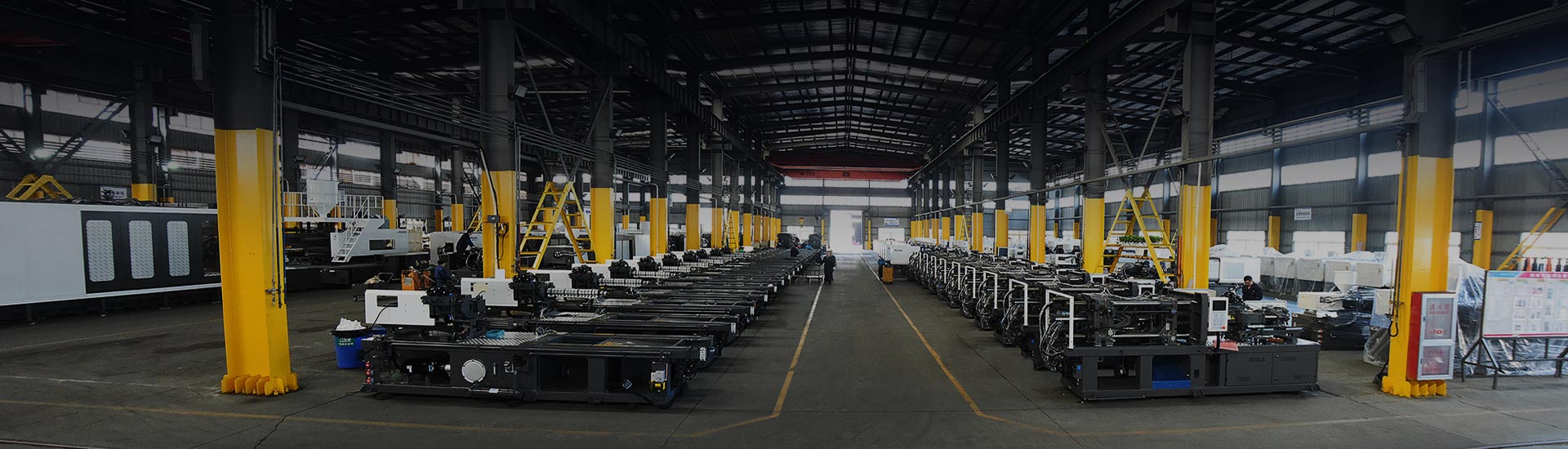
A PET preform injection molding machine is specialized industrial equipment designed to process polyethylene terephthalate (PET) resin into preforms — the intermediate tube-shaped components that are later stretch blow-molded into beverage bottles, food containers, and cosmetic packaging. Unlike standard injection molding machines, PET preform machines address three critical challenges unique to PET material: high hygroscopicity (PET absorbs moisture rapidly), poor thermal stability at elevated temperatures, and acetaldehyde (AA) generation during processing — all of which directly impact final product clarity and safety.
In practical terms, a well-configured PET preform molding machine can produce preforms with wall thickness tolerances as tight as ±0.05 mm, crystallinity levels below 5% for optimal stretchability, and AA content under 1 µg/g for food-contact compliance. These benchmarks make the PET preform injection machine the foundation of any high-volume PET bottle preform manufacturing operation.
Content
- 1 How a PET Preform Injection Molding Machine Works
- 2 Core Components and Their Functions
- 3 Servo PET Preform Machine: Why Drive Technology Matters
- 4 High Speed PET Preform Machine: Throughput and Cavity Count
- 5 PET Preform Production Cost: What Actually Drives the Numbers
- 6 Machine Selection Criteria: Matching Machine to Application
- 7 PET Preform Machine Price Factors: A Transparent Breakdown
- 8 PET Bottle Preform Manufacturing: Industry Applications
- 9 Quality Control in PET Preform Injection Molding
- 10 About HIGHSUN: A Purpose-Built PET Preform Machine Manufacturer
- 11 Frequently Asked Questions
How a PET Preform Injection Molding Machine Works
The production cycle of a PET preform manufacturing machine follows a precisely controlled sequence. PET resin — typically dried to a moisture content below 50 ppm — is fed into the plasticizing unit, where the screw geometry and temperature zones are specifically designed for PET's narrow processing window (typically 265–285°C melt temperature). The melt is then injected under high pressure into a hot-runner mold, cooled rapidly through a post-mold cooling system, and ejected as a clear, amorphous preform.
Key differentiators of a purpose-built PET injection molding machine compared to general-purpose machines include: a lower compression ratio screw (1.8:1–2.2:1) to minimize shear heating, a hot runner system with individual temperature control per drop, and a dedicated robotic extraction and cooling system that extends cooling time outside the mold — reducing cycle times by 15–25% versus in-mold cooling alone.
Typical PET Preform Production Cycle Breakdown (seconds)
This chart illustrates how time is distributed across each phase of the PET preform production cycle. The pre-drying phase is critical — insufficient drying leads to hydrolytic degradation and elevated AA content. In-mold and post-mold cooling together account for the largest share of the actual machine cycle. Optimizing post-mold robotic cooling is one of the most effective ways to reduce overall cycle time without compromising preform quality.
Core Components and Their Functions
Understanding the anatomy of a PET bottle preform machine helps buyers evaluate specifications more accurately. Each subsystem plays a direct role in preform quality and long-term production economics.
| Component | Key Specification | Impact on Preform Quality |
|---|---|---|
| Plasticizing Screw | L/D ratio 20–24:1; CR 2.0:1 | Controls melt homogeneity, AA generation, and IV retention |
| Hot Runner System | Individual zone control ±1°C | Balances cavity fill, reduces gate blush and stringing |
| Clamping Unit | Toggle or two-platen; 80–650 t | Maintains mold parting line integrity under injection pressure |
| Post-Mold Cooling Robot | 1–3 cooling stations; chilled air/water | Reduces cycle time 15–25%; controls crystallinity |
| Dehumidifying Dryer | Dew point –30 to –40°C | Prevents hydrolytic degradation; keeps IV loss below 0.02 dl/g |
| Control System | Multi-axis servo + PLC/HMI | Enables repeatability; supports remote diagnostics and SPC integration |
Servo PET Preform Machine: Why Drive Technology Matters
The shift from hydraulic to servo PET preform machine technology represents the most significant efficiency advancement in the past decade. A servo-driven system replaces the fixed-speed hydraulic pump with a variable-speed servo motor that only delivers power precisely when and where each phase of the cycle demands it. The result is a measurable reduction in energy consumption of 40–65% compared to conventional hydraulic machines, along with quieter operation (typically 8–12 dB lower noise floor), faster response times, and more precise injection velocity and pressure profiles.
For PET bottle preform manufacturing operations running 16–24 hours per day, energy savings translate directly into reduced PET preform production cost per unit. A 160-ton servo machine consuming approximately 18–22 kW·h per hour versus a hydraulic equivalent at 32–40 kW·h can yield annual savings exceeding $15,000 at typical industrial electricity rates — a compelling return on the incremental investment in servo technology.
Energy Consumption Comparison: Servo vs Hydraulic PET Preform Machine (kW·h/hr)
The grouped bar chart compares energy consumption between hydraulic and servo PET preform machines across five common tonnage classes. Servo systems consistently consume 40–55% less energy at every tonnage level. The efficiency gap widens as machine size increases, making servo technology especially economical for large-tonnage operations running around the clock. These savings directly reduce PET preform production cost over the machine's operational lifespan.
High Speed PET Preform Machine: Throughput and Cavity Count
Throughput in PET preform production machines is governed by two variables: cycle time and cavity count. A high speed PET preform machine typically achieves dry cycle times of 7–10 seconds and net production cycles (depending on preform weight) of 10–18 seconds. Multiply by cavity count — which ranges from 4 cavities for specialty preforms to 144 cavities for standard 28 mm neck lightweight preforms — and hourly output can range from 2,000 to over 80,000 preforms per hour on a single machine.
For high-volume beverage applications, the combination of a high-cavitation mold (72–144 cavities) with a dedicated PET preform injection molding machine and integrated post-mold cooling robots is the standard industry configuration. This setup achieves preform weight variation below ±0.2 g and IV retention above 95% of virgin resin values — both critical for consistent downstream blow molding performance.
Estimated Hourly Output vs. Cavity Count (12s avg cycle, standard 28mm preform)
The line chart shows how hourly preform output scales with cavity count at a constant 12-second cycle time. Output grows linearly from approximately 2,400 pieces per hour for an 8-cavity mold to nearly 29,000 per hour at 96 cavities. In real production, cycle time also shortens slightly at higher cavity counts due to better thermal management. High-volume beverage manufacturers commonly target configurations of 72 cavities or above to maximize return on investment per machine installation.
PET Preform Production Cost: What Actually Drives the Numbers
Buyers evaluating PET preform machine options often focus exclusively on the equipment purchase cost, but the true economics of PET preform production cost are dominated by materials and energy over the machine's 10–15 year service life. A typical cost breakdown for a mid-volume PET preform operation looks like this:
- PET resin (55–65% of total cost): The largest single variable; resin grade, IV value, and AA specification all affect purchase price.
- Energy (12–20%): Servo drive machines reduce this component significantly vs. hydraulic alternatives.
- Mold amortization (8–12%): High-cavitation molds have higher upfront costs but lower per-preform amortization at volume.
- Labor and overhead (8–15%): Automation-integrated lines require fewer operators per machine.
- Maintenance and spare parts (3–6%): Servo machines generally incur lower hydraulic maintenance costs.
PET Preform Production Cost Breakdown (%)
PET resin represents the dominant share of total production cost, making resin yield efficiency — measured by wall thickness consistency and regrind rate — a primary lever for cost optimization. Energy is the second-largest controllable variable, and the adoption of servo-driven machines is the most direct way to reduce this component. Together, resin and energy account for roughly 75–80% of ongoing production expenses, which means machine selection has a lasting financial impact well beyond the initial capital outlay.
Machine Selection Criteria: Matching Machine to Application
Selecting the right PET preform injection machine involves balancing seven key parameters. Rushing this decision based on headline clamping force or cavity count alone leads to mismatched capacity, quality problems, and higher long-term operating costs.
1. Clamping Force vs. Projected Cavity Area
As a rule of thumb, PET preform molds require 2.5–4.0 tonnes of clamping force per cm² of projected cavity area. Underclamping leads to flash; overclamping adds unnecessary machine cost and energy. For a 72-cavity mold with a projected area of 1,200 cm², a machine in the 300–400 tonne range is typically appropriate.
2. Injection Unit Specification
Shot weight capacity should be sized so that the actual shot weight falls between 30–80% of the injection unit's rated capacity. Running consistently at below 30% causes poor melt homogeneity; above 80% increases residence time and AA generation risk.
3. Plasticizing Rate and Screw Design
For PET, a dedicated low-shear screw with a decompression zone is preferred over a general-purpose geometry. The plasticizing rate (g/s) must exceed the injection unit demand at the target cycle time to avoid starvation — a common cause of IV degradation in high-speed applications.
Machine Type Comparison: Toggle vs Two-Platen (Radar)
The radar chart compares toggle-type and two-platen PET preform injection molding machines across six key performance dimensions. Toggle machines score higher on clamping precision, cycle speed, and energy efficiency — making them the preferred choice for medium-tonnage, high-speed preform applications. Two-platen machines offer a broader mold size range and are better suited for large-tonnage configurations where platens need to accommodate oversized tooling. Neither design is universally superior; the optimal choice depends on the specific tonnage class, preform specification, and production environment.
PET Preform Machine Price Factors: A Transparent Breakdown
The PET preform machine price range is wide, and understanding what drives price differences helps buyers make better procurement decisions. The principal cost drivers include clamping force class, drive technology (servo hybrid vs. full electric vs. hydraulic), number of cavities supported, hot runner type, post-mold cooling integration, and control system sophistication. Additional variables include mold cost (often sold separately), auxiliary equipment (chiller, dryer, material conveying), and aftersales support terms.
| Category | Clamping Force | Typical Cavities | Preform Applications | Drive Type |
|---|---|---|---|---|
| Entry-Level | 80–160 T | 4–16 | Small batch, custom, lab | Hydraulic / Servo-Hybrid |
| Mid-Range | 180–300 T | 24–72 | Beverages, food, pharma | Servo-Hybrid |
| High-Volume | 350–500 T | 72–144 | Mass-volume beverages | Servo / Full Electric |
| Large-Tonnage | 550–650 T+ | 96–144+ | Industrial-scale bottling | Two-Platen Servo |
Buyers should also account for total cost of ownership (TCO) rather than focusing solely on upfront capital. A machine with a higher initial investment but lower energy consumption, longer mold life due to precise clamping, and a stronger local service network will typically deliver a lower TCO over its operational lifespan than a cheaper machine with higher running costs and limited support infrastructure.
PET Bottle Preform Manufacturing: Industry Applications
PET bottle preform manufacturing serves a broad range of end markets, each with distinct preform specification requirements. Understanding these differences is essential for configuring the right machine and mold combination.
- Carbonated Soft Drinks (CSD): Require high IV resin (0.80–0.84 dl/g), precise wall thickness distribution, and very low AA content. Typically 28–30 mm PCO neck finish. High-speed, high-cavity configurations dominate.
- Still Water: Can use slightly lower IV (0.72–0.78 dl/g). Lightweight preforms (below 12 g for 500 ml) are common to reduce material cost. Ultra-light preforms demand highly precise injection control.
- Hot-Fill Beverages (Juices, Teas): Require heat-set bottles; preforms are often designed with modified crystallization profiles. Processing parameters differ significantly from standard CSD preforms.
- Pharmaceuticals and Personal Care: Demand tight IV and clarity specifications; often use specialized PCR-compatible or medical-grade resins. Smaller batch sizes with more frequent changeovers.
- Edible Oils and Food Containers: Require compliance with food contact regulations. Wide-mouth preforms with larger neck diameters (38–63 mm) are common, typically on lower-cavity molds.
Global PET Preform End-Use Market Distribution (Estimated %)
Carbonated soft drink and still water applications together account for approximately 60% of global PET preform demand, which explains why the industry's highest-throughput machine configurations are engineered specifically for these markets. Hot-fill, pharmaceutical, and food segments each represent significant but distinct niches, often requiring different preform geometries, resin grades, and processing parameters. Understanding which segment you serve is the first step in selecting a machine that matches your actual production requirements rather than theoretical maximum output.
Quality Control in PET Preform Injection Molding
Quality in PET preform injection molding is assessed across four dimensions: dimensional accuracy, optical clarity, material integrity, and chemical compliance. Modern PET preform production machines integrate in-line monitoring systems that continuously track these parameters, enabling real-time process correction rather than end-of-line rejection.
- Dimensional control: Automated vision systems measure gate height, wall thickness, neck finish dimensions, and overall length. Industry-standard tolerance for neck OD is ±0.05 mm.
- Haze and clarity: Crystallinity (whitening) is measured by haze meters; acceptable haze is typically below 3% for high-clarity applications.
- IV retention: Intrinsic viscosity is measured on retained samples; IV loss during processing should stay below 0.02–0.04 dl/g vs. virgin resin.
- Acetaldehyde (AA): AA content is measured by headspace GC analysis; food-contact preforms must typically comply with FDA/EU limits, commonly below 1 µg/g for still water.
- Weight consistency: Shot weight variation across cavities should be below ±0.3 g to ensure uniform downstream blow molding performance.
About HIGHSUN: A Purpose-Built PET Preform Machine Manufacturer
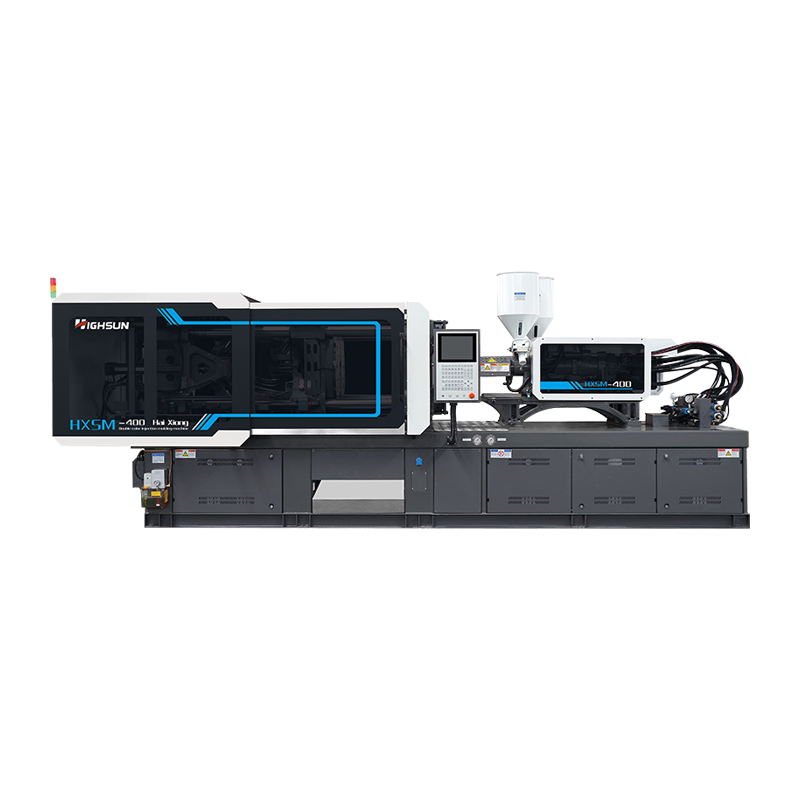
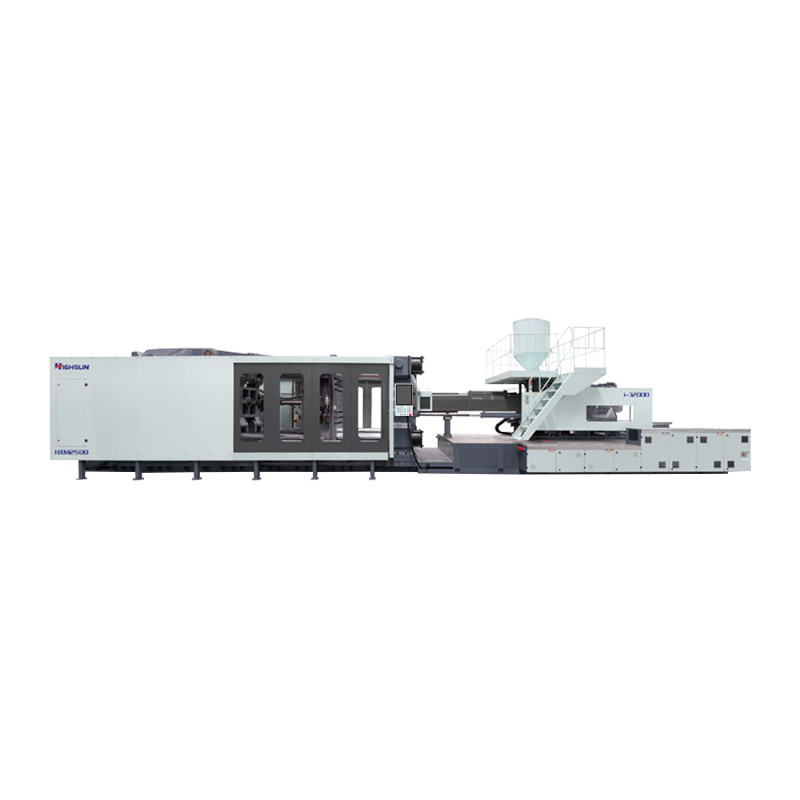
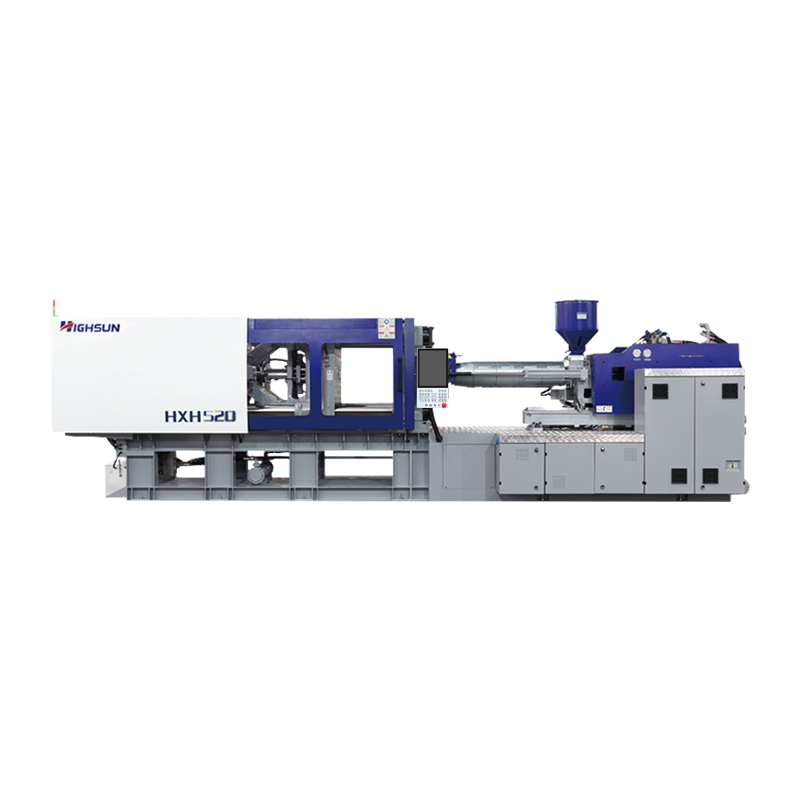
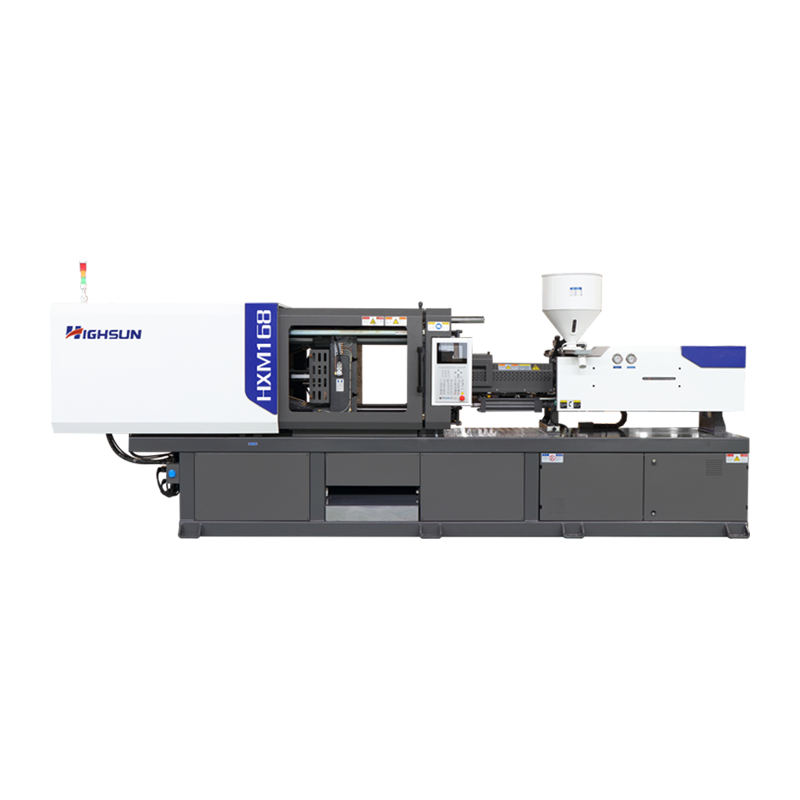
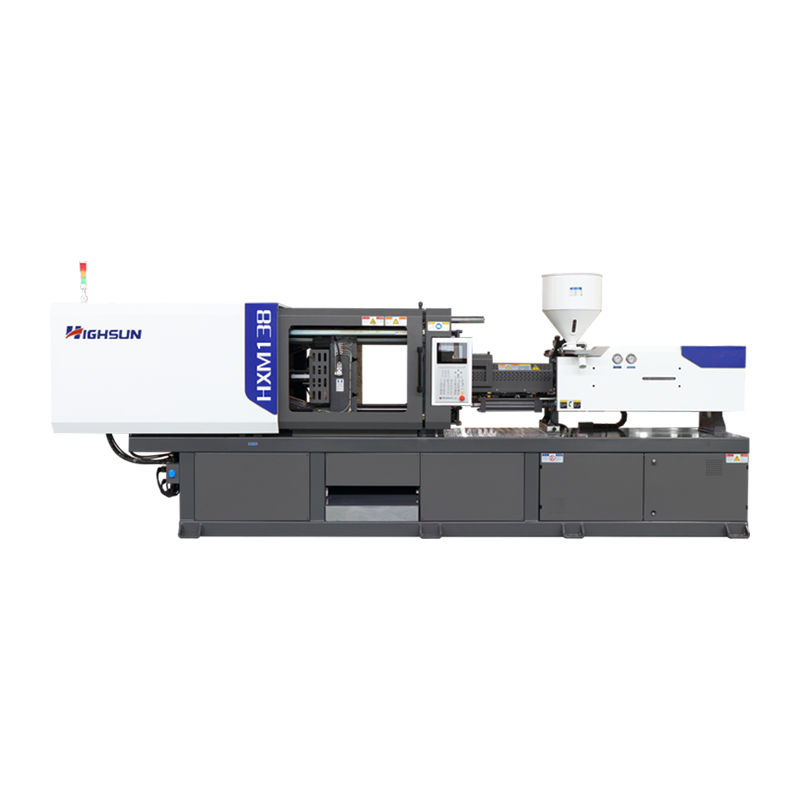
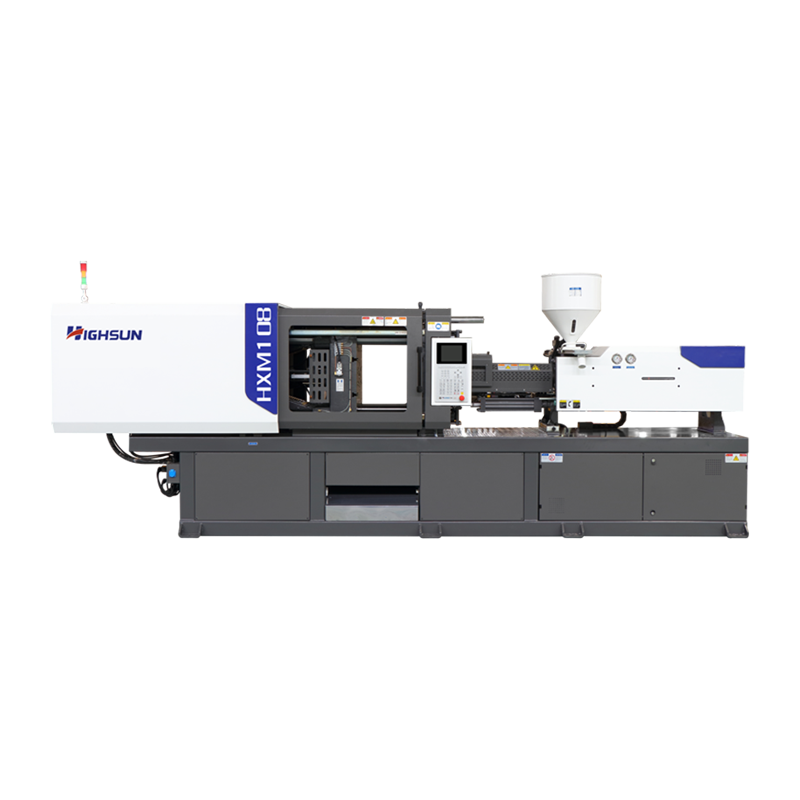
Ningbo Beilun Highsun Machinery Co., Ltd. (HIGHSUN MACHINERY) is located in Beilun Science and Technology Park, Ningbo, Zhejiang Province — recognized as China's leading hub for precision plastic machinery manufacturing. As a professional PET preform injection molding machine manufacturer, HIGHSUN focuses exclusively on high-grade precision injection molding machines under the HIGHSUN brand, with a product line built around three distinct platforms: small-tonnage hybrid machines, medium-tonnage toggle machines, and large-tonnage two-platen machines.
HIGHSUN's operational philosophy centers on delicacy management and zero-defect production. This is reflected in our manufacturing process: each machine undergoes multi-stage inspection including dimensional verification of critical components, hydraulic and servo system performance testing, mold-trial validation, and final functional acceptance before shipment. For buyers seeking a PET preform machine with reliable aftersales support, documented process capabilities, and a track record of export deliveries to demanding markets, HIGHSUN provides both the technical foundation and the partnership model to support long-term production success.
 +86-188 6861 6288
 haixiong@highsun-machinery.com
 No.36 Yongjiang South Road, Beilun District. Ningbo City, 315800, China