 ENG
ENG  English
 русский
 Español
 Português
 عربى
عربى


Quick Answer
To choose the best two-color injection molding machine, start by matching the machine's clamping force (tonnage) and dual injection unit configuration to your part geometry and material combination. For small, high-precision parts, a vertical two shot molding machine with a rotating platen offers the tightest tolerances. For medium-to-large production runs, a horizontal double color injection molding machine with a rotary table delivers higher throughput and lower per-unit cycle times. Always verify compatibility with your intended two-shot injection molding process — rotary, index plate, or core-back — before specifying the machine.
Content
- 1 What Is Two-Color Injection Molding and Why Does Machine Choice Matter?
- 2 Types of Two-Color Injection Molding Machines: Which Configuration Fits Your Application?
- 3 Machine Configuration Comparison: Selecting the Right Type for Your Project
- 4 7 Technical Parameters to Evaluate Before Buying a Dual Color Injection Molding Machine
- 5 Where Two-Shot Injection Molding Delivers the Clearest ROI
- 6 Two-Shot Injection Molding Process Factors That Should Influence Machine Specification
- 7 Multi-Material Injection Molding: Industries and Applications Best Suited to Two-Shot Technology
- 8 About HIGHSUN MACHINERY — Precision Two-Color Injection Molding Machine Manufacturer
- 9 Frequently Asked Questions
What Is Two-Color Injection Molding and Why Does Machine Choice Matter?
Two-color injection molding — also called dual color injection molding or two-shot injection molding — is a process in which two different materials or colors are injected sequentially or simultaneously into a single mold to produce a finished multi-material part in one automated cycle. Unlike insert molding or overmolding with separate operations, the two-shot injection molding process integrates both shots within a single machine cycle, eliminating secondary handling, reducing labor cost, and achieving stronger material bonds through molecular-level fusion.
The process is used across a broad range of industries: automotive interior trim (soft-touch panels over rigid substrates), consumer electronics (rubberized grip surfaces over polycarbonate housings), medical devices (transparent windows bonded to opaque housings), and toothbrush handles. In all these applications, the quality of the finished part depends directly on the two-color injection molding machine's ability to maintain precise timing, pressure matching, and rotational accuracy between the first and second shot.
A mismatched machine — wrong tonnage, inadequate injection unit separation, or insufficient rotary platen accuracy — leads to flash, incomplete bonding, color bleed, or dimensional variation that cannot be corrected in post-processing. Getting the machine specification right from the start is the single most impactful decision in a multi-material injection molding project.
Types of Two-Color Injection Molding Machines: Which Configuration Fits Your Application?
There is no single universal configuration for a two-color injection molding machine. Four main configurations exist, each optimized for a different part size, mold complexity, and production volume profile.
Rotary Platen (Horizontal) Two-Color Machine
The most common configuration for medium-to-large parts. The mold contains two cavity sets; after the first shot solidifies, the rotary platen rotates 180° (or by indexed positions for multi-material parts) to present the first-shot substrate to the second injection unit. This machine type supports cycle times as short as 15–25 seconds for small parts and delivers the highest throughput in high-volume production. It requires a mold with symmetrical cavities designed for rotary motion — a significant upfront tooling investment but the lowest per-unit cost at scale.
Vertical Two Shot Molding Machine
A vertical two shot molding machine orients the clamping unit vertically, with injection units positioned from the top and/or side. This configuration is particularly suited to small, precision parts — connectors, switches, instrument knobs — where gravity assists material fill and the vertical footprint conserves floor space. The vertical layout also simplifies insert loading between shots, making it a strong choice for multi-material injection molding projects that combine rigid substrates with insert components. Clamping forces typically range from 50 to 300 tonnes for this category.
Index Plate (Rotary Table) Machine
Instead of rotating the entire platen, an index plate machine rotates only the mold's core half on a turntable, while the cavity half remains fixed. This approach works well when the part geometry requires that the second material encapsulate a large portion of the first-shot substrate. Index plate machines are commonly used in automotive sealing systems and two-color lighting lens assemblies where precise relative positioning between shots is essential.
Core-Back (Sliding Core) Machine
Core-back two-shot injection molding uses a single set of cavities with a sliding internal core. After the first shot, the core retracts to open a new cavity space for the second material — all without opening the mold. This eliminates the rotary mechanism entirely, enabling a smaller machine footprint and a simpler mold design. However, the geometry of parts produced by core-back is limited to designs where the second material can flow into the newly created space without disturbing the first shot. It is well-suited to foam-backed panels and sealing gaskets.
Machine Configuration Comparison: Selecting the Right Type for Your Project
The table below compares the four machine types across the criteria that matter most to buyers evaluating a double color injection molding machine purchase or lease.
| Criteria | Rotary Platen | Vertical Two-Shot | Index Plate | Core-Back |
|---|---|---|---|---|
| Part Size Range | Medium–Large | Small–Medium | Medium–Large | Small–Medium |
| Clamping Force | 200–3000t | 50–300t | 200–2000t | 80–500t |
| Cycle Speed | Fastest | Moderate | Fast | Fast |
| Mold Complexity | High | Moderate | High | Lower |
| Floor Space | Large | Compact | Large | Moderate |
| Part Geometry Freedom | Highest | High | High | Limited |
| Best Industry Fit | Auto, Consumer | Electronics, Medical | Auto Sealing, Lighting | Panels, Gaskets |
7 Technical Parameters to Evaluate Before Buying a Dual Color Injection Molding Machine
Beyond the basic machine category, buyers need to compare specific technical specifications that directly determine whether the machine can produce their target part to specification. Here are the seven parameters that carry the most weight in the selection decision.
- Clamping Force (Tonnage). Calculate the projected area of both cavities combined (first shot + second shot), multiply by the cavity pressure of the second material (typically 30–50 MPa for engineering resins), and add a 15–20% safety margin. Undersizing the clamping force is the most common cause of flash in dual color injection molding. For a two-shot automotive trim panel with a projected area of 400 cm², a minimum of 200 tonnes clamping force is typically required at standard injection pressures.
- Dual Injection Unit Configuration. Verify that the two injection units can be independently set for screw diameter, L/D ratio, shot volume, injection speed, and barrel temperature profile. The first and second materials often have very different melt temperatures — for example, PC (280–310°C) overmolded with TPE (180–220°C) — and the units must be individually optimized without cross-influence.
- Rotary Platen Accuracy and Repeatability. For rotary-type machines, the rotational positioning accuracy of the platen directly determines the dimensional consistency of the finished part. Look for machines specifying rotary accuracy within ±0.02mm — a standard that separates precision machines from general-purpose equipment. Poor rotary accuracy causes the second-shot cavity to misalign with the substrate, producing visible witness lines or structural bond failures.
- Tie-Bar Spacing and Mold Opening Stroke. Two-color molds are inherently larger than single-material molds of equivalent part size because they must accommodate the rotary mechanism or index plate. Confirm that the machine's tie-bar spacing and maximum mold dimensions can house your specific two-shot mold without clearance issues.
- Control System and Process Repeatability. Precision dual color injection molding demands a controller capable of synchronizing two independent injection sequences with millisecond timing accuracy. CNC-grade closed-loop control systems with real-time injection speed and pressure monitoring are the baseline for consistent two-shot quality. Older relay-based or open-loop systems lack the feedback resolution needed for tight multi-material tolerances.
- Energy Efficiency and Drive System. Servo-hydraulic and all-electric drive systems consume 40–70% less energy than conventional fixed-displacement hydraulic machines over equivalent production cycles. Given that two-shot molding machines run continuously at high utilization rates in production environments, the energy efficiency specification has a direct and measurable impact on operating cost over the machine's 10–15 year service life.
- Material Compatibility and Purging Access. Color changeovers and material transitions in a two-color injection molding machine require that both barrels be independently accessible for purging. Evaluate the ease of barrel access, the availability of purging programs in the controller, and whether the machine supplier offers material compatibility data for the specific resin pairings you intend to run — particularly important for chemically sensitive combinations such as PC/ABS over TPU.
Where Two-Shot Injection Molding Delivers the Clearest ROI
The decision to invest in a dedicated two-color injection molding machine is primarily an ROI calculation. The chart below shows the typical efficiency gains that dual color injection molding delivers over equivalent two-operation single-material molding processes across key performance metrics.
Two-Shot Molding vs Two-Operation Process: Efficiency Gains (%)
Labor Cost Reduction
Up to 72%
Cycle Time Savings
Up to 55%
Scrap Rate Reduction
Up to 60%
Part Handling Steps
Up to 85%
Bond Strength vs Adhesive
Up to 90% stronger
Two-Shot Injection Molding Process Factors That Should Influence Machine Specification
The two-shot injection molding process introduces constraints that go beyond the machine itself — but directly determine which machine specifications become non-negotiable. Understanding these process-level factors before machine selection prevents costly rework.
Material Compatibility
Not all resin pairs bond well in a two-shot process. Strong inter-material adhesion requires compatible surface energy and, ideally, chemical compatibility — such as ABS/TPE, PP/TPE, or PC/TPU pairings. Incompatible pairs require mechanical interlocking features on the substrate, which the mold and machine must accommodate.
First-Shot Temperature Window
The substrate must be sufficiently cool to hold its shape when the second shot is injected, but not so cold that interfacial adhesion is impaired. The machine's mold temperature controller must maintain this narrow window — typically within ±3°C — throughout the production run.
Second-Shot Injection Pressure
The second-shot injection pressure must not deform the first-shot substrate. For thin-wall substrates (under 1.5mm), the machine must be capable of very low, precisely profiled injection speeds — a capability that is defined by the injection unit's minimum controllable velocity, not just maximum injection pressure.
Color Separation Sharpness
In dual color injection molding for decorative applications, the sharpness of the color boundary is a critical aesthetic quality criterion. This is determined by the mold's parting surface precision and the machine's ability to hold consistent injection timing — not parameters that can be adjusted in post-processing.
Inter-Shot Bond Strength vs Substrate Surface Temperature at Second Injection (Illustrative, ABS/TPE)
Bond strength peaks in the 80–95°C substrate surface temperature range for ABS/TPE. The machine's mold temperature control must maintain this window throughout the production run.
Multi-Material Injection Molding: Industries and Applications Best Suited to Two-Shot Technology
Multi material injection molding with a two-color or two-shot machine is not a universal solution — it delivers its strongest ROI in specific application categories where part integration, aesthetics, and bond quality justify the tooling investment.
Automotive Interior
Instrument panel bezels, door handle grips, gear shift knobs, and steering wheel spoke covers — all produced by overmolding a soft-touch TPE or TPU skin onto a rigid PP or ABS substrate in a single automated cycle.
Consumer Electronics
Phone cases combining a rigid PC inner shell with a shock-absorbing TPU outer layer, remote control buttons with dual-color legends, and laptop key caps — all applications where color separation precision and bonding durability are commercially critical.
Medical Devices
Diagnostic device housings, syringe plunger handles, and surgical instrument grips that require a rigid structural body bonded to a non-slip, chemical-resistant overmold — produced in cleanroom-compatible two-shot molding machines with fully enclosed clamping.
Personal Care and Housewares
Toothbrush handles with rubber grip zones, kitchen utensils with non-slip bases, and razor handles combining rigid nylon with a TPE comfort zone — high-volume, cost-sensitive applications where two-shot cycle efficiency has the biggest impact on unit economics.
About HIGHSUN MACHINERY — Precision Two-Color Injection Molding Machine Manufacturer
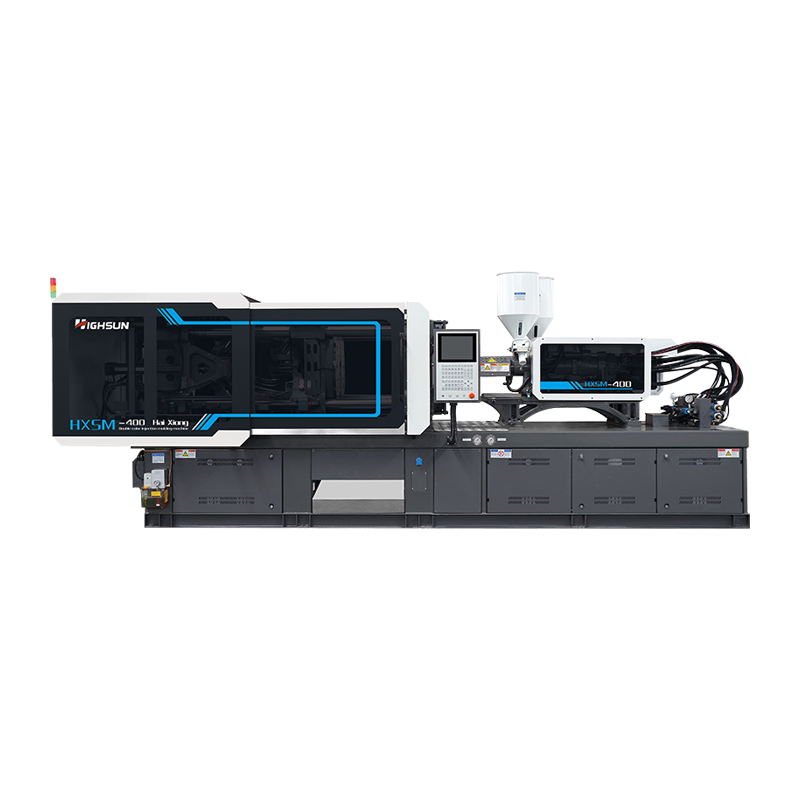
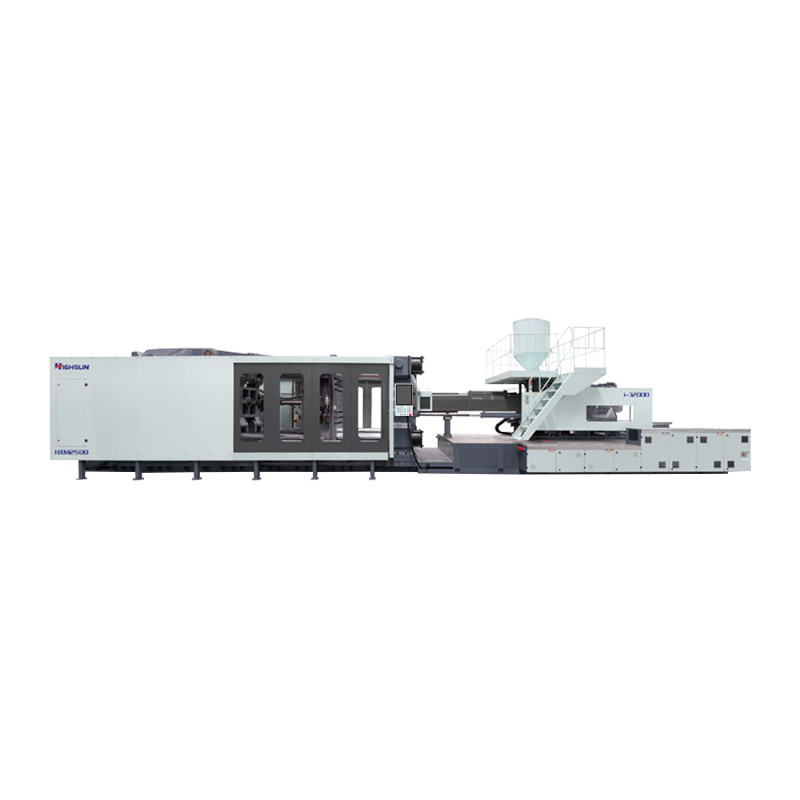
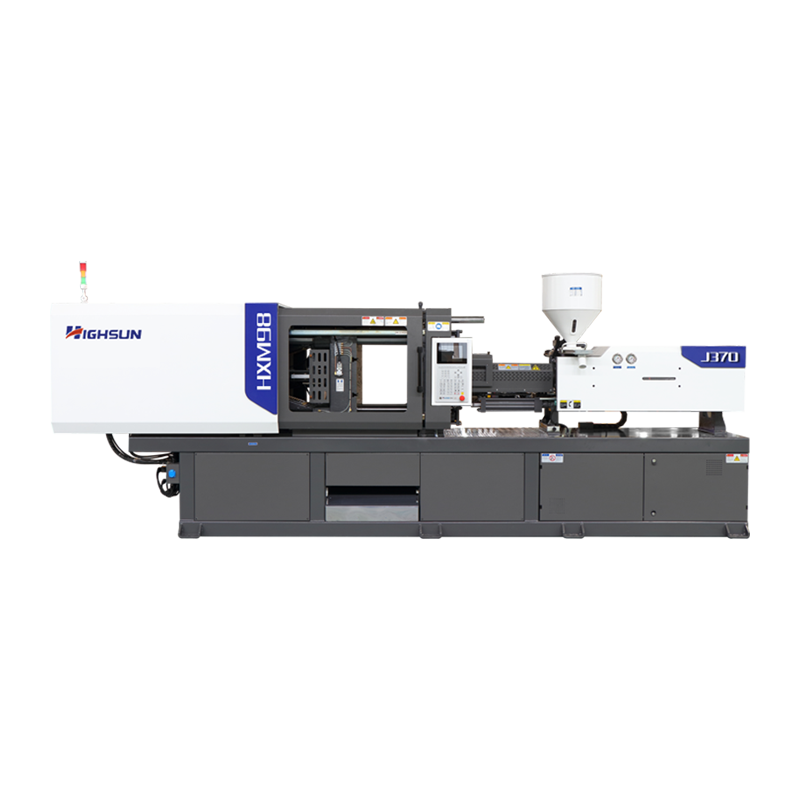
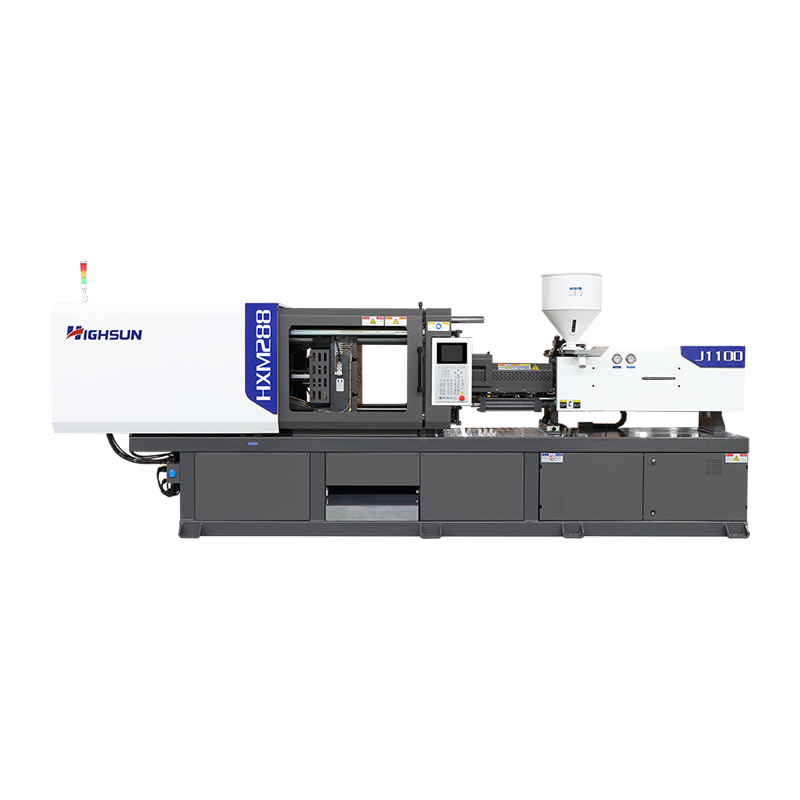
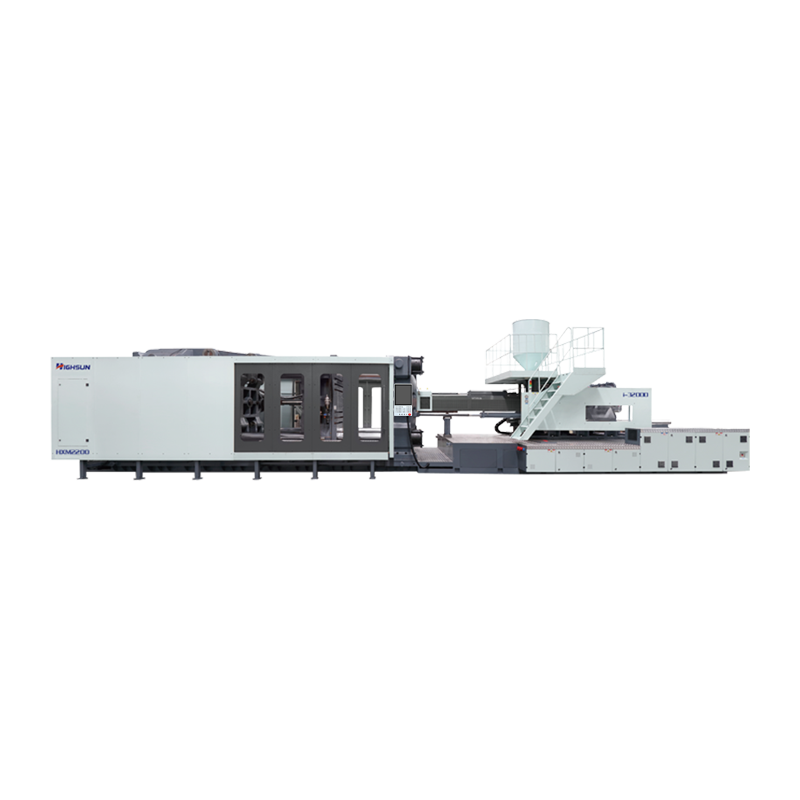
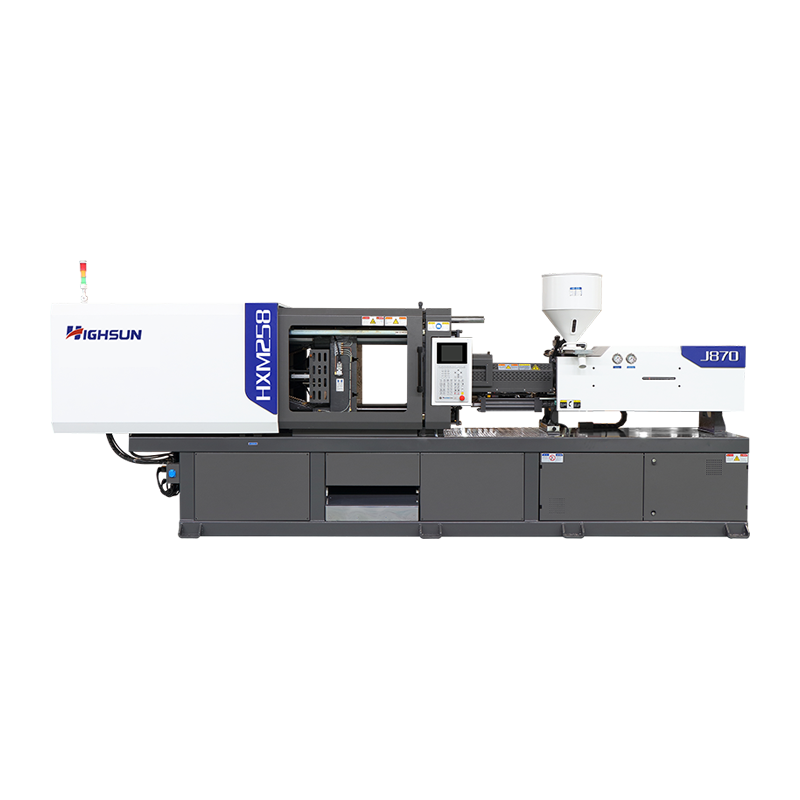
HIGHSUN MACHINERY is located in Beilun Science and Technology Park, Ningbo, Zhejiang Province — at the heart of China's plastic machine manufacturing hub. Specializing in the production and marketing of high-grade precision plastic injection molding machines under the HIGHSUN brand, the company has established itself as a professional China Two-Color Injection Molding Machine Manufacturer and Double-Color Injection Molding Machine Factory.
HIGHSUN has long been dedicated to delicacy management and zero-defect production principles. This commitment has shaped a characteristic product series that spans three complementary machine categories: small-tonnage hybrid machines for precision, space-constrained applications; medium-tonnage toggle machines for standard two-shot production environments; and large-tonnage two-platen machines for heavy-duty, large-format dual color injection molding projects.
Each machine in the HIGHSUN range is engineered to meet the demanding technical requirements of the two-shot injection molding process — from precise rotary platen positioning accuracy to independent dual injection unit control. Whether your application demands a compact vertical two shot molding machine for medical or electronics production, or a high-tonnage horizontal system for automotive interior trim, HIGHSUN's engineering team provides specification support and application-matched machine recommendations to ensure your multi-material injection molding project starts from a technically sound foundation.
 +86-188 6861 6288
 haixiong@highsun-machinery.com
 No.36 Yongjiang South Road, Beilun District. Ningbo City, 315800, China