 ENG
ENG  English
 русский
 Español
 Português
 عربى
عربى


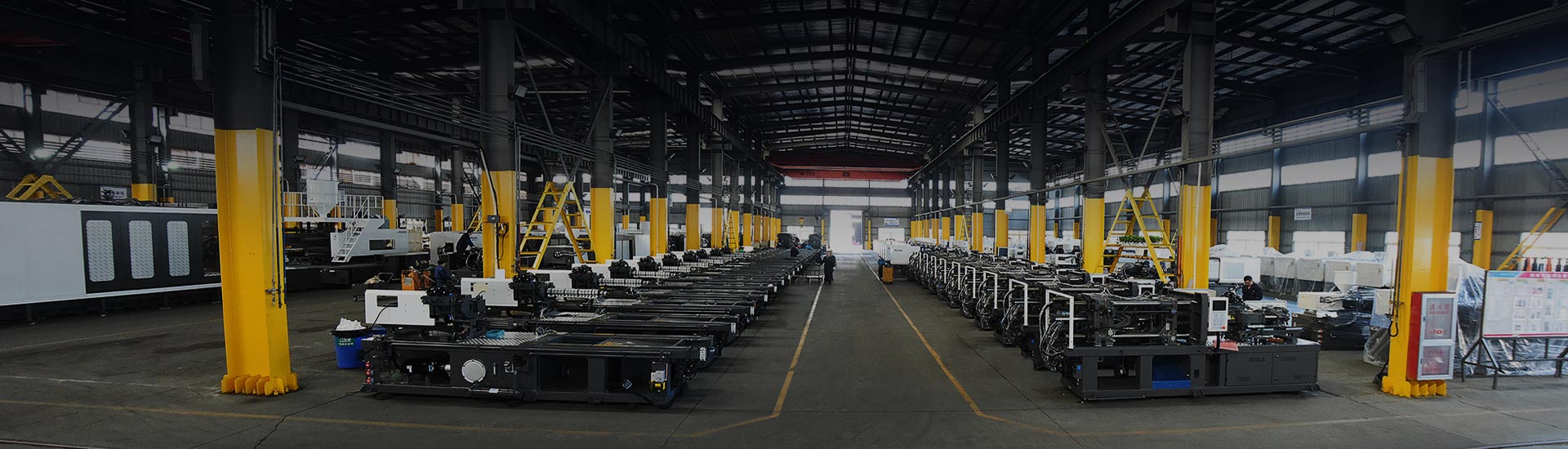
A double color injection molding machine reduces material waste by up to 20% primarily by eliminating secondary assembly steps, enabling precise shot-volume control, and integrating two materials in a single closed-mold cycle — cutting regrind rates, scrap volumes, and energy-intensive reprocessing. This is not a marginal improvement: across a typical production run of 500,000 parts per year, that translates to thousands of kilograms of raw material saved and measurable cost reductions in both material procurement and post-processing labor.
Below, we break down exactly how this works — from the engineering mechanisms to real-world efficiency data — so manufacturers can evaluate whether a two-color injection molding machine is the right investment for their operation.
Content
- 1 What Makes a Double Color Injection Molding Machine Different
- 2 The 5 Core Mechanisms Behind 20% Material Waste Reduction
- 3 Material Waste Comparison: Single-Shot vs. Two-Shot Process
- 4 Visualizing the Efficiency Gains
- 5 Which Industries Benefit Most from Two-Shot Plastic Molding
- 6 Key Machine Features That Enable Waste Reduction
- 7 How to Quantify Material Savings Before Investing
- 8 Cycle Time and Energy Efficiency: Supporting the Waste Story
- 9 About HIGHSUN MACHINERY
- 10 Frequently Asked Questions
What Makes a Double Color Injection Molding Machine Different
A standard single-shot machine injects one material per cycle. A dual-color injection machine uses two independent injection units mounted on a single machine base. The mold rotates or indexes between two injection stations within the same cycle, allowing the first shot to solidify partially before the second material bonds to it under heat and pressure.
This architecture eliminates the need for:
- Secondary molding operations on a separate machine
- Adhesive bonding or mechanical fastening of two separately molded parts
- Intermediate storage, transport, and handling between operations
- Quality inspection at each intermediate stage
Each of these eliminated steps is a point where material can be lost, damaged, or rejected. Removing them from the production chain is the foundation of how two-shot plastic molding achieves its waste reduction.
The 5 Core Mechanisms Behind 20% Material Waste Reduction
1. Closed-Loop Shot Volume Control
Modern double color injection molding machines use servo-driven injection units with real-time feedback on melt pressure, screw position, and fill rate. This enables shot weight accuracy within ±0.3–0.5%, compared to ±1.5–2% typical of older hydraulic machines. For a part requiring 45g of material per shot, that difference means a variance of 0.14g vs. 0.9g — significant when multiplied across millions of cycles.
Overshot material contributes directly to flash, which must be trimmed and either reground or discarded. Tighter shot control reduces flash-related scrap by an estimated 6–9% per production run.
2. Elimination of Inter-Process Scrap
When two components are molded separately and assembled manually or robotically, each part is a potential rejection point. Industry data indicates that combined inter-process scrap rates in two-step operations average 3–5%, including parts damaged during transfer, storage, or assembly misalignment.
Color overmolding equipment that performs both shots in one cycle eliminates this rejection window entirely, because the substrate and overmold are never separated until the finished part is ejected.
3. Runner and Gate Optimization
Two-color machines are commonly paired with hot runner systems for one or both injection channels. Hot runners eliminate the cold sprue and runner network that must be reground after every cycle. In multi-cavity tools, cold runners can account for 15–30% of total shot weight. Converting to a hot runner system on a two-color machine reduces this dead-weight material to near zero.
4. Reduced Regrind Contamination and Downgrading
In a two-step single-color process using two different materials, regrind from mixed or contaminated material is often unusable in either virgin stream — it must be sold as lower-grade material or landfilled. A dual-color injection machine manages both material streams separately in dedicated barrels. Regrind from each shot remains unmixed and can be reintroduced into its respective material stream at defined percentages (typically 15–25%) without property degradation.
5. Lower Purge Volume During Color and Material Changeovers
Because the two barrels on a two-color injection molding machine are dedicated to specific material types, material changeovers affect only the barrel being changed. On a single-barrel machine running two materials sequentially, full purge cycles are required each time — consuming 2–5 kg of purge compound per changeover depending on barrel size. Dedicated dual barrels cut this to one barrel's worth, saving material on every changeover.
Material Waste Comparison: Single-Shot vs. Two-Shot Process
| Waste Source | Single-Shot Two-Step Process | Two-Shot Molding (Double Color Machine) |
|---|---|---|
| Flash / Overshot Scrap | 3–5% | 0.5–1.5% |
| Inter-Process Transfer Rejects | 3–5% | 0% |
| Cold Runner / Sprue Waste | 15–30% of shot weight | Near 0% (hot runner) |
| Contaminated Regrind (Unusable) | 4–8% | 1–2% |
| Purge Material (per changeover) | 2–5 kg | 1–2.5 kg |
Visualizing the Efficiency Gains
The chart below illustrates estimated annual material savings when switching from a conventional two-step process to a two-color injection molding machine, based on a production volume of 500,000 parts per year using an average part weight of 80g.
Annual Material Waste Saved by Category (kg, 500K parts/year)
Flash / Overshot Scrap
~1,440 kg
Inter-Process Transfer Rejects
~1,360 kg
Cold Runner / Sprue Waste
~3,000 kg
Contaminated / Unusable Regrind
~880 kg
Purge Material Savings
~440 kg
Estimated values based on industry benchmarks; actual savings vary by part geometry, material, and tooling configuration.
Which Industries Benefit Most from Two-Shot Plastic Molding
While the waste reduction benefits apply broadly, certain sectors achieve the highest return on investment from two-shot plastic molding due to part complexity, material requirements, or production volumes:
- Automotive interiors: Soft-touch dashboard inserts, dual-density knobs, and backlit trim panels require seamless integration of rigid and elastomeric materials — a task where color overmolding equipment excels.
- Consumer electronics: Toothbrush handles, earphone housings, and remote controls with grippy overmolds are high-volume applications where per-unit material savings compound rapidly.
- Medical devices: Components requiring hard-substrate / soft-seal combinations, such as syringe plungers or inhaler bodies, benefit from the contamination-free single-cycle process.
- Packaging: Caps with dual-color indicators or ergonomic soft-touch lids manufactured via dual-color injection machines reduce downstream assembly labor and material loss simultaneously.
- Power tools: Grips and housings with integrated rubber zones are made in a single cycle, eliminating bonding steps and adhesive material costs entirely.
Key Machine Features That Enable Waste Reduction
Not every double color injection molding machine achieves the same efficiency. The following technical features are what differentiate high-performance machines from basic two-barrel configurations:
Servo-Hydraulic or All-Electric Drive Systems
Servo-driven injection axes provide precise position and pressure control, reducing both flash (from overpressure) and short shots (from underfill). All-electric two-shot machines can achieve injection repeatability of ±0.1%, which is critical for tight-tolerance components where material loss from rejects is expensive.
Rotary Platen or Index Table Mechanism
A dual-color injection machine with a rotating platen allows the mold to index precisely between the first and second injection stations while maintaining clamping force. Positioning accuracy of ±0.02mm is achievable on modern machines, which prevents mold damage and eliminates flash at the parting line — a major contributor to trimming-related material waste.
Independent Barrel Temperature Control
Each injection barrel on a two-color injection molding machine maintains its own thermal profile, independently optimized for its material. This prevents thermal degradation of heat-sensitive materials, reducing degraded-material scrap that would otherwise be discarded rather than reground.
Real-Time Process Monitoring and SPC Integration
High-end color overmolding equipment integrates statistical process control (SPC) to detect drift in injection parameters before out-of-spec parts are produced. Early detection eliminates the batch-level rejections that generate the largest single events of material waste in a production environment.
How to Quantify Material Savings Before Investing
Manufacturers considering a switch to two-shot plastic molding can estimate their specific material savings using the following framework:
- Calculate current annual scrap weight: (annual part volume) × (average part weight) × (current reject rate)
- Add runner/sprue weight discarded per year: (cycles per year) × (runner weight per shot)
- Add estimated contaminated regrind disposed: typically 4–8% of total material consumed
- Add purge compound consumed across all changeovers annually
- Sum these figures and apply a 15–22% reduction factor based on the machine capabilities and tooling configuration
For many mid-volume applications (250,000–1M parts/year), the material savings alone can offset a significant portion of tooling upgrade costs within 18–30 months, independent of the productivity gains from cycle time reduction.
Cycle Time and Energy Efficiency: Supporting the Waste Story
Material waste and energy waste are interconnected in injection molding. When a double color injection molding machine replaces two separate machines, it also consolidates energy consumption. Two machines running independently — each with its own hydraulic power unit, barrel heating zones, cooling circuits, and control systems — consume significantly more total energy than a single integrated two-color machine.
Studies comparing equivalent production output find that consolidated two-shot operations consume 18–25% less energy per part than equivalent two-step processes. Lower energy consumption also means reduced thermal degradation of material in the barrel, which improves melt quality and further reduces the rate of burned or degraded-material rejects.
Energy Consumption per 10,000 Parts: Two-Step vs. Two-Shot
~420 kWh
Two-Step
Process
Process
~330 kWh
Two-Color
Machine
Machine
Estimated values. Actual consumption varies by machine tonnage, material, and cycle time.
About HIGHSUN MACHINERY
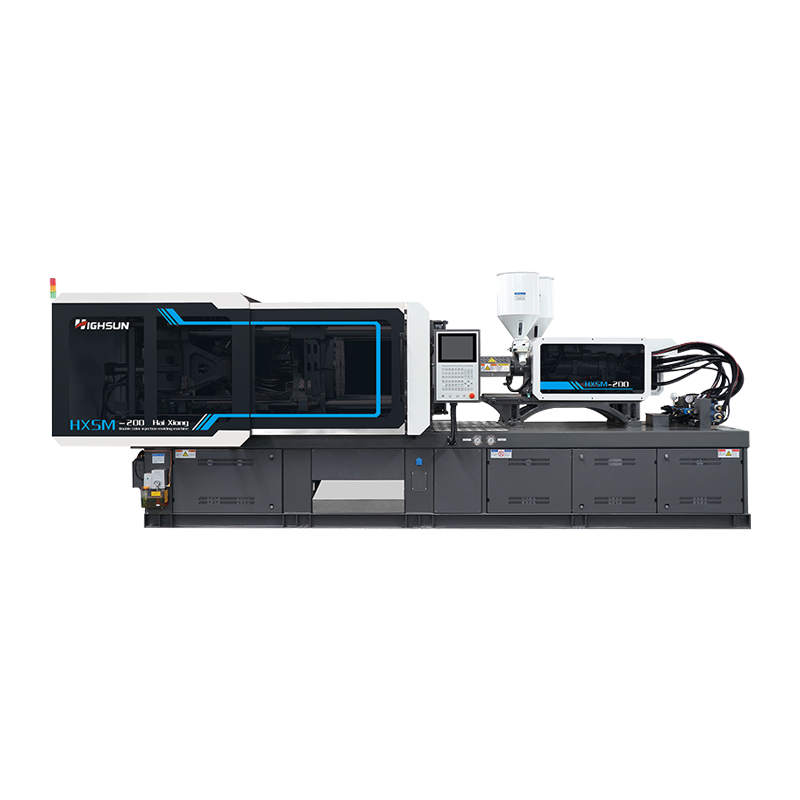
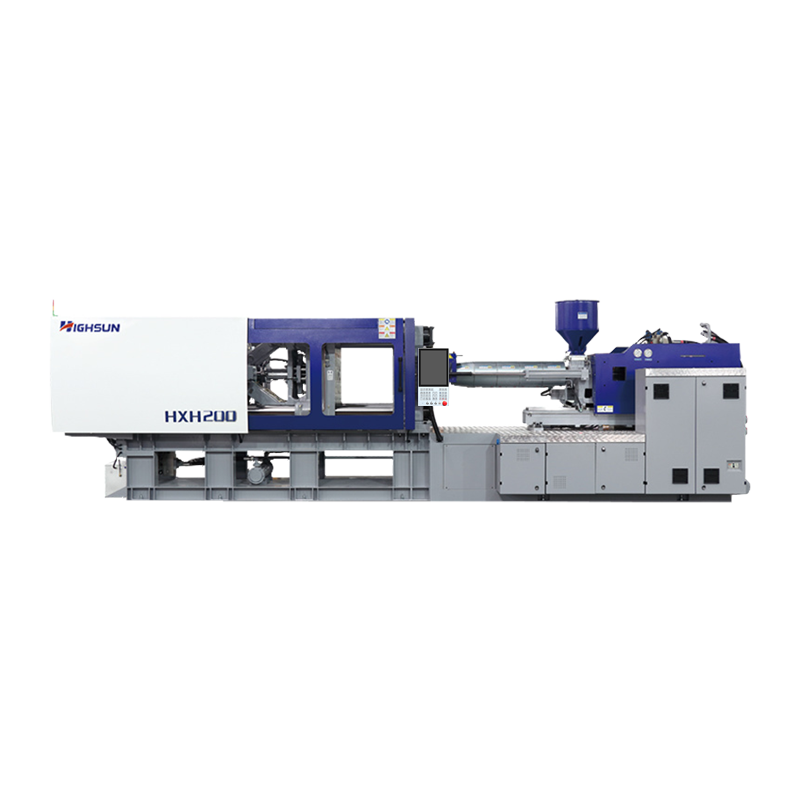
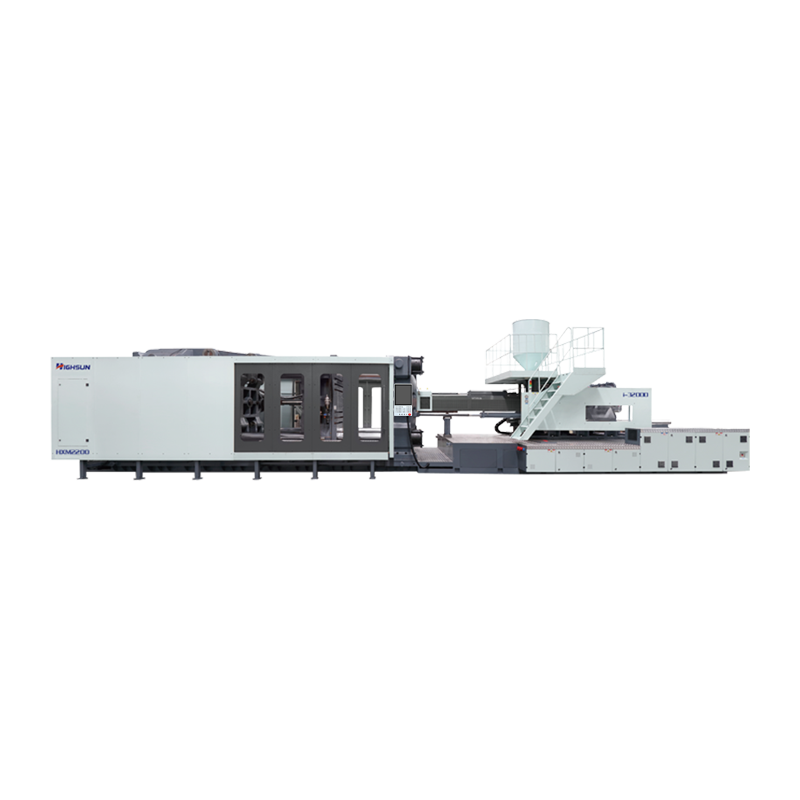
HIGHSUN MACHINERY is located in Beilun Science and Technology Park, Ningbo, Zhejiang Province — widely recognized as the capital city of plastic machines in China. We specialize in producing and marketing high-grade precision plastic injection molding machines under the HIGHSUN brand.
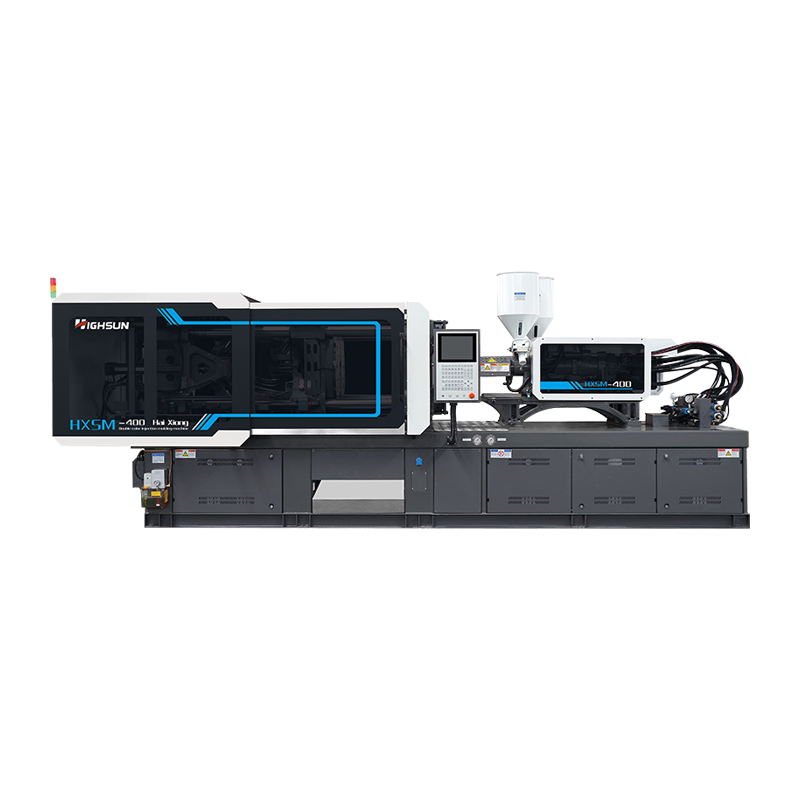
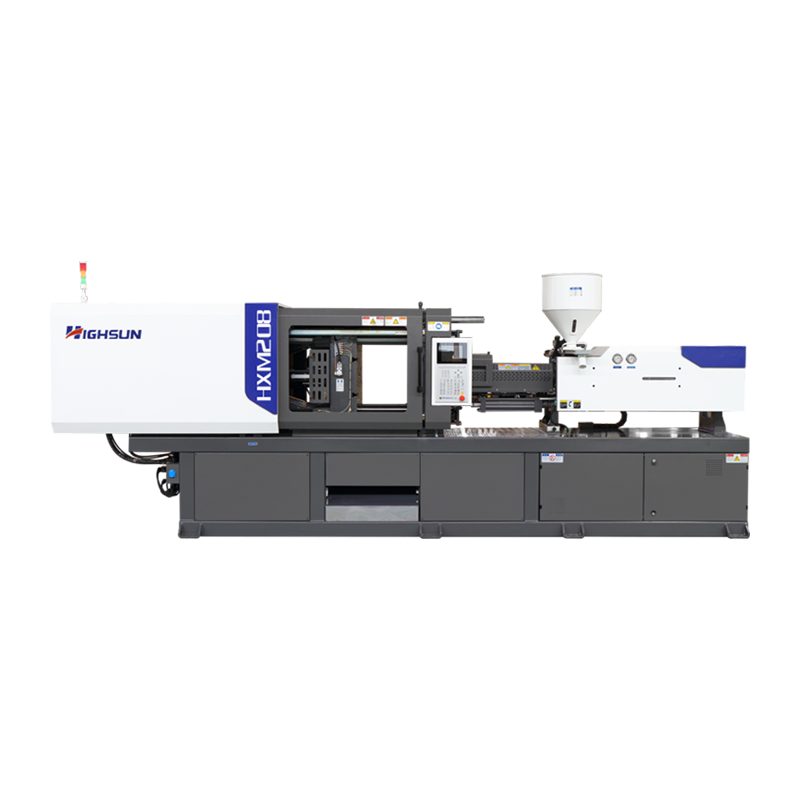
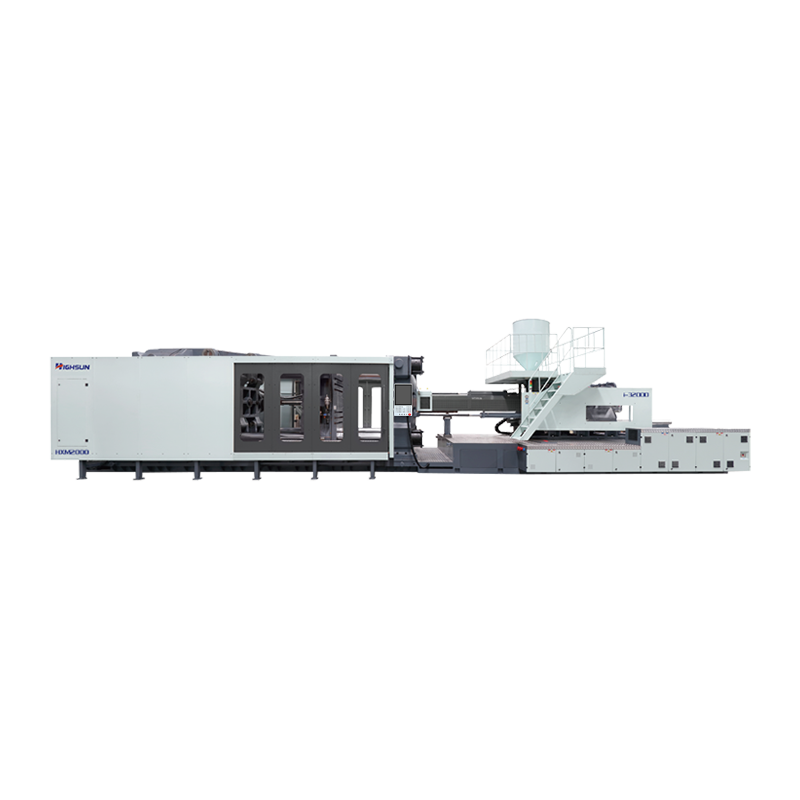
As a professional China Two-Color Injection Molding Machine Manufacturer and Double-Color Injection Molding Machine Factory, HIGHSUN has long been dedicated to precision management and zero-defect production. Our product range has formed a characteristic series represented by small-tonnage hybrid machines, medium-tonnage toggle machines, and large-tonnage two-platen machines.
Our two-color injection molding machines serve as innovative composite molding engines — enabling one-piece molding of complex products and seamless combination of soft and hard materials. From automotive interiors to consumer electronics, HIGHSUN equipment delivers repeatable precision with built-in efficiency that supports sustainable manufacturing goals.
 +86-188 6861 6288
 haixiong@highsun-machinery.com
 No.36 Yongjiang South Road, Beilun District. Ningbo City, 315800, China