 ENG
ENG  English
 русский
 Español
 Português
 عربى
عربى


Content
- 1 Quick Answer: What Injection Molding Machines Do
- 2 How Injection Molding Machines Work
- 3 Main Types of Injection Molding Machines
- 4 Hydraulic vs Electric Injection Molding Machine Comparison
- 5 Key Components and Parts of an Injection Molding Machine
- 6 How to Determine the Right Clamping Force for Your Product
- 7 Choosing the Right Injection Molding Machine for Your Production
- 8 Common Applications Across Industries
- 9 About Ningbo Highsun Plastic Machinery Co., Ltd.
- 10 Frequently Asked Questions
Quick Answer: What Injection Molding Machines Do
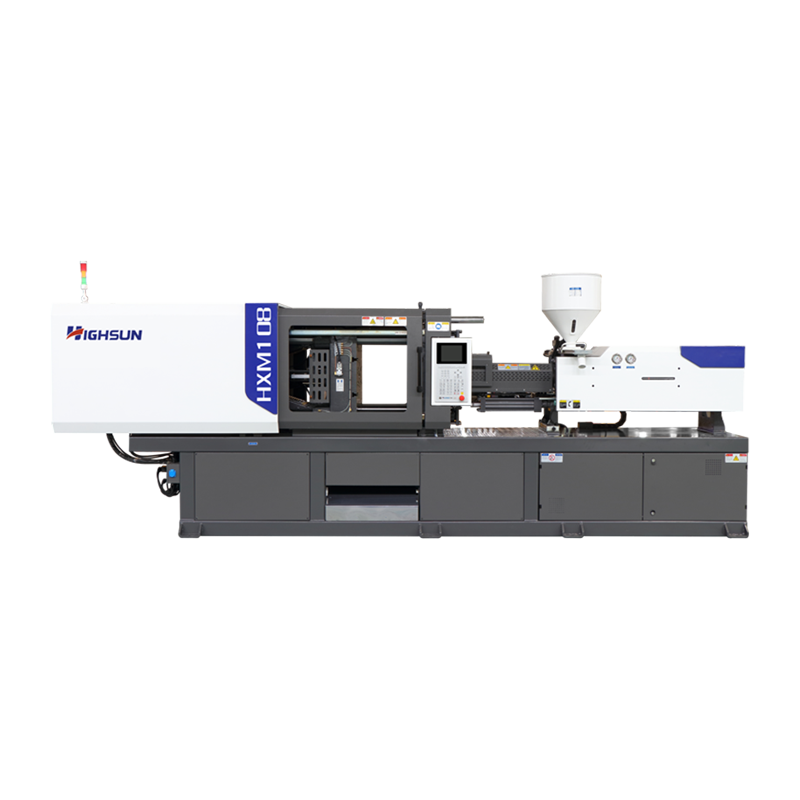
Injection Molding Machines convert raw plastic material into finished parts by heating it into a molten state, injecting it into a mold cavity under pressure, cooling it, and ejecting the completed component. They are used across industries ranging from automotive and packaging to household products and electronics, and machine type, clamping force, and control system all influence the precision and efficiency of the final part. The sections below explain how these machines work, the main types available, and the factors that determine which configuration suits a given production line.
Understanding the working principle and machine categories helps buyers, engineers, and production planners communicate more clearly with a supplier when comparing plastic injection molding equipment.
How Injection Molding Machines Work
Every injection molding machine follows a repeatable cycle made up of distinct stages. Plastic pellets are fed into a heated barrel where a rotating screw melts and mixes the material. The molten plastic is then injected into a closed mold cavity under controlled pressure, held briefly to allow the material to fill every section of the mold, cooled until it solidifies, and finally ejected as a finished part before the cycle repeats.
The Five Core Stages of the Molding Cycle
- Plasticizing: plastic pellets are melted inside the heated barrel
- Injection: molten material is pushed into the mold cavity under pressure
- Holding pressure: pressure is maintained to compensate for material shrinkage
- Cooling: the part solidifies inside the mold to the required shape
- Mold opening and ejection: the finished part is released from the mold
Relative Time Share of Each Molding Cycle Stage
Conceptual comparison of relative duration across a typical molding cycle.
Main Types of Injection Molding Machines
There are several categories of plastic injection molding machines, and each is built around a different drive system and structural design. Selecting the right category depends on the required precision, production speed, energy consumption, and the type of part being produced.
| Machine Type | Drive System | Notable Strength |
| Hydraulic Machine | Hydraulic oil pressure | Strong and stable clamping force |
| Electric Machine | Servo motor driven | High precision and lower energy use |
| Hybrid Machine | Combined hydraulic and electric | Balance of speed and efficiency |
| Vertical Machine | Vertical clamping unit | Suited for insert molding applications |
Beyond these general categories, many manufacturers also offer specialized configurations such as two platen machines, high speed series, and multi color series, each engineered for a specific production requirement rather than general purpose use.
Hydraulic vs Electric Injection Molding Machine Comparison
One of the most common questions when comparing injection moulding machines involves the difference between hydraulic and electric drive systems. Hydraulic machines are known for strong and stable output suited to larger or heavier parts, while electric machines are known for higher precision, faster response, and lower energy consumption during operation. Hybrid machines attempt to combine strengths from both systems.
General Strength Comparison of Drive Systems
Blue shape represents electric machines, purple shape represents hydraulic machines, based on general industry characteristics.
Key Components and Parts of an Injection Molding Machine
Understanding the main injection molding machine components makes it easier to communicate technical requirements with a supplier. While configurations vary between machine types, most share the same core structural groups.
- Injection unit including barrel, screw, and nozzle for melting and injecting material
- Clamping unit that holds the mold closed during injection and cooling
- Mold or injection mold machine tooling that shapes the final part
- Control system that manages temperature, pressure, and cycle timing
- Hydraulic or servo drive system depending on machine type
- Ejection system that releases the finished part from the mold
Buyers researching parts of injection molding machine setups should also confirm mold compatibility, since the mold injection machine interface, cavity design, and cooling channel layout all directly affect part quality and cycle time.
How to Determine the Right Clamping Force for Your Product
Clamping force, commonly expressed in tonnage, determines how much pressure a machine can apply to keep the mold closed during injection. Selecting the correct tonnage depends on the projected area of the molded part, the type of plastic material, and the complexity of the mold design. Choosing a tonnage that is too low can lead to flash or incomplete filling, while an oversized machine can increase energy consumption without added benefit.
General Relationship Between Part Size and Required Clamping Force
Conceptual illustration showing how clamping force needs generally increase with part size and mold complexity.
Choosing the Right Injection Molding Machine for Your Production
Selecting a suitable machine involves reviewing several production variables together rather than focusing on a single specification. A production planner should review the following before finalizing a machine configuration.
| Factor | Why It Matters |
| Product size and wall thickness | Affects required clamping force and cooling time |
| Plastic material type | Determines barrel temperature and screw design |
| Mold structure | Influences cycle time and cavity filling behavior |
| Required production volume | Determines whether automation is needed |
| Precision requirements | May favor electric or hybrid drive systems |
A professional supplier of plastic injection molding equipment can help match these variables to a suitable machine series and clamping force range, reducing the risk of selecting equipment that does not fit the intended application.
Common Applications Across Industries
Injection molding machines support production across a wide range of industries, and machine configuration often shifts depending on the target application. The chart below shows general usage patterns across common industry categories.
General Usage Pattern of Injection Molding Machines by Industry
Illustrative comparison of relative production volume across common application categories.
About Ningbo Highsun Plastic Machinery Co., Ltd.
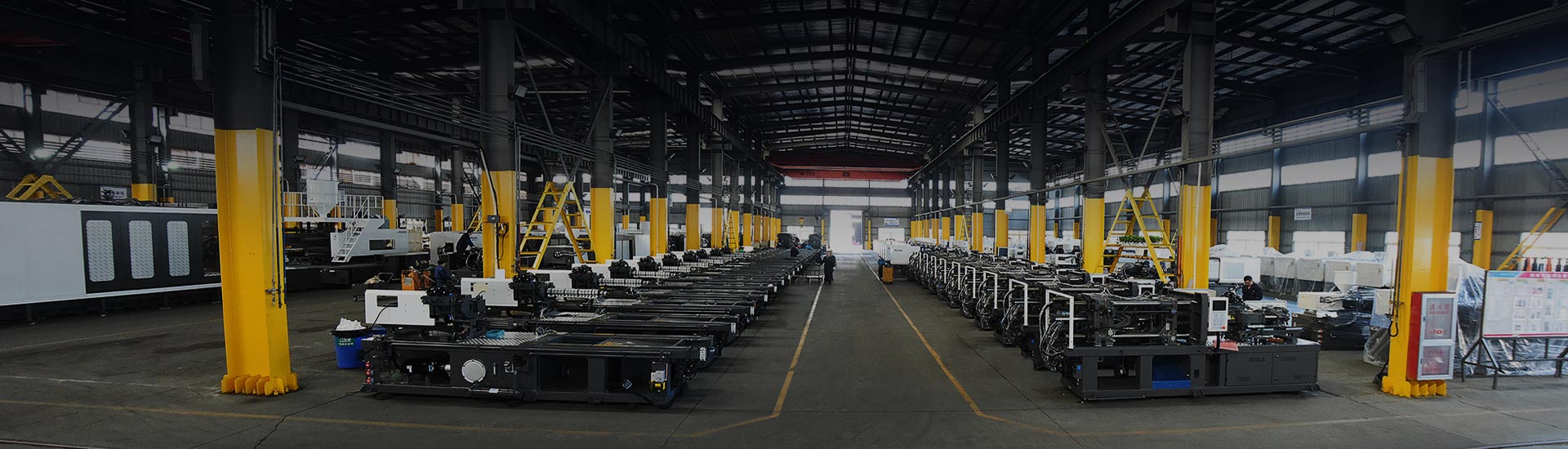
Ningbo Highsun Plastic Machinery Co., Ltd. is located in Beilun Science and Technology Park in Ningbo, an area widely referred to as the capital of plastics machinery in China. The factory covers an area of more than 120000 square meters and focuses on the production of HIGHSUN brand injection molding machines.
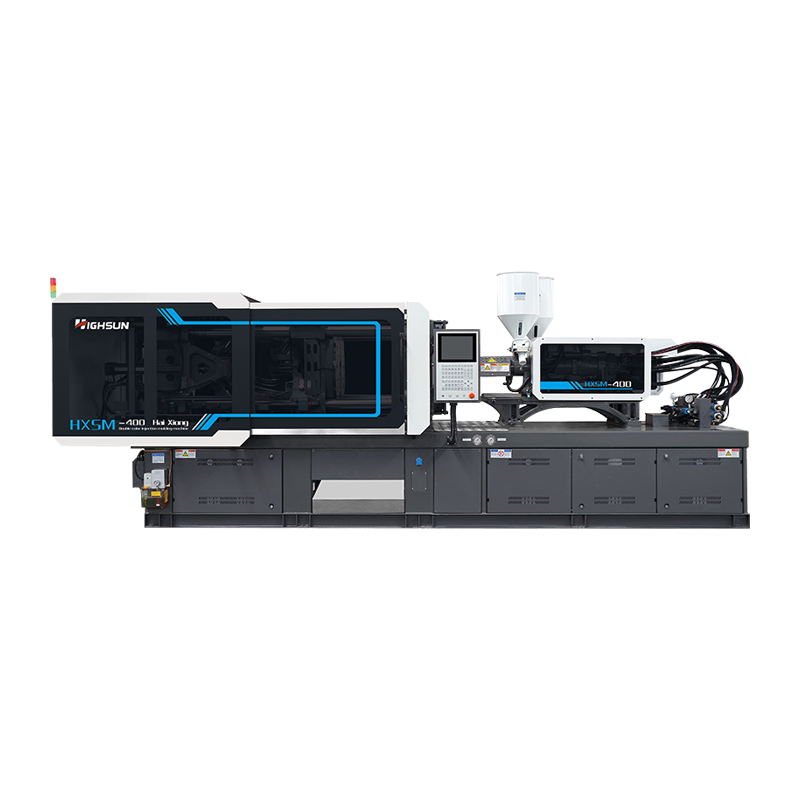
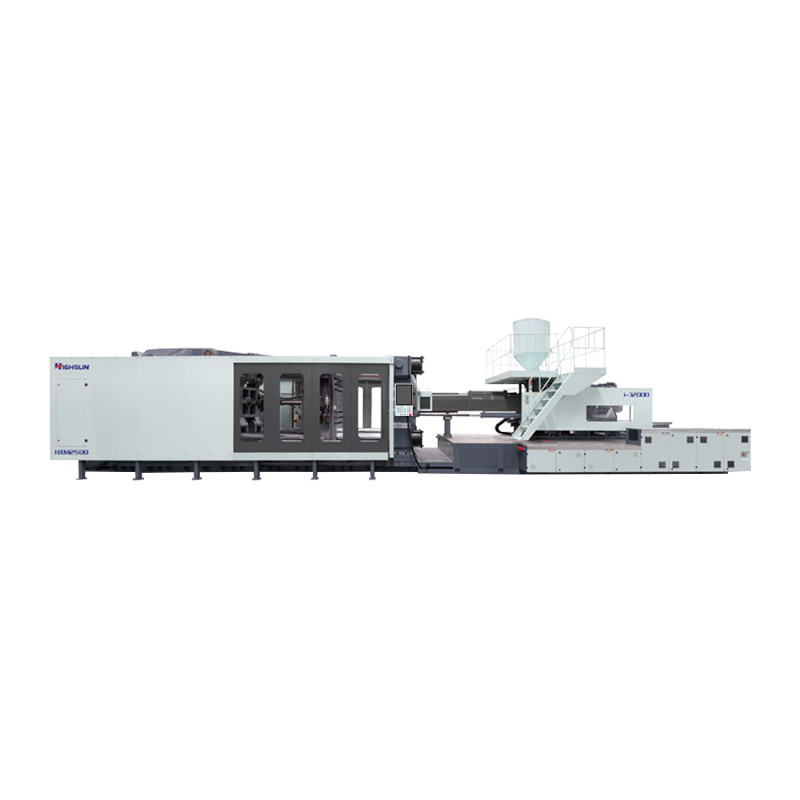
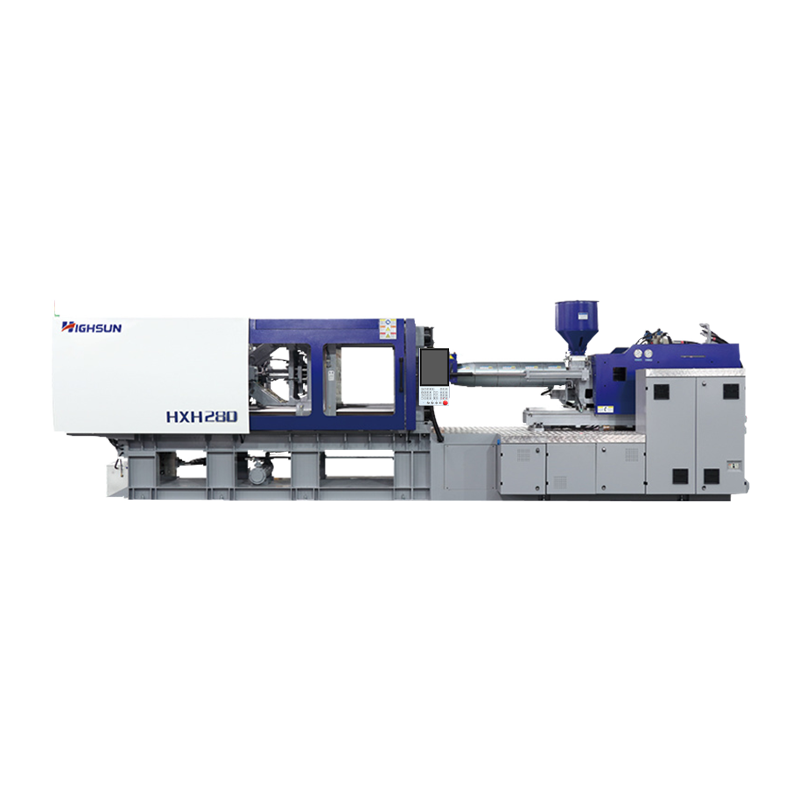
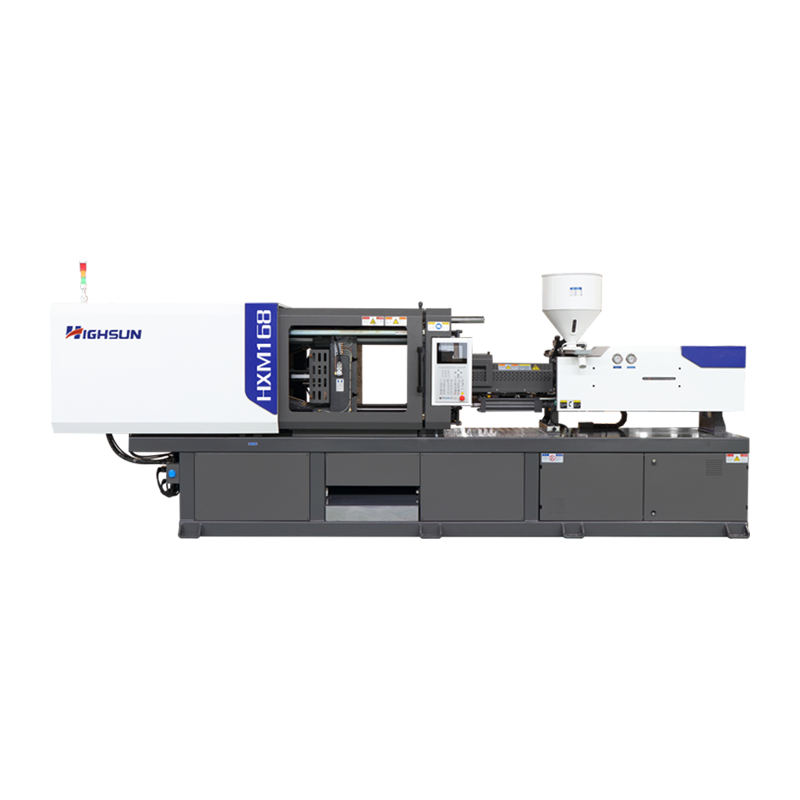
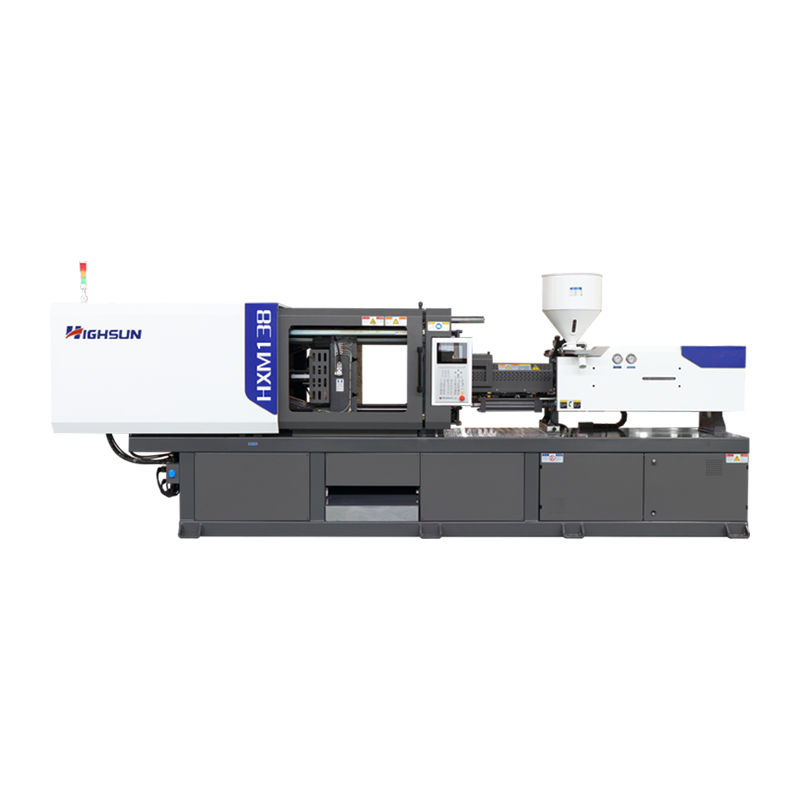
Supported by nearly two decades of development and the accumulated experience of the parent company, HIGHSUN Machinery has grown into a recognized manufacturer of plastics molding machine equipment in the Ningbo region, offering a complete range of series including electric and oil hybrid, two platen, high speed, single and mixed double color, BMC, PET, and PVC configurations, spanning a clamping force range from 98 tons to 3000 tons.
1973
The parent company was established, beginning decades of manufacturing experience.
2004
The HX trademark was registered as production capability continued to expand.
2011
A new industrial park covering 1.2 million square feet was completed.
2013
The HIGHSUN trademark was registered and a hybrid high performance machine for light guide plate and electronic accessories was developed.
2015
Mass production of the HXH high speed series began, alongside expansion into international markets.
2017
Regional offices expanded further, supporting growing demand across Europe and the Americas.
Guided by a customer centered approach, the company continues developing molding machines plastic processors rely on for stable, repeatable production, while also accepting customized configurations for specific application needs.
Frequently Asked Questions
Q1. How to choose the right injection molding machine for your production
Choosing the right machine depends on product size, plastic material, mold structure, required injection volume, production capacity, and automation requirements. A professional supplier can help recommend a suitable machine type and clamping force for your application.
Q2. What is the difference between hydraulic and electric injection molding machines
Hydraulic machines are known for strong and stable performance, while electric machines offer higher precision, faster response, lower energy consumption, and cleaner operation. The suitable choice depends on production requirements and target industry.
Q3. How is the cost of an injection molding machine determined
Cost depends on factors such as machine type, clamping force, injection unit size, automation level, and customization requirements. Long term production efficiency and energy consumption are worth considering alongside the initial investment.
Q4. What tonnage injection molding machine do I need
Required tonnage depends on the projected area of the molded part, material type, and mold design. Selecting the correct clamping force helps ensure product quality, reduce defects, and support machine longevity.
Q5. What are the main types of injection molding machines
Common types include hydraulic, electric, hybrid, and vertical injection molding machines. Each type offers different advantages depending on precision, production speed, energy efficiency, and application requirements.
Q6. How does an injection molding machine work
The machine heats plastic material into a molten state, injects it into a mold cavity under pressure, cools it, and ejects the finished part. The cycle includes plasticizing, injection, holding pressure, cooling, and mold opening.
 +86-188 6861 6288
 haixiong@highsun-machinery.com
 No.36 Yongjiang South Road, Beilun District. Ningbo City, 315800, China