 ENG
ENG  English
 русский
 Español
 Português
 عربى
عربى


Content
- 1 What Is a Plastic Injection Machine?
- 2 How Does a Plastic Injection Molding Machine Work?
- 3 Types of Plastic Molding Machines Available Today
- 4 Key Components Inside a Plastics Injection Molding Machine
- 5 Understanding Clamping Force in Molding Machines
- 6 Injection Molding Cycle Time Explained
- 7 Common Applications of Injection Molding Presses Across Industries
- 8 How to Choose an Injection Molding Machine for Your Production Needs
- 9 Servo Injection Molding Machines vs Hydraulic Injection Molding Machines
- 10 About Ningbo Highsun Plastic Machinery Co., Ltd.
- 11 Frequently Asked Questions About Plastic Injection Molding Machines
- 11.1 Q1. How does an injection molding machine work?
- 11.2 Q2. What are the different types of injection molding machines?
- 11.3 Q3. What is the injection molding process?
- 11.4 Q4. How do I choose an injection molding machine?
- 11.5 Q5. What size injection molding machine do I need?
- 11.6 Q6. What is injection molding machine clamping force?
- 11.7 Q7. How many tons of injection molding machine do I need?
- 11.8 Q8. What is injection molding cycle time?
- 11.9 Q9. What is injection pressure in injection molding?
What Is a Plastic Injection Machine?
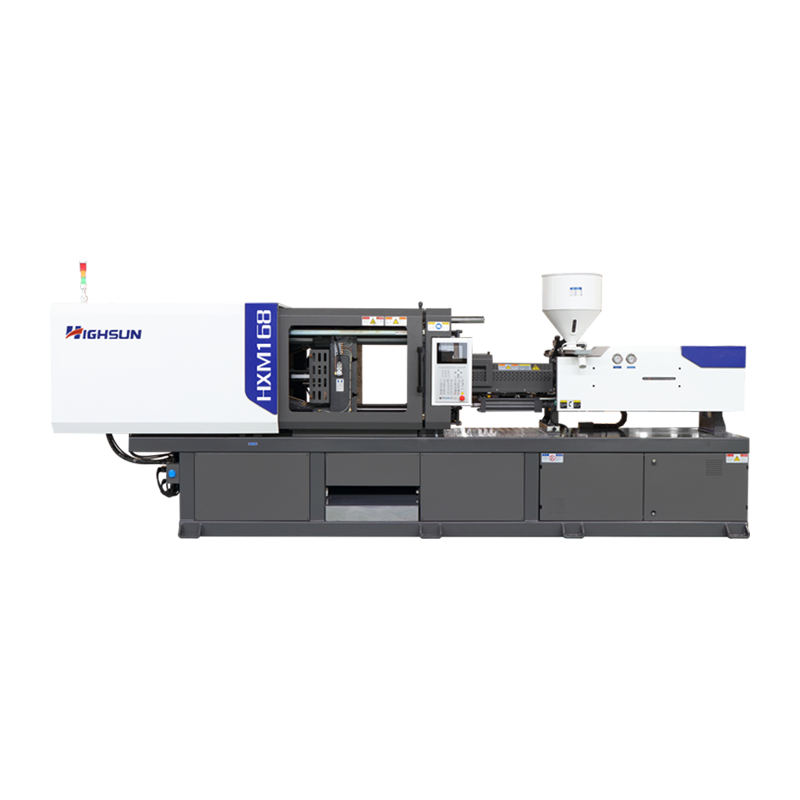
A plastic injection machine is industrial production equipment that heats solid plastic resin into a molten state and then forces that melted material into a closed steel mold under controlled pressure, where it cools and solidifies into a finished part within seconds to a couple of minutes. This equipment category is more formally known as an injection molding machine, and it sits at the center of modern molding plastic machinery used across automotive, packaging, electronics, household appliance, and consumer goods production lines.
The basic job of any plastic molding machine is to turn raw resin pellets into a repeatable, dimensionally consistent part, cycle after cycle, without changing tooling between batches. A single mold mounted in the clamping unit can produce thousands of nearly identical parts, which is one reason injection molding remains a primary production method for high volume plastic components across so many industries.
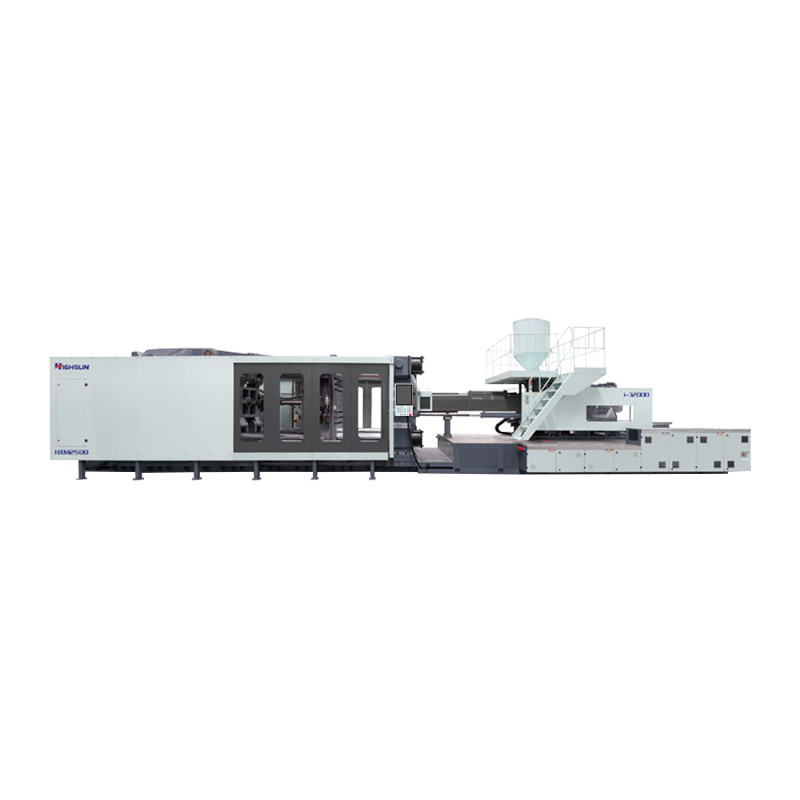
Machines in this category are commonly sized by clamping force, expressed in tons, and by shot size, which describes how much molten plastic the injection unit can deliver in a single cycle. Clamping force on common plastic injection machine models can range from under 100 tons for small precision items such as connectors and caps up to 3000 tons for large parts such as pallets, bins, and automotive body panels.
| 98T - 3000TClamping Force Range | 8+Series Categories | 10s - 90sTypical Cycle Time |
How Does a Plastic Injection Molding Machine Work?
Every injection molding presses cycle follows the same four stage sequence, whether the machine is a small precision unit or a heavy tonnage press built for large industrial parts. Understanding each stage helps explain why cycle time, clamping force, and part quality are so closely linked.
Clamping Stage
The clamping unit closes and locks the two halves of the mold together, applying enough force to keep the mold shut against the pressure of the plastic that is about to be injected. This is the stage where clamping force, discussed in detail further below, becomes the deciding factor in how large or thick a part the machine can handle.
Injection Stage
A rotating screw inside the heated barrel melts solid resin pellets and pushes the molten plastic through a nozzle into the mold cavity. Injection pressure and injection speed are tuned to the material and part geometry so that the cavity fills evenly before the plastic begins to cool.
Cooling Stage
Once the cavity is full, the mold continues to hold the part while heat is drawn out through cooling channels inside the mold. Cooling is typically the longest single stage of the cycle, and wall thickness has a direct effect on how long it takes, a relationship shown in the cycle time chart later in this article.
Ejection Stage
After the part has cooled enough to hold its shape, the clamping unit opens and ejector pins push the finished part out of the mold. The machine then resets and the sequence repeats for the next shot.
Types of Plastic Molding Machines Available Today
Manufacturers of molding machine plastic equipment generally group machines by how the clamping and injection units are driven. The four categories below cover most of what is used in production settings today, and many machine lines also branch into specialized series such as two platen designs, high speed lines, and dual color systems built for parts that combine two materials in a single shot.
| Machine Type | Drive Mechanism | Typical Advantage | Common Use Case |
|---|---|---|---|
| Hydraulic Injection Molding Machines | Oil driven hydraulic pump and cylinders | High raw force output | Large structural and industrial parts |
| Servo Injection Molding Machines | Servo motor driven hydraulic system | Lower energy draw with precise control | Precision parts and stable repeat production |
| Electricity and Oil Hybrid Machines | Combined electric and hydraulic drive | Balance of force and energy efficiency | Mid size parts across mixed production lines |
| Two Platen Machines | Simplified two plate clamping structure | Compact footprint for high tonnage | Large mold, large tonnage applications |
Key Components Inside a Plastics Injection Molding Machine
Regardless of drive type, a machine plastic molding line depends on has the same core building blocks working together. Knowing what each part does makes it easier to read a machine specification sheet and compare models before committing to a production layout.
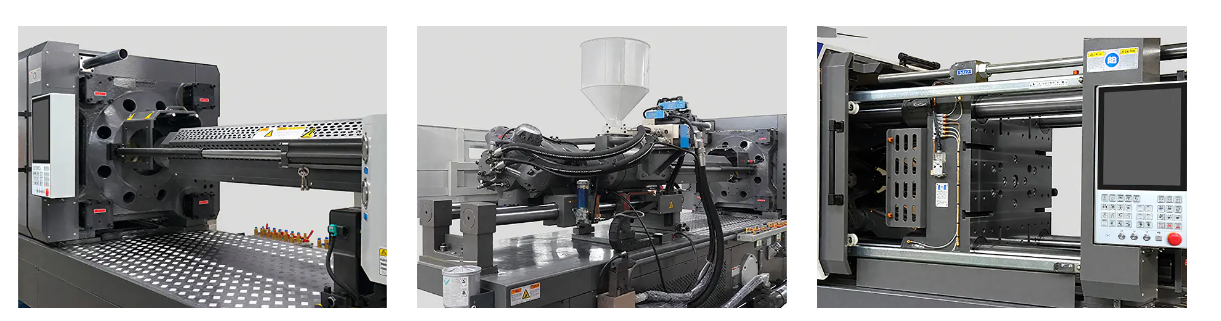
- Injection unit: hopper, heated barrel, and screw that melt resin pellets and push molten plastic into the mold.
- Clamping unit: platens, tie bars, and a toggle or hydraulic mechanism that hold the mold closed during injection.
- Mold: the tooling that shapes the part, mounted between the fixed and moving platens.
- Control system: the operator panel and controller that manage temperature, pressure, speed, and timing for every stage.
- Drive system: the hydraulic pump, servo motor, or electric motor that powers clamping and injection movement.
- Cooling system: water or oil channels, inside the mold and around the barrel, that remove heat during the cycle.
- Ejector system: pins or plates that push the finished part free from the mold once it has cooled.
Precision injection molding machining tolerances depend heavily on how well these systems are matched to the part, which is why component selection matters as much as overall machine tonnage.
Understanding Clamping Force in Molding Machines
Clamping force is the amount of force a machine applies to hold the two mold halves shut while molten plastic is injected under pressure. If clamping force is too low for a given part, the mold can crack open slightly during injection, letting thin plastic leak out along the parting line, a defect commonly known as flash.
Clamping force is usually measured in tons and is closely tied to the projected surface area of the part being molded, along with the injection pressure the material requires. Larger, flatter parts typically need more clamping force than small, deep walled parts of similar volume.
As the chart shows, common plastic molding machine ranges scale from under 300 tons for compact machines used on small parts, up through the 1600 to 3000 ton range reserved for extra large components such as pallets, large bins, and body panels.
Injection Molding Cycle Time Explained
Cycle time is the total time needed to complete one full clamping, injection, cooling, and ejection sequence. It is one of the main figures used to estimate how many parts a machine can produce in a shift.
Cooling usually accounts for the largest single share of cycle time, and wall thickness is the biggest driver of how long cooling takes, since heat has to travel further out of a thicker section before the part is rigid enough to eject.
A thin walled part around 1mm may cool and eject in well under 20 seconds, while a part with 5mm walls can take well over a minute to reach the same point, even on an otherwise identical machine.
Common Applications of Injection Molding Presses Across Industries
Plastic injection machine output shows up in more places than most people realize, from the housing on a household appliance to the interior trim of a car. The chart below gives a general reference view of where injection molding presses see the heaviest use, based on common industry practice rather than a single formal survey.
Automotive and Transportation
Bumpers, interior trim panels, dashboards, and under hood housings are frequently produced on higher tonnage plastic molding machine lines because of large part sizes and demanding dimensional requirements.
Packaging and Consumer Goods
Caps, closures, thin wall containers, and household items are typically run on faster cycling machines, often servo driven, where output volume matters as much as part precision.
Electronics and Appliances
Enclosures, connectors, and internal brackets call for tight tolerances, which is where servo injection molding machines and hybrid systems tend to be favored for their repeatable control.
How to Choose an Injection Molding Machine for Your Production Needs
Selecting the right plastic injection machine starts with the part, not the machine catalog. A few core factors typically decide which machine class fits a given job.
| Selection Criterion | What To Consider | Machine Feature to Match |
|---|---|---|
| Part Size and Shot Weight | Overall dimensions and plastic volume needed per shot | Injection unit shot capacity and barrel size |
| Material Type | Melt temperature and flow behavior of the resin | Barrel temperature range and screw design |
| Precision Requirement | Tolerance level and repeatability needed part to part | Servo or hybrid drive for finer control |
| Production Volume | Expected output per shift or per month | Cycle speed and clamping unit response time |
As a rough starting point, tonnage requirement is often estimated by multiplying the projected area of the part by a pressure factor tied to the material, then adding margin for part complexity. Working through this calculation with a machine builder before finalizing tooling helps avoid choosing a press that is undersized or unnecessarily oversized for the job.
Servo Injection Molding Machines vs Hydraulic Injection Molding Machines
Both machine types complete the same four stage cycle described earlier, but the way they deliver clamping and injection force differs enough to affect energy use, precision, and noise on the shop floor.
Where Hydraulic Injection Molding Machines Lead
Hydraulic systems generally deliver strong raw clamping force at a lower structural complexity, which is why heavy tonnage presses used for large structural parts are still commonly hydraulic or hybrid rather than fully electric.
Where Servo Injection Molding Machines Lead
Servo driven systems adjust motor speed to match the exact power needed at each stage of the cycle rather than running a pump continuously, which typically lowers energy draw and reduces operating noise, while also improving repeatability for precision parts.
About Ningbo Highsun Plastic Machinery Co., Ltd.
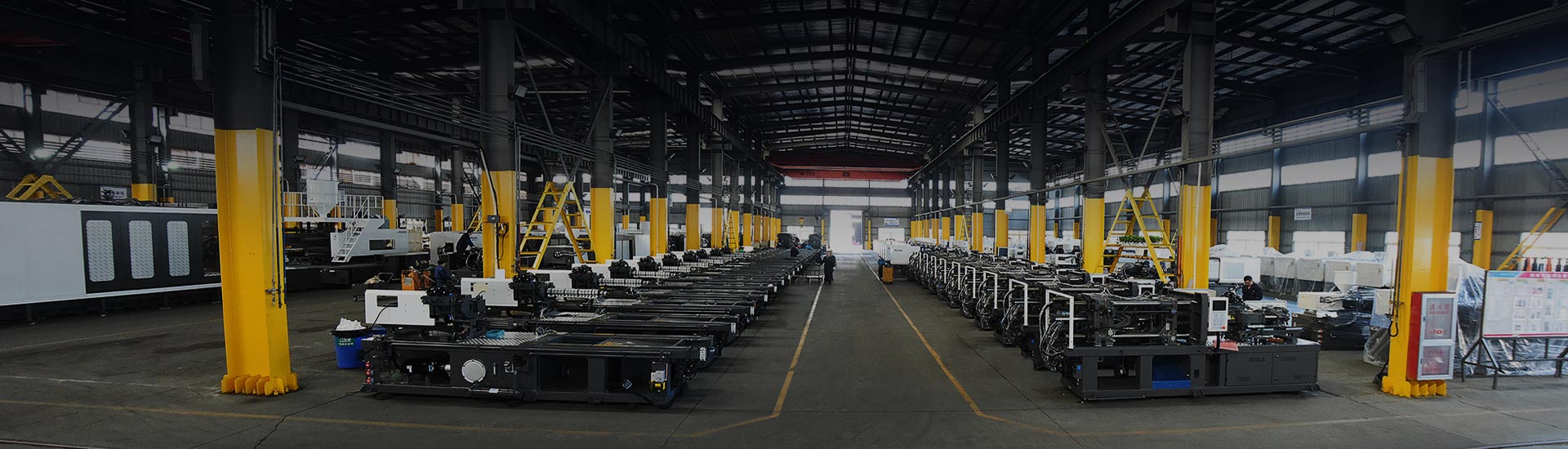
Ningbo Highsun Plastic Machinery Co., Ltd. is based in Beilun Science and Technology Park in Ningbo, an area widely known within the industry as a center for plastics machinery production. The factory covers more than 120000 square meters and is dedicated to producing HIGHSUN brand injection molding machines.
Built on close to 20 years of focused development and drawing on more than 50 years of manufacturing experience carried forward from its parent company, HIGHSUN Machinery has grown into a top 3 plastic injection molding machine producer within Ningbo and one of the top 10 plastic molding machine manufacturers in China. Refined process management and consistent manufacturing targets remain the operational focus across every product line.
The current product range spans electricity and oil hybrid series, two platen series, high speed series, unmixed double color series, mixed double color series, BMC series, PET series, and PVC series, covering clamping force from 98 tons to 3000 tons. Customized configurations are also available for production needs that fall outside a standard series.
Highsun operates around a customer centered philosophy, summarized internally as pursuing excellence and molding perfection, with the broader aim of building a leading high performance injection molding machine brand.
Frequently Asked Questions About Plastic Injection Molding Machines
Q1. How does an injection molding machine work?It heats plastic resin until it melts, injects the molten plastic into a closed mold under pressure, holds the mold shut while the part cools, then opens the mold and ejects the finished part. |
Q2. What are the different types of injection molding machines?The main categories are hydraulic, servo, electricity and oil hybrid, and two platen machines, along with specialized series such as high speed and dual color systems. |
Q3. What is the injection molding process?It is a four stage cycle covering clamping, injection, cooling, and ejection, repeated for every part produced. |
Q4. How do I choose an injection molding machine?Start with part size and shot weight, the plastic material being used, the precision the part requires, and expected production volume. |
Q5. What size injection molding machine do I need?Machine size is typically expressed in clamping force tonnage, calculated from the projected area of the part and the injection pressure the material requires. |
Q6. What is injection molding machine clamping force?Clamping force is the force the machine applies to keep the mold closed while molten plastic is injected, usually measured in tons. |
Q7. How many tons of injection molding machine do I need?It depends on part size and material, but common plastic injection machine models range from under 100 tons for small parts up to 3000 tons for large components. |
Q8. What is injection molding cycle time?Cycle time is the total time for one complete clamping, injection, cooling, and ejection sequence, and it is the main figure used to estimate output per shift. |
Q9. What is injection pressure in injection molding?Injection pressure is the pressure applied to push molten plastic through the nozzle and into the mold cavity, tuned to the material and part geometry so the cavity fills evenly. |
|
 +86-188 6861 6288
 haixiong@highsun-machinery.com
 No.36 Yongjiang South Road, Beilun District. Ningbo City, 315800, China