 ENG
ENG  English
 русский
 Español
 Português
 عربى
عربى


Content
- 1 Choosing a Plastic Injection Molding Machine Comes Down to Tonnage, Type, and Material Fit
- 2 How an Injection Molding Machine Works and What Its Main Parts Do
- 3 Main Types of Plastic Injection Molding Machinery on the Market
- 4 Selecting the Right Tonnage Injection Molding Machine for a Part
- 5 Material Compatibility for Plastic Injection Molding Machines
- 6 Comparing Injection Molding Machine Types Across Performance Factors
- 7 Wall Thickness and Cooling Time in the Molding Cycle
- 8 Industries That Rely on Plastic Injection Molding Machines
- 9 Machine Lifespan and Maintenance Practices for Injection Molding Equipment
- 10 Manufacturing Background Behind Plastic Injection Molding Machine Production
- 11 Frequently Asked Questions About Plastic Injection Molding Machines
Choosing a Plastic Injection Molding Machine Comes Down to Tonnage, Type, and Material Fit
The right plastic injection molding machine is the one whose clamping force matches the projected part size, whose injection unit can deliver the correct shot volume for the mold, and whose drive type, hydraulic, hybrid, or all-electric, fits the precision and cycle time the job calls for. As a starting reference, small precision parts under roughly 100 grams typically run on machines rated between 50 and 130 tons of clamping force, mid-size consumer and automotive components generally fall between 130 and 500 tons, larger automotive or industrial parts often need 500 to 1300 tons, and oversized parts such as pallets or large containers can call for machines rated up to 3000 tons or more.
Beyond tonnage, material compatibility, mold complexity, and the level of automation on the production line all shape which plastic injection molding machinery is the practical choice. The sections below walk through machine types, component functions, tonnage selection, material considerations, and maintenance practices in more detail, supported by reference charts for each factor.
How an Injection Molding Machine Works and What Its Main Parts Do
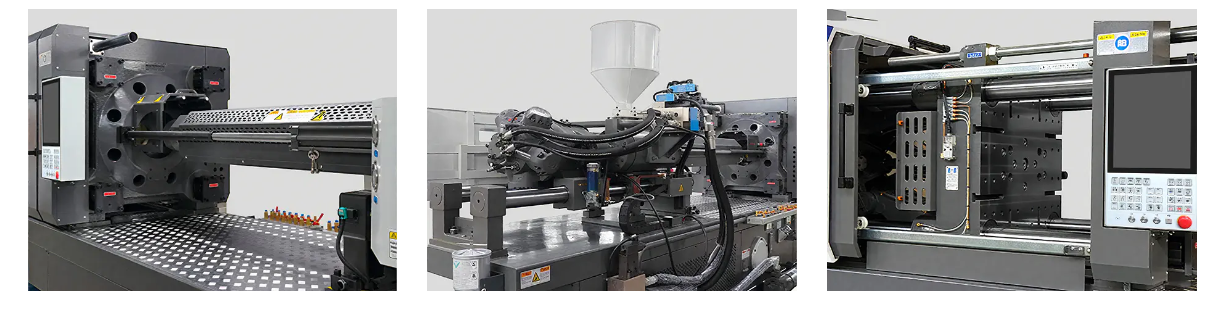
An injection molding machine forms plastic parts by heating raw resin pellets until they melt, then forcing the melt into a closed mold cavity under pressure, holding that pressure while the part cools, and finally opening the mold to eject the finished piece. This cycle repeats continuously during production, with cycle time varying based on part geometry, wall thickness, and material.
Core Components of an Injection Molding Machine
| Component | Function |
|---|---|
| Injection unit | Melts resin pellets and injects the molten material into the mold cavity under controlled pressure |
| Clamping unit | Holds the two mold halves closed against injection pressure and opens the mold for part ejection |
| Mold | Shapes the molten plastic into the finished part geometry and manages cooling channels |
| Hydraulic or servo system | Supplies the power that drives clamping, injection, and ejection motion throughout the cycle |
| Controller | Manages process parameters such as injection speed, pressure, temperature, and cycle timing |
Main Types of Plastic Injection Molding Machinery on the Market
Buyers comparing an injection molding press or a plastic injection moulder for the first time usually run into four broad drive categories, each suited to a different balance of energy use, precision, and production speed.
Hydraulic, Hybrid, All-Electric, and Two-Platen Machine Types
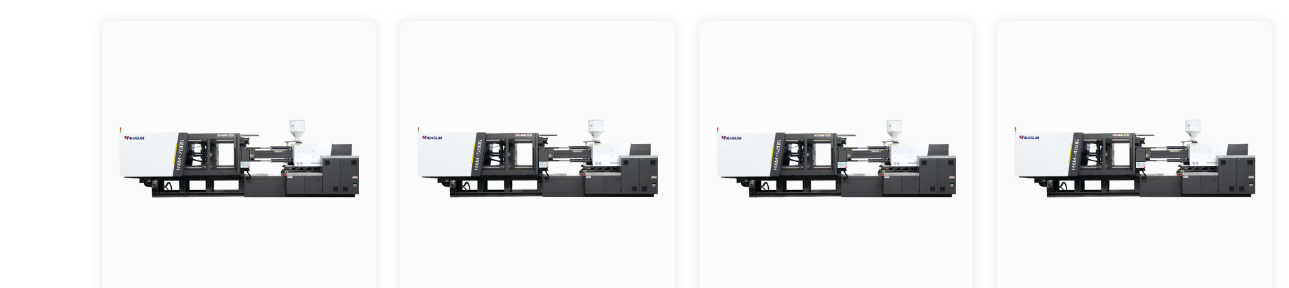
- Hydraulic machines use oil-driven cylinders for clamping and injection, a proven design found across a wide range of molding equipment and generally the most cost accessible option for standard production.
- Electricity and oil hybrid machines pair servo-driven pumps with a conventional hydraulic circuit, cutting energy use compared with a fully hydraulic plastic molding machine while keeping familiar maintenance procedures.
- All-electric machines replace hydraulic drives with servo motors on every axis, offering the tightest repeatability and the lowest energy draw among common injection mold equipment categories.
- Two-platen machines remove the traditional tie-bar clamping frame in favor of a two-plate design, which suits large mold plastic mold injection machines where floor space and big tonnage handling matter most.
Specialized configurations also exist within these categories, including high-speed series for thin-wall packaging, unmixed and mixed double color series for two-material parts, and dedicated PET, PVC, and BMC series built around a specific resin or process.
Selecting the Right Tonnage Injection Molding Machine for a Part
Clamping force needs to be high enough to hold the mold shut against the projected pressure inside the cavity during injection, with a reasonable safety margin built in. Undersizing tonnage risks flash at the parting line, while oversizing adds unnecessary machine footprint and energy draw for a part that never needed that much clamping force.
Injection unit capacity, meaning barrel diameter and screw stroke, should be checked alongside tonnage rather than in isolation. A machine matched on clamping force but paired with an undersized injection unit can still struggle to fill a large or thick-walled part completely within the intended cycle time.
Material Compatibility for Plastic Injection Molding Machines
Most resins run on the same basic machine architecture, but drying requirements, melt temperature, and shrinkage rate all shift the process settings that a plastic injection mold machine needs to hold consistently.
| Material | Typical Use | Processing Note |
|---|---|---|
| PP | Containers, caps, household goods | Low moisture sensitivity, good flow characteristics |
| PE | Packaging, caps, flexible components | Low shrinkage variability, easy processing window |
| ABS | Housings, automotive trim, electronics enclosures | Needs pre-drying, moderate shrinkage |
| PVC | Fittings, profiles, cable components | Requires careful temperature control to avoid degradation |
| PA | Automotive and mechanical parts needing strength | Highly moisture sensitive, needs thorough drying |
| PC | Optical parts, transparent covers, impact resistant parts | Needs pre-drying and precise temperature control |
| PET | Packaging containers and bottles | Sensitive to moisture, needs dedicated drying equipment |
| TPU | Flexible seals, gaskets, soft-touch parts | Moisture sensitive, needs gentle screw and barrel settings |
Comparing Injection Molding Machine Types Across Performance Factors
No single drive type wins on every metric, which is why matching the machine to the actual production goal matters more than picking whichever option sounds most advanced.
Two-platen designs deserve a specific note here: their real advantage shows up in large mold handling and floor space efficiency at high tonnage, which the general ratings above only partly capture, so a shop running consistently large parts should weigh that factor alongside the chart.
Wall Thickness and Cooling Time in the Molding Cycle
Cooling time typically makes up a large share of total cycle time on a plastic injection molding press, and it grows faster than wall thickness does, since heat has to travel further through thicker sections before the part is rigid enough to eject cleanly.
Because the relationship is not a straight line, a modest increase in wall thickness can add a disproportionate amount of cycle time, which is one reason part designers work closely with mold engineers to keep wall sections as uniform and as thin as the application allows.
Industries That Rely on Plastic Injection Molding Machines
Injection molding machinery shows up across nearly every sector that needs consistent, repeatable plastic parts at volume.
- Automotive interior and exterior trim, connectors, and structural components.
- Medical devices and disposable components requiring tight dimensional consistency.
- Packaging including caps, closures, and thin-wall containers.
- Electronics housings, connectors, and internal structural parts.
- Consumer goods ranging from household items to personal care packaging.
- Home appliances including housings, internal brackets, and control panel parts.
Machine Lifespan and Maintenance Practices for Injection Molding Equipment
A plastic injection molding machine that receives consistent maintenance can remain in productive service for many years, though the exact figure depends heavily on run hours, material type, and how well hydraulic fluid, filters, and wear components are managed over time.
- Check hydraulic oil condition and filter status on a set schedule, since contaminated fluid accelerates wear on seals and valves.
- Inspect the barrel, screw, and check ring periodically for wear, particularly when processing glass-filled or otherwise abrasive materials.
- Verify tie bar and platen alignment during scheduled service, since misalignment can accelerate mold and machine wear over time.
- Test safety interlocks and control system responses regularly as part of routine upkeep.
- Keep drying equipment for moisture sensitive resins such as PA, PC, and PET in good working order, since damp material is a common cause of part defects that gets mistaken for a machine problem.
Manufacturing Background Behind Plastic Injection Molding Machine Production
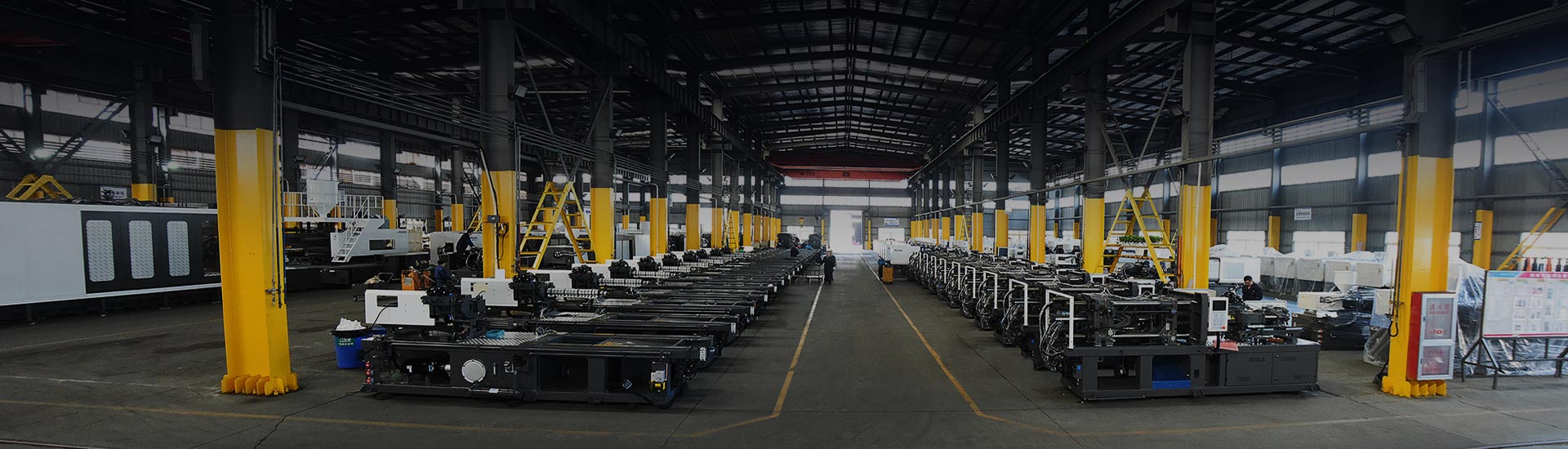
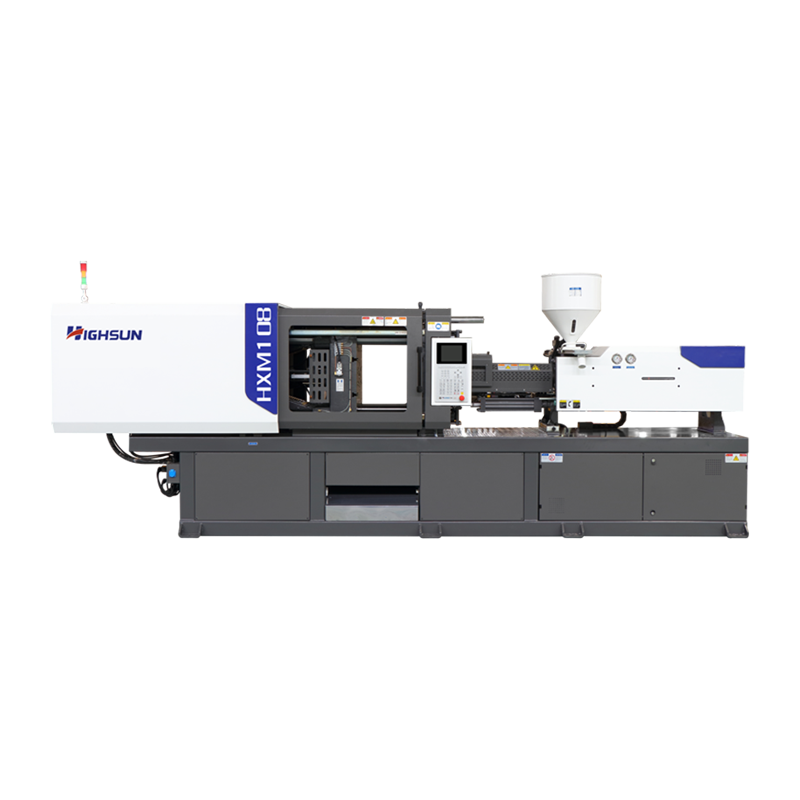
Ningbo Highsun Plastic Machinery Co., Ltd operates from a facility covering more than 120000 square meters in the Beilun Science and Technology Park area of Ningbo, China, a region long associated with plastics machinery production. The company focuses on producing its own branded line of injection molding machines, drawing on close to two decades of dedicated development alongside a longer history of experience within its parent group.
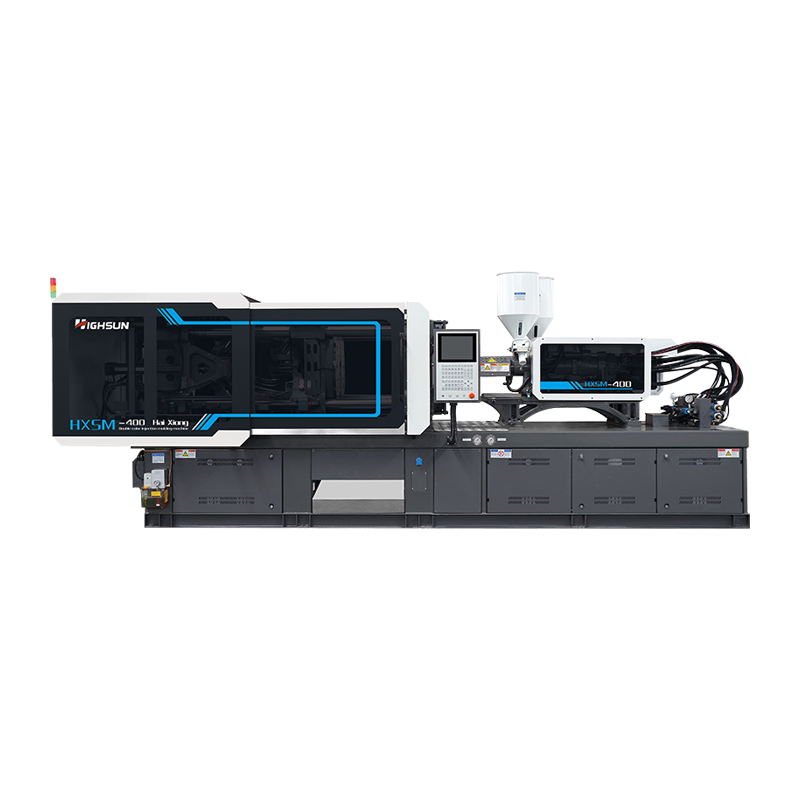
The product range spans electricity and oil hybrid series, two-platen series, high-speed series, unmixed and mixed double color series, BMC series, and dedicated PET and PVC series, covering a clamping force range from 98 tons up to 3000 tons. Customized configurations are also available for production needs that fall outside a standard catalog specification, supporting buyers looking for plastic injection molding tools tailored to a specific part or process.
Frequently Asked Questions About Plastic Injection Molding Machines
|
Q1: What Is a Plastic Injection Molding Machine It is a manufacturing machine that melts plastic resin and injects it under pressure into a mold cavity to produce parts with a repeatable shape and dimensional consistency. |
Q2: How Does an Injection Molding Machine Work Resin is melted in a heated barrel, injected into a closed mold under pressure, held while it cools and solidifies, then ejected once the mold opens for the next cycle. |
|
Q3: What Are the Main Components of an Injection Molding Machine The core components are the injection unit, clamping unit, mold, hydraulic or servo system, and controller, each responsible for a distinct part of the molding cycle. |
Q4: What Industries Use Injection Molding Machines Common industries include automotive, medical, packaging, electronics, consumer goods, and home appliances. |
|
Q5: What Materials Can Be Used in Injection Molding Machines Typical resins include PP, PE, ABS, PVC, PA, PC, PET, and TPU, each with its own drying and temperature handling requirements. |
Q6: How Do I Choose the Right Injection Molding Machine Start with the part size and clamping tonnage it requires, then match injection unit capacity, drive type, and automation level to the material and production volume planned. |
|
Q7: What Tonnage Injection Molding Machine Do I Need Tonnage depends on projected part area and cavity pressure, with small precision parts often falling in the 50 to 130 ton range and large parts reaching into the hundreds or low thousands of tons. |
Q8: How Much Does an Injection Molding Machine Cost Cost varies widely based on tonnage, drive type, automation features, and customization, so requesting a quote based on the exact specification is the most reliable way to get an accurate figure. |
|
Q9: How Long Does an Injection Molding Machine Last Service life varies with usage intensity and maintenance quality, but a well maintained machine can remain productive for a long operating period measured in years of continuous use. |
Q10: How Often Should an Injection Molding Machine Be Maintained Daily checks of oil levels and safety functions paired with periodic scheduled service for filters, seals, and wear components is the general practice most operations follow. |
 +86-188 6861 6288
 haixiong@highsun-machinery.com
 No.36 Yongjiang South Road, Beilun District. Ningbo City, 315800, China