 ENG
ENG  English
 русский
 Español
 Português
 عربى
عربى


Content
- 1 The Direct Answer Before You Read Any Further
- 2 Question One: How Many Cavities Match Your Real Output Target
- 3 Question Two: Toggle, Hybrid, or Two Platen, Which Clamping System Fits
- 4 Question Three: What Injection Unit Capacity Matches Your Preform Weight Range
- 5 Question Four: How Is Resin Moisture and Crystallization Controlled Before Melting
- 6 Question Five: What Automation Level Comes Standard With the Machine
- 7 Question Six: How Much Energy Does the Machine Use Per Cycle
- 8 Question Seven: How Quickly Can Molds Be Changed Between Cavity Configurations
- 9 Question Eight: What Technical Support Structure Exists After Delivery
- 10 Question Nine: Does the Supplier Provide a Complete Turnkey Production Line
- 11 Question Ten: What In Process Quality Checks Run During Production
- 12 Working With a PET Preform Machine Factory Versus a Trading Supplier
- 13 Frequently Asked Questions
- 13.1 What is a PET preform injection molding machine
- 13.2 How does a PET preform machine work
- 13.3 What machine is used to make PET bottle preforms
- 13.4 How do I choose the right machine for my bottle production
- 13.5 How many cavities should I choose
- 13.6 What preform weight range can one machine handle
- 13.7 How long does a typical production cycle take
- 13.8 Can the same machine produce different neck finish types
- 13.9 What maintenance does a PET preform machine need
- 13.10 How do I select a reliable PET preform machine manufacturer
The Direct Answer Before You Read Any Further
A PET Preform Injection Molding Machine purchase decision comes down to ten practical checkpoints: cavity count matched to real order volume, clamping system type, injection unit capacity for the target preform weight, resin drying and crystallization handling, automation level, energy consumption per cycle, mold changeover speed, after sales technical support structure, turnkey production line capability, and in process quality control. Buyers who confirm these ten points before placing an order avoid the two most common regrets reported across this industry: a machine that cannot reach the promised output rate, and a machine that a factory floor team struggles to run without constant outside intervention. The sections below walk through each checkpoint with reference data, comparison tables, and charts drawn from common configurations used across PET preform production.
- How many cavities match your real output target
- Which clamping system, toggle, hybrid, or two platen, fits your tonnage need
- What injection unit capacity matches your preform weight range
- How resin moisture and crystallization are controlled before melting
- What automation level comes standard with the machine
- How much energy the machine consumes per production cycle
- How quickly molds can be changed between cavity configurations
- What technical support structure exists after delivery
- Whether the supplier can provide a complete turnkey production line
- What in process quality checks run during production
Question One: How Many Cavities Match Your Real Output Target
Cavity count is the first number most buyers ask about, yet it is also the number most often chosen for the wrong reason. A plant that needs 40000 preforms per shift does not automatically need the highest cavity count on a spec sheet; it needs a cavity count that lines up with cycle time, mold cost recovery, and available floor space. An automatic PET preform machine with 32 cavities running a 9 second cycle produces roughly 12800 preforms per hour, while a 16 cavity machine on the same cycle produces about 6400 preforms per hour. Matching cavity count to demand, instead of defaulting to the largest configuration available, keeps clamping tonnage, screw recovery time, and mold cooling all working inside their designed range rather than at the edge of it.
Reading the Cavity to Tonnage Relationship
Clamping tonnage requirement rises with cavity count because every additional cavity adds projected mold area that the clamping unit must hold closed against injection pressure. The chart below shows a typical tonnage range across common cavity configurations used across PET preform production lines today.
Reference clamping tonnage by cavity count for common PET preform configurations
| Cavity Count | Typical Clamping Tonnage | Approx Cycle Time | Approx Output Per Hour |
|---|---|---|---|
| 8 | 90 tons | 11 seconds | 2600 pcs |
| 16 | 160 tons | 10 seconds | 5700 pcs |
| 24 | 220 tons | 9.5 seconds | 9000 pcs |
| 32 | 280 tons | 9 seconds | 12800 pcs |
| 48 | 350 tons | 8.5 seconds | 20300 pcs |
| 96 | 550 tons | 8 seconds | 43200 pcs |
Question Two: Toggle, Hybrid, or Two Platen, Which Clamping System Fits
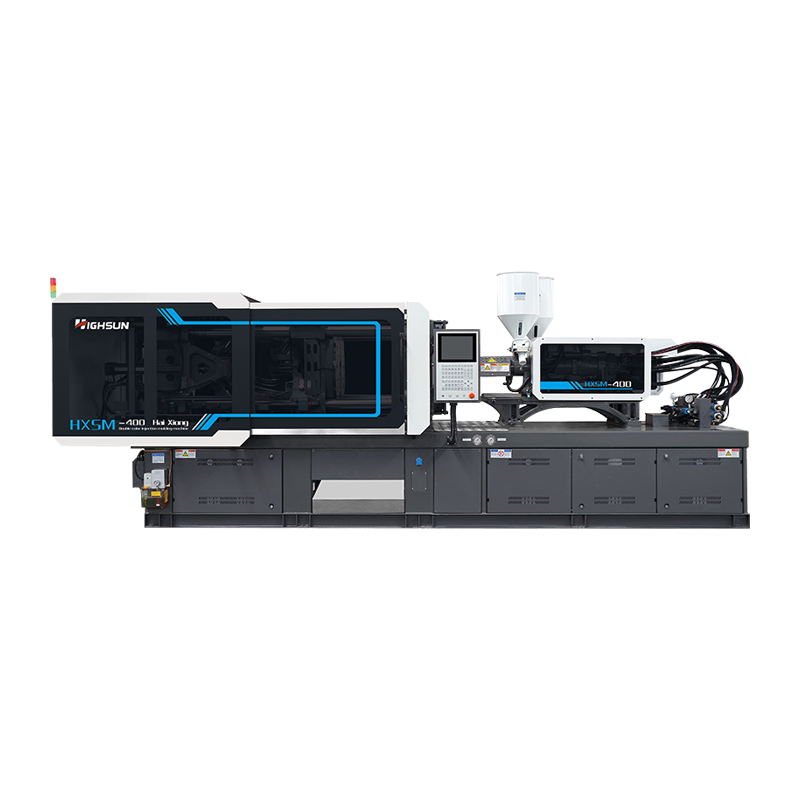
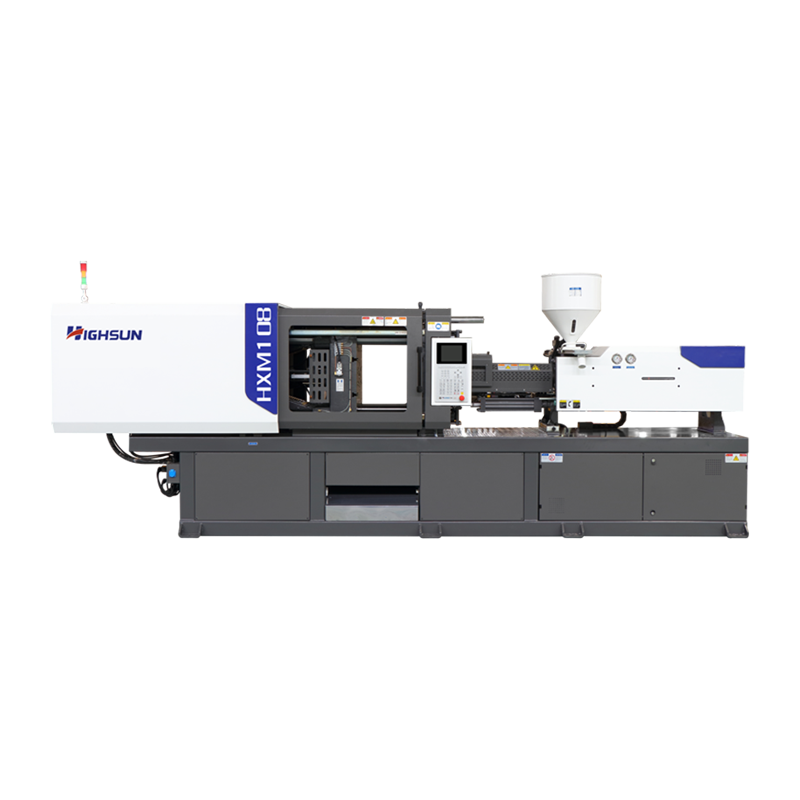
The three common clamping architectures each correspond to a tonnage class and a production goal. Hybrid clamping generally appears on small tonnage machines built for light and thin wall preforms. Toggle clamping dominates the medium tonnage range and remains the most widely used architecture for standard beverage preforms. Two platen clamping is reserved for large tonnage machines producing wide mouth jars, heavy wall preforms, or very high cavity molds where platen deflection needs to stay controlled across a large mold area.
Toggle Clamping
Toggle clamping uses a mechanical linkage that multiplies force through a small servo or hydraulic input, giving fast dry cycle response and consistent repeat accuracy for medium tonnage ranges. This architecture is common on many mid volume PET preform lines.
Hybrid Clamping
Hybrid clamping pairs a servo driven hydraulic pump with a direct locking cylinder, favoring energy efficiency and precise pressure control on smaller tonnage machines. It suits thin wall and light weight preform runs where cycle speed matters more than very high tonnage.
Two Platen Clamping
Two platen clamping removes the tie bar spacing constraint of a traditional five point system, allowing wider mold mounting area for large cavity counts or oversized preforms. It is the structural choice once tonnage climbs into the large machine category.
Relative comparison of toggle, hybrid, and two platen clamping across five operating factors, scored on a ten point scale
Toggle clampingHybrid clampingTwo platen clamping
Question Three: What Injection Unit Capacity Matches Your Preform Weight Range
The injection unit needs enough shot capacity to fill every cavity on a single shot while leaving a margin for pressure holding and cushion. Undersized injection units struggle to hold a stable melt cushion, which shows up on the factory floor as short shots and inconsistent neck finish. Oversized injection units, on the other hand, sit the resin in the barrel too long relative to shot size, raising the risk of thermal degradation and acetaldehyde generation, the very defect a PET Preform Injection Molding Machine is built to control.
18 to 30 mmScrew diameter range for small tonnage class
20 to 26Typical screw L over D ratio
180 MPaCommon maximum injection pressure
8 to 20 gStandard preform weight range for beverage necks
| Machine Class | Screw Diameter | Shot Weight Range | Injection Pressure |
|---|---|---|---|
| Small tonnage hybrid | 28 to 36 mm | 80 to 260 g | up to 180 MPa |
| Medium tonnage toggle | 40 to 55 mm | 260 to 900 g | up to 175 MPa |
| Large tonnage two platen | 60 to 90 mm | 900 to 2600 g | up to 165 MPa |
Question Five: What Automation Level Comes Standard With the Machine
Automation on a PET preform line covers far more than a single robot arm. It spans mold temperature control integration, automatic reject sorting by weight or visual sensor, conveyor synchronization, and central data logging that ties cycle time, barrel temperature, and clamp tonnage into one operator screen. Adoption of this level of automation across new PET preform lines has climbed steadily over the past several years as labor availability tightens and buyers demand tighter shot to shot consistency.
Share of new PET preform production lines specified with integrated robotic and sensor automation, 2019 to 2026
- Automatic robot arm take out with in mold cooling stations
- Weight based reject sorting synchronized to the take out cycle
- Central touch screen recording cycle time, tonnage, and barrel temperature history
- Remote monitoring access for a technical team based off site
Question Six: How Much Energy Does the Machine Use Per Cycle
Energy consumption per kilogram of output is one of the clearest ways to compare a fixed displacement pump system against a servo driven system across tonnage classes. A servo pump adjusts oil flow to match the exact demand of each phase of the cycle, cutting idle circulation loss during pressure holding and cooling, which is normally the longest portion of a PET preform cycle.
Approximate energy use in kilowatt hours per kilogram of output, fixed pump versus servo driven system across tonnage classes
Fixed displacement pumpServo driven pump
| Tonnage Class | Fixed Pump kWh per kg | Servo Pump kWh per kg |
|---|---|---|
| Small | 0.55 | 0.32 |
| Medium | 0.62 | 0.38 |
| Large | 0.70 | 0.42 |
Question Seven: How Quickly Can Molds Be Changed Between Cavity Configurations
Plants that run mixed neck finishes or seasonal bottle shapes need to know how long a mold changeover actually takes on the floor, not just on paper. A slow changeover process eats into planned run time and can turn a profitable short run order into a scheduling headache.
1
Mold Release and Removal
Clamping unit opens fully, cooling lines are disconnected, and the mold is unbolted from the platen.
2
New Mold Mounting
The replacement mold is aligned on the platen and secured, with centering handled by guided locating rings.
3
Hot Runner Reconnection
Hot runner cabling, thermocouples, and cooling circuits are reconnected and checked against the stored parameter set.
4
Trial Shots and Calibration
The operator runs trial shots, checks preform weight and neck dimension, and fine tunes cycle parameters before full production resumes.
Question Eight: What Technical Support Structure Exists After Delivery
The relationship with a PET preform machine factory does not end when the machine ships. Ask how the factory handles remote troubleshooting, how fast spare parts move once an order is placed, and whether on site engineer training is part of the commissioning process.
Remote Diagnostics
Machine controllers with remote access let a technical team review alarm history and parameter logs without waiting for an on site visit.
Spare Parts Availability
Commonly worn parts such as check rings, heater bands, and seals are kept on hand so replacement does not stall a production line.
On Site Commissioning Training
Operators and maintenance staff are trained directly on the installed machine, covering routine adjustment and basic troubleshooting steps.
Ongoing Technical Response
A defined channel for technical questions after installation keeps small issues from turning into extended downtime.
Question Nine: Does the Supplier Provide a Complete Turnkey Production Line
Some buyers need a single machine to slot into an existing line, while others are starting a production line from the ground up and need a PET preform turnkey solution covering the injection machine, mold, dryer, chiller, and material handling as one coordinated package. A supplier with real production line experience can walk through layout planning, utility requirements, and staffing needs before installation day rather than leaving each piece to be sourced separately.
About the Manufacturer Behind This Guide
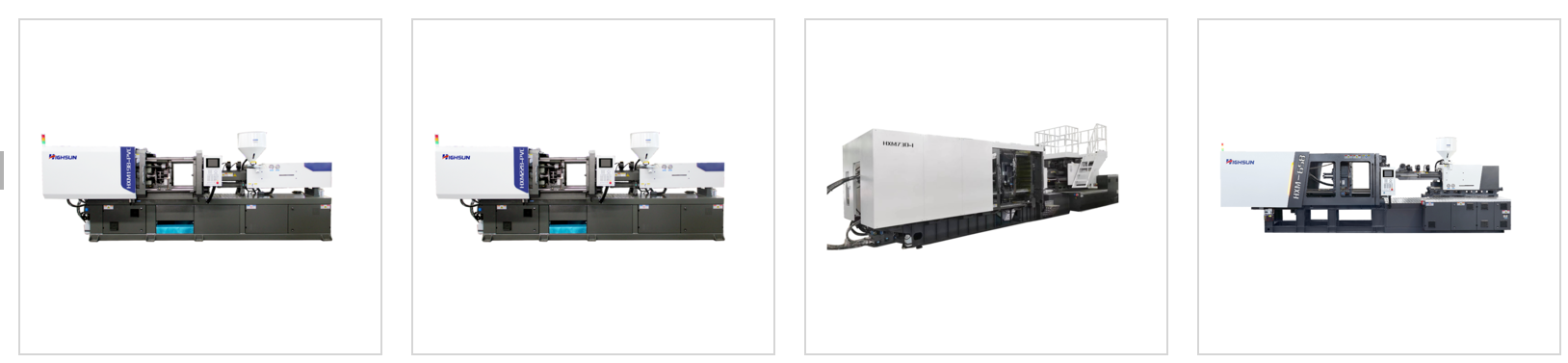
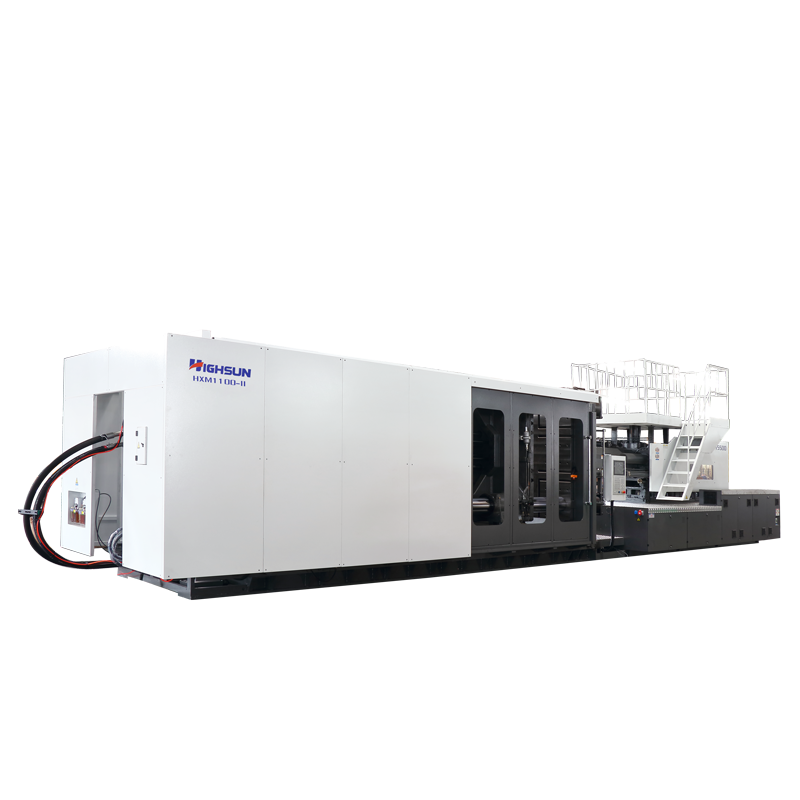
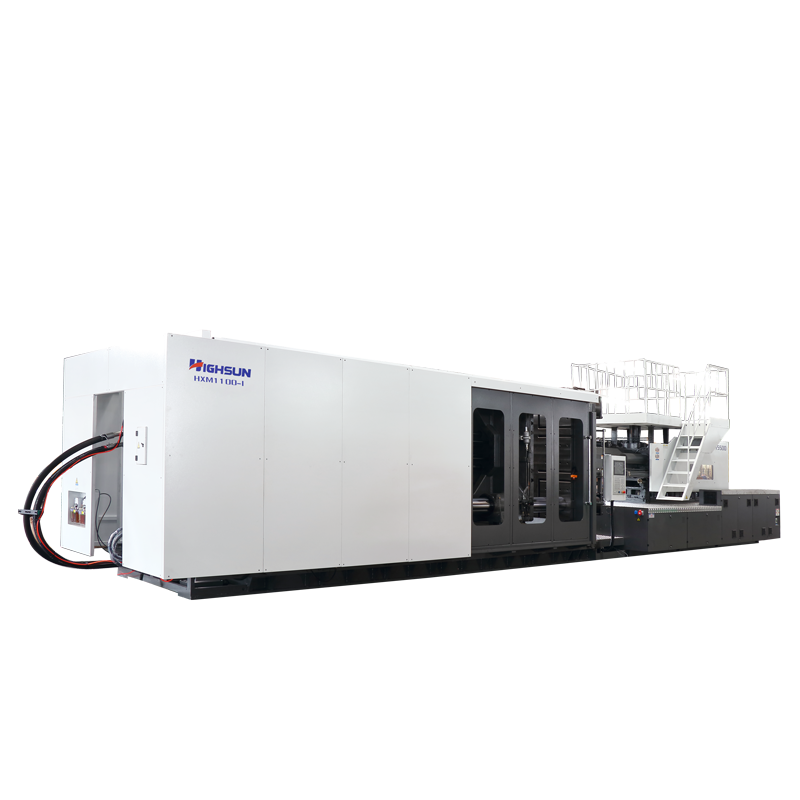
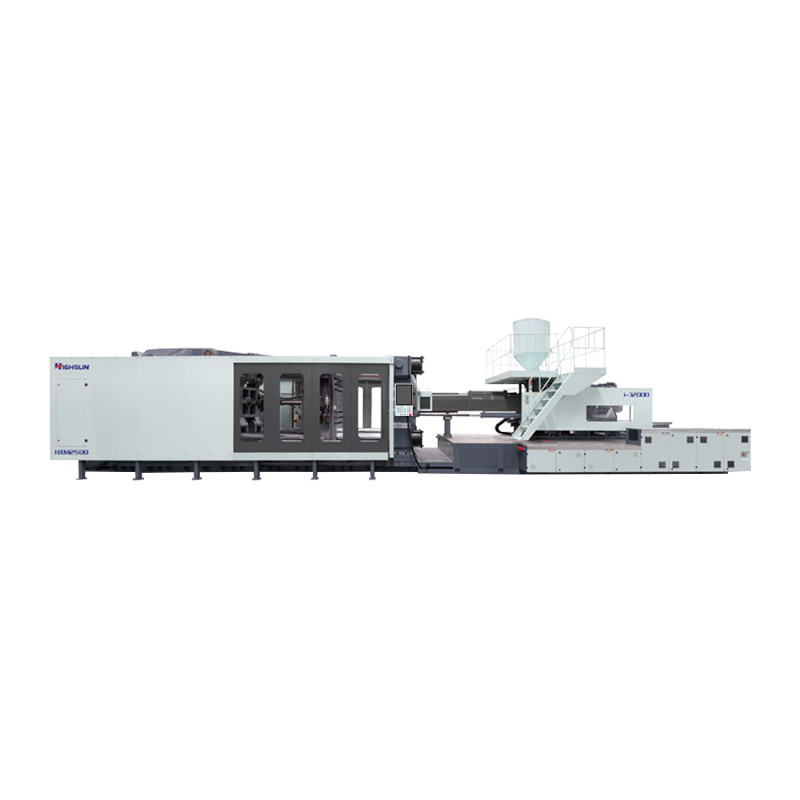
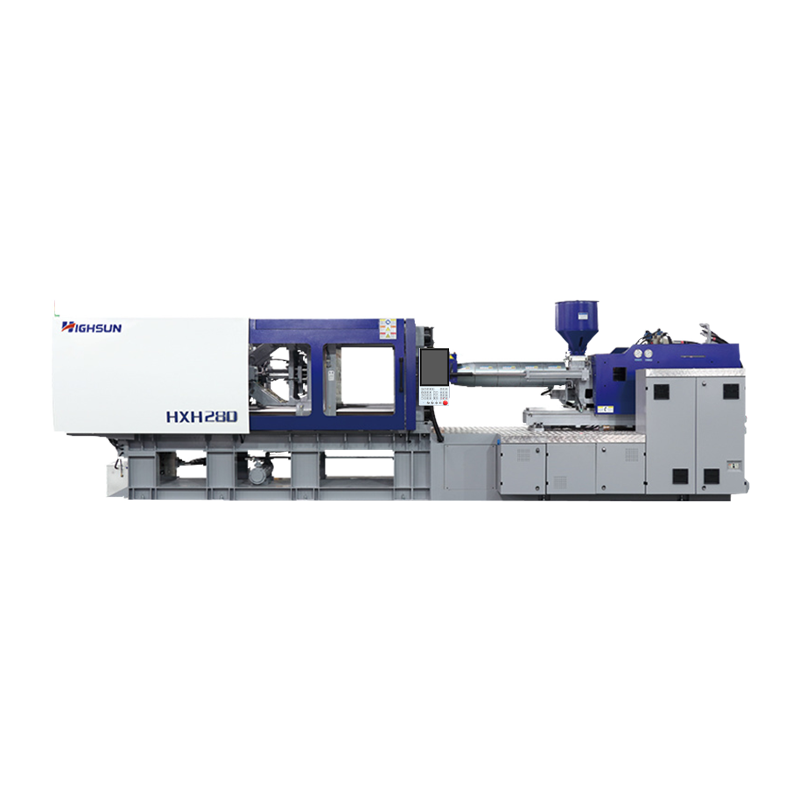
HIGHSUN MACHINERY is based in Beilun Science and Technology Park in Ningbo, Zhejiang province, a region long recognized as a center of plastic machinery production in China. The company works as a PET Preform Injection Molding Machine manufacturer under the HIGHSUN brand, producing a characteristic range built around three tonnage classes: a small tonnage hybrid machine series, a medium tonnage toggle machine series, and a large tonnage two platen machine series. This structure lets a buyer move from a light preform trial run up to a full scale wide mouth jar production line while working with one PET preform production line supplier across the whole tonnage range. As a PET injection molding machine exporter, HIGHSUN supports processors setting up new lines with layout guidance drawn from delicacy oriented, zero defect production practices applied on its own manufacturing floor.
Question Ten: What In Process Quality Checks Run During Production
Consistent preform quality comes from monitoring, not from luck. The checkpoints below are commonly tracked during a production run and are worth asking about directly when evaluating any PET bottle preform machine manufacturer.
below 50 ppmTarget resin moisture content before melting
within 0.02 mmWall thickness variance tolerance across cavities
within 0.3 gShot to shot preform weight variance target
above 90 pctIntrinsic viscosity retention target after processing
Working With a PET Preform Machine Factory Versus a Trading Supplier
Buyers researching a PET bottle making machine manufacturer will run into two general paths to purchase: buying directly from a factory that designs and builds the machine, or buying through a trading company that resells equipment from various sources. Both paths can lead to a working machine, but the level of technical depth available during planning and after installation tends to differ.
| Criteria | Direct Factory Manufacturer | Trading Supplier |
|---|---|---|
| Technical customization | Direct access to design engineers | Requests pass through an intermediary |
| Production line experience | Familiar with own equipment across tonnage classes | Varies by which brands are represented |
| Spare parts lead time | Sourced directly from the production factory | Depends on the upstream factory relationship |
| After sales engineering access | Engineers who built the machine remain reachable | Support routed back to the original factory |
Neither path is automatically wrong for every buyer, but a processor planning a new line, or comparing a PET bottle production machine supplier against a factory direct option, generally benefits from asking exactly who will answer technical questions once the machine is running production.
Frequently Asked Questions
What is a PET preform injection molding machine
It is a plastic forming machine engineered to melt and inject PET resin into a preform mold, producing the tube shaped intermediate part that is later blown into a finished bottle.
How does a PET preform machine work
Dried resin is melted in a heated barrel, injected under pressure into a cooled cavity mold, held briefly to set shape, then ejected or removed by a robot arm before the cycle repeats.
What machine is used to make PET bottle preforms
A dedicated PET preform injection molding machine paired with a cavity mold, resin dryer, and mold temperature controller is the standard equipment set used to make preforms.
How do I choose the right machine for my bottle production
Start from your target output volume and preform weight range, then work backward into cavity count, clamping tonnage, and injection unit capacity that match that target.
How many cavities should I choose
Cavity count should reflect your real order volume and available mold budget rather than the highest number offered, since an oversized configuration can leave capacity unused.
What preform weight range can one machine handle
Most tonnage classes cover a defined weight band, from light single serve preforms up through heavy wall jar preforms, depending on the injection unit fitted to that machine.
How long does a typical production cycle take
Cycle time commonly falls between 8 and 12 seconds depending on cavity count, preform wall thickness, and cooling efficiency of the mold.
Can the same machine produce different neck finish types
Yes, as long as a compatible mold is fitted, since the neck finish is defined by the mold cavity rather than the base machine itself.
What maintenance does a PET preform machine need
Routine checks typically cover hydraulic oil condition, heater band function, screw and barrel wear, and mold cooling line cleanliness on a scheduled basis.
How do I select a reliable PET preform machine manufacturer
Look at tonnage range covered, willingness to explain technical specification in detail, and clarity on after sales support before comparing anything else.
 +86-188 6861 6288
 haixiong@highsun-machinery.com
 No.36 Yongjiang South Road, Beilun District. Ningbo City, 315800, China