 ENG
ENG  English
 русский
 Español
 Português
 عربى
عربى


Content
- 1 Injection Molding Machine Buying Guide: The Direct Answer
- 2 Hydraulic vs Electric Injection Molding Machine: Comparing Performance Characteristics
- 3 Determining the Right Clamping Force and Tonnage for Your Application
- 4 Core Components of a Plastic Injection Molding Machine
- 5 Energy Consumption Patterns: Hydraulic, Hybrid, and Electric Systems
- 6 Material Compatibility and Processing Considerations
- 7 Factors That Influence Injection Molding Machine Cost and Investment Planning
- 8 Servo Injection Molding Machine Technology: Precision and Efficiency Advantages
- 9 Choosing a Reliable Injection Molding Machine Manufacturer and Supplier
- 10 Buying Checklist: Steps to Take Before You Purchase
- 11 Frequently Asked Questions
- 11.1 Q1. What is a plastic injection molding machine?
- 11.2 Q2. How does an injection molding machine work?
- 11.3 Q3. What are the parts of an injection molding machine?
- 11.4 Q4. What materials can be injection molded?
- 11.5 Q5. What products are made by injection molding?
- 11.6 Q6. How do I choose an injection molding machine?
- 11.7 Q7. What size injection molding machine do I need?
- 11.8 Q8. What tonnage injection molding machine should I buy?
Injection Molding Machine Buying Guide: The Direct Answer
The right injection molding machine for a given production line depends on three factors that should be evaluated before any other consideration: required clamping tonnage, precision and repeatability targets, and production volume patterns. As a starting rule, a hydraulic injection molding machine is generally suited to high-tonnage, general-purpose production where robustness and versatility across mold types matter most. An electric injection molding machine tends to fit precision-critical, energy-conscious operations such as thin-wall packaging or medical components. A hybrid or servo-driven configuration sits between the two, combining hydraulic power delivery with electric-style control precision.
This injection molding machine buying guide walks manufacturers, procurement teams, and plant engineers through the practical decision points: drive type, clamping force sizing, core components, energy behavior, material compatibility, and how to evaluate an injection molding machine manufacturer or injection molding machine supplier before finalizing a purchase decision.
- Hydraulic injection molding machine: broad tonnage range, strong performance with large or thick-walled parts, established maintenance ecosystem.
- Electric injection molding machine: higher repeatability, lower idle energy draw, quieter operation for cleanroom or precision environments.
- Hybrid / servo injection molding machine: balances tonnage flexibility with improved energy modulation and control accuracy.
Hydraulic vs Electric Injection Molding Machine: Comparing Performance Characteristics
A hydraulic injection molding machine uses oil-driven cylinders to generate clamping force and injection pressure, a design that has supported plastic manufacturing for decades because of its mechanical simplicity and ability to handle a wide tonnage range. An electric injection molding machine instead relies on servo motors and ball screws for each major axis, which tends to improve positioning accuracy and reduces energy consumption during idle or holding phases. A hybrid design pairs a servo-driven pump with a conventional hydraulic circuit, aiming to retain tonnage flexibility while narrowing the precision and efficiency gap with fully electric systems.
Performance Comparison at a Glance
This radar chart illustrates typical, generalized performance tendencies across the three drive types on a relative 0-10 scale; it is intended as a directional reference rather than a specification for any single model. The electric injection molding machine profile extends furthest on precision, energy efficiency, and quiet operation, which explains why it is frequently selected for tight-tolerance components. The hydraulic injection molding machine profile extends furthest on versatility, reflecting its broader compatibility with varied mold sizes and higher tonnage requirements. The hybrid profile sits between the two on most axes, which is consistent with its role as a transitional or balanced option for manufacturers who need both tonnage range and improved control.
| Characteristic | Hydraulic | Electric | Hybrid |
|---|---|---|---|
| Drive mechanism | Oil-driven cylinders | Servo motors and ball screws | Servo pump with hydraulic circuit |
| Typical application | Large or thick-walled parts | Thin-wall, precision components | Mixed production requirements |
| Idle energy draw | Relatively higher | Relatively lower | Moderate |
| Noise level | Moderate to higher | Lower | Moderate |
Determining the Right Clamping Force and Tonnage for Your Application
Clamping force, expressed in tons, is the amount of force a machine applies to keep the mold closed against the internal pressure of injected plastic. Undersized tonnage risks flash and part defects, while oversized tonnage adds unnecessary machine footprint and utility demand without a corresponding benefit. A common starting approach is to estimate the mold's projected area and multiply it by an industry reference pressure factor, then add a margin for part geometry and material behavior; a mold or process engineer can refine this figure for a specific application.
Typical Tonnage Ranges by Application Type
This horizontal bar chart shows typical clamping force ranges grouped by common application categories, moving from small precision parts on the low-tonnage end to large structural or pallet-type parts on the high-tonnage end. Notice how the tonnage span widens considerably for automotive and industrial components, which reflects the wider variety of mold sizes and wall thicknesses found in that category. A manufacturer producing thin-wall packaging or small precision housings will generally look toward the lower end of this range, while a manufacturer producing large structural components will need a machine positioned at the upper end. Clamping force selection should always be paired with shot size and platen dimensions, since tonnage alone does not fully determine mold compatibility.
- Confirm the mold's projected area and expected cavity pressure before shortlisting tonnage.
- Leave a reasonable tonnage margin for future mold changes or product variants.
- Match platen size and tie-bar spacing to the largest mold expected in production.
Core Components of a Plastic Injection Molding Machine
Every plastic injection molding machine, regardless of drive type, is built around a shared set of functional systems that work together through the injection, cooling, and ejection phases of a molding cycle. Understanding each component helps a buyer read a machine specification sheet more confidently and ask more targeted questions of an injection molding machine manufacturer during evaluation.
| Component | Function |
|---|---|
| Injection unit | Melts resin pellets and pushes molten material into the mold cavity |
| Clamping unit | Holds the mold closed against injection pressure and opens it for ejection |
| Barrel and screw | Heats, mixes, and conveys the resin toward the nozzle |
| Mold system | Shapes the final part and manages cooling channels |
| Control system | Manages temperature, pressure, speed, and cycle timing |
| Drive system | Powers motion, either hydraulic, electric, or a hybrid combination |
A typical molding cycle moves through mold closing, injection, cooling, and ejection, and the balance between these phases affects overall cycle time. Cooling generally occupies the largest share of a molding cycle, which is why mold cooling channel design and material thermal properties often influence output rate as much as the machine itself. Buyers evaluating an injection molding machine supplier should ask how the control system logs and displays these phase timings, since consistent phase data supports process troubleshooting after installation.
Energy Consumption Patterns: Hydraulic, Hybrid, and Electric Systems
Energy behavior is one of the more measurable differences between drive types over the course of a production shift. A hydraulic pump generally runs continuously to maintain system pressure, which tends to keep energy draw relatively constant even during idle or holding phases of the cycle. Electric and hybrid systems, by contrast, can modulate power delivery more closely to the actual motion being performed, which typically results in a comparatively lower and more variable energy profile across the shift.
This line chart illustrates a typical, generalized energy index pattern across an eight-hour shift for each drive type, using a relative scale rather than measured figures from a specific machine. The hydraulic line stays highest and comparatively flat, consistent with a pump that maintains pressure regardless of whether the mold is actively cycling. The electric line stays lowest and shows the least variation, reflecting motors that draw power mainly during active motion. The hybrid line sits between the two, which is a useful visual summary of why hybrid and servo injection molding machine configurations are often chosen when a manufacturer wants tonnage flexibility without the continuous energy draw associated with a purely hydraulic system.
Material Compatibility and Processing Considerations
Material selection interacts closely with machine specification, since barrel temperature capability, screw design, and injection pressure all need to align with the resin being processed. The table below summarizes general processing references for common resins; actual settings should be confirmed against the specific resin grade's data sheet and adjusted for mold and part geometry.
| Material | Typical Melt Temp Range | Common Uses |
|---|---|---|
| Polypropylene (PP) | 200-280°C | Containers, caps, household goods |
| ABS | 210-270°C | Enclosures, appliance parts, automotive trim |
| Polycarbonate (PC) | 260-320°C | Lenses, protective covers, electronic housings |
| Nylon (PA) | 230-290°C | Gears, structural brackets, automotive components |
| PVC | 160-210°C | Fittings, electrical components |
| PET | 250-290°C | Packaging preforms, industrial parts |
Manufacturers working with abrasive or glass-filled compounds should also confirm barrel and screw wear-resistant treatment options with their injection molding machine factory contact, since standard barrel coatings may wear faster under these conditions. Multi-material or double-color production, such as unmixed or mixed double-color processes, requires a machine platform specifically configured for that workflow rather than a modification of a standard single-material unit.
Factors That Influence Injection Molding Machine Cost and Investment Planning
Rather than focusing on a single number, it is more useful for a manufacturer to understand which specification choices tend to move injection molding machine cost the most, since this framing supports better long-term investment planning. Clamping tonnage and platen size typically carry the most weight, followed by drive type selection, automation and robotics integration, degree of customization, energy efficiency features, and compatibility with complex or multi-cavity molds. Reviewing an injection molding machine price quotation against this factor list, rather than against a single headline figure, tends to produce a clearer picture of what is actually being specified.
Relative Importance of Key Purchase Factors
This column chart ranks common purchase factors on a relative 0-10 importance index based on how frequently they shape a final machine specification. Clamping force and tonnage rank highest because this single decision determines which mold sizes a machine can run, directly affecting production flexibility for years. Automation and control level rank close behind, since integrating robotics or advanced process monitoring at the outset is generally more straightforward than retrofitting it later. Customization requirements and drive type selection carry roughly equal weight, which is why many manufacturers evaluate them together rather than sequentially when discussing a project with an injection molding machine manufacturer.
Manufacturers looking to plan their injection molding machine cost more effectively can approach specification in stages: confirm tonnage and mold compatibility first, then evaluate drive type against energy and precision needs, and finally layer in automation or customization based on production volume targets. This sequence tends to prevent over-specification while still leaving room for planned production growth.
Servo Injection Molding Machine Technology: Precision and Efficiency Advantages
A servo injection molding machine uses a servo motor to drive the hydraulic pump, adjusting pump speed and pressure in real time to match the exact demand of each phase of the molding cycle, rather than running the pump at a constant rate. This approach can be integrated into both hydraulic and hybrid platforms, which is why servo technology is often discussed as an upgrade path rather than a separate machine category. The practical benefit is a closer match between energy input and actual mechanical work being performed at any given moment in the cycle.
- Reduced idle energy draw compared with a constant-speed hydraulic pump.
- Closer pressure and speed control during injection and holding phases.
- Comparatively quieter operation than a fixed-displacement hydraulic pump.
- Compatibility with retrofitting onto certain existing hydraulic platforms.
Servo pump systems are one of the more commonly requested upgrades among manufacturers evaluating tonnage in the 98T to 3000T range, since the technology scales across small precision machines and large structural-part machines alike without changing the fundamental clamping mechanism.
Choosing a Reliable Injection Molding Machine Manufacturer and Supplier
Beyond the machine specification itself, the choice of injection molding machine manufacturer or injection molding machine supplier affects long-term outcomes such as parts availability, engineering support, and how well a machine can be adapted to future production needs. Useful evaluation points include manufacturing scale and factory floor space, the proportion of mechanical components produced in-house versus outsourced, engineering experience across multiple machine series, willingness to support customized configurations, and demonstrated experience shipping to international markets.
About Ningbo Highsun Plastic Machinery Co., Ltd.
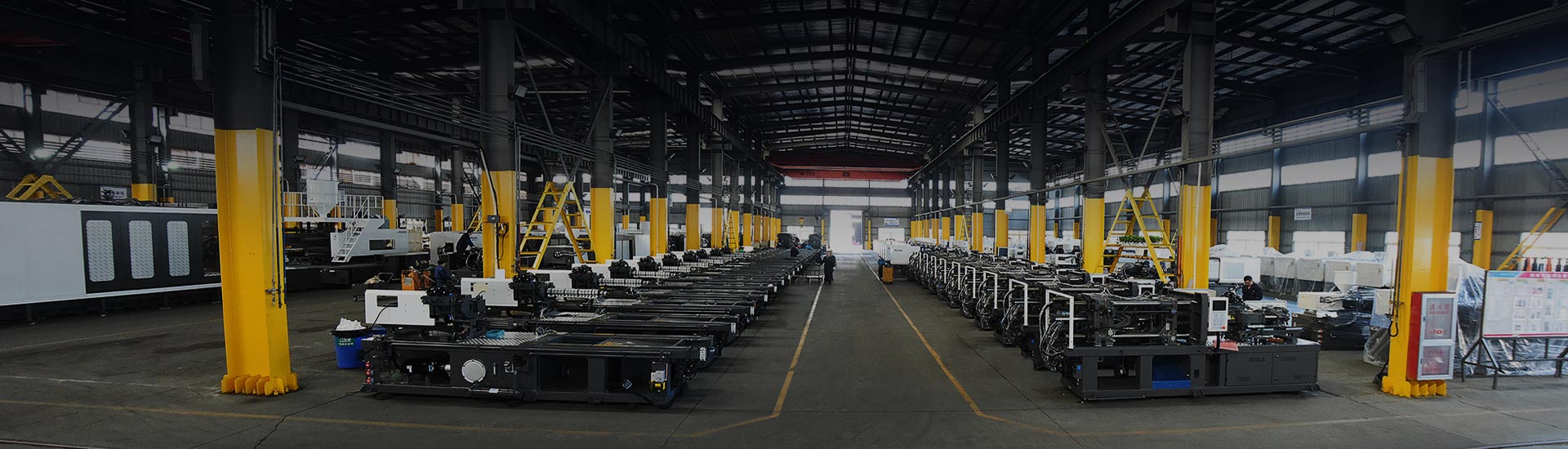
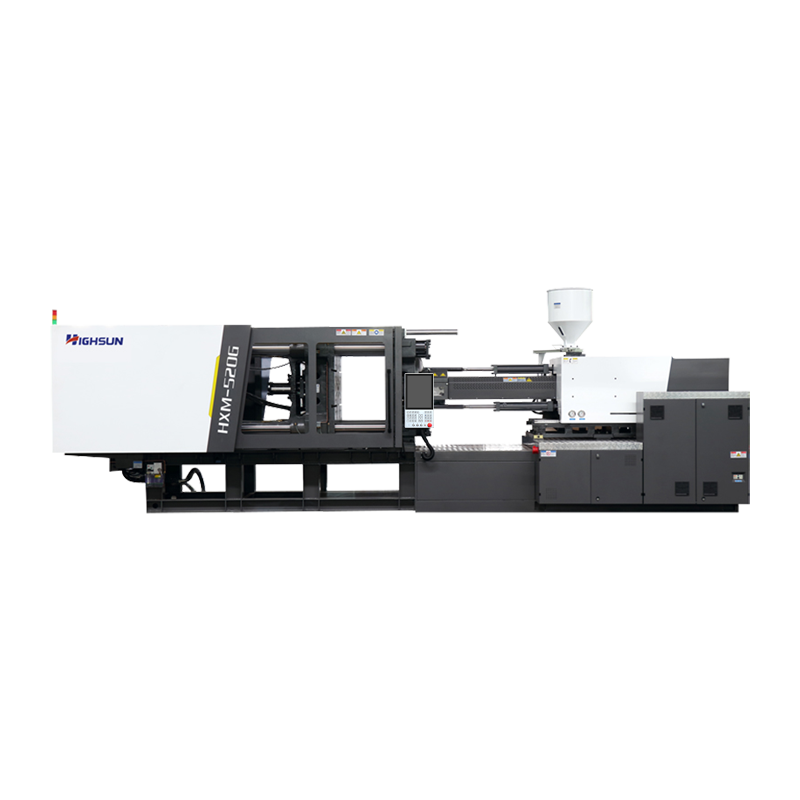
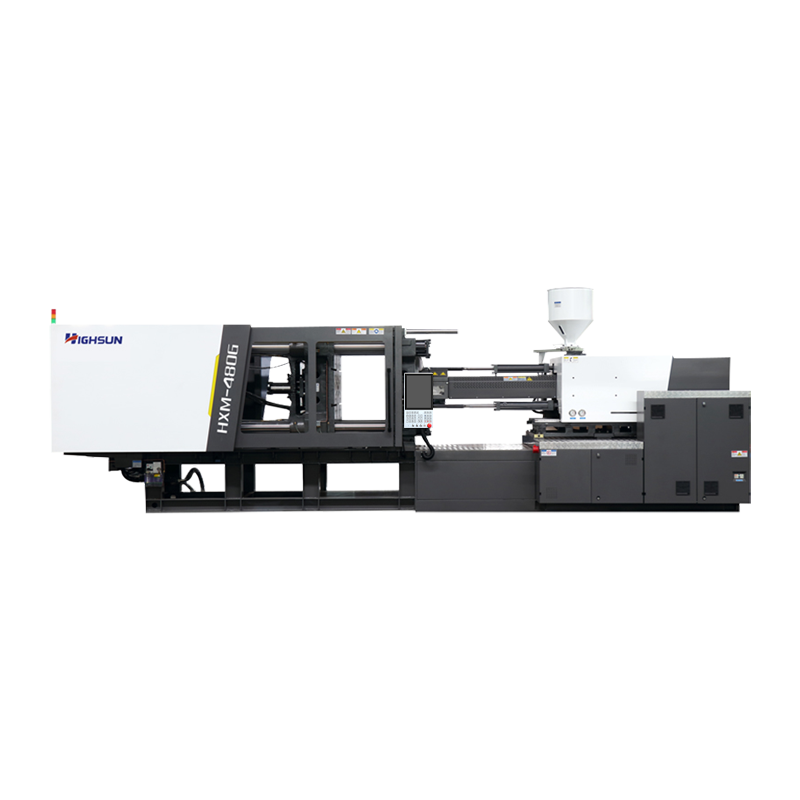
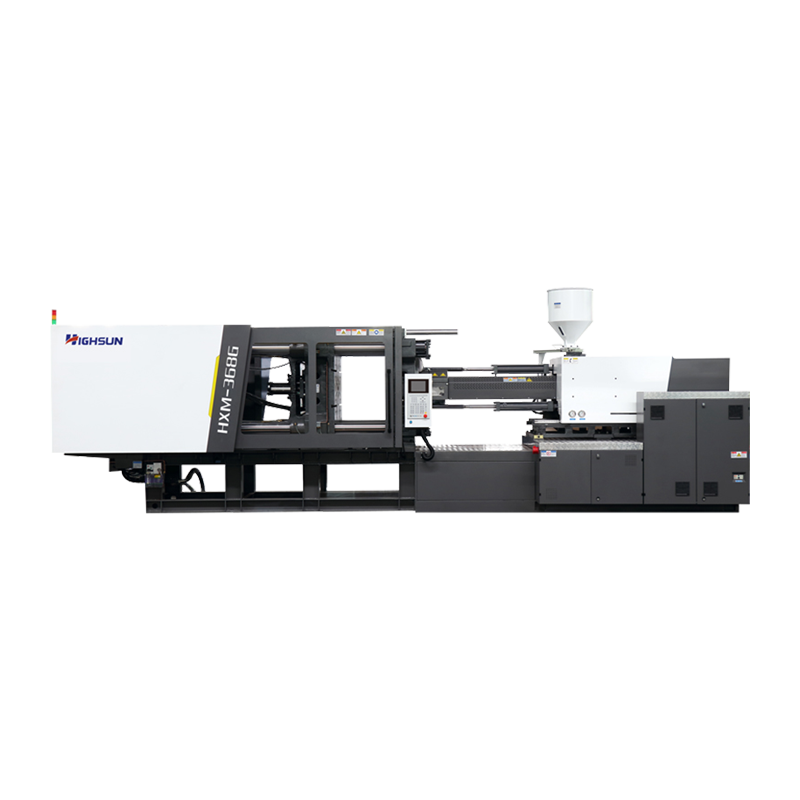
Ningbo Highsun Plastic Machinery Co., Ltd. is located in Beilun Science and Technology Park in Ningbo, China, an area commonly associated with plastics machinery manufacturing. The company operates a factory covering more than 120,000 square meters and specializes in the production of HIGHSUN brand precision plastic injection molding machines. Drawing on close to twenty years of focused development alongside more than 50 years of accumulated manufacturing experience from its parent company, HIGHSUN Machinery has been recognized among the leading plastic injection molding machine manufacturers in the Ningbo region and among the broader group of established manufacturers across China.
HIGHSUN maintains advanced processing equipment and in-house machining workshops, with approximately 90% of mechanical components, including the base structure, produced internally. This level of in-house production supports tighter quality control across the manufacturing process and shorter coordination cycles when a customer requires a customized configuration. The company's product range spans Electricity and Oil Hybrid series, Two-platen series, High-speed series, unmixed double-color series, mixed double-color series, BMC series, PET series, and PVC series machines, with clamping force options from 98T to 3000T, and the engineering team regularly works with customers on tailored solutions outside of standard configurations.
With research and development capability supporting its product lines, HIGHSUN machines are used by customers across a number of international markets, including South America and Southeast Asia among other regions. The company's stated operating philosophy centers on a customer-focused approach to refined production process management, which is reflected in its ongoing investment in both standard series development and customized solution engineering for manufacturers evaluating an injection molding machine factory partner for a new or expanding production line.
Buying Checklist: Steps to Take Before You Purchase
A structured evaluation process reduces the risk of specifying a machine that does not match actual production needs. The checklist below reflects the sequence most procurement and engineering teams follow when working through an injection molding machine buying guide internally before contacting a supplier.
- Define the part portfolio, including projected area, wall thickness, and material for each mold expected to run on the machine.
- Calculate required clamping tonnage with margin for future mold variations.
- Decide between hydraulic injection molding machine, electric injection molding machine, or hybrid based on precision and energy priorities.
- Confirm platen size and tie-bar spacing against the largest and most complex mold planned.
- Review automation, robotics, and control system requirements for the target production volume.
- Evaluate the injection molding machine manufacturer's in-house component production and customization capability.
- Discuss after-sales engineering support, spare parts logistics, and export experience with the supplier.
- Request a detailed specification sheet and compare it point by point against the checklist above.
Frequently Asked Questions
Q1. What is a plastic injection molding machine?
A plastic injection molding machine melts plastic resin and injects it under pressure into a mold cavity, where it cools and solidifies into the shape of the finished part.
Q2. How does an injection molding machine work?
The machine heats resin in a barrel, injects it into a closed mold under pressure, holds pressure while the part cools, then opens the mold and ejects the finished component.
Q3. What are the parts of an injection molding machine?
Main parts include the injection unit, clamping unit, barrel and screw, mold system, control system, and the drive system, which may be hydraulic, electric, or hybrid.
Q4. What materials can be injection molded?
Common materials include PP, ABS, PC, nylon, PVC, and PET, among other thermoplastics, each with different melt temperature and processing requirements.
Q5. What products are made by injection molding?
Injection molding is used for household goods, appliance housings, automotive components, packaging, electronic enclosures, and many other plastic parts across industries.
Q6. How do I choose an injection molding machine?
Start with part size and required clamping tonnage, then evaluate drive type, automation needs, and the manufacturer's customization and support capability.
Q7. What size injection molding machine do I need?
Machine size depends on part projected area, wall thickness, and mold dimensions; larger or thicker parts generally require higher clamping tonnage and platen size.
Q8. What tonnage injection molding machine should I buy?
Tonnage should be calculated from projected mold area and cavity pressure, then confirmed with margin for future mold variations before finalizing a specification.
 +86-188 6861 6288
 haixiong@highsun-machinery.com
 No.36 Yongjiang South Road, Beilun District. Ningbo City, 315800, China