 ENG
ENG  English
 русский
 Español
 Português
 عربى
عربى


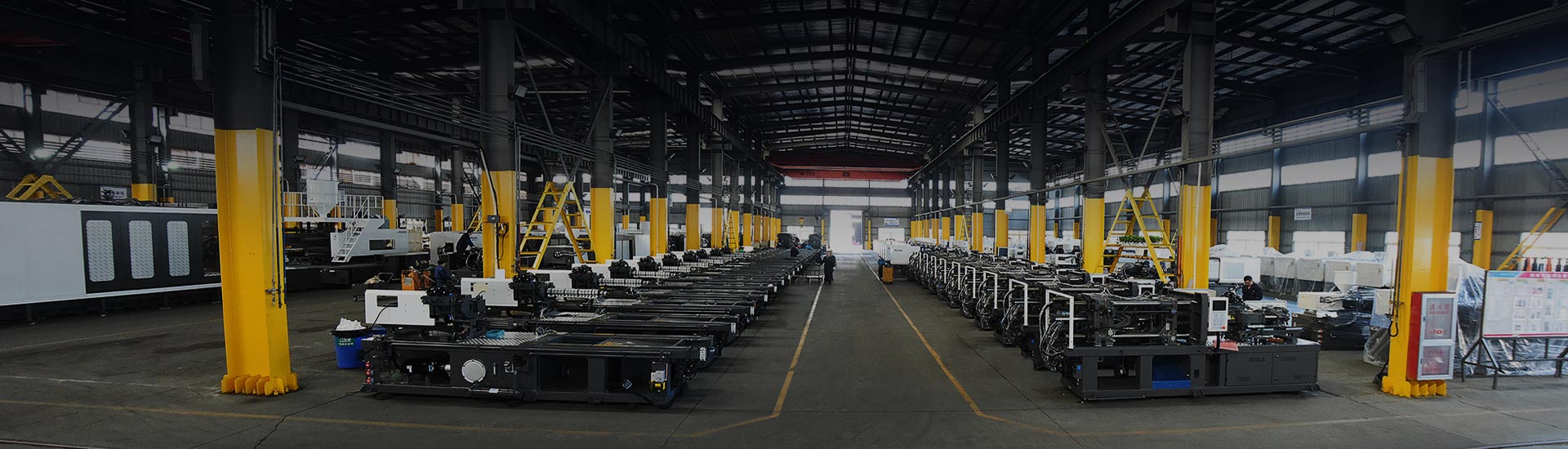
Plastic injection molding is a high-efficiency manufacturing process in which molten plastic material is injected under high pressure into a precisely engineered mold cavity, then cooled and ejected as a finished or near-finished part. It is the single most widely used method for producing plastic components at scale — accounting for roughly 32% of all plastic processing by weight globally (Plastics Europe, 2023). From automotive dashboards to medical syringes, consumer electronics housings to food-grade packaging, the process powers virtually every industry that relies on repeatable, complex plastic geometry.
The core appeal of the process is straightforward: once a mold is made, a well-maintained plastic injection molding machine can produce thousands — or even millions — of identical parts with tight dimensional tolerances, minimal material waste, and short cycle times. Whether you are evaluating a servo injection molding machine, a hydraulic injection molding machine, or a fully electric injection molding machine, understanding the fundamentals helps you match the right equipment to your production goals.
This guide covers every practical dimension of plastic injection molding: the process steps, machine types, material selection, common defects and troubleshooting, maintenance practices, and how to choose the right plastic injection machine manufacturer or supplier for your operation.
Content
- 1 How the Plastic Injection Molding Process Works — Step by Step
- 2 Types of Plastic Injection Molding Machines: Hydraulic, Servo, and Electric
- 3 Key Materials Used in Plastic Injection Molding
- 4 Common Plastic Injection Defects and How to Troubleshoot Them
- 5 Plastic Injection Molding Machine Maintenance Checklist
- 6 Global Market Growth and Industry Trends in Plastic Injection Molding
- 7 How to Choose a Plastic Injection Machine Manufacturer or Supplier
- 8 Frequently Asked Questions About Plastic Injection Molding
How the Plastic Injection Molding Process Works — Step by Step
Every cycle on a plastic molding machine follows the same fundamental sequence, regardless of whether the machine is servo-driven, hydraulic, or all-electric. Understanding each stage is essential for optimizing cycle time, part quality, and equipment longevity.
Stage 1 — Clamping
The two halves of the mold are brought together and locked under a specified clamping force, measured in tonnes. This force must exceed the injection pressure multiplied by the projected area of the part to prevent the mold from opening during injection — a condition that causes the flash defect in injection molding. Clamping force requirements range from under 100T for micro-components to over 3,000T for large automotive panels.
Stage 2 — Injection
Plastic pellets or granules are fed from a hopper into a heated barrel where a reciprocating screw melts and homogenizes the material. The screw then advances like a plunger, injecting molten plastic into the mold at pressures typically between 70 MPa and 200 MPa. Injection speed and pressure profiles are carefully programmed to fill the cavity completely without causing defects such as short shot injection molding (incomplete fill) or jetting.
Stage 3 — Dwelling / Packing
After initial fill, a lower holding (packing) pressure is maintained to compensate for volumetric shrinkage as the material cools. Insufficient packing pressure leads to sink marks in injection molding on thicker wall sections. Too much packing pressure can cause flash or part sticking.
Stage 4 — Cooling
Cooling accounts for 50–70% of total cycle time in most applications. Mold temperature controllers circulate water or oil through channels machined into the mold to extract heat rapidly and uniformly. Poor cooling uniformity causes warpage, residual stress, and dimensional variation.
Stage 5 — Ejection
Once the part has cooled to sufficient rigidity, the mold opens and ejector pins, plates, or air blasts push the part free. Ejection force must be calibrated carefully — too much force causes part distortion or surface marks; too little leads to sticking and production stoppages.
Fig. 1 — Typical cycle time distribution in plastic injection molding processes.
The chart above illustrates that cooling dominates the cycle — typically consuming 55–65% of total machine time. This is why optimizing mold cooling channel design, water temperature control, and mold material conductivity delivers the greatest returns when attempting to reduce injection molding cycle time. Injection itself accounts for only 10–20%, yet it is the stage where most part defects originate. Ejection, while brief, requires precise force calibration to protect both the part surface and the mold's ejector system from premature wear. Understanding this time distribution is fundamental to any production efficiency improvement strategy.
Types of Plastic Injection Molding Machines: Hydraulic, Servo, and Electric
Selecting the right type of plastic injection molding equipment is one of the most consequential decisions in setting up a production operation. Each drive technology offers a distinct profile of energy consumption, precision, speed, maintenance requirements, and upfront investment.
Hydraulic Injection Molding Machines
The hydraulic injection molding machine is the industry's most established platform. A fixed-displacement or variable-displacement hydraulic pump drives all machine motions — clamping, injection, ejection, and screw rotation — through a network of valves and actuators. Hydraulic machines deliver high clamping forces reliably, making them well-suited for large, thick-walled parts and applications requiring extreme tonnage. Their main drawbacks are higher energy consumption (the pump runs continuously) and the need for periodic hydraulic fluid maintenance. They remain popular for clamping forces above 1,000T where all-electric machines are not yet cost-competitive.
Servo Injection Molding Machines
The servo injection molding machine pairs a servo motor with a variable-displacement hydraulic pump, delivering power only on demand. This architecture cuts energy consumption by 30–70% compared to conventional hydraulic machines (based on published industry benchmarks), while retaining the force capacity of hydraulic technology. Servo-driven systems also provide superior repeatability — the servo motor's encoder feedback loop allows precise control of pressure and speed profiles from shot to shot. For mid-to-large tonnage applications where energy cost is a key operational concern, servo machines represent the current industry mainstream.
Electric Injection Molding Machines
The electric injection molding machine replaces hydraulic actuators entirely with servo-electric drives on every axis. The result is the cleanest, quietest, and most energy-efficient machine type — consuming up to 80% less energy than a comparable fixed-pump hydraulic machine. Electric machines achieve the highest repeatability and are preferred for medical, optical, and precision electronic components where contamination risk from hydraulic fluid is unacceptable. Their primary constraint is maximum clamping force — most commercial all-electric machines top out around 500–650T, though larger formats are emerging.
Fig. 2 — Radar comparison of hydraulic, servo, and electric injection molding machine performance attributes.
The radar chart makes the trade-offs immediately visible. Electric machines lead clearly in energy efficiency and precision, making them the preferred choice for high-value, tight-tolerance components. Servo machines occupy a balanced middle ground — significantly more energy-efficient than traditional hydraulic machines while still delivering the high tonnage that large-part applications demand. Hydraulic machines retain a strong advantage in maximum achievable clamping force, which remains critical for automotive, appliance, and heavy industrial parts. When evaluating plastic injection molding equipment, consider the full production context: part size, material, required cycle time, facility energy costs, and operator expertise all influence which machine type delivers the best total value over its operational life.
| Machine Type | Drive System | Energy Saving vs. Fixed Hydraulic | Typical Clamping Range | Best Application |
|---|---|---|---|---|
| Hydraulic | Fixed/Variable pump | Baseline | 100T – 3,000T+ | Large, thick-wall parts |
| Servo-Hydraulic | Servo motor + variable pump | 30 – 70% | 100T – 3,000T+ | General-purpose, high-volume |
| All-Electric | Servo-electric on all axes | 60 – 80% | 30T – 650T | Precision, medical, optical |
| Hybrid (Oil+Electric) | Electric injection + hydraulic clamp | 40 – 65% | 100T – 2,000T | High-precision + large tonnage |
Key Materials Used in Plastic Injection Molding
Material selection is inseparable from machine parameter setting. Different polymers require distinct melt temperatures, injection pressures, cooling rates, and mold surface treatments. The table below summarizes the most commonly processed materials on modern plastic injection machines.
| Material | Melt Temp (°C) | Mold Temp (°C) | Typical Applications |
|---|---|---|---|
| PP (Polypropylene) | 200 – 280 | 20 – 80 | Packaging, automotive, housewares |
| ABS | 200 – 250 | 40 – 80 | Electronics housings, toys |
| Nylon (PA) | 240 – 300 | 60 – 100 | Gears, connectors, structural parts |
| PC (Polycarbonate) | 260 – 320 | 80 – 120 | Optical lenses, safety helmets |
| PET | 265 – 290 | 10 – 30 | Bottle preforms, containers |
| PVC | 160 – 210 | 20 – 60 | Pipes, profiles, cable insulation |
Fig. 3 — Global share of key resins processed by plastic injection molding machines.
Polypropylene (PP) dominates injection molding resin consumption at approximately 38% of volume, driven by its excellent chemical resistance, low density, and versatility across packaging, automotive, and consumer goods sectors. Polyethylene (PE) holds the second position primarily through closures, containers, and utility parts. ABS remains the benchmark engineering plastic for products requiring a balance of impact resistance, surface aesthetics, and processability. Specialty materials — including nylon, PC, PET, PVC, and BMC (Bulk Molding Compound) — each serve niche applications where standard commodity resins cannot meet performance requirements. Understanding material volume by resin type helps procurement teams anticipate raw material supply chain dynamics and negotiate more effectively with plastic injection machine suppliers.
Common Plastic Injection Defects and How to Troubleshoot Them
Effective injection molding troubleshooting starts with recognizing the visual signature of each defect type, then tracing it to its root cause — which may lie in machine parameters, mold design, material preparation, or a combination of all three. The following are the most prevalent plastic injection defects encountered in production.
Short Shot — Incomplete Part Fill
Short shot injection molding produces a part that is missing material in one or more areas — typically at thin walls, distal flow paths, or features far from the gate. Root causes include insufficient injection pressure or speed, low melt temperature, premature gate freeze, restricted venting, or underdosed shot size. Corrective actions: increase melt temperature in increments of 5–10°C, verify shot volume setting, check venting depth (typically 0.01–0.03 mm for most resins), and review gate dimensions against recommended values for the resin.
Flash — Excess Material at Parting Lines
Flash defect injection molding occurs when molten plastic escapes between mold faces or at ejector pin locations. Flash indicates that injection pressure is exceeding the mold's clamping force, that the mold parting surface is worn or contaminated, or that mold clamping is insufficient. Corrective actions: increase clamping force, reduce injection speed or pack pressure, inspect parting surface for debris or damage, and verify that the machine's clamping system is generating its rated tonnage.
Burn Marks — Discoloration at Flow Fronts
Burn marks in injection molding appear as dark or brown streaks near the end of flow, at weld lines, or adjacent to gates. They result from diesel effect — compressed air ahead of the melt front igniting due to inadequate venting — or from excessive melt temperature or residence time. Corrective actions: add or deepen vent slots in the mold, reduce barrel temperature, shorten screw residence time by increasing cycle frequency, and check for blocked vents.
Sink Marks — Surface Depressions Over Thick Walls
Sink marks injection molding produces localized depressions on part surfaces, typically over ribs, bosses, or thick wall transitions. The defect arises because the outer skin solidifies while the core is still shrinking, pulling the surface inward. Corrective actions: increase packing pressure and time, reduce mold temperature, redesign wall sections to achieve more uniform thickness (target wall thickness within 25% variation), and consider adding coring to thick bosses.
Fig. 4 — Reported frequency of common defect types among injection molding production facilities.
According to industry surveys, sink marks are the single most frequently reported defect, affecting 42% of production facilities on a recurring basis. This is largely due to wall thickness non-uniformity — a design issue that is far easier to address at the mold design stage than after tooling is cut. Short shots and flash defects follow closely, both representing process parameter mismatches that a well-calibrated plastic injection machine operator should be able to resolve within a trial run. Burn marks, while less common in frequency, are disproportionately damaging in materials like PC and Nylon where degradation is irreversible, requiring material purging or barrel cleaning. A structured injection molding troubleshooting checklist — addressing machine, mold, and material variables systematically — significantly reduces downtime caused by recurring defects.
Plastic Injection Molding Machine Maintenance Checklist
A consistent machine maintenance checklist is not optional — it is the foundation of stable output quality and machine longevity. Unplanned downtime in injection molding can cost facilities thousands of dollars per hour in lost production. The following schedule reflects industry best practices for maintaining plastic injection molding equipment across all machine types.
Daily Maintenance Tasks
- Inspect hydraulic fluid level and temperature (target: 35–55°C operating range)
- Check all safety guards, door interlocks, and emergency stops for proper function
- Verify cooling water flow and temperature at machine and mold inlets/outlets
- Clean barrel feed throat and hopper area to prevent contamination
- Monitor shot weight consistency across first production run (target: within ±0.5%)
- Lubricate tiebar threads and moving platen guides per manufacturer schedule
Weekly Maintenance Tasks
- Inspect hydraulic hoses and fittings for leaks, wear, or chafing
- Check clamp unit parallelism and tiebar nut torque
- Test mold temperature controller setpoints and thermocouple accuracy
- Verify servo drive error logs and reset non-critical faults
- Clean electrical cabinet filters and inspect for dust accumulation
Monthly and Quarterly Maintenance Tasks
- Sample hydraulic oil for viscosity, acid number, and particle contamination analysis
- Inspect barrel and screw wear using a borescope every 3 months or 1,500 operating hours
- Calibrate injection pressure and position transducers against reference instruments
- Perform full tiebar elongation check on toggle or two-platen clamping systems
- Replace hydraulic filters and review fluid change intervals based on oil analysis results
- Review and back up all machine process parameter recipes and controller configurations
Industry data indicates that facilities following a structured maintenance program experience up to 30% fewer unplanned stoppages and extend major component life by an average of 20–35% compared to reactive maintenance approaches (EUROMAP / SPI benchmark studies). For OEM injection molding machine users and high-volume custom molders alike, investing in a digital maintenance management system (CMMS) that tracks task completion, part wear intervals, and fluid change histories pays dividends in overall equipment effectiveness (OEE).
Global Market Growth and Industry Trends in Plastic Injection Molding
The global plastic injection molding market continues to expand, driven by demand growth in automotive lightweighting, medical device manufacturing, consumer electronics miniaturization, and sustainable packaging. Understanding market trajectories helps manufacturers and procurement teams make informed equipment investment decisions.
Fig. 5 — Global plastic injection molding market size trajectory, 2019–2028 (estimated).
The market experienced a temporary contraction in 2020 due to COVID-19 supply chain disruptions, but recovered strongly in 2021 and has maintained a compound annual growth rate (CAGR) of approximately 4.5–5.2% since 2021 (Grand View Research, 2024). Growth is projected to carry the market toward USD 370 billion by 2028, with Asia-Pacific — particularly China, India, and Southeast Asia — accounting for over 40% of global production volume. The trend toward electrification of machine drives, integration of Industry 4.0 process monitoring, and increased use of bio-based and recycled resins are reshaping what customers expect from plastic injection machine manufacturers and suppliers going forward.
Key Trends Shaping the Next Generation of Plastic Molding Machines
- Servo-electric drives displacing fixed-pump hydraulics for energy and precision benefits
- Integrated IoT process monitoring with real-time shot quality dashboards
- Two-platen machine architectures reducing footprint while increasing clamping force density
- Multi-component and co-injection capabilities for complex, multi-material assemblies
- Expanded OEM injection molding machine programs for branded, application-specific configurations
- Compatibility with recycled and biodegradable resins requiring adjusted screw geometry and temperature profiles
How to Choose a Plastic Injection Machine Manufacturer or Supplier
Selecting a plastic injection machine manufacturer or supplier involves more than comparing machine specifications on a datasheet. The right partner delivers technical support, process expertise, spare parts availability, and the flexibility to supply customized configurations as your production needs evolve.
Key criteria to evaluate when sourcing plastic injection molding equipment include:
- Clamping force range coverage: Does the manufacturer offer the full range from small (sub-100T) to heavy (2,000T+) in a unified product family?
- Machine series breadth: Servo-hydraulic, all-electric, two-platen, high-speed, and specialty configurations (PET, PVC, BMC, two-color) under one roof simplifies supplier relationships
- Customization capability: Reputable plastic injection machine suppliers accept OEM specifications, custom injection unit designs, special barrel alloys for corrosive materials, and non-standard clamping configurations
- After-sales infrastructure: Evaluate response time for spare parts, on-site technical service availability, remote diagnostic capabilities, and training programs
- Industry certifications and quality management: ISO 9001, CE marking, and EUROMAP compliance are baseline indicators of manufacturing quality discipline
- Reference customers in your industry: Request application references — a supplier with validated deployments in automotive, medical, or packaging carries less risk than one without sector-specific experience
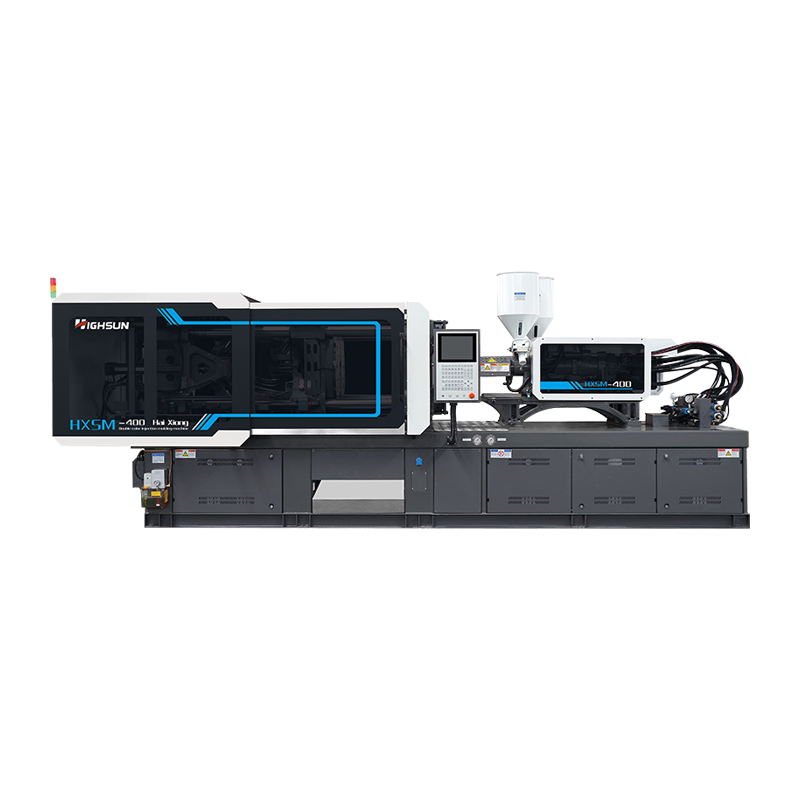
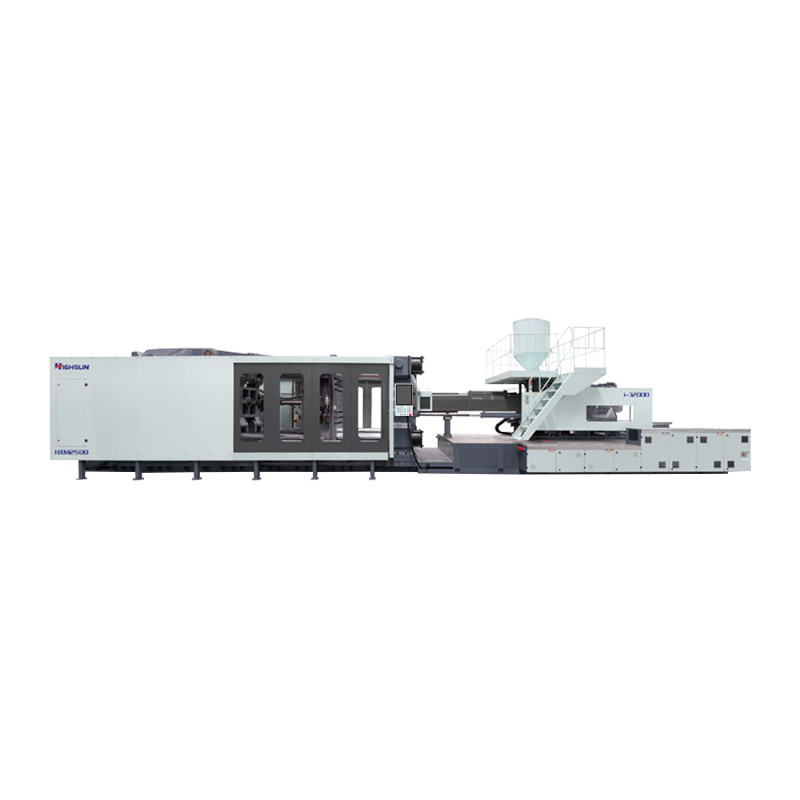
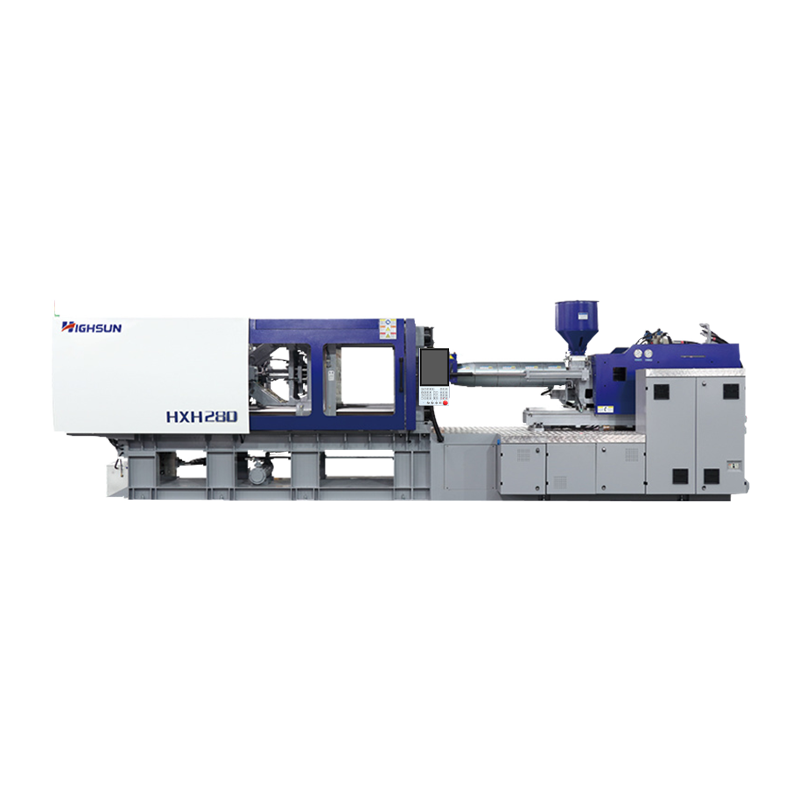
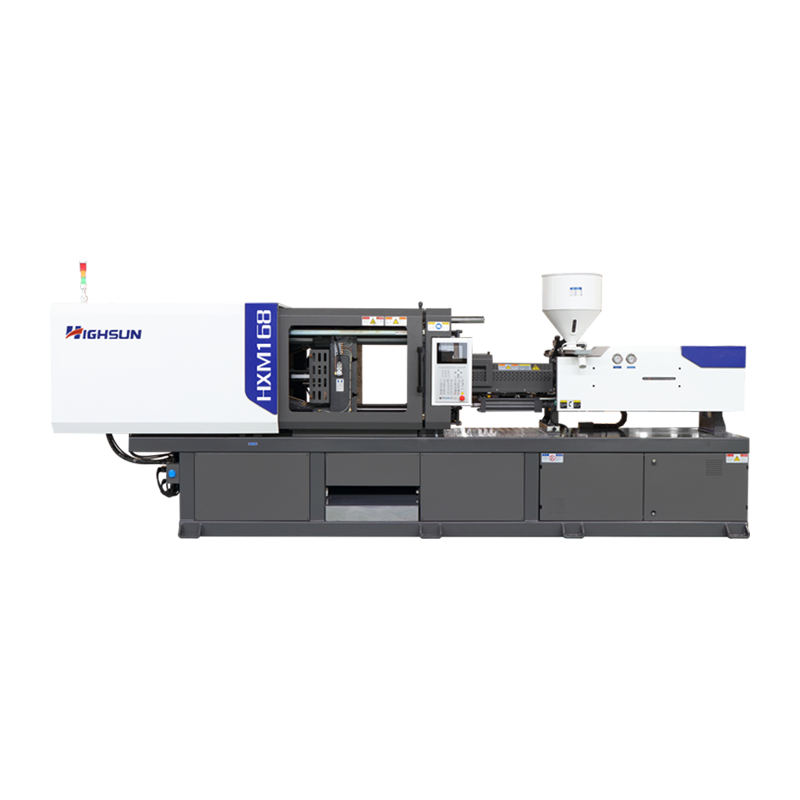
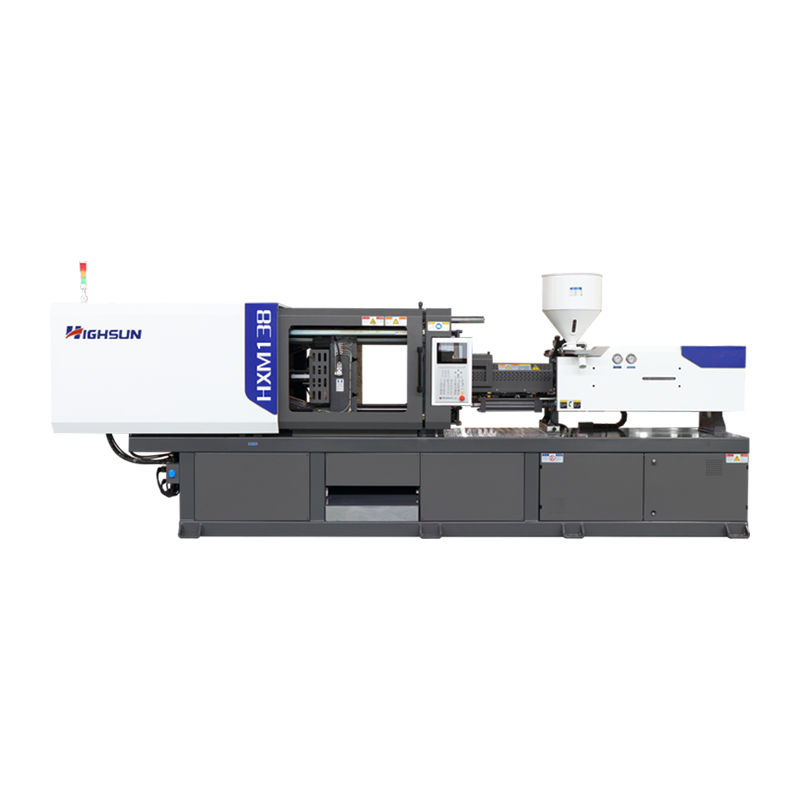
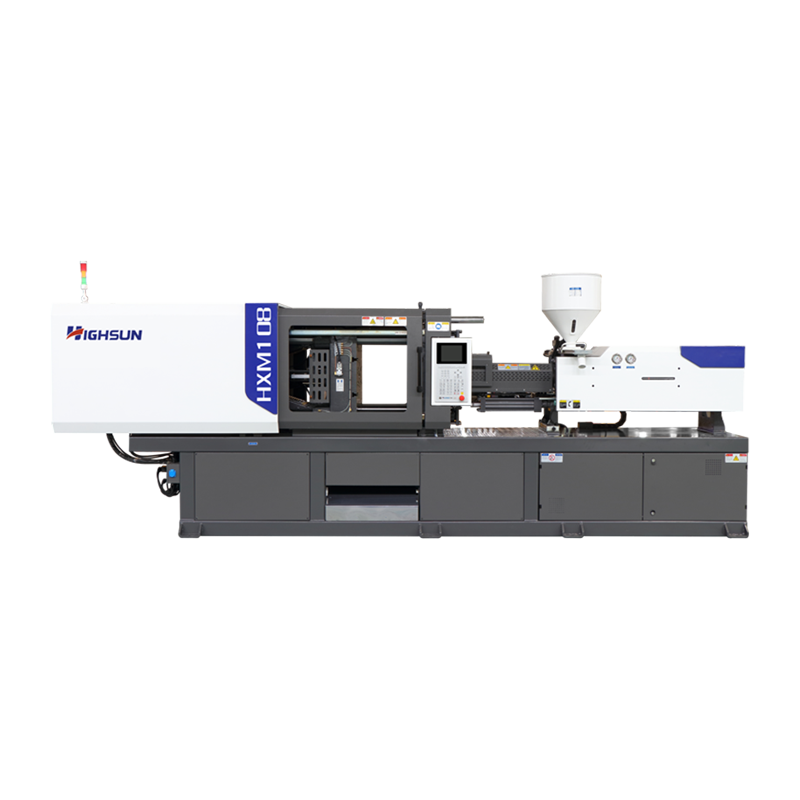
Ningbo Highsun Plastic Machinery Co., Ltd. is headquartered in Beilun Science & Technology Park, Ningbo — recognized as China's capital of plastic machinery. With a manufacturing campus exceeding 120,000 square meters and nearly 20 years of independent development backed by more than 50 years of parent company heritage, HIGHSUN Machinery has earned recognition as a TOP 3 plastic injection molding machine manufacturer in Ningbo and one of the TOP 10 in China. The HIGHSUN machine range spans from 98T to 3,000T clamping force across Electricity-Oil Hybrid, Two-Platen, High-Speed, Unmixed Double Color, Mixed Double Color, BMC, PET, and PVC series — covering virtually every commercial injection molding application. HIGHSUN accepts fully customized OEM injection molding machine orders and maintains a "Customer-Centric" service philosophy under the operational motto: "Pursuing Excellence, Molding Perfection."
Frequently Asked Questions About Plastic Injection Molding
The questions below reflect the most common inquiries from production engineers, procurement managers, and business owners evaluating plastic injection molding solutions.
Q1: How to Choose the Right Plastic Injection Molding Machine?
Start with part size and material to determine minimum clamping force and barrel capacity. Then evaluate drive type: servo machines for energy efficiency, electric for precision, hydraulic for maximum tonnage. Match the machine series to your production volume and resin type — PET preforms, PVC profiles, and two-color parts each benefit from dedicated machine configurations.
Q2: How Does a Plastic Injection Molding Machine Work?
The machine follows a five-stage cycle: clamping (mold closes under tonnage), injection (screw pushes molten plastic into the cavity), packing (holding pressure compensates for shrinkage), cooling (water channels solidify the part), and ejection (pins push out the finished part). The entire cycle repeats in seconds to minutes depending on part size and wall thickness.
Q3: How Long Does Injection Molding Take Per Cycle?
Cycle times range from under 5 seconds for thin-wall packaging parts to over 120 seconds for thick automotive components. Cooling — which consumes 55–65% of cycle time — is the primary lever for speed improvement. Optimized conformal cooling channels, higher-conductivity mold steels, and accurate process control can each reduce cycle time by 10–25%.
Q4: How to Reduce Injection Molding Cycle Time?
Focus first on cooling: add more or better-positioned cooling channels, use beryllium-copper inserts in hot spots, and lower mold temperature within material specification. Then optimize injection and packing phases — profile the injection speed and pack pressure rather than using flat settings. Use a servo injection molding machine for faster, more repeatable movements compared to conventional hydraulic machines.
Q5: What Is OEM Injection Molding Machine Service?
An OEM injection molding machine program allows a manufacturer or distributor to order machines built to their own brand specifications — custom color, badge, controller interface, clamping force configuration, or special injection unit design. Reputable suppliers like HIGHSUN accept OEM orders with dedicated engineering support and quality documentation, enabling buyers to offer branded equipment to their own customer base.
Q6: What Causes Flash Defect in Injection Molding?
Flash occurs when injection pressure exceeds the clamping force holding the mold halves together, allowing plastic to escape at the parting line, around ejector pins, or through vents. Common causes include insufficient clamping tonnage for the part area, worn or contaminated mold parting surfaces, excessive injection pressure or speed, and incorrect gate or runner sizing that concentrates pressure.
Q7: What Is a Two-Platen Injection Molding Machine?
A two-platen machine replaces the traditional three-platen toggle clamp with a direct hydraulic or servo-hydraulic clamping system using only two platens and fewer tiebars. This design reduces machine footprint by 30–40% for comparable clamping force, improves tiebar force distribution, and simplifies mold accessibility. Two-platen machines are particularly suited for large-format molds with clamping forces of 1,000T and above.
Q8: How Often Should Injection Molding Machine Maintenance Be Done?
A structured maintenance schedule includes daily checks (fluid levels, cooling water, safety systems), weekly inspections (hydraulic hose condition, clamping parallelism), and monthly/quarterly tasks (oil analysis, screw wear inspection, calibration verification). Following a documented machine maintenance checklist reduces unplanned downtime by up to 30% and extends the operational life of critical components such as screws, barrels, and hydraulic pumps.
 +86-188 6861 6288
 haixiong@highsun-machinery.com
 No.36 Yongjiang South Road, Beilun District. Ningbo City, 315800, China