 ENG
 English
 русский
 Español
 Português
 عربى



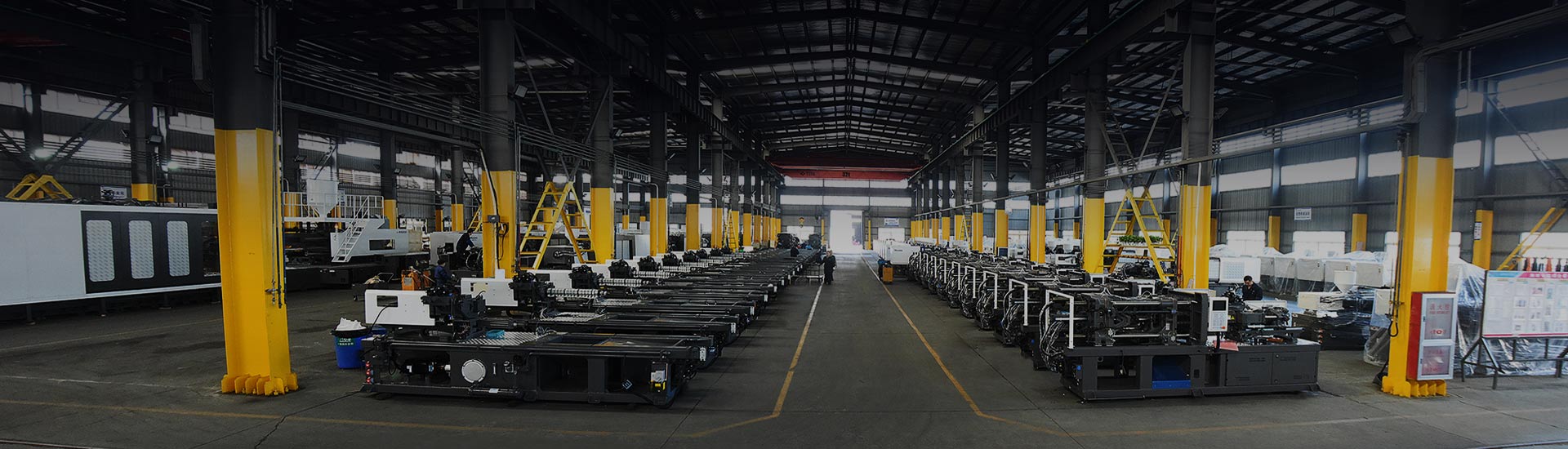
Three numbers decide whether a molding injection project earns money: the clamp force you buy, the shot volume you can recover in time, and the seconds you shave off each cycle. Get any one of them wrong and the machine still runs — it simply runs at a unit cost your customer will not accept.
A familiar case from thin-wall packaging: a four-cavity tool for a 2 mm PP container with an eight-second target. A general-purpose 250-tonne machine clamps it comfortably, yet if screw recovery and injection speed cannot overlap the cooling phase, the cycle drifts toward eleven seconds and the part cost climbs by roughly a third. Nothing was undersized. The machine was matched to the wrong job.
What follows is the order an experienced buyer works through — cycle structure, clamp and shot, drive type, then the ownership details that only appear in year two.
Content
- 1 The molding injection cycle, phase by phase
- 2 Clamp force, shot size and screw: fix these first
- 3 Servo, hybrid and all-electric: the pump is the difference
- 4 Speed or tonnage: two different problems
- 5 Five checks before you sign
- 6 Frequently asked questions
- 6.1 What does “molding injection” mean in machine specifications?
- 6.2 How much clamp force does my mold need?
- 6.3 How do I know if the shot size is too small for the machine?
- 6.4 What cycle time is realistic for thin-wall containers?
- 6.5 Servo or all-electric — which saves more energy?
- 6.6 What weekly maintenance keeps a machine stable?
The molding injection cycle, phase by phase
Every molding injection cycle contains the same movements, and their proportions determine which machine features actually pay for themselves.
Plastification melts and meters the next shot while the mold is still closed. Injection fills the cavity. Packing holds pressure until the gate freezes. Cooling sets the part. Ejection and mold close return the machine to start.
Cooling is almost always the largest block. In thin-wall work it can consume half the cycle or more, which is why mold temperature control — not a larger injection unit — is usually the first place to look when a quoted cycle cannot be met.
Planning split for a thin-wall PP container; real values shift with wall thickness, resin and tool design.
Clamp force, shot size and screw: fix these first
Two calculations settle most specification arguments before the quotation stage.
Clamp force
Required tonnage is the projected area of part plus runner multiplied by cavity pressure. Commodity resins such as PP and PE usually run at 300–500 bar cavity pressure; engineering resins and long-flow parts can push past 700 bar. Add a 10–20% safety margin. Buying on tonnage alone while ignoring wall thickness explains most flash-and-short-shot pairs seen on a brand-new tool.
Shot size and screw geometry
Total shot weight — parts plus runner — should land between 20% and 80% of the barrel's rated capacity. Below 20%, residence time lengthens and the melt degrades in the barrel; above 80%, screw recovery no longer fits inside the cooling window. Screw design follows the same logic: thin-wall, high-flow parts want a longer L/D ratio and higher compression to build pressure quickly, while heat-sensitive PVC wants the opposite — a low-compression, corrosion-resistant screw and barrel so the melt never dwells.
| Series type | Best fit | Clamp force (t) | Watch-outs |
|---|---|---|---|
| Servo hydraulic | General purpose, crates, buckets | 98–2200 | Recovery time on long cooling cycles |
| High-speed | Thin-wall containers, lids, cups | 280–450 | Needs fast tooling and stable cooling |
| Two-platen | Large auto parts, pallets, bins | 800–3300 | Foundation load, crane access |
| Two-color | Soft-touch, multi-material parts | 160–200 | Tool cost, rotation-time balance |
| PET preform | Bottles and jars | 208–558 | Dehumidified resin, hot runner control |
| PVC / CPVC | Fittings, valves, profiles | 168–850 | Corrosion protection, purging routine |
Servo, hybrid and all-electric: the pump is the difference
For the same clamp force, the drive system decides both the electricity bill and the repeatability of the next thousand shots.
A fixed-pump machine runs its pump at constant displacement, so it wastes flow whenever the cycle does not demand it. A servo-driven pump matches output to real demand, which is why the largest savings appear on parts with long cooling phases. Hybrid designs pair a servo-electric injection axis with hydraulic clamping, keeping sharp injection response while retaining hydraulic tonnage. All-electric machines remove the hydraulic circuit entirely and hold the tightest repeatability, at a higher purchase price and with less tolerance for heavy, high-tonnage work.
Schematic comparison of relative power demand, not measured test data.
For most general-purpose parts, a servo hydraulic machine is the value point: consumption tracks the actual cycle, and the hydraulic clamp still handles high tonnage with a simple maintenance routine. The HXM range covers 98 to 2200 tonnes and is the usual starting point when a buyer has a mixed order book rather than one dominant product.
 HXM328 328T Servo Injection Molding MachineA 328-tonne servo machine in the HXM range, suited to flexible production lines and mixed order books before high-speed comparisons.View Product →
Speed or tonnage: two different problems
High-speed and two-platen machines sit at opposite ends of the same decision, and confusing them is expensive.
High-speed machines exist for thin-wall work — containers, lids, cups — where the wall drops under 1 mm and the fill must finish before the melt freezes. They rely on accumulator-assisted injection, rigid toggle geometry and short dry-cycle times. Our thin-wall application notes cover the process side in more depth, including cooling-channel design and part-removal sequencing.
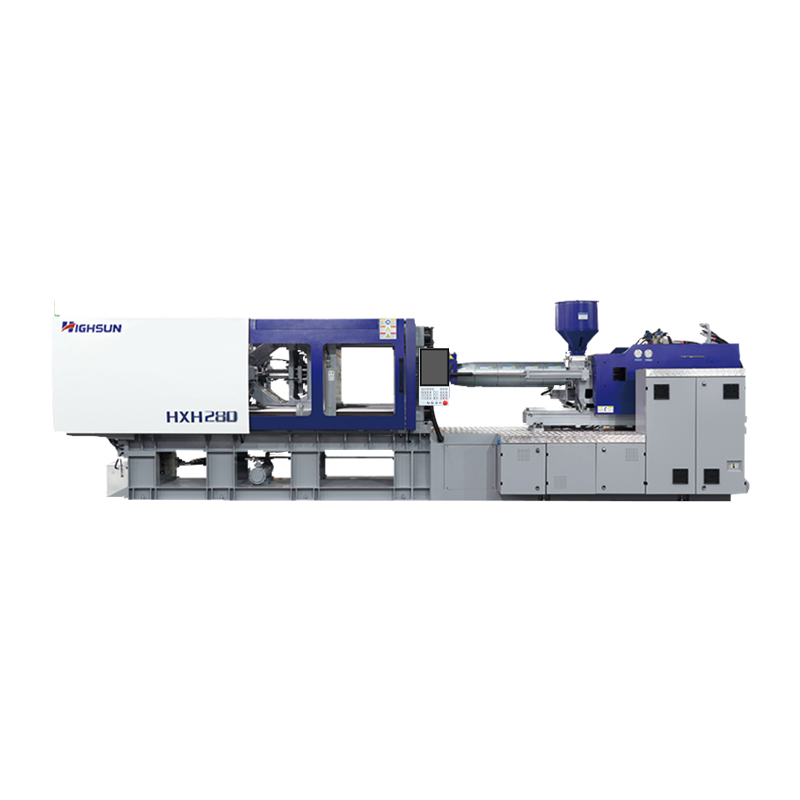
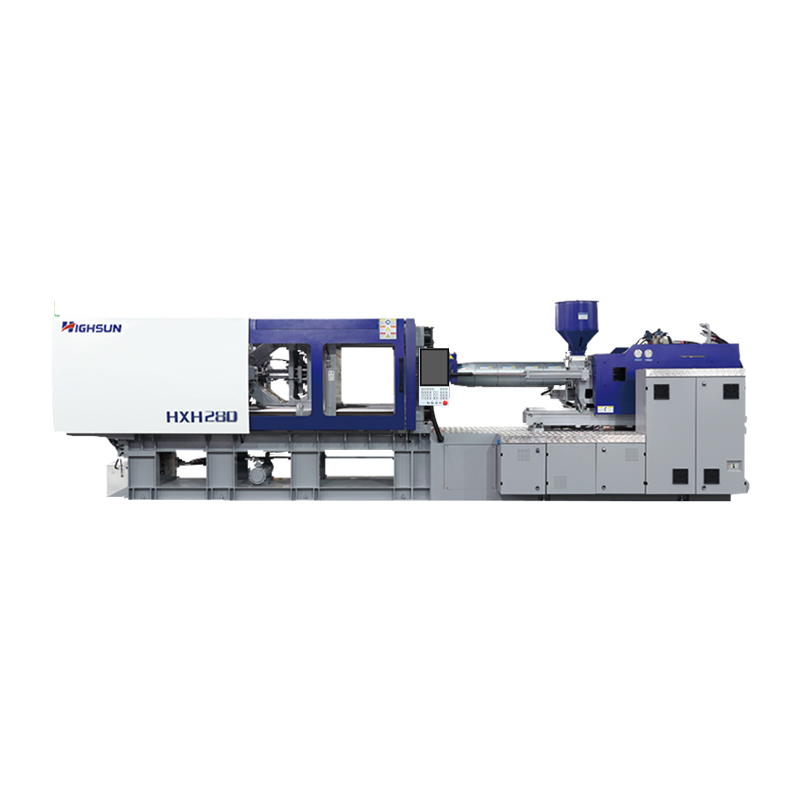 HXH280 High-Speed Injection Molding MachineA 280-tonne high-speed model with closed-loop pressure control, relevant when thin-wall work is weighed against large two-platen machines.View Product →
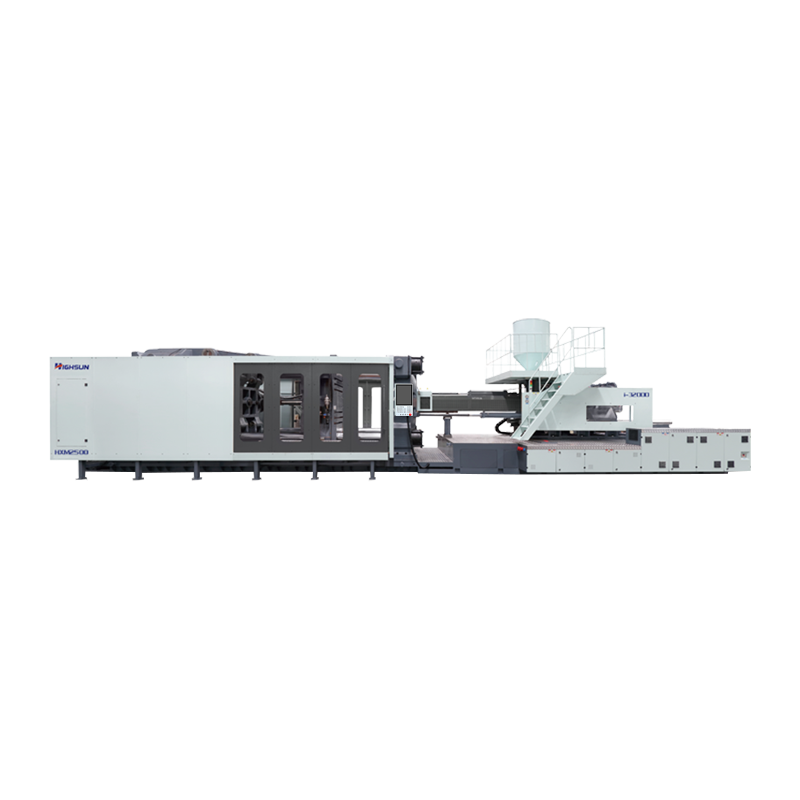
At the other end, large crates, automotive fixtures and pallet molds need platen size and clamping stability rather than raw injection speed. Two-platen designs reach 800 to 3300 tonnes with a shorter footprint and faster dry cycles than a toggle machine of equal tonnage — a real advantage when floor space and crane access set the plant layout. The automotive parts application section shows how those tonnages map onto typical interior and under-hood components.
 HXZ1600 Two-Platen Injection Molding MachineA 1,600-tonne two-platen machine for large molds, offering clamping stability and a shorter footprint than equal-tonnage toggle designs.View Product →
Five checks before you sign
- Mold height and tie-bar spacing. Confirm the tool fits with usable daylight left for the ejector stroke; a larger machine is the most expensive way to solve a 20 mm problem.
- Measured energy data on your part. Ask for kWh per kilogram on a comparable tool, not a catalogue percentage.
- Acceptance trial criteria. Write the cycle time, part weight tolerance and scrap rate into the purchase order.
- Spare parts and response time. Screw, barrel, seals and controller boards should be available within weeks, not quarters.
- Material-specific detail. PVC needs a corrosion-resistant screw and a defined purging procedure; PET needs dehumidified resin and a high-response injection axis. These are not options to add later.
Frequently asked questions
What does “molding injection” mean in machine specifications?
It describes the same process as injection molding: resin is melted, injected into a closed tool and cooled. Buyers and catalogs use both word orders, so specifications are directly comparable.
How much clamp force does my mold need?
Multiply the projected area in cm² by cavity pressure in bar, divide by 1000, then add a 10–20% margin. A 100 cm² part at 400 bar works out near 40 tonnes before the margin.
How do I know if the shot size is too small for the machine?
If total shot weight falls below 20% of rated barrel capacity, residence time gets long and resin quality drops. Above 80%, screw recovery starts extending the cycle.
What cycle time is realistic for thin-wall containers?
It depends almost entirely on wall thickness and cooling design. Below 1 mm, a well-cooled tool with high-speed injection can beat any cycle a general-purpose machine can hold.
Servo or all-electric — which saves more energy?
All-electric removes hydraulic losses entirely and holds the tightest repeatability. Servo hydraulic captures most of the saving at a lower purchase price, and the gap narrows on parts with long cooling phases.
What weekly maintenance keeps a machine stable?
Check lubrication lines, hydraulic oil temperature and filter condition, grease the tie bars, and test the safety limit switches. Most drift problems traced to “machine instability” start in these four tasks.
 +86-188 6861 6288
 haixiong@highsun-machinery.com
 No.36 Yongjiang South Road, Beilun District. Ningbo City, 315800, China
