 ENG
ENG  English
 русский
 Español
 Português
 عربى
عربى


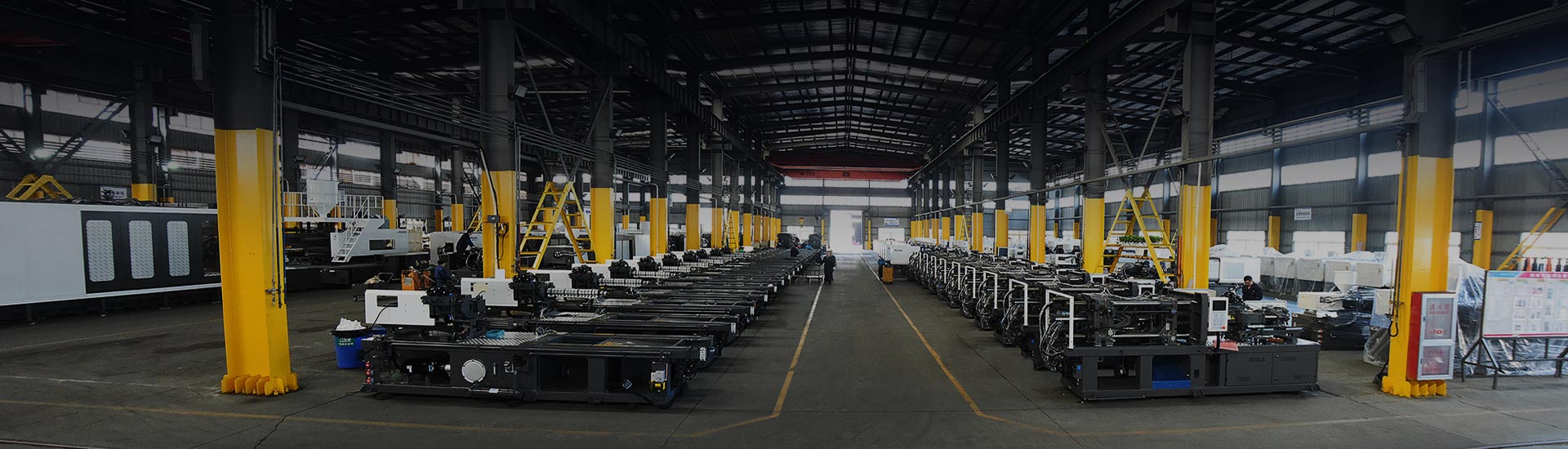
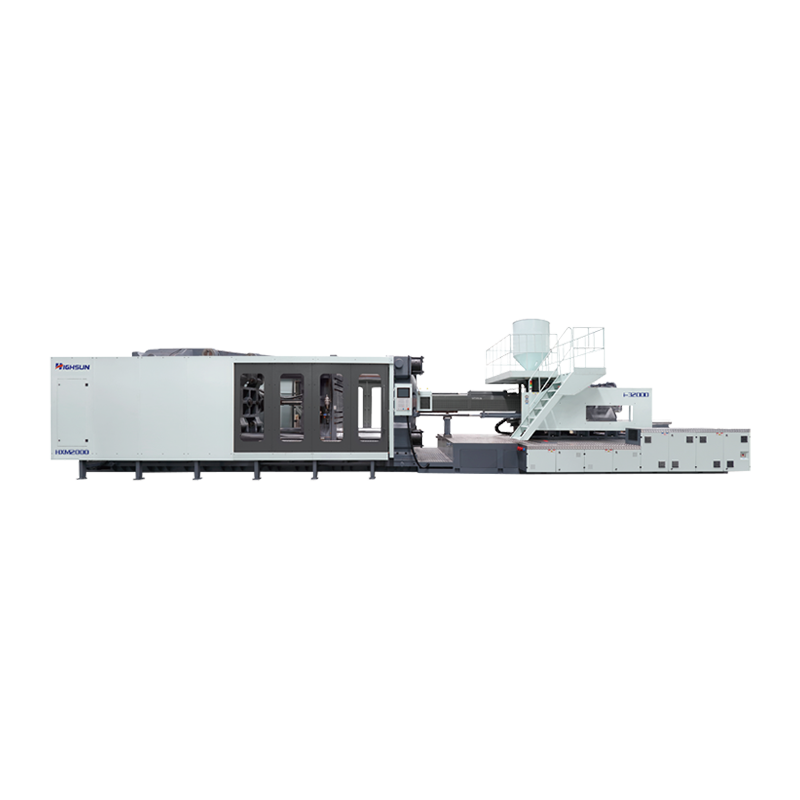
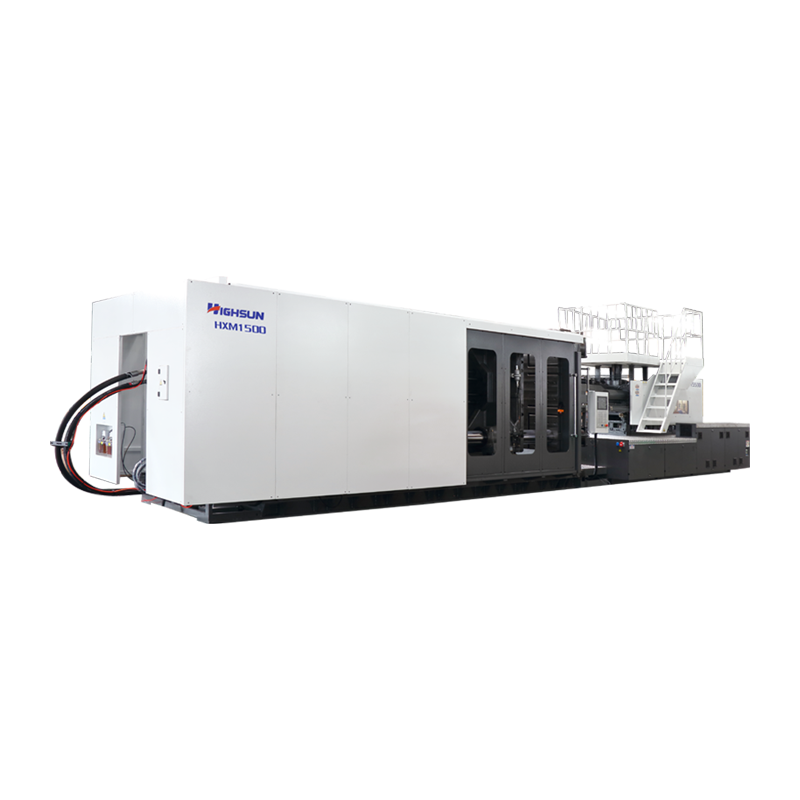
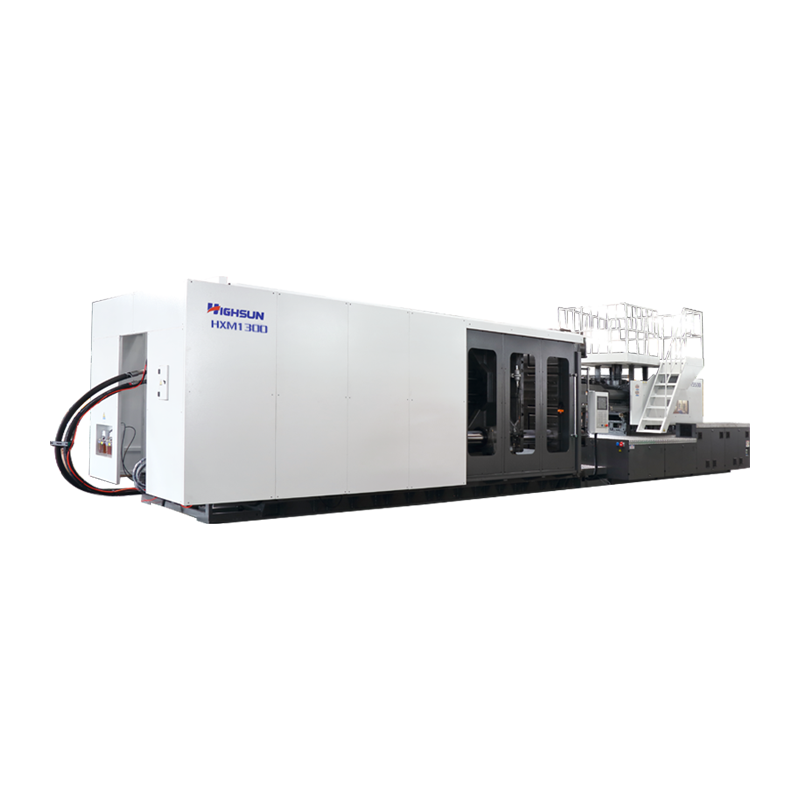
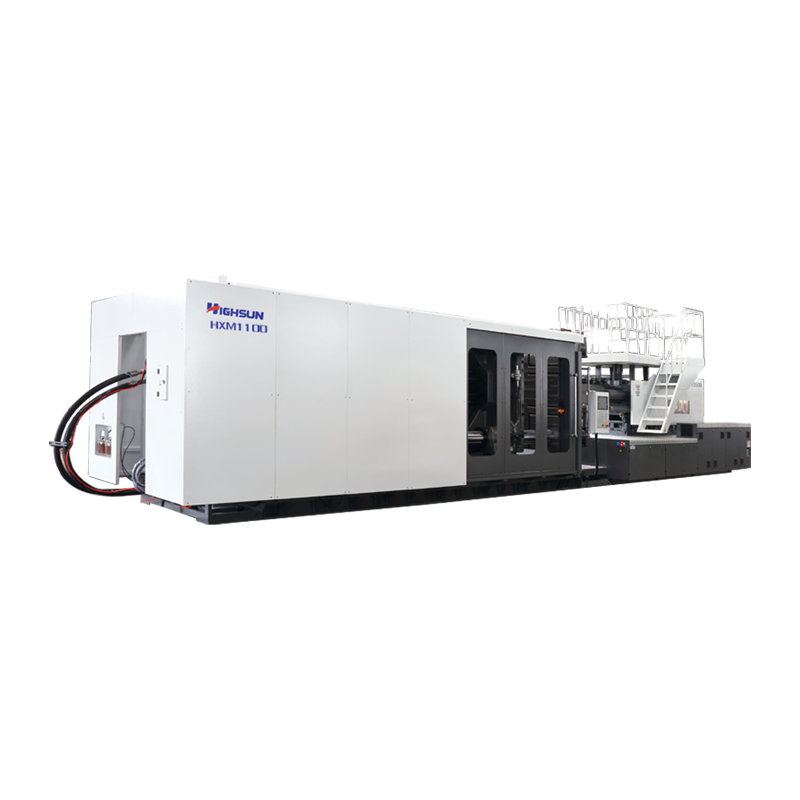
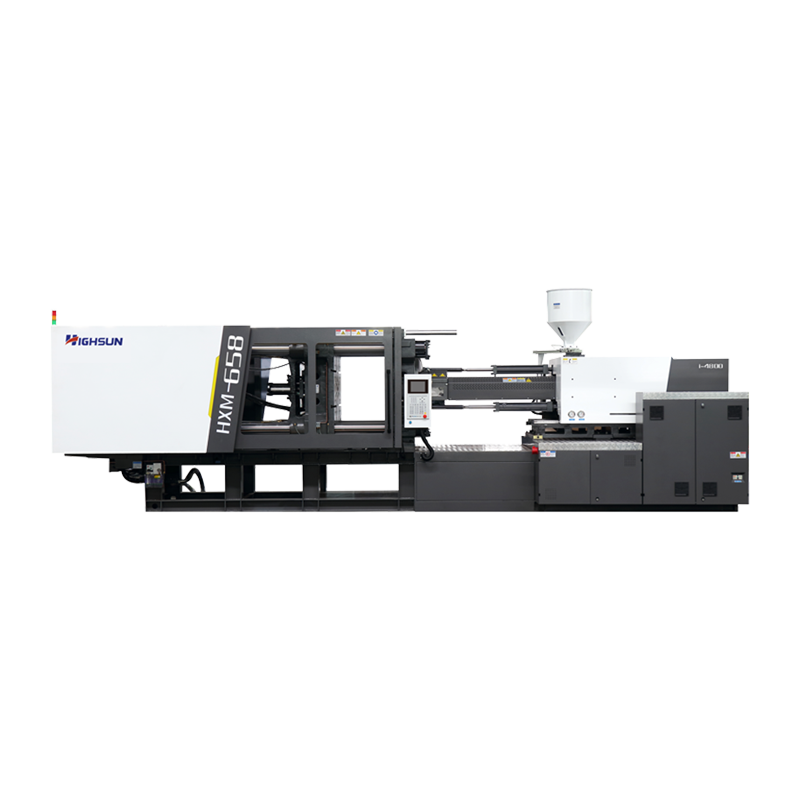
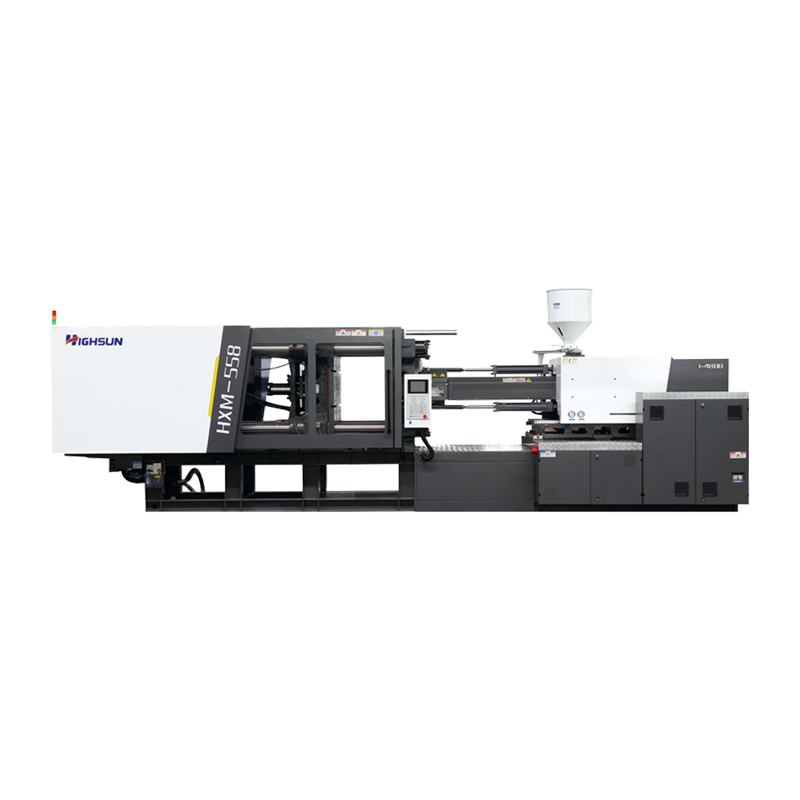
PET injection molding machines, as a highly efficient production equipment, are widely used in the production of plastic products such as beverage bottles, food containers, and cosmetic bottles. Regular maintenance is crucial to ensure long-term stable operation, improve production efficiency, and extend the equipment's lifespan.
Content
- 1 1. Regular Cleaning and Inspection
- 2 2. Check and Adjust Injection Molding Machine Parameters
- 3 3. Maintenance of the Injection Molding Machine Hydraulic System
- 4 4. Electrical System Inspection and Maintenance
- 5 5. Regularly Inspect Machine Mechanical Components
- 6 6. Regularly Conduct Equipment Inspections and Fault Prevention
1. Regular Cleaning and Inspection
(1) Cleaning the Hydraulic System
The hydraulic system is an important component of the PET injection molding machine. Regularly cleaning the hydraulic oil tank and oil pipes to ensure the cleanliness of the hydraulic oil is key to preventing system failure. It is recommended to change the hydraulic oil every 1000 hours or depending on the equipment's usage, and check for deterioration, contaminants, or impurities. Simultaneously, clean the hydraulic system filter to prevent system blockage.
(2) Cleaning the Inside of the Injection Molding Machine
The inside of the injection molding machine should be thoroughly cleaned each time it is stopped, especially the screw and barrel. Regularly use a specialized cleaning agent to remove plastic residue from the barrel to avoid aging and cross-contamination. This not only ensures product quality but also prevents excessive material buildup from affecting machine performance.
2. Check and Adjust Injection Molding Machine Parameters
(1) Temperature Control System
The temperature control system of the injection molding machine is crucial to the production process. PET materials require different temperatures at different production stages, therefore the accuracy of the temperature control system must be checked regularly. Ensure the heater and cooling system are operating normally, and replace damaged temperature sensors promptly to avoid poor molding or equipment damage due to temperature fluctuations.
(2) Screw and Barrel Inspection
The screw is the core component of the PET injection molding machine, directly affecting production quality and efficiency. Regularly check the wear of the screw and perform necessary repairs or replacements. Especially after long-term operation, wear can easily occur between the screw and the barrel, leading to decreased plasticizing effect, longer production cycles, and even affecting the appearance and quality of the product.
(3) Injection Pressure and Speed Adjustment
Injection pressure and injection speed are key factors affecting the quality of injection molded products. During maintenance, the injection pressure and speed of the injection molding machine must be checked and adjusted regularly to ensure they are within the appropriate operating range. Excessively high or low pressure can affect the quality of the product and even lead to equipment failure.
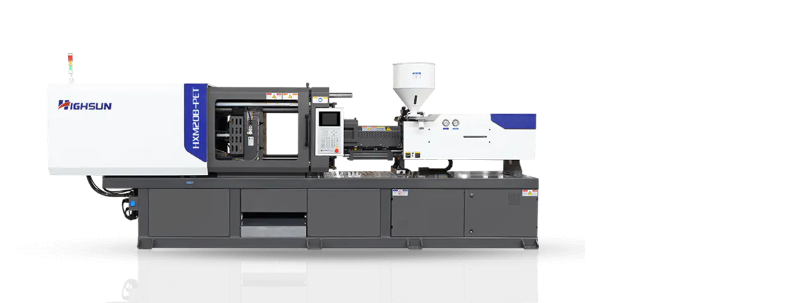
3. Maintenance of the Injection Molding Machine Hydraulic System
(1) Hydraulic Oil Inspection
The quality of the hydraulic oil directly affects the machine's operating efficiency. Regularly check the color, odor, and viscosity of the hydraulic oil. If the hydraulic oil darkens or has an unusual odor, it indicates that the oil has deteriorated and needs to be replaced promptly. In addition, check the hydraulic oil level; maintaining a proper oil level is fundamental to ensuring the normal operation of the hydraulic system.
(2) Hydraulic Cylinder and Pump Maintenance
The hydraulic cylinder and pump are key components of the hydraulic system. Regularly check the hydraulic cylinder for leaks, wear, or corrosion. Replace the seals if necessary to ensure sealing performance. The pump inspection should focus on checking whether its pressure and flow rate meet requirements, ensuring stable pump operation and not affecting production efficiency.
(3) Hydraulic Piping Inspection
The hydraulic piping is the lifeblood of the hydraulic system. Any leaks will lead to a decrease in hydraulic system efficiency or even equipment failure. Regularly check the sealing of hydraulic piping connections for aging, wear, leaks, etc., and replace damaged parts promptly.
4. Electrical System Inspection and Maintenance
(1) Electrical Component Inspection
The electrical system of an injection molding machine mainly includes the control box, sensors, relays, and motors. Regularly check the wiring in the control system for looseness, corrosion, overheating, etc., and clean the electrical components to ensure circuit stability and reliability. If any electrical components are found to be damaged or aged, they must be replaced promptly to avoid malfunctions.
(2) Motor Inspection
The motor is one of the core components driving the injection molding machine. Regularly check the motor's operation, ensuring the bearings are well lubricated, the noise level is normal, and the motor temperature is not too high. If any abnormalities are found, the machine should be stopped immediately for inspection, repair, or replacement.
(3) Control System Inspection
The control system of the injection molding machine directly affects the stability of the entire production process. Regularly check the software version in the control system to see if it needs upgrading, whether the circuit boards are damaged, and whether the communication system is operating normally. If any problems are found, they should be repaired or updated promptly to ensure the operational stability and accuracy of the injection molding machine.
5. Regularly Inspect Machine Mechanical Components
(1) Mechanical Component Lubrication
Mechanical components of the injection molding machine, such as the robotic arm and clamping device, require regular lubrication. Check the quantity and quality of the lubricating oil, change the lubricating oil regularly, ensure the smooth operation of the lubrication system, and reduce mechanical wear.
(2) Mold Cleaning and Inspection
The mold is a key component in injection molding production. During production, regularly check the wear condition of the mold and clean the plastic residue inside the mold in a timely manner to prevent residue accumulation from affecting product quality. In addition, check whether the surface of the mold is smooth and whether the temperature is normal to ensure that the mold is always in good working condition.
6. Regularly Conduct Equipment Inspections and Fault Prevention
(1) Preventive Maintenance
To avoid serious failures, preventive maintenance should be carried out regularly according to the usage of the equipment. Record the operating status of the equipment, analyze the causes of failures, and take measures in advance to reduce the occurrence of sudden failures.
(2) Equipment Inspection
Regularly inspect the wear condition of each component of the injection molding machine, especially key components such as the screw, mold, and hydraulic system. Discovering potential problems through inspection and handling them in a timely manner helps extend the service life of the equipment and ensure the stability of the production line.
Maintenance and upkeep of PET injection molding machines are crucial for the long-term stable operation of the equipment. Regular cleaning, inspection, and adjustment of all components ensure the proper functioning of the hydraulic, electrical, and mechanical systems, effectively improving production efficiency, reducing failure rates, and extending the equipment's lifespan. Focusing on daily maintenance and preventative care will save companies significant repair costs and ensure the efficient and stable operation of the production line.
 +86-188 6861 6288
 haixiong@highsun-machinery.com
 No.36 Yongjiang South Road, Beilun District. Ningbo City, 315800, China