 ENG
ENG  English
 русский
 Español
 Português
 عربى
عربى


Imagine quoting a new injection-molded part and discovering that the mold structure alone can move your per-piece cost by a double-digit percentage. The mold is a precision tool that fixes cycle time, dimensional consistency, and maintenance budget for years. Different products place different demands on the tool, and knowing the basic mold types is the first step to a realistic quote and a reliable production plan.
Content
- 1 Why Mold Type Matters More Than You Think
- 2 Two-Plate vs. Three-Plate Molds
- 3 Runner Systems: Cold, Hot, and Insulated Runners
- 4 Single-Cavity, Multi-Cavity, Family, and Stack Molds
- 5 Specialized Mold Types for Complex Parts
- 6 Choosing the Right Mold for Your Production Program
- 7 Frequently Asked Questions About Injection Mold Types
Why Mold Type Matters More Than You Think
Mold classification is not an academic detail. It drives four practical outcomes:
- Tooling cost: a simple two-plate cold-runner mold costs a fraction of a hot-runner or stack mold.
- Cycle time: hot runners and multi-cavity designs reduce part handling and per-cycle labor.
- Part quality: gate marks, knit lines, and dimensional stability are decided by runner, gate, and cooling geometry.
- Maintenance: how easily the mold can be cleaned, polished and repaired depends on its construction.
Choosing a mold type also selects the operating envelope for your injection molding machine. A deep, high-cavitation hot runner mold needs high plasticizing capacity and stable temperature control, while a family mold may require more clamp force per part than a single-cavity design.
Two-Plate vs. Three-Plate Molds
The most common structural classification is by the number of parting planes. A two-plate mold has one parting line, with the runner and cavity on the same side of the split. It is simple, robust, and relatively inexpensive to build. A three-plate mold adds a second parting plane, which allows the runner to be stripped automatically and lets you gate parts at the center of the cavity. This convenience comes with higher toolmaking cost and more demanding setup.
Isometric view of a two-plate mold: the parting line separates the A plate (cavity) from the B plate (core).
| Feature | Two-plate mold | Three-plate mold |
|---|---|---|
| Typical cost | Lower | Higher |
| Setup complexity | Simple | More complex |
| Gate location | Usually edge gate | Center gate possible |
| Runner separation | Manual or with hot runner | Automatic at parting plane |
| Best for | General simple parts | Multi-drop or center-gated parts |
Runner Systems: Cold, Hot, and Insulated Runners
Runner type determines how much material is recycled and how fast the machine can cycle. A cold runner solidifies in the mold and is ejected with the part, which is simple but creates regrind. A hot runner keeps the plastic molten all the way to the gate, eliminating runner removal and reducing pressure loss; it costs more and needs careful temperature control. An insulated runner sits between the two: it freezes an insulating layer on the wall while the core stays molten, saving some material at moderate cost.
Illustrative material waste by runner type (lower is better)
Relative index based on typical practice; actual values depend on part design and machine settings.
For high-volume parts, the lower waste of a hot runner usually outweighs the initial investment. For short runs, a cold runner keeps tooling cost low and simplifies maintenance.
Single-Cavity, Multi-Cavity, Family, and Stack Molds
If you sort molds by cavity arrangement, the choices range from a single cavity to dozens. A single-cavity mold is the cheapest to build and easiest to qualify, but it limits output. Multi-cavity molds cut per-part cost by producing several identical parts per cycle. A family mold holds different parts in one tool, so one cycle makes a set of components; the downside is that unbalanced cavities can cause filling problems. A stack mold essentially stacks two parting lines, doubling output without increasing clamp force as much as an ordinary multi-cavity tool.
Illustrative relative indices: higher bars indicate higher output, cost or difficulty.
The best cavity arrangement balances your annual volume, acceptable risk, and machine platen size. If output is the main driver, a multi-cavity or stack design often wins; if the project is still being validated, start with a single cavity to prove the process.
Specialized Mold Types for Complex Parts
Some part features force the mold to do more than open and close. Threads, undercuts, inserts, and multi-material joints require specialized tooling concepts.
Unscrewing and Side-Action Molds
An unscrewing mold uses a rotating core to release threaded products such as caps and fittings. A side-action mold moves a slide perpendicular to the opening direction to create undercuts that cannot be stripped directly. Both add moving parts and increase wear, so the mold maker must design for good lubrication and easy replacement.
Insert and Two-Shot Molds
Insert molding places a metal or plastic insert in the cavity before injection, often to provide threads, contacts, or internal seals. Two-shot molding, also called overmolding in a closed process, molds a second layer of material onto a first shot in the same cycle, giving a durable bond without a secondary operation. The bond strength and appearance depend on material compatibility and precise process control.
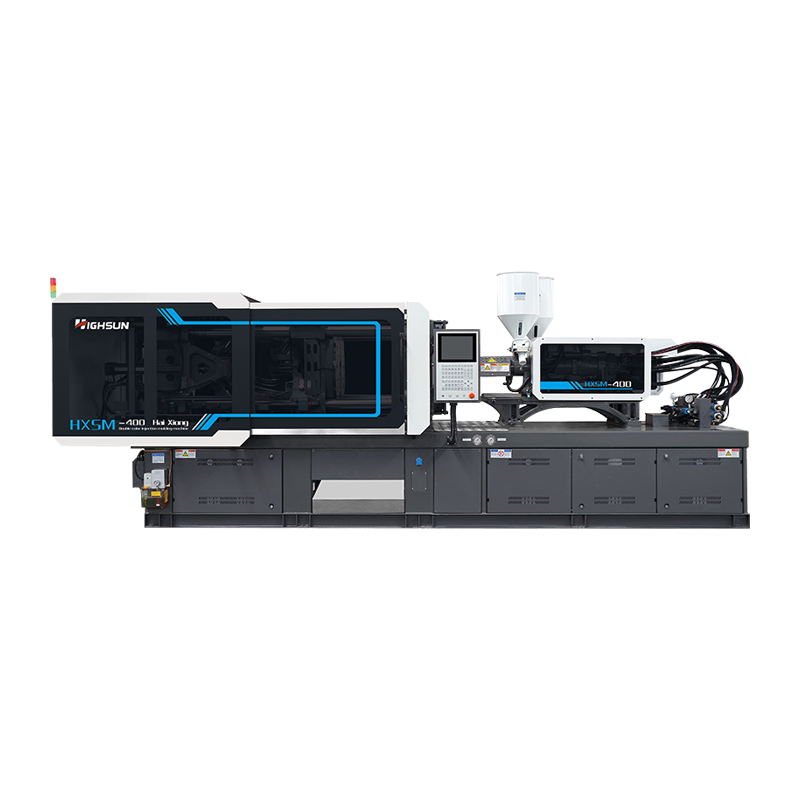
Two-shot parts are usually molded on a platen that rotates 180 degrees between injection units. A two-color injection molding machine with a rotating platen is designed for this exact sequence, and the tooling must include precise indexing features if the two layers are to align consistently.
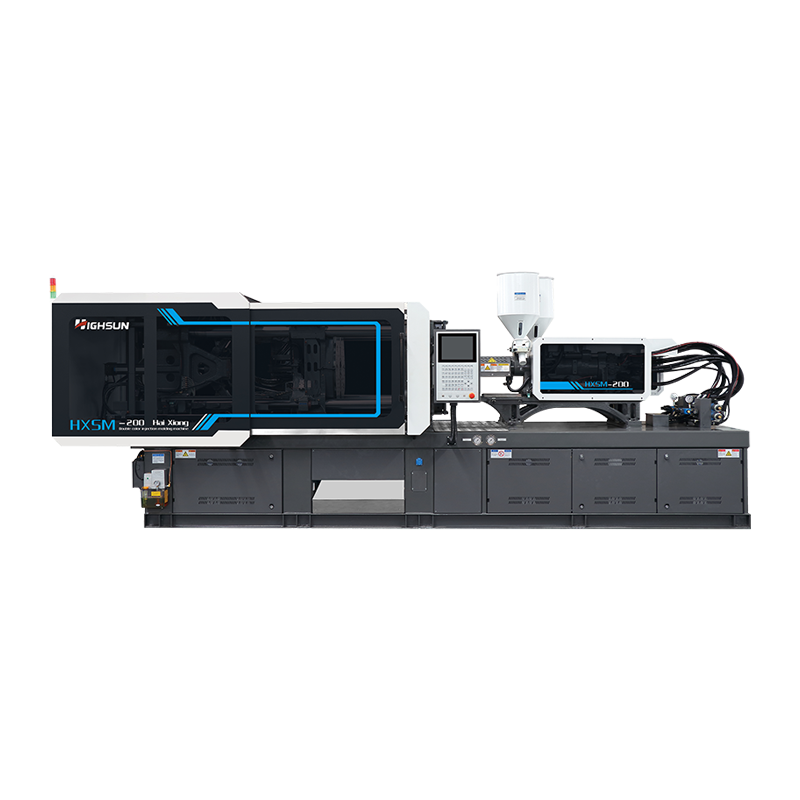 HXS200: HXS two-color injection molding machine Suppliers, OEM/ODM Company - NinNingbo beilun highsun machinery Co., ltd is top HXS200: HXS two-color injection molding machine suppliers and OEM/ODM company in China, T...View Product →
Choosing the Right Mold for Your Production Program
Start from the annual quantity and part geometry, then match the tool to a machine with enough shot size, clamp tonnage and control precision. The following points guide the decision:
- Annual volume and expected run length determine how much automation and hot runner cost you can justify.
- Gate requirements and visible marks influence the choice between cold and hot runner, and between edge and center gating.
- Undercuts and side actions add tooling complexity and maintenance, so simplify the part if possible.
- Tolerance and surface finish targets decide whether you need a hot runner for stable temperature and a multi-cavity design with balanced filling.
- Material type, such as PET, PVC or glass-filled compounds, affects both the mold material and the plasticating unit of the machine.
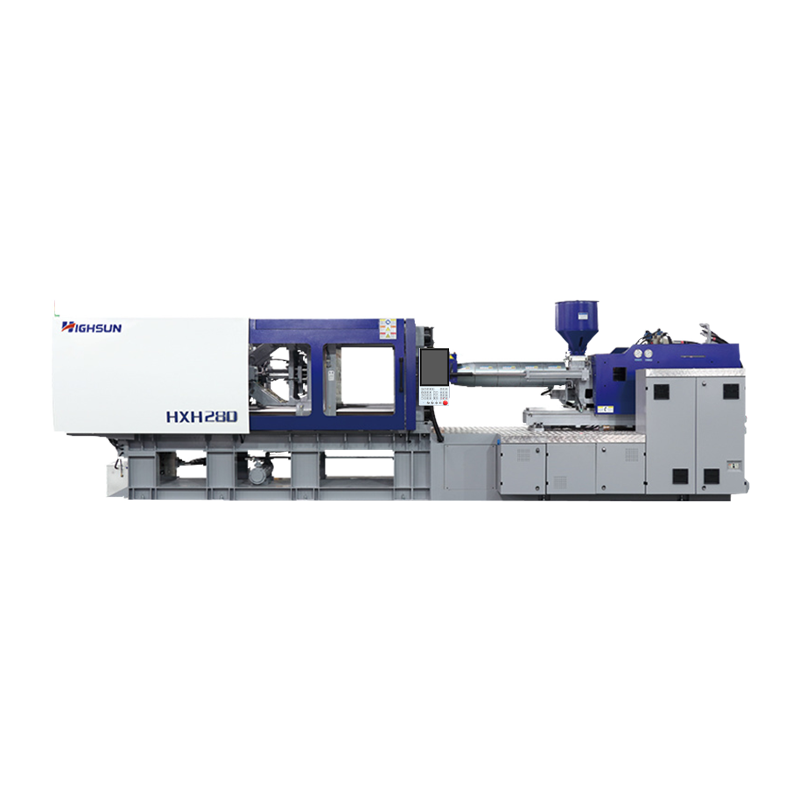
For high-speed thin-wall production, a conventional machine may not supply enough injection speed or pressure. In this case, pair a well-vented mold with a high-speed injection molding machine designed for thin-wall applications.
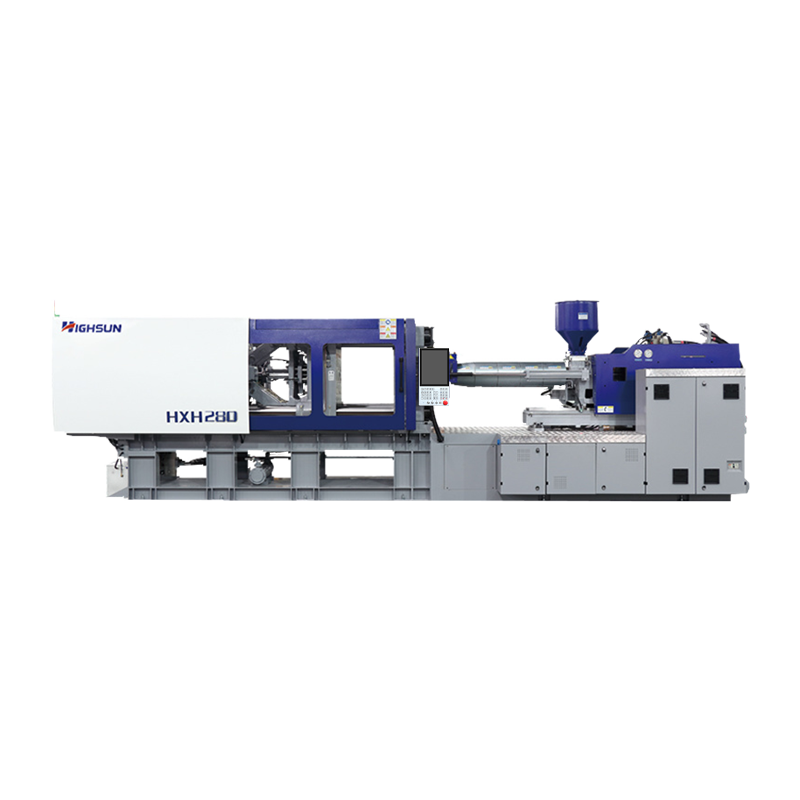 HXH280: HXH high-speed injection molding machine Suppliers, OEM/ODM Company - NiNingbo beilun highsun machinery Co., ltd is top HXH280: HXH high-speed injection molding machine suppliers and OEM/ODM company in China, ...View Product →
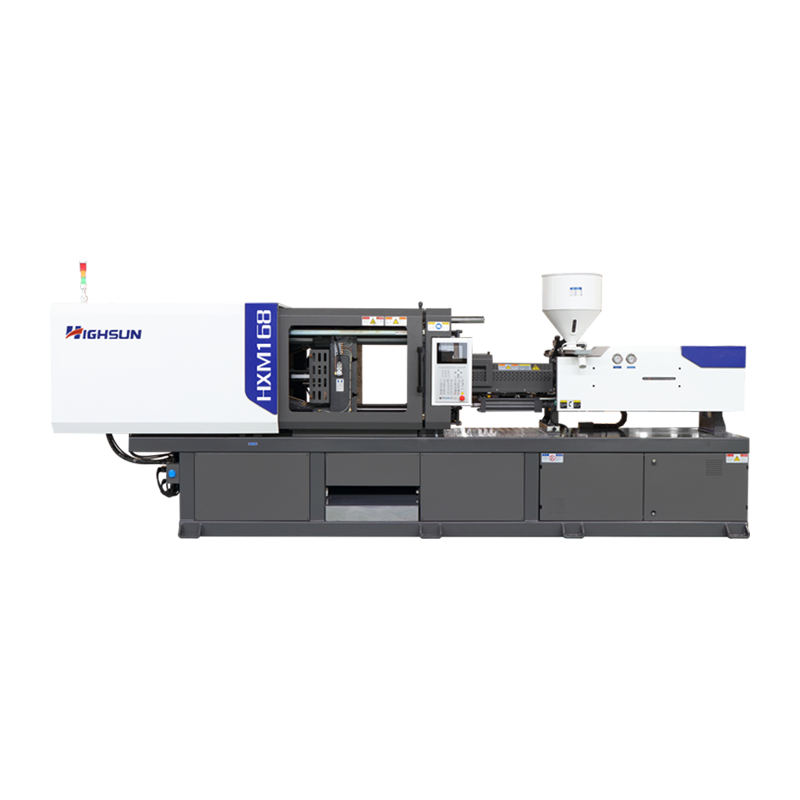
PET preforms are another example: the mold is simple in principle, but the machine must have a PET-optimized screw, precise melt temperature and low-shear plastication. A PET preform injection molding machine can handle these conditions more reliably than a general-purpose hydraulic machine.
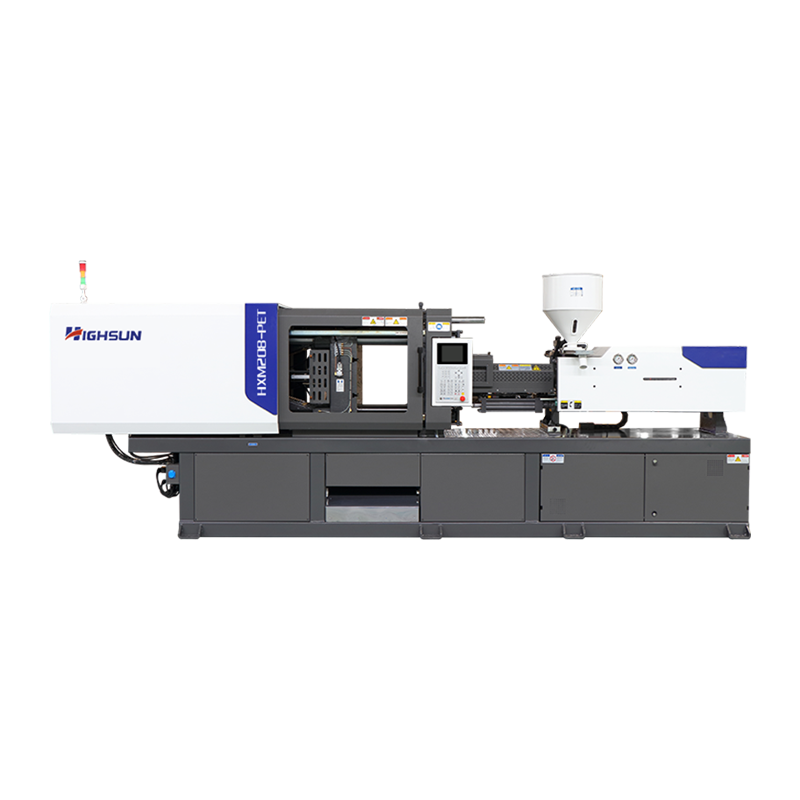 HXM208-PET: PET-preform injection molding machine Suppliers, OEM/ODM Company - NNingbo beilun highsun machinery Co., ltd is top HXM208-PET: PET-preform injection molding machine suppliers and OEM/ODM company in China,...View Product →
Before finalizing the tooling, also check the tie-bar distance and mold height of the selected machine. You can review the full product range to compare clamping force and shot capacity.
Frequently Asked Questions About Injection Mold Types
What are the main types of molds in injection molding?
The main families are two-plate, three-plate, cold runner, hot runner, multi-cavity, family, stack, and specialized molds such as unscrewing and two-shot molds.
What is the difference between cold runner and hot runner molds?
Cold runner molds eject solidified runners each cycle and create regrind. Hot runner molds keep the runner molten, saving material and reducing cycle time, but they cost more to build and maintain.
What is a two-shot injection mold?
A two-shot mold molds two materials or colors in one cycle, often using a rotating platen or a dedicated two-color machine. It improves bond strength and reduces assembly steps.
How many cavities should I choose for my mold?
It depends on the annual volume, part size and required tolerances. Multi-cavity molds lower per-part cost but increase tooling cost, balance risk and maintenance.
How long does an injection mold last?
With regular maintenance, a production mold can last from 100,000 to over one million cycles, depending on steel grade, molding material and process pressure.
What is a family mold?
A family mold contains multiple cavities with different shapes, producing a set of parts in one cycle. It saves equipment but may cause unbalanced filling and quality variations.
 +86-188 6861 6288
 haixiong@highsun-machinery.com
 No.36 Yongjiang South Road, Beilun District. Ningbo City, 315800, China