 ENG
ENG  English
 русский
 Español
 Português
 عربى
عربى


Content
- 1 Quick Answer: What To Look For In An Injection Molding Machine Factory
- 2 Understanding The Role Of An Injection Molding Machine Factory
- 3 Main Machine Series Produced By A Plastic Injection Molding Machine Factory
- 4 Clamping Force Classification And Machine Series Comparison
- 5 Understanding The Injection Molding Cycle And Where Time Is Spent
- 6 Hydraulic, Electric, And Hybrid Machines: A Practical Comparison
- 7 Regional Demand And Where China Fits Into The Global Picture
- 8 Core Structural Components Of An Injection Molding Machine
- 9 How To Evaluate An Injection Molding Machine Manufacturer In China
- 10 Industries And Applications Served By Injection Molding Machines
- 11 Manufacturing And Testing Practices At A Professional Injection Molding Machine Factory
- 12 About Ningbo Highsun Plastic Machinery Co., Ltd.
- 13 Practical Checklist Before Choosing An Injection Molding Machine Manufacturer
- 14 Frequently Asked Questions
- 14.1 Q1. What does an injection molding machine factory actually produce
- 14.2 Q2. How is a plastic injection molding machine factory different from a plastic parts manufacturer
- 14.3 Q3. What clamping force range should I look for
- 14.4 Q4. Is a hydraulic, electric, or hybrid machine better for my application
- 14.5 Q5. Can an injection molding machine manufacturer in China provide customized configurations
- 14.6 Q6. How long does it typically take to receive a new machine
- 14.7 Q7. What should I check before finalizing a machine order
- 14.8 Q8. Does a China injection molding machine factory support installation and commissioning
Quick Answer: What To Look For In An Injection Molding Machine Factory
A dependable injection molding machine factory is generally evaluated on five practical points: the breadth of its clamping force range, the variety of machine series it produces, its ability to support customized configurations, its manufacturing and testing practices, and the technical support it offers after delivery. Buyers comparing a plastic injection molding machine factory against another supplier usually gain more clarity by reviewing these points directly rather than relying on general impressions.
A factory that documents its clamping force range, machine series, and testing practices in specific terms is generally easier to evaluate than one that speaks only in broad claims. The sections below walk through each of these points in more detail, along with reference charts that illustrate how injection molding machines are typically classified and compared across the industry.
Understanding The Role Of An Injection Molding Machine Factory
An injection molding machine factory designs, assembles, and tests the presses used to convert raw plastic granules into finished parts. Rather than producing the plastic components themselves, the factory builds the equipment, the injection unit, the clamping system, and the control system, that downstream manufacturers rely on for their own production lines.
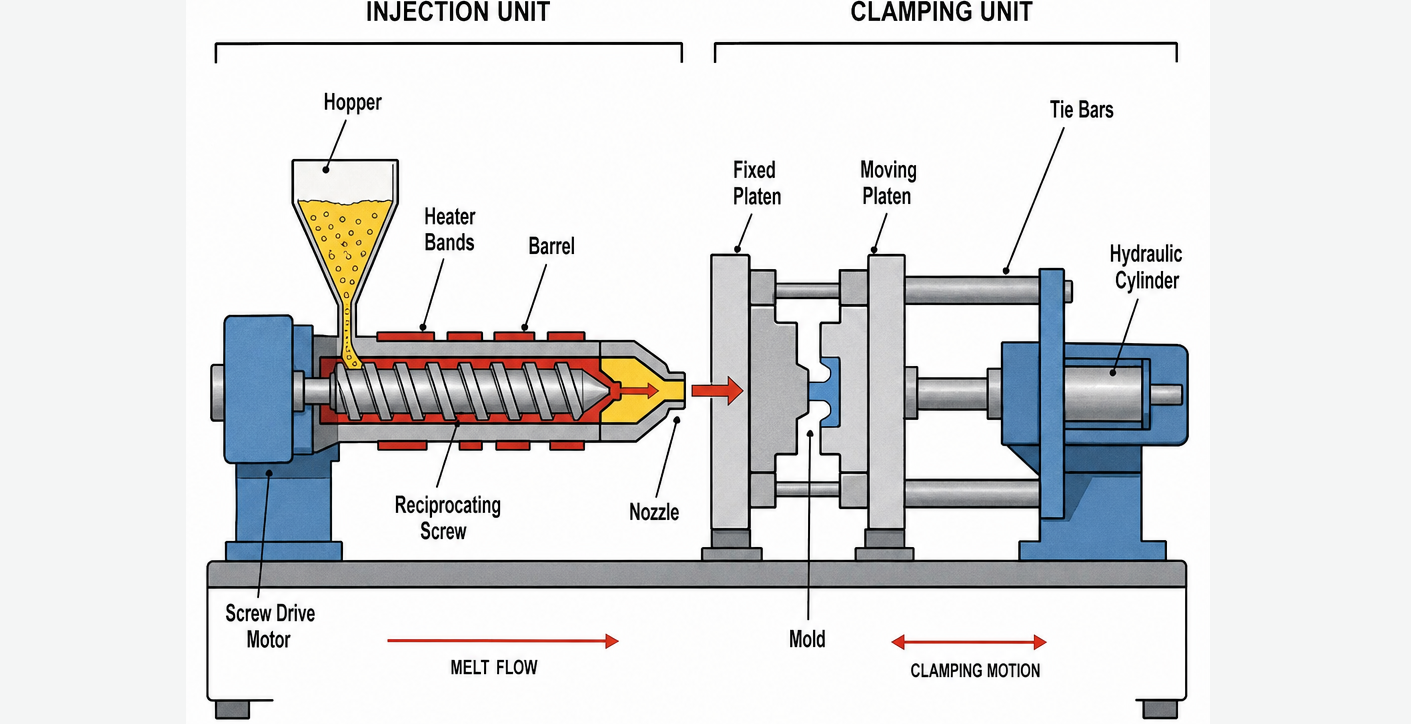
The molding process itself follows a repeatable sequence. Plastic material is fed into a heated barrel, where a rotating screw melts and pushes it forward. Once enough material has accumulated, the screw advances and injects the molten plastic into a closed mold under pressure. The material is held under pressure briefly to compensate for shrinkage, then allowed to cool inside the mold before the mold opens and the finished part is ejected. This sequence repeats continuously during production, and the speed and consistency of each phase depends heavily on how the machine itself is engineered.
Sourcing region plays a meaningful role in this industry. China is home to a large concentration of injection molding machine manufacturers, along with an extensive supply chain for components such as screws, barrels, hydraulic systems, and control electronics. Ningbo, in particular, is often referred to within the plastics machinery industry as a significant manufacturing hub, with multiple plastic injection molding machine manufacturers operating in close proximity to component suppliers and engineering talent. This concentration tends to support shorter internal supply chains and a wide range of available machine series, from compact models to large two-platen configurations. Buyers researching an injection molding machine factory in China often find that this regional density translates into a broader selection of tonnage ranges and drive-system options compared to smaller, more isolated production bases.
Main Machine Series Produced By A Plastic Injection Molding Machine Factory
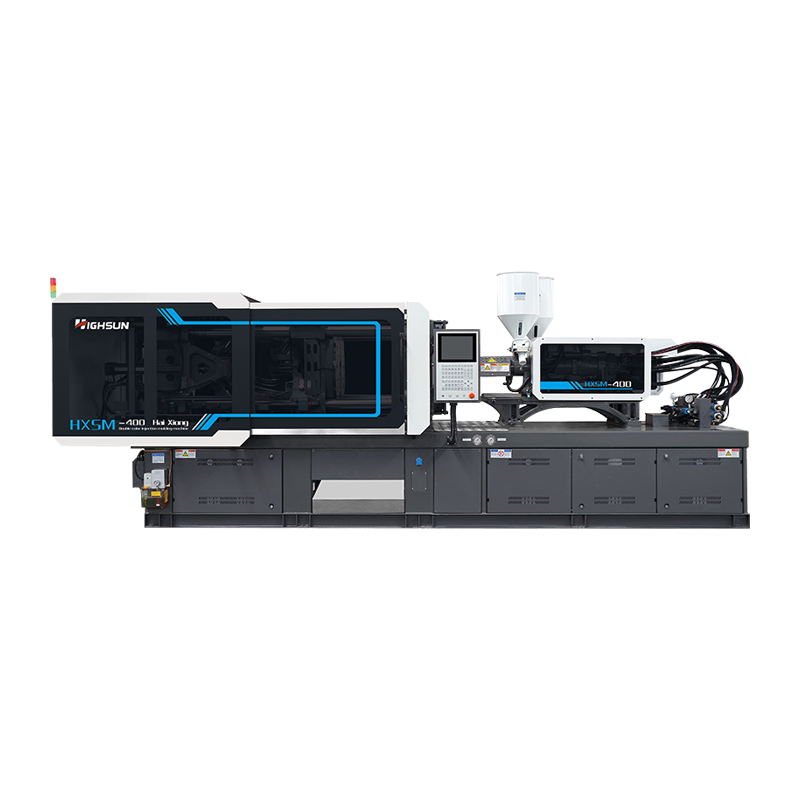
Most established manufacturers organize their product line into distinct series, each engineered around a particular combination of tonnage, speed, or material handling requirement. The table below summarizes the general categories commonly offered across the industry.
| Machine Series | Typical Configuration | Common Use Case |
|---|---|---|
| Electric and Oil Hybrid Series | Combines servo-driven precision with hydraulic clamping power | General-purpose production needing balanced efficiency and force |
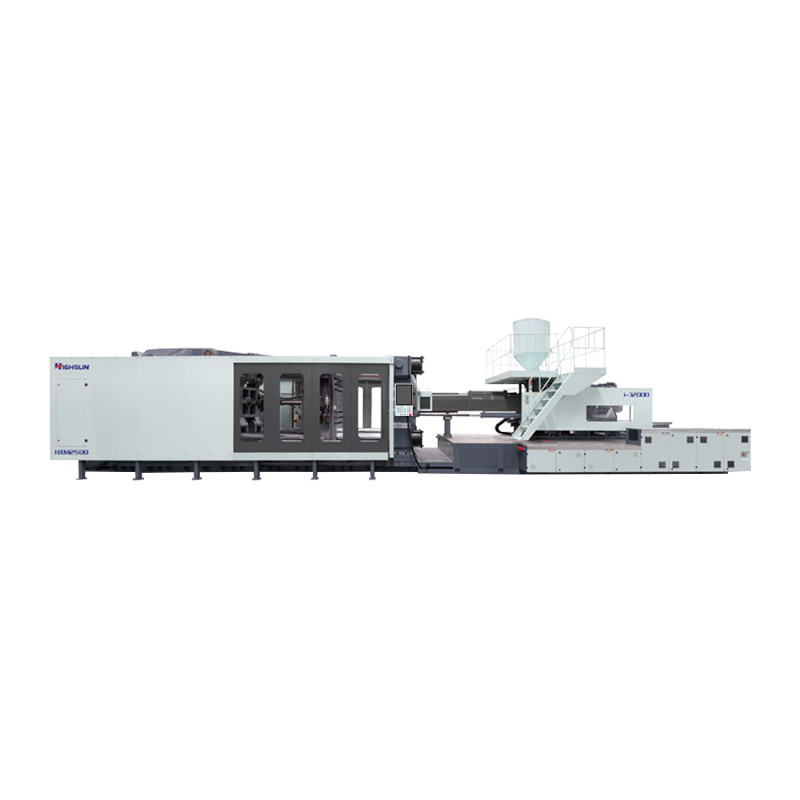
| Two-Platen Series | Uses a two-platen clamping structure suited to wide mold widths | Large or heavy molds beyond standard tie-bar spacing |
| High-Speed Series | Optimized for rapid injection and short cycle times | Thin-wall packaging and high-volume consumer parts |
| Unmixed and Mixed Double-Color Series | Equipped with two injection units for two-material or two-color parts | Multi-material components such as soft-touch grips or two-tone housings |
| BMC Series | Configured for bulk molding compound processing | Electrical insulation parts and heat-resistant components |
| PET Series | Tuned for polyethylene terephthalate preform production | Beverage and packaging preforms |
| PVC Series | Adapted for corrosive and heat-sensitive PVC material handling | Pipe fittings and construction-related components |
Clamping Force Classification And Machine Series Comparison
Clamping force is the amount of force a machine applies to keep the mold closed while molten plastic is injected under pressure. It is expressed in tons and is one of the first specifications buyers reference when comparing an injection molding machine factory against another supplier. The required clamping force for a given part is generally calculated from the projected area of the part, the injection pressure involved, and characteristics of the material being molded, rather than chosen as a stand-alone number.
Reference Chart: Clamping Force By Machine Series
Illustrative clamping force reference by series, based on general industry segmentation. Actual series boundaries vary by manufacturer.
As shown in the reference chart above, machine series are commonly grouped by tonnage range rather than by a single fixed value, since each series is designed to cover a working range of applications. A compact series machine suited to small precision parts is not simply a smaller version of a two-platen machine, it is engineered differently around lower tonnage requirements. Two-platen configurations, in particular, are often selected for large or heavy molds where the mold width exceeds what a standard tie-bar spacing can accommodate, which is why they extend toward the higher end of the tonnage range.
Understanding The Injection Molding Cycle And Where Time Is Spent
Every injection molding cycle moves through the same general phases: filling the mold cavity, packing and holding pressure to compensate for shrinkage, cooling the part inside the mold, and finally opening the mold to eject the finished piece. Total cycle time is the sum of these phases, though some, such as material plasticizing, can overlap with cooling depending on machine design.
Reference Chart: Cycle Time Distribution By Phase
Illustrative distribution using a representative mid-range figure. Cooling is widely documented across process engineering references as generally accounting for roughly sixty to eighty percent of total cycle time, with the exact share depending on wall thickness, material, and mold design.
Cooling time is commonly documented as the largest single portion of the total cycle, which is why mold cooling channel design and machine repeatability both have a direct effect on overall production speed. A plastic injection molding machine manufacturer that offers precise, repeatable temperature and pressure control can help reduce variability in the other phases, even though cooling time itself is primarily governed by the mold and material rather than the machine alone.
Hydraulic, Electric, And Hybrid Machines: A Practical Comparison
Injection molding machines are generally built around one of three drive systems: hydraulic, electric, or hybrid. Hydraulic systems use pressurized fluid to power clamping, injection, and ejection movements, and have historically been associated with high clamping force and established performance at large tonnage. Electric systems rely on servo motors for each major motion, which is commonly associated with higher precision, lower operating noise, and reduced energy draw, since the motors primarily consume power when motion is required rather than running continuously.
Reference Chart: General Drive System Comparison
Illustrative one-to-five comparison reflecting general characteristics commonly reported across machinery engineering resources, not measurements of a specific machine model.
| Factor | Hydraulic | Electric | Hybrid |
|---|---|---|---|
| Typical Energy Use | Higher, pump often runs continuously | Lower, power drawn mainly on demand | Moderate, depends on configuration |
| Precision Control | Good, improves with advanced valves | Very high, direct servo control | High |
| Operating Noise | Noticeable during operation | Generally quiet | Moderate |
| Clamping Force Capability | Well suited to very large tonnage | Traditionally more common at small to mid tonnage | Wide range, often paired with two-platen designs |
| Maintenance Pattern | Regular attention to oil, seals, and filters | Fewer fluid-related maintenance items | Mixed, reflecting both drive types |
Hybrid machines combine elements of both approaches, typically using servo-electric control for the injection unit while relying on hydraulic power for clamping. This combination is intended to balance precision and energy efficiency against the higher clamping force that some large or heavy-mold applications require. Reported energy savings for electric machines relative to comparable hydraulic systems vary fairly widely across sources, commonly cited in a broad range of roughly twenty to seventy percent depending on duty cycle, machine size, and how continuously the hydraulic pump would otherwise run. Because the difference depends so much on the specific application, buyers evaluating an injection molding machine manufacturer are generally better served by requesting duty-cycle-specific information rather than relying on a single general figure.
Regional Demand And Where China Fits Into The Global Picture
Demand for injection molding machines has followed a fairly steady upward trend over recent years, driven largely by continued growth in automotive components, packaging, consumer goods, and electronics manufacturing. Industry market research reports covering this sector generally describe compound annual growth in the low to mid single digits over the coming several years, reflecting steady rather than rapid expansion.
Reference Chart: Illustrative Demand Trend
Relative index shown for illustration, reflecting the general growth direction described across multiple industry market research reports rather than any single reported figure.
Asia-Pacific has consistently represented the largest regional share of this demand, generally cited at around two-fifths of the global market according to multiple industry market research reports, with China representing a significant portion of that regional total. This concentration reflects the scale of plastics processing activity based in the region, along with the density of injection molding machine manufacturers and their associated supply chains. For buyers, this regional weighting is part of why sourcing from an injection molding machine factory in China is a common starting point, given the breadth of machine series and tonnage ranges typically available from manufacturers operating in the region.
Core Structural Components Of An Injection Molding Machine
While machine series and drive systems vary, most injection molding machines share the same general structural layout. Understanding these components helps buyers interpret specification sheets and ask more informed questions when comparing options from different manufacturers.
Reference Diagram: Machine Structure (Isometric View)
Simplified structural illustration for reference purposes. Actual component layout and proportions vary by machine series and tonnage.
- Hopper - feeds raw plastic pellets or granules into the barrel for melting.
- Injection Unit (Barrel and Screw) - heats and pushes molten plastic material toward the mold through the nozzle.
- Clamping Unit And Mold Area - holds the mold halves together under pressure during injection and cooling, including the fixed and moving platens and the tie bars that guide them.
- Control Panel - houses the interface for setting and monitoring injection pressure, speed, temperature, and cycle parameters.
- Base Frame - provides structural support and alignment for the injection unit and clamping unit.
Buyers reviewing a plastic injection molding machine factory often focus their questions around the injection unit and clamping unit, since these two systems most directly affect part quality and production speed. The base frame and control panel, while less discussed, still play a meaningful role in overall machine stability and ease of operation.
How To Evaluate An Injection Molding Machine Manufacturer In China
Comparing injection molding machine manufacturers is easier when the evaluation is broken into specific, checkable points rather than treated as a single overall impression. The following considerations reflect the practical questions that buyers commonly raise when researching an injection molding machine manufacturer in China.
- Machine series and tonnage range - confirm whether the manufacturer produces the specific series and clamping force range required for the application, rather than assuming a single series covers every use case.
- Customization capability - ask whether non-standard requirements, such as double-color injection or specialized screw geometry, can be accommodated within the existing production line.
- Production scale - a larger factory floor and broader equipment base can indicate more consistent capacity for handling multiple concurrent orders.
- Testing and calibration process - ask how machines are tested before leaving the factory, including what parameters are checked during trial runs.
- Technical documentation - request detailed specification sheets rather than relying on summary marketing material alone.
- After-sales technical support - clarify what kind of installation and commissioning assistance is available once the machine reaches the buyer's facility.
- Communication responsiveness - early communication during the inquiry stage is often a reasonable indicator of how a manufacturer will handle questions after the order is placed.
Industries And Applications Served By Injection Molding Machines
Injection molding machines from a plastic injection molding machine factory are used across a wide range of manufacturing sectors, each with different part geometries, materials, and precision requirements.
| Automotive Components - interior trim, connectors, and structural housings | Packaging And Containers - thin-wall containers, caps, and closures | Household And Consumer Goods - appliance housings and everyday plastic products |
| Medical And Healthcare Parts - precision components requiring tight tolerances | Electronics And Appliances - connector housings and device enclosures | Building And Construction Materials - pipe fittings and structural components |
Automotive applications often involve both structural and cosmetic components, requiring a wide tonnage range depending on part size. Packaging applications frequently prioritize cycle speed, particularly for thin-wall containers produced in high volume. Medical and healthcare components typically demand tight dimensional tolerances and clean, repeatable production, which is part of why electric and hybrid machines are frequently discussed in that context. Electronics housings and building materials each bring their own combination of tonnage, material, and finish requirements, which is why manufacturers offering multiple machine series are often better positioned to support a diverse customer base.
Manufacturing And Testing Practices At A Professional Injection Molding Machine Factory
While specific procedures vary by manufacturer, most established factories follow a broadly similar sequence when producing and validating a new machine before it leaves the production floor.
| Manufacturing Stage | General Practice |
|---|---|
| Incoming Material Inspection | Raw materials and key components are checked against specification sheets before entering production |
| Precision Machining | Barrels, screws, and platens are machined to close tolerances to support consistent injection performance |
| Assembly And Calibration | Mechanical and electrical systems are assembled and calibrated as a complete unit |
| Functional Testing | Assembled machines undergo trial runs to verify pressure, speed, and repeatability before leaving the factory |
| Final Inspection | A final review confirms that machine performance matches the intended specification before shipment |
These stages exist to catch inconsistencies before a machine reaches the buyer's facility, where correcting a mechanical or calibration issue is generally more time-consuming. Reviewing how a manufacturer describes its testing process, rather than assuming it exists, is a reasonable step for any buyer comparing multiple factories.
About Ningbo Highsun Plastic Machinery Co., Ltd.
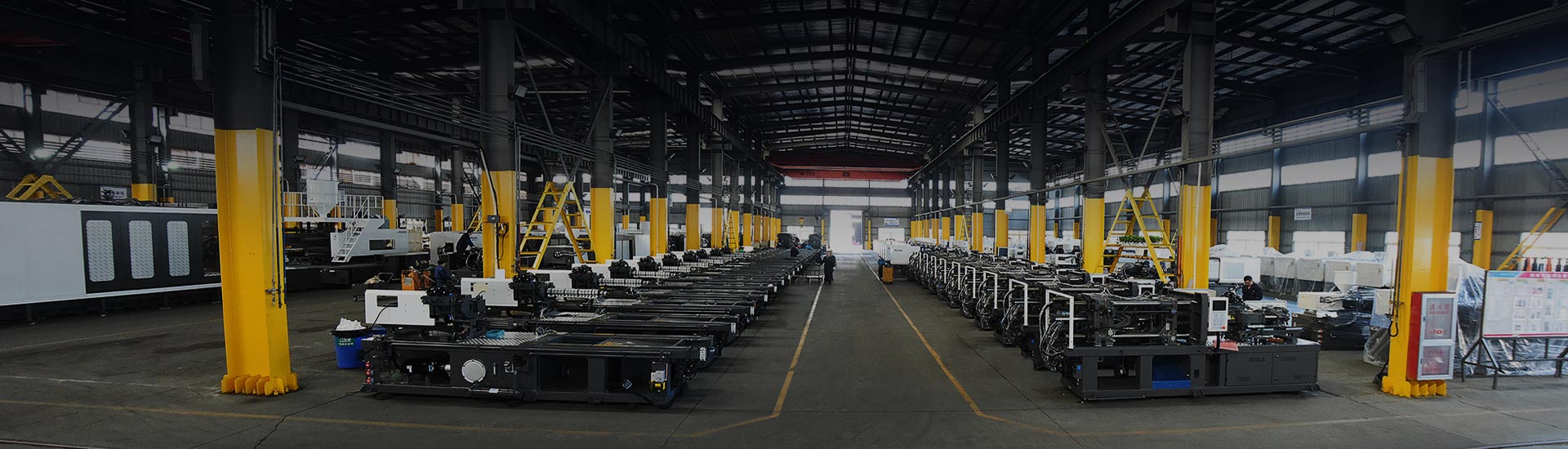
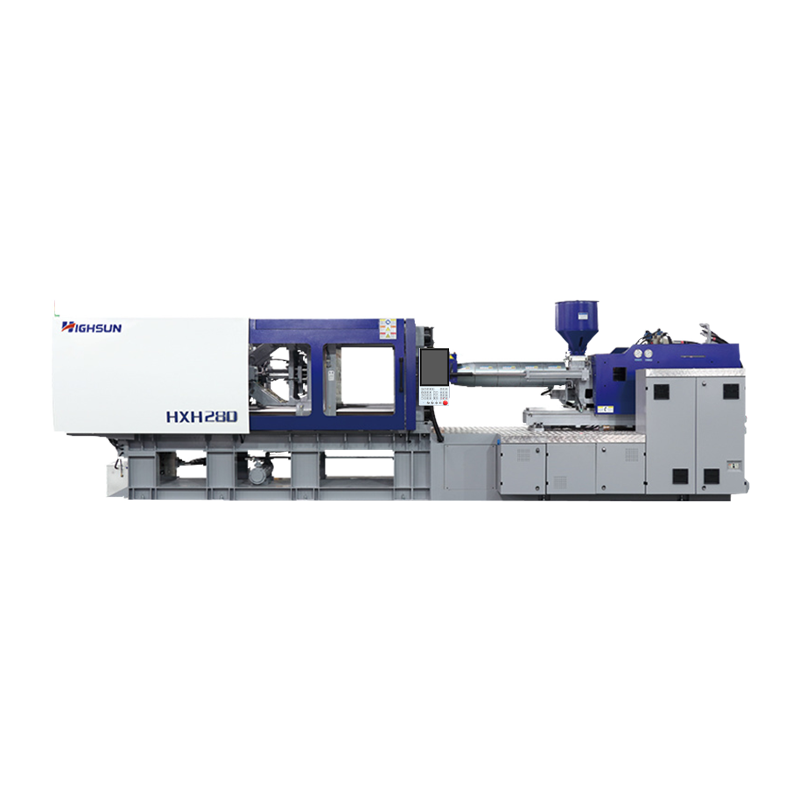
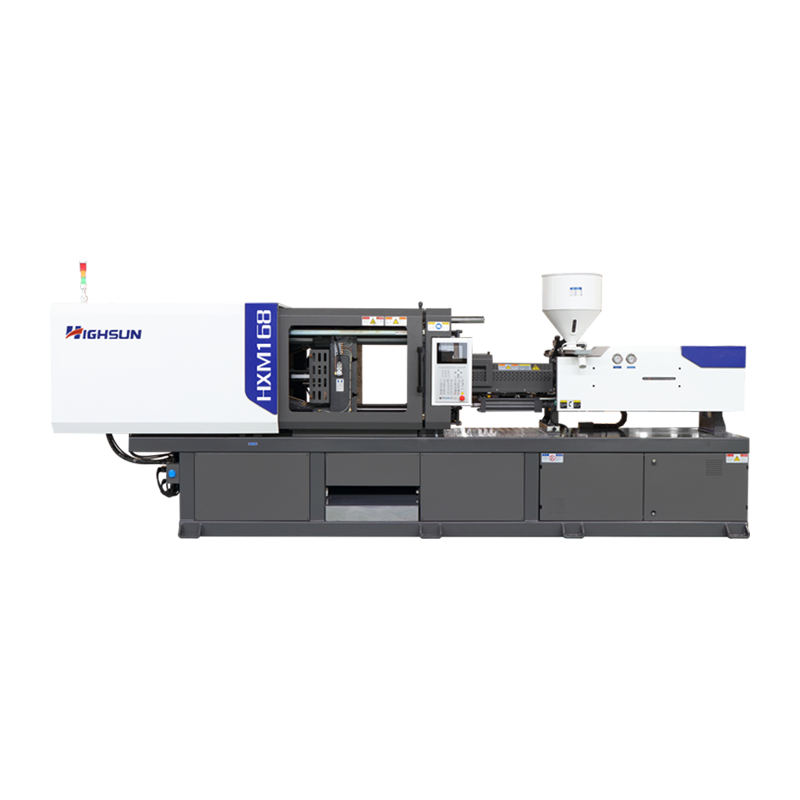
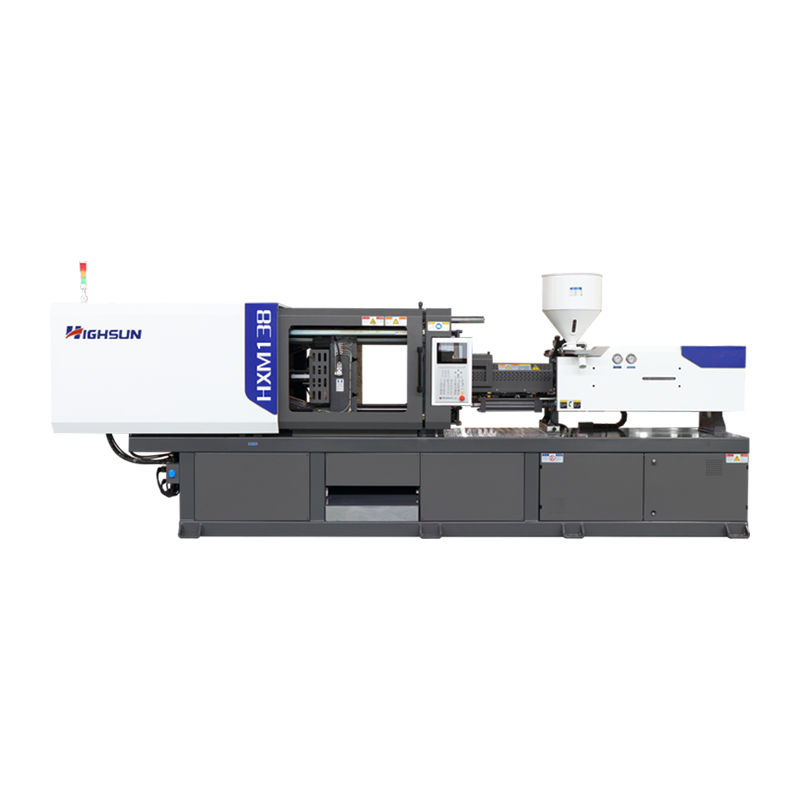
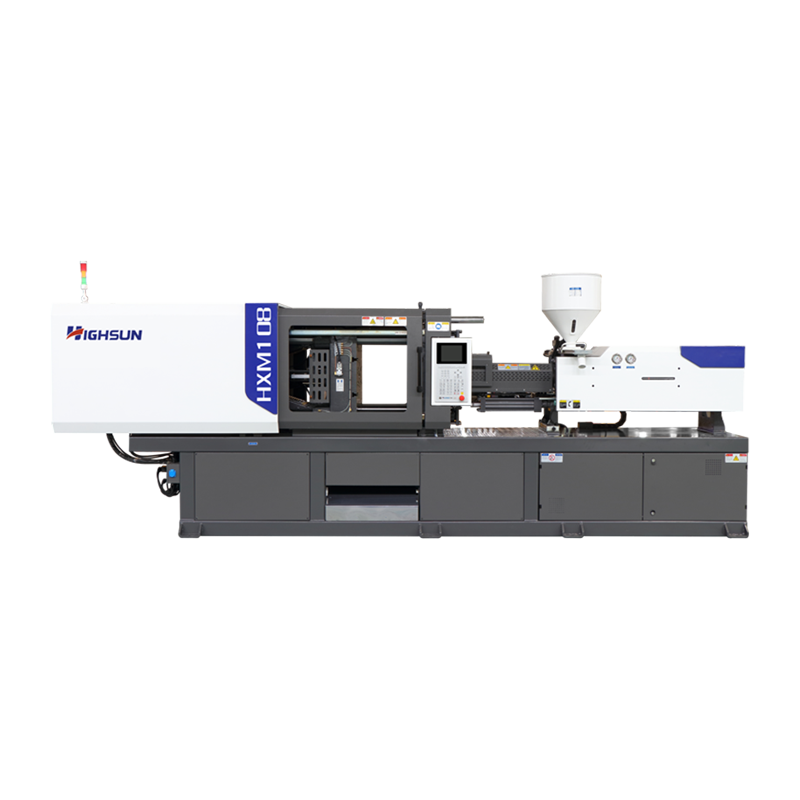
Ningbo Highsun Plastic Machinery Co., Ltd. operates as a China injection molding machine factory located in the Beilun Science and Technology Park of Ningbo, an area often referred to within the plastics machinery industry as a significant manufacturing hub. The factory covers more than 120,000 square meters and produces machines under the HIGHSUN brand.
The company has been developing its production capability for close to 20 years, building on more than 50 years of accumulated experience from its parent company. Over that time, HIGHSUN Machinery has been recognized as one of the top 3 professional manufacturers for plastic injection molding machines in Ningbo, and among the top 10 manufacturers for plastic molding machines in China. The company describes its ongoing focus as refined production process management paired with target-driven manufacturing.
| Item | Detail |
|---|---|
| Location | Beilun Science and Technology Park, Ningbo, China |
| Factory Area | More than 120,000 square meters |
| Brand | HIGHSUN |
| Development History | Close to 20 years of direct development, building on more than 50 years of accumulated experience from the parent company |
| Clamping Force Range | 98 tons to 3000 tons across multiple series |
| Product Series | Electric and Oil Hybrid, Two-Platen, High-Speed, Unmixed Double-Color, Mixed Double-Color, BMC, PET, and PVC series, plus customized configurations |
As an injection molding machine manufacturer in China, the company describes its core value as customer-centric, with an operating philosophy summarized internally as pursuing excellence and molding perfection, and a stated strategic goal of building a leading high-performance plastic injection molding machine manufacturer within China. The company also states that it accepts and supplies customized solutions outside of its standard product series.
Practical Checklist Before Choosing An Injection Molding Machine Manufacturer
Bringing the points discussed above together, the following checklist summarizes what buyers commonly verify before finalizing a decision between injection molding machine manufacturers.
| Consideration | What To Verify |
|---|---|
| Mold Compatibility | Confirm the mold dimensions, weight, and gate design align with the machine platen size and tie-bar spacing |
| Tonnage Match | Compare the projected area of the part against the clamping force range of the machine series being considered |
| Drive System | Decide between hydraulic, electric, or hybrid based on precision, noise, and clamping force needs |
| Cycle Time Expectations | Discuss expected cycle time targets with the injection molding machine factory based on part geometry and material |
| Customization Needs | Identify any non-standard requirements such as double-color capability or specialized screw design |
| After-Sales Technical Support | Ask how the manufacturer supports installation, commissioning, and ongoing technical questions |
| Production Scale Of The Factory | Consider whether the factory production capacity and engineering team can support the expected order volume |
Working through this list with a specific manufacturer, rather than comparing general impressions between suppliers, tends to produce a clearer picture of whether a given machine series and factory are a practical match for the intended application.
Frequently Asked Questions
The following questions reflect common, practical topics that buyers researching an injection molding machine factory tend to raise during their evaluation process.
Q1. What does an injection molding machine factory actually produceAn injection molding machine factory manufactures the industrial equipment used to convert raw plastic material into finished parts through melting and injection into a mold. The factory itself does not typically make plastic products directly, it builds and configures the machines that plastic parts manufacturers use in their own production lines. |
Q2. How is a plastic injection molding machine factory different from a plastic parts manufacturerA plastic injection molding machine factory designs and builds the presses, injection units, and clamping systems used in molding operations. A plastic parts manufacturer purchases or operates these machines to produce finished plastic components. Clarifying which type of supplier is actually needed is a useful first step. |
Q3. What clamping force range should I look forThe appropriate clamping force depends on the projected area of the part, the injection pressure required, and the mold design. Smaller parts with simple geometry generally fall within lower tonnage ranges, while larger or thicker components require higher clamping force. Reviewing part drawings with the manufacturer before selecting a specific tonnage is a practical first step. |
Q4. Is a hydraulic, electric, or hybrid machine better for my applicationEach drive type has different strengths. Hydraulic machines are commonly chosen for very large tonnage and heavy-duty applications. Electric machines are often selected where precision, cleanliness, and lower energy use are priorities. Hybrid machines combine elements of both, and the right choice depends on part requirements and production conditions. |
Q5. Can an injection molding machine manufacturer in China provide customized configurationsMany established manufacturers, including multi-series producers, accept customized requirements such as modified screw designs, double-color configurations, or adjusted tie-bar spacing to match specific mold requirements. Sharing detailed part and mold information early in the discussion generally helps the configuration be properly matched. |
Q6. How long does it typically take to receive a new machineLead time varies depending on the machine series, tonnage, and whether the configuration is standard or customized. Standard configurations from an established production line are generally quicker to arrange than highly customized builds, since customized machines require additional engineering and configuration steps. |
Q7. What should I check before finalizing a machine orderBuyers typically confirm mold compatibility, tonnage requirements, drive system type, expected cycle time, and the level of after-sales technical support available. Reviewing this information against the specifications provided by the manufacturer helps reduce the chance of mismatched equipment. |
Q8. Does a China injection molding machine factory support installation and commissioningMany manufacturers offer some form of technical guidance during installation and commissioning, though the exact scope of support varies by supplier. It is reasonable to ask directly about what assistance is included when the machine is delivered and set up at the buyer's facility. |
 +86-188 6861 6288
 haixiong@highsun-machinery.com
 No.36 Yongjiang South Road, Beilun District. Ningbo City, 315800, China