 ENG
ENG  English
 русский
 Español
 Português
 عربى
عربى


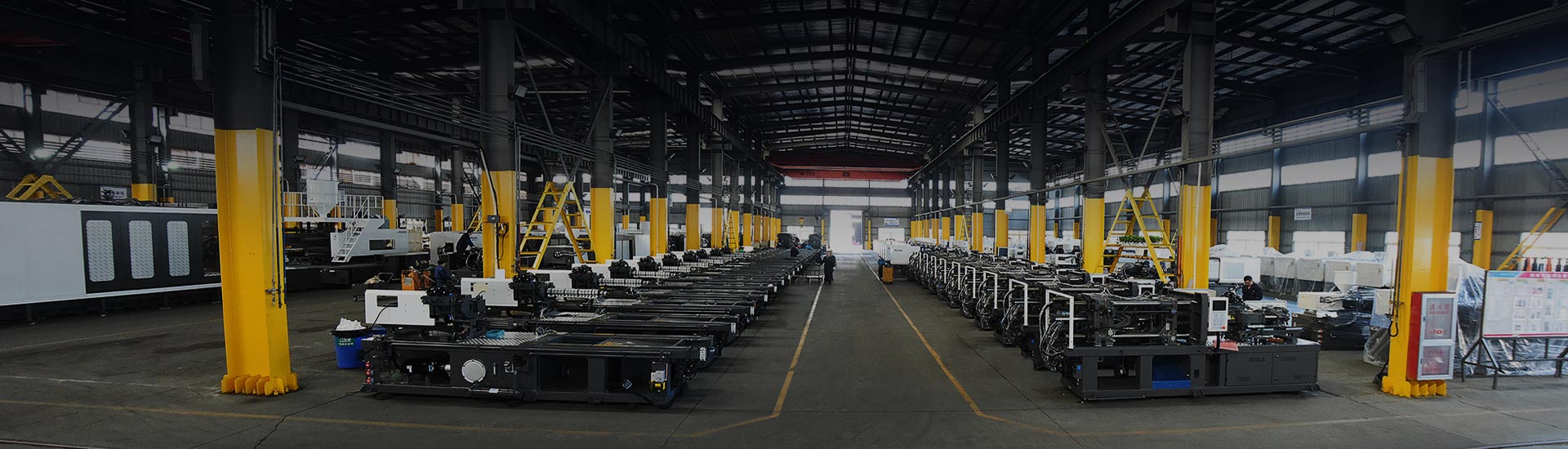
Choosing the right PET preform injection molding machine starts with one clear principle: match the machine's clamping force, shot weight, and cycle speed to your actual production volume and preform specification—not to the largest machine you can afford. A 48-cavity mold running 28g water bottle preforms needs roughly 400–500 tons of clamping force and a cycle time under 8 seconds. Get those two numbers right first, then evaluate energy system and control features. Everything else follows.
Content
- 1 What Makes a PET Preform Machine Different From Standard Injection Molding Equipment
- 2 How to Size Clamping Force for Your Mold
- 3 Energy System Comparison: All-Electric, Hydraulic, and Hybrid Servo
- 4 When a Small PET Preform Injection Molding Machine Makes Sense
- 5 Control System Features That Affect Output Quality
- 6 Injection Unit Specification: Shot Weight and Screw Selection
- 7 Output Rate Benchmarks by Machine Class
- 8 Certifications and After-Sales Support: What to Verify Before Buying
- 9 Frequently Asked Questions
What Makes a PET Preform Machine Different From Standard Injection Molding Equipment
PET is a moisture-sensitive, shear-sensitive resin that processes within a narrow temperature window of 265°C to 285°C. Standard injection molding machines are not optimized for these constraints. Dedicated PET preform injection molding machines address this through three design features that general-purpose machines lack:
- Low-compression PET screws with L/D ratios of 20:1 to 24:1 that minimize shear heat and reduce acetaldehyde (AA) generation—AA directly affects the taste of bottled beverages.
- High-speed injection units capable of 250–350 mm/s to fill long, thin preform cavities completely before the melt begins to freeze off.
- Integrated post-mold cooling systems with robotic take-out that continue cooling the preform after ejection, enabling sub-6-second cycles on high-cavitation molds without warpage.
Running PET preforms on a general-purpose machine typically results in elevated AA levels, inconsistent gate quality, and cycle times 30–50% longer than a dedicated platform—directly increasing per-unit cost.
How to Size Clamping Force for Your Mold
Clamping force is the most critical specification to get right. Too little and you get flash defects and accelerated mold wear. Too much and you're paying for machine capacity you don't use, with higher energy draw per shot.
The standard rule for PET preform molds is 8 to 12 tons of clamping force per cavity, with the exact figure depending on preform wall thickness and neck finish diameter. Apply a 10–15% safety margin on top of the calculated figure to account for mold wear over time and any future change in preform specification.
| Cavity Count | Preform Weight | Recommended Clamp Force | Typical Application |
|---|---|---|---|
| 4–16 | 18–50g | 80–200T | R&D, niche sizes, startups |
| 24–48 | 18–30g | 200–500T | Regional bottlers, contract manufacturers |
| 48–96 | 12–28g | 500–1,000T | Large-scale beverage producers |
| 96–144 | 10–22g | 1,000T+ | Global FMCG supply chains |
Energy System Comparison: All-Electric, Hydraulic, and Hybrid Servo
Energy cost typically accounts for 15 to 25% of total PET preform production cost. Choosing the right drive system has a direct impact on operating margins, not just sustainability reporting.
All-Electric
Independent servo motors drive every axis. Energy consumption runs 0.06 to 0.10 kWh per kg of PET processed—the lowest of any drive architecture. Precision is high, repeatability is excellent, and there is no hydraulic oil to manage. The investment is higher upfront, but operating cost payback is typically achieved within 2–3 years on high-utilization lines.
Hybrid Servo (Most Common in 2026)
A servo motor drives the hydraulic pump on demand rather than continuously. This cuts energy consumption by 30 to 45% compared to conventional hydraulic machines, at a lower capital cost than full all-electric. For mid-to-large PET preform operations, hybrid servo represents the best balance of investment and operating efficiency, which is why it dominates new installations.
Conventional Hydraulic
Lower purchase investment, simpler mechanical maintenance, but consumes 30 to 50% more electricity than servo-based alternatives. On a 300T machine running 6,000 hours per year at $0.10/kWh, this difference represents $18,000–$28,000 in additional annual energy cost. Suitable for very low-utilization operations or locations with very low electricity costs.
Estimated Annual Energy Cost by Drive System — 200T Machine, 6,000 hrs/yr Operation
Conventional Hydraulic
Hybrid Servo
All-Electric
When a Small PET Preform Injection Molding Machine Makes Sense
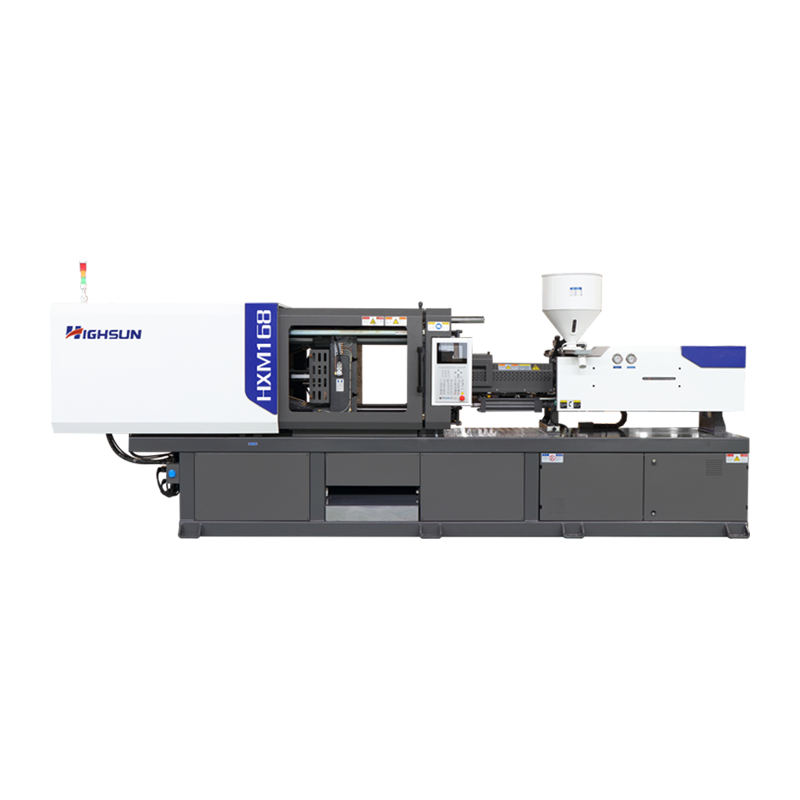
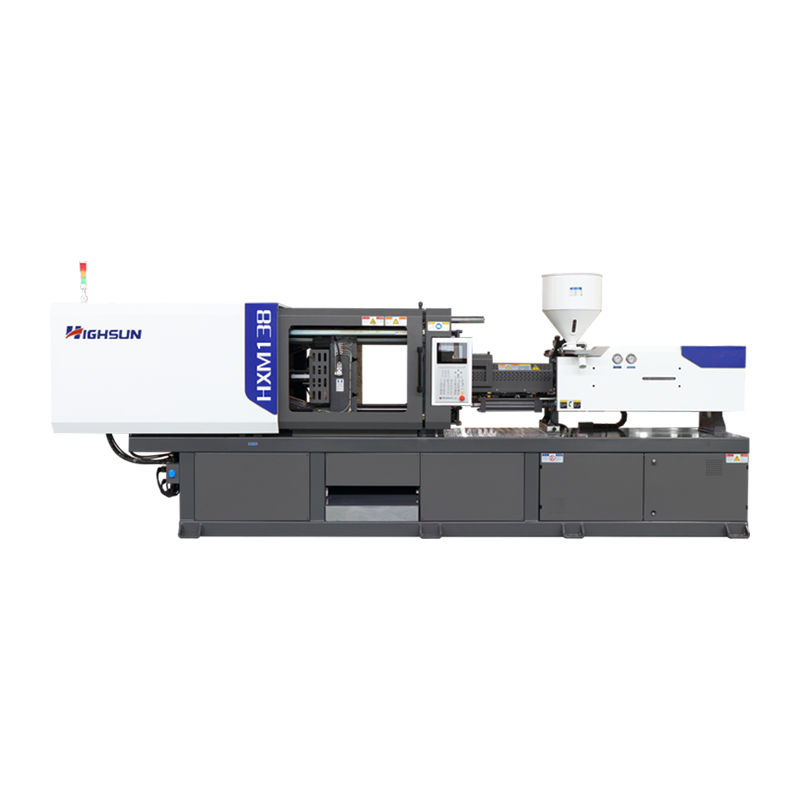
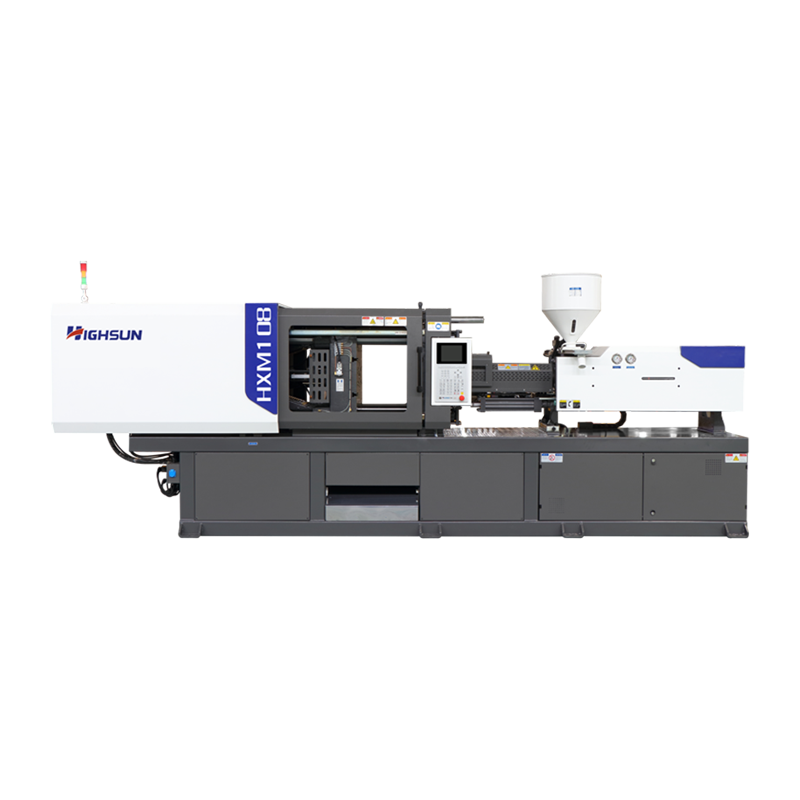
Not every operation requires a 96-cavity line running at 5-second cycles. A small PET preform injection molding machine for sale in the 80–200T class is the practical choice in several real production situations:
- Market entry with controlled capital exposure: A 16-cavity machine on a 200T platform can produce 10,000–18,000 preforms per hour—enough to supply a bottling line running at 12,000–15,000 BPH—while limiting upfront investment.
- Specialty and wide-mouth preforms: Pharmaceutical containers, edible oil jars, and custom neck finishes often run in volumes where a compact machine is more economical than a high-cavity platform at 30% utilization.
- Mold qualification and R&D: New mold trials and preform development work require flexible machine time. Tying up a 500T production asset for qualification runs is costly; a dedicated compact machine avoids this.
- Distributed regional production: Multiple smaller machines placed close to regional filling facilities can reduce logistics cost and finished-goods inventory more effectively than centralizing production on one large machine.
Key Checks Before Purchasing a Compact Machine
- Confirm platen dimensions accommodate the mold's cold-half footprint—not just the tie-bar spacing.
- Verify the control system supports at least 10-stage injection velocity and pressure profiling, which is essential for thin-wall PET preforms.
- Check that the cooling water supply capacity matches the mold's total cooling demand—undersized chiller connections are the most common commissioning problem on compact machines.
Control System Features That Affect Output Quality
The control system determines how consistently the machine replicates the set process across every shot. On a 48-cavity mold running 20 million cycles per year, even a 0.5% improvement in cavity balance translates to 100,000 fewer rejected preforms. Look for these specific capabilities:
- Multi-stage injection profiling (minimum 10 stages): Allows precise velocity and pressure transitions through the fill, pack, and hold phases to achieve uniform crystallinity across all cavities.
- Real-time cavity pressure monitoring: Identifies unbalanced cavities before defective preforms enter the downstream conveyor. Waste reduction of 2–3% of annual output is typical after implementation.
- OPC-UA data export: Enables integration with plant-level MES or SCADA systems for production tracking, SPC analysis, and traceability without manual data entry.
- Remote diagnostic access: Ethernet or 4G modem connection allows the machine supplier's engineers to review process data and resolve faults remotely, reducing downtime from days to hours in locations without local service coverage.
Injection Unit Specification: Shot Weight and Screw Selection
Shot weight utilization should be kept between 70 and 80% of the injection unit's rated capacity. Operating below 70% increases PET residence time in the barrel, raising melt temperature and AA content. Operating above 80% risks incomplete fills on the outer cavities of large molds.
To calculate required shot weight: multiply the number of cavities by the preform weight, then add 15–20% for the hot runner system and sprue. A 48-cavity mold running 25g preforms requires approximately 48 × 25g + 18% = 1,416g shot weight. Select an injection unit rated at 1,600–1,900g to keep utilization in the target range.
Screw diameter affects both plasticizing rate and melt quality. Smaller diameter screws generate more shear—useful for rapid plasticizing but detrimental to PET if excessive. For most PET preform applications, a screw L/D of 22:1 with a compression ratio of 2.0–2.5:1 provides the best balance of output rate and melt homogeneity.
Output Rate Benchmarks by Machine Class
Use the table below to cross-reference your required output against machine class before requesting quotations. Output figures assume a 6.5-second average cycle on standard 28mm CSD preforms.
| Machine Class | Clamp Force | Cavities | Output (preforms/hr) | Best Fit |
|---|---|---|---|---|
| Compact | 80–200T | 4–16 | 5,000–18,000 | Startups, R&D, specialty preforms |
| Mid-Range | 200–500T | 24–48 | 20,000–55,000 | Regional bottlers, contract mfg. |
| High-Volume | 500–1,000T | 48–96 | 55,000–110,000 | Large beverage producers |
| Ultra-High Output | 1,000T+ | 96–144 | 110,000+ | Global FMCG supply chains |
Certifications and After-Sales Support: What to Verify Before Buying
A machine that runs well on day one but has no local service support becomes a liability within 12 months. Evaluate the following before committing to a supplier:
- CE certification is mandatory for machines entering European markets and indicates compliance with EU machinery safety directives.
- ISO 9001 certification confirms the manufacturer operates a documented quality management system—look for the current certification year, not just a logo on a brochure.
- Spare parts availability: Confirm that wear items (check rings, screw tips, barrel liners) are available with a delivery lead time under 2 weeks. Extended lead times on consumables are the most common cause of prolonged unplanned downtime.
- Remote service capability: Ask specifically whether the supplier can access the machine controller remotely for diagnostics. This reduces average fault resolution time from 5–7 days (on-site visit) to under 24 hours.
- Reference installations: Request contact details for at least two existing customers running the same machine model on a similar preform specification. Speaking to an actual operator is more reliable than any specification sheet.
 +86-188 6861 6288
 haixiong@highsun-machinery.com
 No.36 Yongjiang South Road, Beilun District. Ningbo City, 315800, China