 ENG
ENG  English
 русский
 Español
 Português
 عربى
عربى


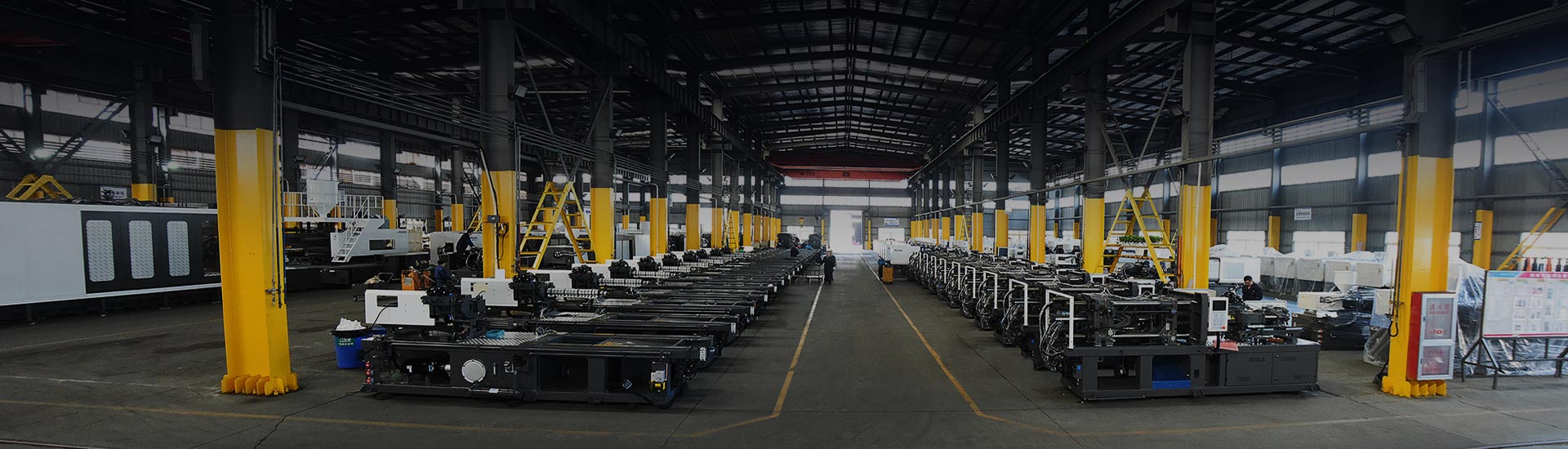
PET preform injection molding is the foundation of modern bottle production. Without precise, high-quality preforms, downstream blow molding cannot produce bottles that meet dimensional tolerances, clarity standards, or food-safety requirements. The injection molding stage determines wall thickness distribution, neck finish accuracy, and material crystallinity — all of which directly affect the performance of the final container.
In global beverage, water, and packaging industries, over 300 billion PET bottles are produced annually, and virtually all of them begin as injection-molded preforms. The efficiency, consistency, and energy performance of the PET Preform Injection Molding Machine used at this stage determines overall production cost and product quality.
Content
- 1 What Is PET Preform Injection Molding?
- 2 Why the Injection Molding Stage Is Critical for Bottle Quality
- 3 Production Efficiency: Output Rate and Cavity Count
- 4 Energy Saving PET Preform Injection Molding Machine: Why It Matters
- 5 PET Preform Injection Molding Machine for Small Business
- 6 Mold Design and Hot Runner Systems in Preform Injection
- 7 Quality Control in PET Preform Production
- 8 Applications Beyond Water and Beverage Bottles
- 9 Frequently Asked Questions
What Is PET Preform Injection Molding?
PET (Polyethylene Terephthalate) preform injection molding is the process of melting PET resin pellets and injecting the melt into precision molds to form test-tube-shaped preforms. These preforms are later reheated and stretch blow-molded into finished bottles.
The process consists of four core stages:
- Drying PET resin to a moisture content below 50 ppm to prevent hydrolytic degradation
- Melting and homogenizing PET in the injection barrel at 270–290°C
- Injecting the melt into a multi-cavity mold under high pressure (typically 1,200–2,000 bar)
- Cooling the preform rapidly to preserve amorphous structure and dimensional accuracy
The preform's neck finish — including thread dimensions and sealing surface — is formed entirely during injection molding and is never altered in the blow molding step. This makes accuracy at the injection stage non-negotiable for closure compatibility.
| Parameter | Typical Range | Impact on Quality |
|---|---|---|
| Melt Temperature | 270–290°C | Viscosity, clarity, AA level |
| Injection Pressure | 1,200–2,000 bar | Fill completeness, dimensional accuracy |
| Mold Temperature | 5–15°C (water-cooled) | Cycle time, crystallinity |
| Moisture Content of Resin | < 50 ppm | IV retention, hydrolysis prevention |
| Cycle Time | 10–20 seconds | Output rate, energy cost per unit |
Why the Injection Molding Stage Is Critical for Bottle Quality
The quality of a finished PET bottle is largely predetermined at the preform stage. Defects introduced during injection molding — such as uneven wall thickness, haze, crystallization, or sink marks — cannot be corrected in blow molding. They either cause rejection or result in structurally weak bottles that fail in distribution.
Wall Thickness Distribution
Uniform wall thickness in the preform directly translates to even material distribution in the blown bottle. A variation of just ±0.05 mm in preform wall thickness can produce bottles with localized thinning under 0.15 mm — well below the structural minimum for carbonated beverages.
Acetaldehyde (AA) Content
Excessive barrel residence time or high melt temperature generates acetaldehyde, which migrates into beverage contents and produces off-flavor. For water bottles, AA levels must remain below 10 µg/L as specified in many international food-contact standards. A well-designed PET Preform Injection Molding Machine maintains precise temperature profiles and minimizes shear to keep AA in check.
Neck Finish Precision
The bottle neck — including thread form and T-dimension — is set entirely during injection. Tolerances are typically held to ±0.1 mm for standard PCO 1881 and BPF finishes. Any deviation causes cap-sealing failures at line speeds of 20,000+ bottles per hour.
Production Efficiency: Output Rate and Cavity Count
Production efficiency in PET preform manufacturing is primarily a function of cavity count and cycle time. High-output systems run 96 to 144 cavities with cycle times under 12 seconds, producing over 40,000 preforms per hour. Mid-range machines operate with 48–72 cavities at 14–18 seconds per cycle.
The table below summarizes the relationship between cavity count and approximate output:
| Cavity Count | Cycle Time (s) | Output/Hour (approx.) | Typical Application |
|---|---|---|---|
| 8–16 | 18–22 | 1,500–3,200 | Small business, R&D |
| 24–48 | 14–18 | 5,000–12,000 | Regional production |
| 72–96 | 12–15 | 18,000–30,000 | National bottlers |
| 128–144 | 10–12 | 38,000–52,000 | Large-scale export lines |
Estimated Preform Output per Hour by Cavity Count
3,200
8–16
Cavities
12,000
24–48
Cavities
30,000
72–96
Cavities
52,000
128–144
Cavities
Units: preforms/hour (approximate peak values)
Energy Saving PET Preform Injection Molding Machine: Why It Matters
Energy consumption is one of the largest variable costs in preform production. A conventional hydraulic injection molding machine consumes between 0.12 and 0.18 kWh per kilogram of PET processed. An energy saving PET preform injection molding machine equipped with an all-electric or servo-hydraulic drive system can reduce this by 40–60%, translating directly to lower operating costs over the machine's 10–15 year lifespan.
Key energy-saving technologies include:
- Servo-driven hydraulic pumps: Match oil flow precisely to demand, eliminating throttling losses that account for 25–35% of energy waste in fixed-displacement systems.
- All-electric injection units: Regenerative braking during deceleration recovers energy back to the drive bus, reducing net consumption per cycle.
- Insulated barrel design: Reduces heat loss from the plasticizing zone by up to 30%, lowering heater band energy draw.
- Variable-frequency drives on cooling pumps and fans: Reduces auxiliary system energy consumption by 15–20%.
Energy Consumption Comparison: Conventional vs. Energy-Saving Machine (kWh/kg PET)
0.18
0.14
0.10
0.06
Conventional Hydraulic
Energy-Saving (Servo/Electric)
X-axis: Operating months 1–6 | Y-axis: kWh per kg processed
For a plant processing 5,000 kg of PET per day, switching from a conventional to a servo-driven system can save approximately 300–450 kWh daily. At an industrial electricity rate of $0.10/kWh, this represents annual savings in the range of $10,000–$16,000 per machine — well within a 2–3 year payback period on the equipment premium.
PET Preform Injection Molding Machine for Small Business
Entry into preform manufacturing does not require large-scale capital investment. A PET preform injection molding machine for small business typically operates with 8–24 cavities, a clamping force of 100–300 tons, and is designed for smaller production runs with fast mold changeover.
Features that matter most for small-scale operators include:
- Compact footprint: Machines under 6 meters in length fit into smaller facilities without major civil engineering costs.
- Mold flexibility: Quick-change mold systems allow one machine to produce preforms in multiple neck finishes and weights without dedicated equipment per SKU.
- Simplified controls: Touchscreen HMIs with pre-programmed material profiles reduce the expertise barrier for operators new to PET processing.
- Lower tooling cost: An 8-cavity hot-runner mold costs significantly less than a 72-cavity system, making the initial investment more accessible.
- Energy-efficient drives: Small-business machines are increasingly shipped with servo or all-electric drives as standard, reducing operating cost per unit at lower volumes.
A small business producing 3,000–5,000 preforms per hour with a 16-cavity machine can viably supply local bottlers, personal care brands, or household chemical packagers — segments that often prefer shorter lead times and smaller order quantities than large preform suppliers can accommodate.
Mold Design and Hot Runner Systems in Preform Injection
The mold is the most performance-critical component in preform injection molding. Multi-cavity hot-runner molds eliminate cold runners entirely, meaning 100% of material injected enters the preform cavities with no regrind generation. This is particularly important for food-contact applications where regrind quality must be carefully validated.
Balanced Flow Distribution
In a 96-cavity mold, every cavity must fill simultaneously and identically. A variation of just 0.5 seconds in fill time between cavities produces measurable weight differences of 0.3–0.8 g per preform — unacceptable for carbonated soft drink applications. Properly designed hot runner manifolds use geometrically balanced runner layouts and individually controlled nozzle heaters to achieve cavity-to-cavity weight variation below ±0.2 g.
Core and Cavity Cooling
Cooling time represents 60–70% of total cycle time in preform molding. Conformal cooling channels machined to follow the preform geometry can reduce cooling time by 15–25% compared to straight-drilled channels, enabling a meaningful increase in daily output without changing cavity count.
Quality Control in PET Preform Production
Inline and offline quality checks are essential to maintain preform consistency. The most common inspection parameters and their measurement methods are:
- Weight: Gravimetric checkweighers integrated into the takeout conveyor, sampling every cycle or every Nth preform
- Wall thickness: Ultrasonic gauges or cross-section microscopy on sampled preforms
- Clarity / haze: Visual inspection under defined lighting or automated camera-based systems
- IV (Intrinsic Viscosity): Solution viscometry on retained samples to verify no molecular weight degradation occurred during processing
- Neck finish dimensions: Go/no-go gauges or CMM on statistical samples per shift
Leading production lines integrate automated vision systems that inspect 100% of preforms for dimensional and cosmetic defects at line speed, rejecting non-conforming parts before they enter the packaging stream.
Applications Beyond Water and Beverage Bottles
While carbonated soft drink and water bottles are the largest application, PET preform injection molding supports a broad range of container types:
- Wide-mouth jars for food products such as peanut butter, salsa, and sauces — requiring larger preform diameters and heavier wall stock
- Hot-fill containers made from heat-set (HS) PET preforms processed with elevated mold temperatures to increase crystallinity and thermal stability above 85°C
- Pharmaceutical and nutraceutical bottles requiring USP-grade PET and full traceability of resin lot, processing conditions, and QC results
- Personal care and household chemical containers in a wide range of colors and barrier configurations
- rPET (recycled PET) containers using food-grade recycled resin content of 25–100%, increasingly mandated by regulation in the EU and other markets
Frequently Asked Questions
A well-maintained PET preform mold made from hardened tool steel (P20 or H13) is typically rated for 2–5 million cycles, depending on cavity count, material abrasiveness, and maintenance frequency. Molds used with standard virgin PET under good cooling conditions commonly reach the upper end of this range. Regular inspection of gate inserts, core pins, and cooling channels extends service life significantly.
Yes. One machine can run different molds for various preform weights, neck finishes, and body lengths, provided the mold dimensions fall within the machine's tie-bar spacing, daylight, and clamping force limits. Mold changeover on machines equipped with quick-change platens and standardized water manifolds can be completed in 2–4 hours, making product flexibility practical for mid-volume operations.
Food-grade rPET typically has a slightly lower and more variable Intrinsic Viscosity (IV) than virgin resin, which requires closer process monitoring. Drying requirements remain the same (below 50 ppm moisture). Higher-quality food-grade rPET with IV above 0.78 dL/g processes well in standard machines with minor barrel temperature adjustments. Blending rPET with virgin resin at 25–50% is a common approach to maintaining consistent preform quality while meeting recycled content targets.
The economic break-even point depends on local preform supply pricing, electricity costs, and machine utilization. As a general benchmark, operations consuming more than 500,000 to 1,000,000 preforms per month often find in-house production cost-competitive with purchasing, especially when multiple preform specifications are needed and lead time flexibility is important. Smaller volumes may still benefit from in-house production if preform availability in the local market is limited.
For food-contact preform production, the relevant standards include EU Regulation 10/2011 (plastic materials in contact with food), FDA 21 CFR 177.1630 (United States), and GB 4806.7 (China). Machine suppliers should provide documentation confirming that all product-contact surfaces, hot runner components, and lubricants used are food-grade compliant. Additionally, ISO 9001 certification from the machine manufacturer indicates a quality management system supporting consistent production standards.
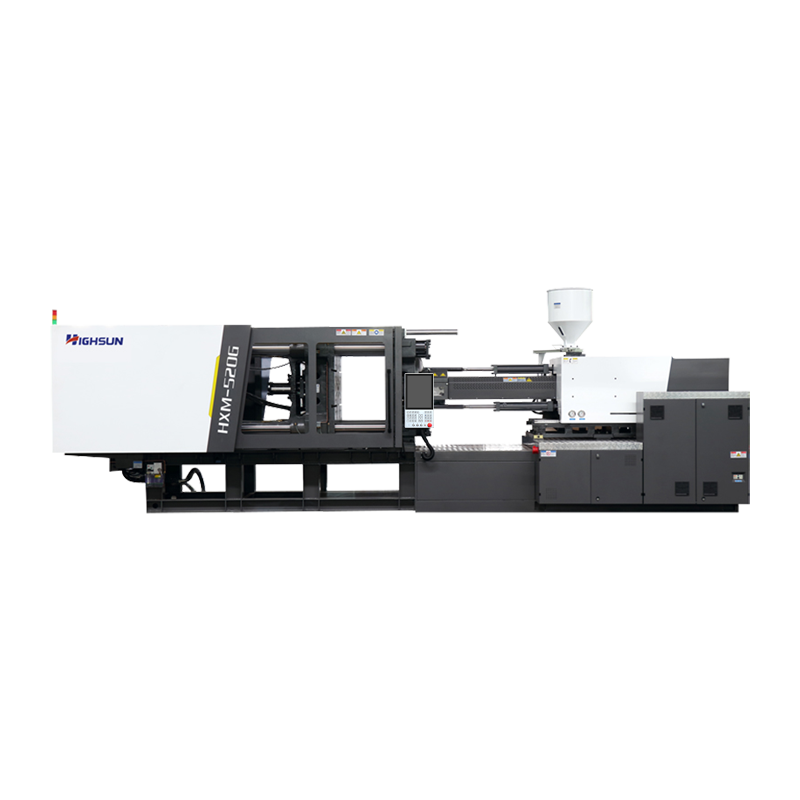
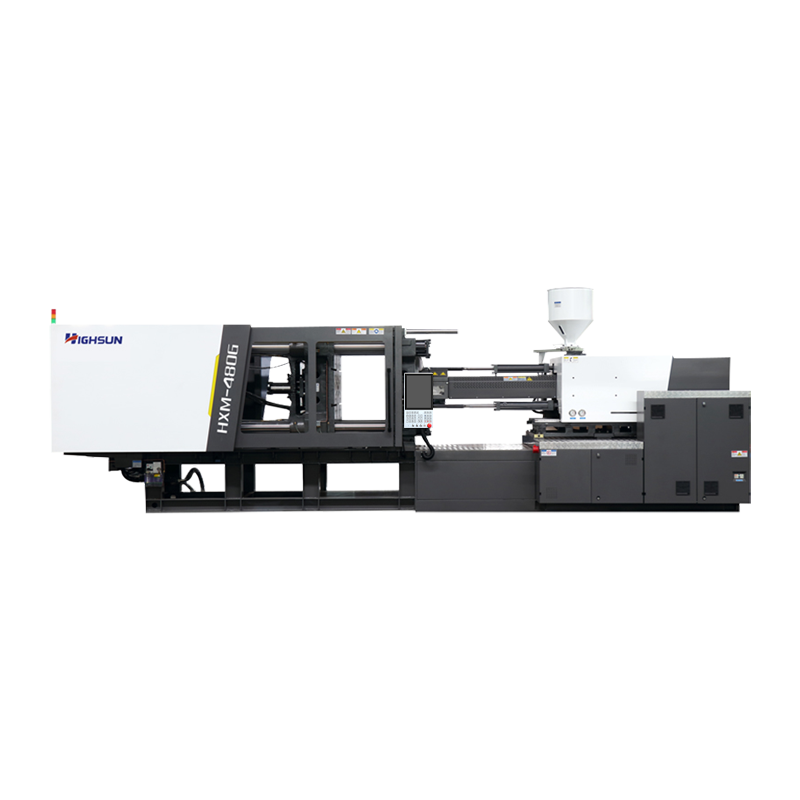
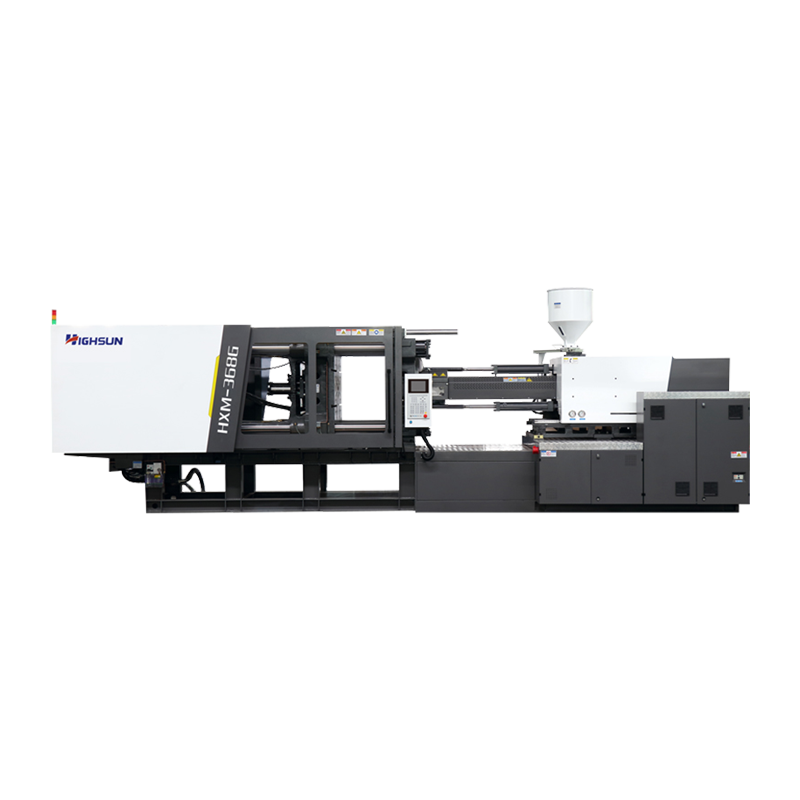
 +86-188 6861 6288
 haixiong@highsun-machinery.com
 No.36 Yongjiang South Road, Beilun District. Ningbo City, 315800, China