 ENG
ENG  English
 русский
 Español
 Português
 عربى
عربى


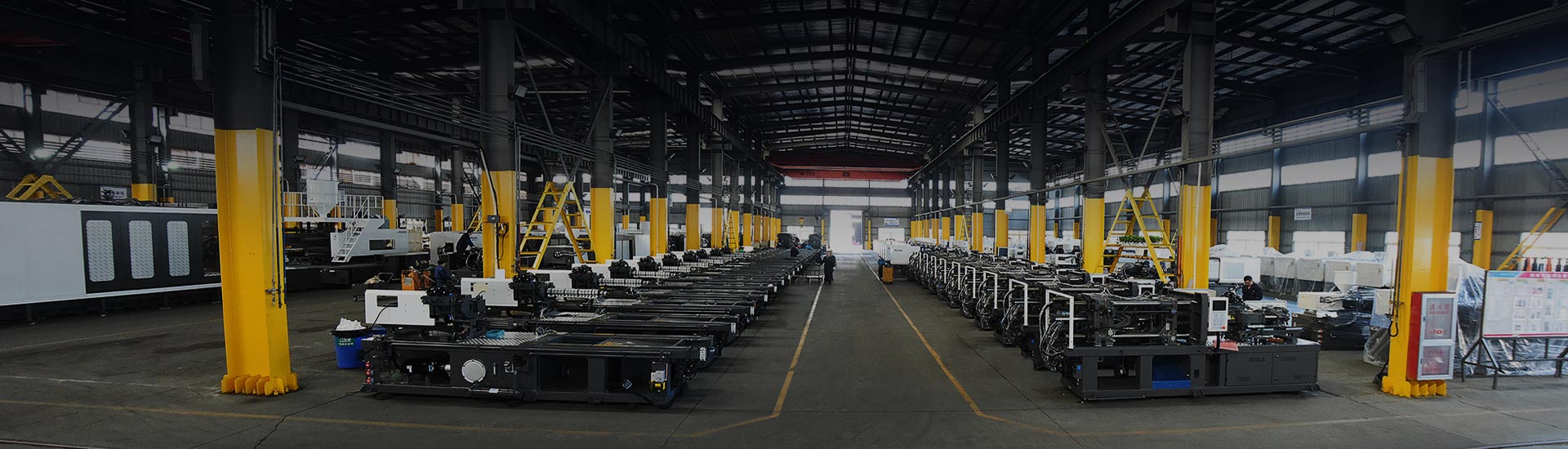
HXM Servo Injection Molding Machines are the right choice for production because they deliver measurable energy savings of up to 70%, exceptional repeatability, and compact footprints — all within a single machine architecture purpose-built for precision plastic molding. Whether you are running high-volume consumer goods, tight-tolerance medical components, or intricate electronic housings, the HXM servo platform provides the control resolution, clamping stability, and cycle efficiency that modern manufacturing demands. This article breaks down exactly why production engineers and plant managers continue to specify HXM Servo Injection Molding Machines for new and upgraded lines.
Content
- 1 Energy Efficiency That Directly Reduces Operating Costs
- 2 Precision and Repeatability for Consistent Part Quality
- 3 Compact Machine Footprint Without Sacrificing Capability
- 4 Low Noise Operation and Improved Working Environment
- 5 Machine Series Overview: Small, Medium, and Large Tonnage Coverage
- 6 Reduced Maintenance Requirements and Higher Uptime
- 7 Advanced Control System and Process Monitoring
- 8 Environmental Credentials and Sustainability Alignment
- 9 About HIGHSUN MACHINERY
- 10 Frequently Asked Questions
Energy Efficiency That Directly Reduces Operating Costs
The single most cited reason for transitioning to an energy efficient injection molding machine is the electricity bill. Conventional hydraulic injection molding machines run fixed-displacement pumps at full speed throughout the entire cycle — including during mold-open dwell, cooling, and part ejection phases when hydraulic demand is near zero. The result is massive wasted energy in the form of heat, noise, and idle pump losses.
The HXM Servo Injection Molding Machine eliminates this waste entirely. A servo motor drives a variable-displacement pump that delivers precisely the flow and pressure required at each moment of the injection cycle — and zero output when the system is in a holding or cooling phase. Independent third-party benchmarking consistently shows servo-driven machines consuming 40% to 70% less electricity than equivalent-tonnage conventional hydraulic machines running the same part program.
To put this in concrete terms: a 200-ton hydraulic injection molding machine running 22 hours per day at an average power draw of 22 kW consumes approximately 176 kWh per day. The equivalent HXM servo machine, consuming 55% less energy on the same cycle, draws around 79 kWh per day — a daily saving of nearly 100 kWh. Over a 250-day production year, that difference compounds to 24,000 kWh annually per machine. For a facility running ten machines, the energy reduction represents a significant operational cost advantage that pays back capital investment within a clearly quantifiable timeframe.
Beyond direct electricity cost, lower energy consumption means less heat generated in the machine room. Conventional machines require substantial chiller capacity to remove pump heat. Servo machines run cooler, reducing chiller load, extending hydraulic oil service life (cooler oil degrades more slowly), and creating a more comfortable factory environment that supports operator productivity and reduces HVAC costs.
Daily Energy Consumption Comparison — Conventional vs HXM Servo (200-ton class, kWh/day)
176 kWh
Conventional Hydraulic
79 kWh
HXM Servo Machine
Based on 22-hour production day; actual savings vary with part program and cycle time
Precision and Repeatability for Consistent Part Quality
In precision plastic molding equipment, process consistency is the foundation of part quality. Every deviation in injection velocity, pack pressure, or screw position translates directly into dimensional variation, sink marks, flash, or short shots in the molded part. The HXM Servo Injection Molding Machine addresses this at the control system level with closed-loop servo feedback on every critical process axis.
The servo drive system samples and corrects its output at response rates exceeding 1,000 times per second, meaning the machine continuously compares actual position, velocity, and pressure against the programmed profile and corrects any deviation within milliseconds. This real-time closed-loop correction eliminates the pressure lag and velocity overshoot that are inherent limitations of open-loop hydraulic systems — producing shot weights that deviate by less than 0.1 gram from cycle to cycle in well-optimized processes.
Servo-controlled injection also enables precise management of the velocity-to-pressure transfer point — the critical transition from filling to packing phase. Precise transfer at a repeatable screw position, rather than a hydraulic pressure threshold, allows engineers to tune pack profiles with far greater resolution and reproduce those profiles reliably across millions of cycles. The result is tighter dimensional tolerances, reduced scrap rates, and lower defect costs over the production run.
Applications Where Precision Makes the Difference
- Medical device components: Syringe barrels, inhaler housings, and diagnostic cartridges require dimensional tolerances of ±0.05 mm or tighter. Servo control makes these tolerances achievable at production volumes.
- Electronic connectors and housings: Snap-fit dimensions and pin hole diameters in connector housings are highly sensitive to injection velocity and pack pressure variation. Servo precision reduces out-of-tolerance connector assemblies that cause downstream fit and function failures.
- Optical components: Lenses, light pipes, and transparent covers require bubble-free, stress-free molding. Servo-controlled slow-fill and graduated pack profiles minimize residual stress and birefringence in transparent materials.
- Thin-wall packaging: Wall thicknesses of 0.5–0.8 mm require precise high-speed injection with repeatable pack cutoff to prevent flash without creating short shots.
Compact Machine Footprint Without Sacrificing Capability
Factory floor space is a finite and costly resource. A compact servo injection machine that delivers full production capability within a smaller footprint allows manufacturers to fit more machines into existing facilities, increase output per square meter, and defer or eliminate expensive facility expansion.
The HXM servo platform achieves its compact form factor through integrated servo-hydraulic architecture that eliminates the external hydraulic power unit cabinet required by conventional machines. The servo pump and motor assembly is integrated into the machine base, eliminating the external accumulator banks, cooler circuits, and separate oil reservoir cabinets that add length and width to traditional hydraulic machines. In practical terms, an HXM servo machine of equivalent clamping force typically occupies 15% to 25% less floor area than a conventional hydraulic equivalent.
This compactness also simplifies factory layout planning. Tighter machine spacing allows robotic handling systems to serve multiple machines from a single robot arm position, and reduces the conveyor and material handling distances between machines — improving overall production flow efficiency. For manufacturers operating in leased facilities where floor space costs are a direct business expense, the compact footprint of the HXM servo machine reduces the effective cost per production unit produced.
The integrated servo architecture also means fewer hydraulic connections, fittings, and external hose runs — translating directly to fewer potential leak points and a cleaner, safer machine environment. Maintenance access is improved, and the visual tidiness of a compact integrated machine supports modern 5S and lean manufacturing programs that require clean, organized workstations.
Low Noise Operation and Improved Working Environment
Conventional fixed-displacement hydraulic pumps run at full speed continuously, generating a constant high-frequency noise level that contributes to operator fatigue, communication difficulty, and long-term hearing risk in the production environment. Regulatory noise limits in many countries require expensive engineering controls — acoustic enclosures, hearing protection programs, and building modifications — when machine noise exceeds threshold levels.
The HXM Servo Injection Molding Machine operates at dramatically lower noise levels because the servo motor and variable pump only run at the speeds and loads required by the current phase of the injection cycle. During mold-open, cooling, and ejection phases, motor speed drops substantially — and so does noise. Measured noise levels on servo machines in idle and low-demand phases typically fall 10 to 15 dB(A) below equivalent conventional machines, a reduction that is highly perceptible to operators and represents a two-to-four-fold decrease in acoustic energy.
Lower noise levels reduce operator fatigue, support clearer verbal communication on the production floor, and may eliminate the need for hearing protection in areas where only servo machines are operating — simplifying personal protective equipment compliance programs. A quieter production environment also projects a professional image to visiting customers and auditors, reinforcing the perception of a modern, well-managed facility.
Machine Series Overview: Small, Medium, and Large Tonnage Coverage
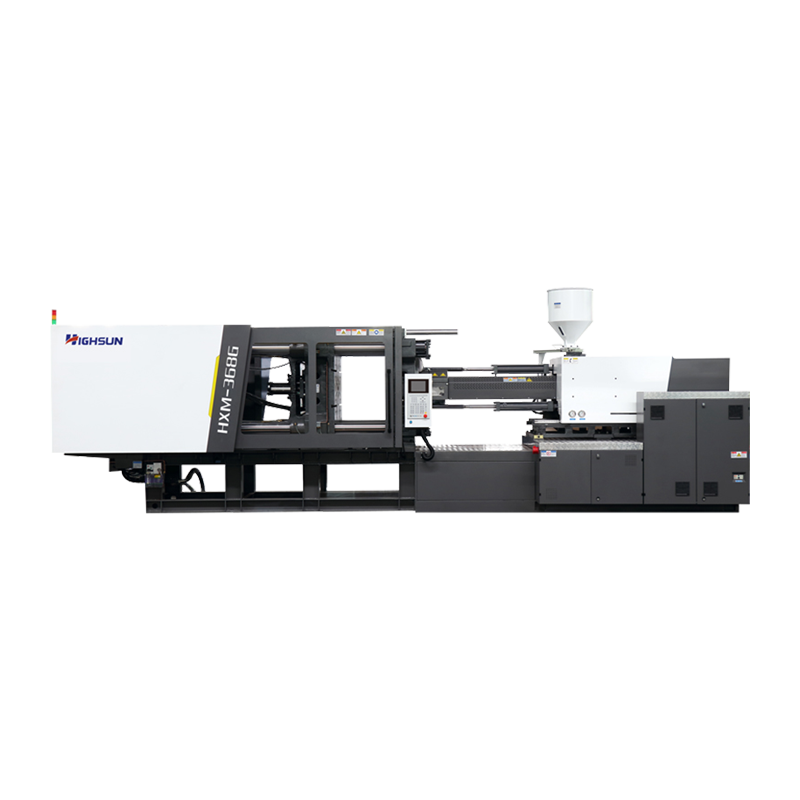
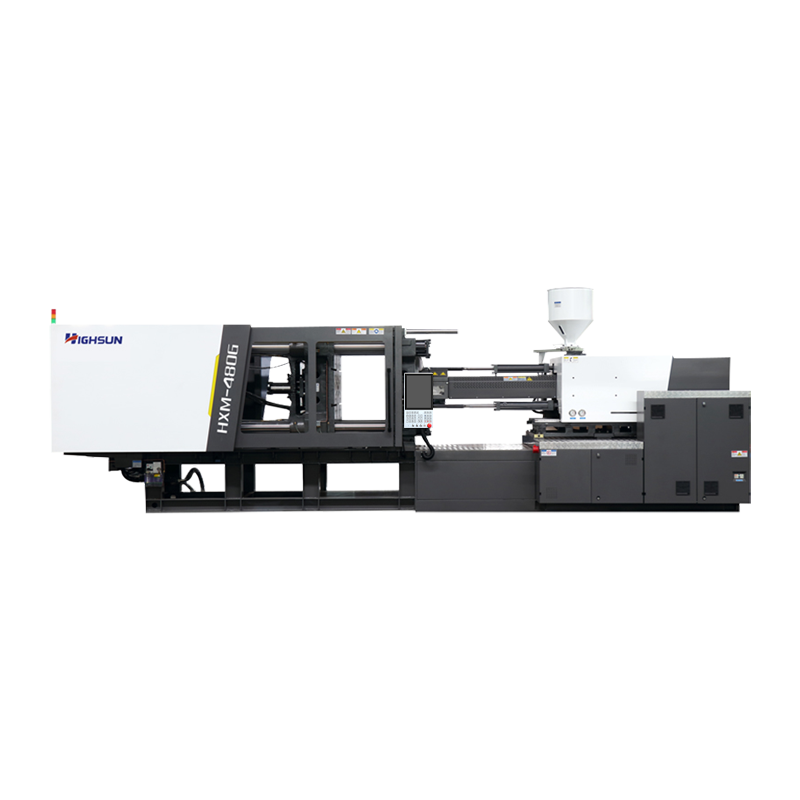
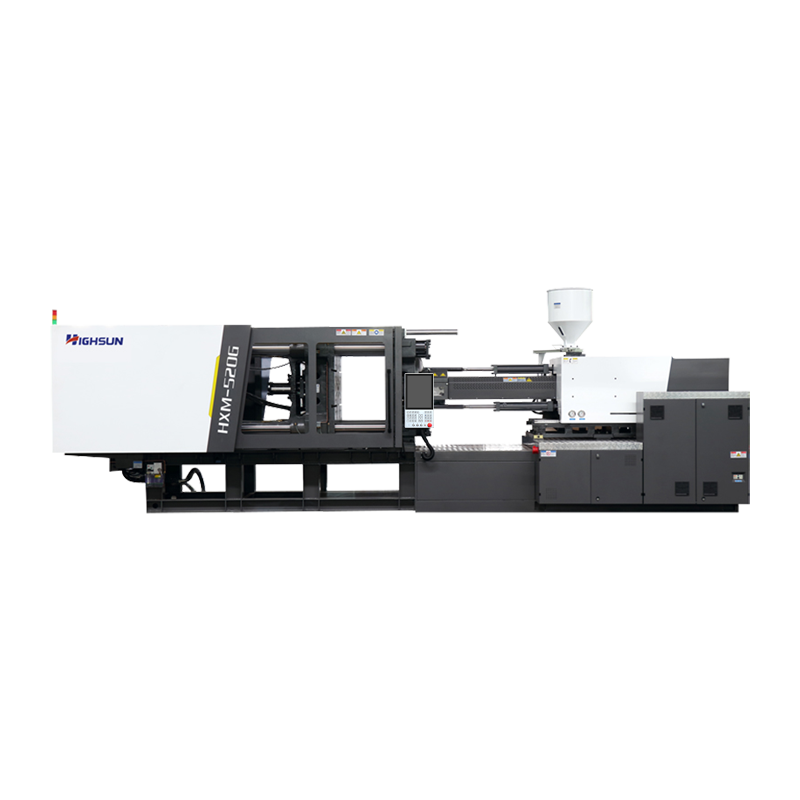
HIGHSUN's HXM servo platform spans the full range of production requirements through three characteristic machine series, each optimized for its target application range. This breadth of coverage allows manufacturers to standardize on HXM servo technology across their entire facility — from small precision parts to large structural components — with consistent control philosophy, common operator training, and shared spare parts inventory.
| Machine Series | Clamping Force Range | Architecture | Typical Applications | Key Advantage |
|---|---|---|---|---|
| Small Tonnage Hybrid | 30 – 160 ton | Hybrid servo-electric | Medical, electronics, precision consumer parts | Maximum precision, ultra-compact footprint |
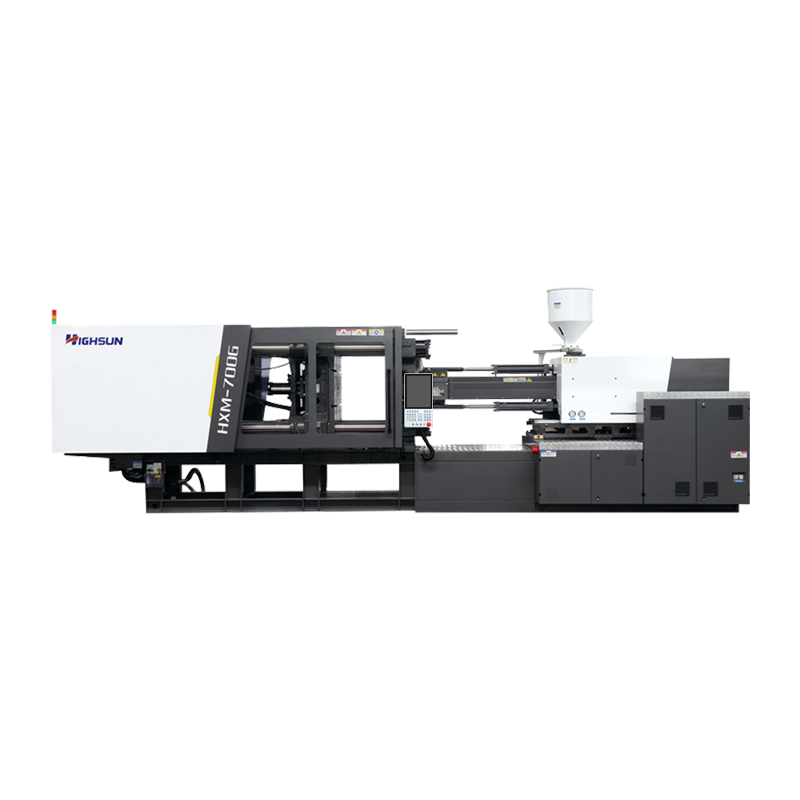
| Medium Tonnage Toggle | 160 – 650 ton | Servo-hydraulic toggle | Automotive parts, packaging, household products | High-speed cycles, reliable clamp force control |
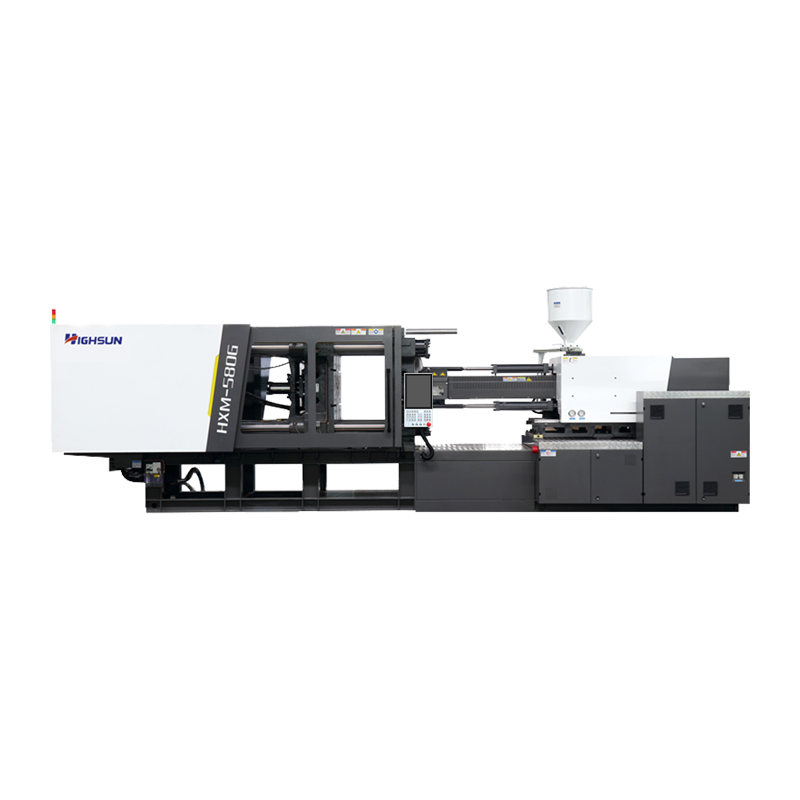
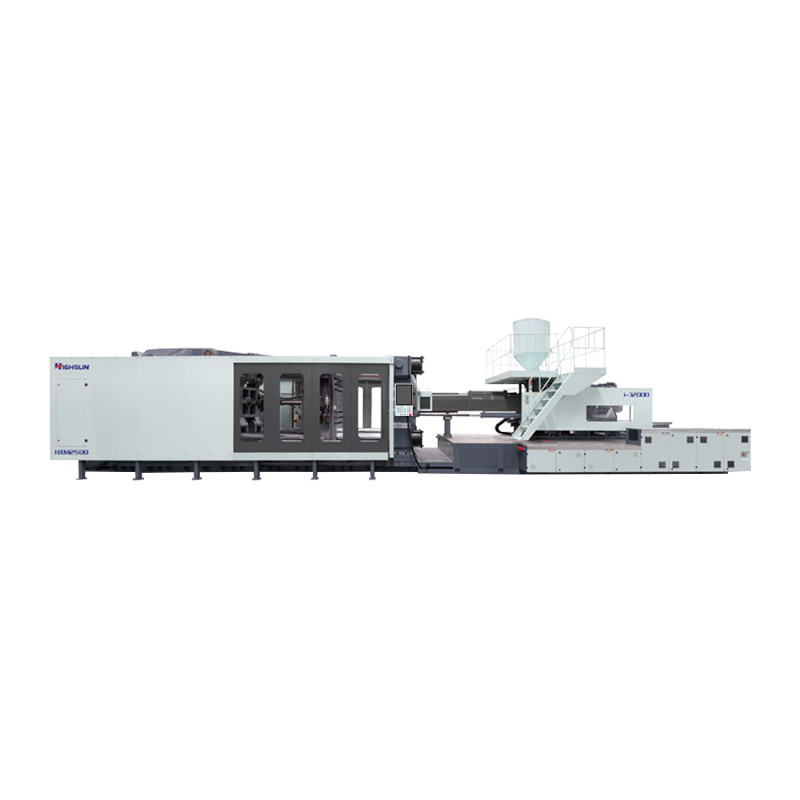
| Large Tonnage Two-Platen | 650 – 3,000+ ton | Servo-hydraulic two-platen | Large automotive panels, logistics containers, industrial housings | Short mold height, large daylight opening, tie-bar-less platen access |
The small tonnage hybrid series is particularly valued as compact servo injection machine solutions for medical and electronics molders who require the tightest dimensional tolerances in the smallest possible machine envelope. The medium tonnage toggle series suits the broadest range of general industrial applications, combining fast dry cycle times with the energy efficiency of servo control. The large tonnage two-platen series addresses the specific challenge of molding large parts with deep cores, where the short mold height and extended daylight of the two-platen design allow molds that would not fit on conventional four-tie-bar machines.
Reduced Maintenance Requirements and Higher Uptime
Maintenance cost and unplanned downtime are hidden production expenses that rarely appear in the initial machine comparison but accumulate significantly over the equipment lifetime. The HXM servo platform's architecture reduces both planned maintenance requirements and unplanned breakdown frequency compared to conventional hydraulic alternatives.
Hydraulic Oil Life Extension
Hydraulic oil degrades primarily through oxidation — a process accelerated by heat and contamination. Because the servo machine generates far less heat than a fixed-pump machine (the pump only works when needed), the hydraulic oil operates at substantially lower average temperatures. Cooler oil oxidizes more slowly, extending oil change intervals from the typical 2,000 hours on conventional machines to 4,000–6,000 hours on well-maintained servo machines. The cost reduction from less frequent oil changes, reduced waste oil disposal, and lower filter consumption is meaningful over the machine's service life.
Servo Drive Reliability
Modern servo drives are highly reliable solid-state electronics with mean time between failures measured in tens of thousands of hours under normal operating conditions. Servo drives have no mechanical wear components — unlike hydraulic pumps and control valves, which experience continuous mechanical fatigue from cyclic pressure loading. The servo motor itself has no consumable wear parts beyond sealed bearings with design lives of 20,000+ hours. The overall mechanical simplicity of the servo-hydraulic system reduces the number of components requiring scheduled replacement, lowering maintenance labor costs and reducing spare parts inventory requirements.
Predictive Maintenance Readiness
The HXM machine's servo drive system continuously monitors motor current draw, temperature, and position error. Trending these parameters over time allows maintenance teams to identify developing problems — such as increasing drive current indicating a bearing beginning to wear — before they cause unplanned downtime. This data-driven predictive maintenance capability supports modern Industry 4.0 maintenance programs and transforms maintenance from a reactive to a proactive function.
Cumulative Unplanned Downtime Over 5 Years — Conventional vs HXM Servo (illustrative hours)
Illustrative trend; actual figures depend on maintenance program quality and operating environment
Advanced Control System and Process Monitoring
Modern production operations require more than a machine that molds parts accurately. They require a machine that provides transparent, data-rich insight into the process — enabling quality assurance teams to verify part quality from process data rather than through 100% inspection, and allowing process engineers to optimize cycle parameters quickly when conditions change.
The HXM Servo Injection Molding Machine's control system captures and stores key process variables for every injection shot: injection velocity profile, actual versus set pressure at each phase, cushion position, mold temperature readings, cycle time breakdown, and servo motor current. This shot-by-shot data record creates a complete process audit trail that supports quality system requirements and provides the dataset needed for statistical process control (SPC) analysis.
Process monitoring functions built into the control allow engineers to set parameter tolerance windows — for example, acceptable ranges for cushion position, peak injection pressure, and cycle time. Any shot falling outside these windows triggers an alarm and, optionally, automatic part diversion. This closed-loop quality gate eliminates the risk of out-of-tolerance parts entering the downstream assembly or packaging process undetected.
Network connectivity through standard industrial communication protocols allows integration with factory MES (Manufacturing Execution Systems) and ERP platforms, enabling real-time OEE (Overall Equipment Effectiveness) tracking, remote process monitoring, and centralized recipe management across multiple machines. For manufacturers implementing Industry 4.0 digital factory programs, the HXM control system provides the data infrastructure these initiatives require.
Environmental Credentials and Sustainability Alignment
Sustainability commitments are increasingly a factor in capital equipment decisions. Customers, investors, and regulators are asking manufacturers to document and reduce their energy consumption and carbon footprint. The energy efficient injection molding machine platform of the HXM servo directly supports these sustainability objectives.
At the machine level, the 40–70% energy reduction compared to conventional hydraulic machines translates directly to an equivalent reduction in carbon emissions associated with electricity consumption. For a manufacturer operating ten 200-ton machines for 250 days per year, the switch to HXM servo technology could reduce electricity consumption by 240,000 kWh annually — equivalent to removing a significant number of passenger vehicles from the road each year in carbon dioxide terms, depending on the regional electricity generation mix.
Reduced hydraulic oil consumption from extended oil change intervals means less chemical waste generated and lower raw material demand for hydraulic fluid production. Lower heat generation reduces reliance on refrigerant-based cooling systems, further reducing indirect environmental impact. These factors collectively strengthen a manufacturer's environmental management system performance under ISO 14001 and support the data requirements of carbon disclosure and ESG reporting frameworks.
About HIGHSUN MACHINERY
HIGHSUN MACHINERY is located in Beilun Science and Technology Park, Ningbo, Zhejiang Province — a region recognized as "the capital city of plastic machines" in China, concentrating the country's deepest expertise in injection molding machine design, manufacturing, and supply chain. This location provides HIGHSUN with direct access to the most experienced engineering talent, component suppliers, and technical infrastructure in the industry.
As a professional China HXM Servo Injection Molding Machine manufacturer and factory, HIGHSUN specializes in producing and marketing high-grade precision plastic injection molding machines under the "HIGHSUN" brand. The company has long been dedicated to delicacy management and zero-defect production, forming a characteristic series represented by three platform families: small tonnage hybrid machines, medium tonnage toggle machines, and large tonnage two-platen machines — providing complete coverage from precision micro-molding to large structural component production.
HIGHSUN's engineering team combines deep domain expertise in servo-hydraulic system integration, mold-machine interaction, and process control with a manufacturing philosophy centered on component quality and assembly precision. Each machine leaving the HIGHSUN factory passes a comprehensive performance verification protocol covering clamping force accuracy, injection repeatability, servo response calibration, and safety system function — ensuring that every unit delivered to a customer site performs to specification from day one.
HIGHSUN's customer support commitment extends beyond machine delivery: application engineers assist customers with process optimization, mold commissioning, and troubleshooting support throughout the machine's service life — providing the ongoing technical partnership that long-term production reliability requires.
 +86-188 6861 6288
 haixiong@highsun-machinery.com
 No.36 Yongjiang South Road, Beilun District. Ningbo City, 315800, China