 ENG
ENG  English
 русский
 Español
 Português
 عربى
عربى


The Core Difference at a Glance
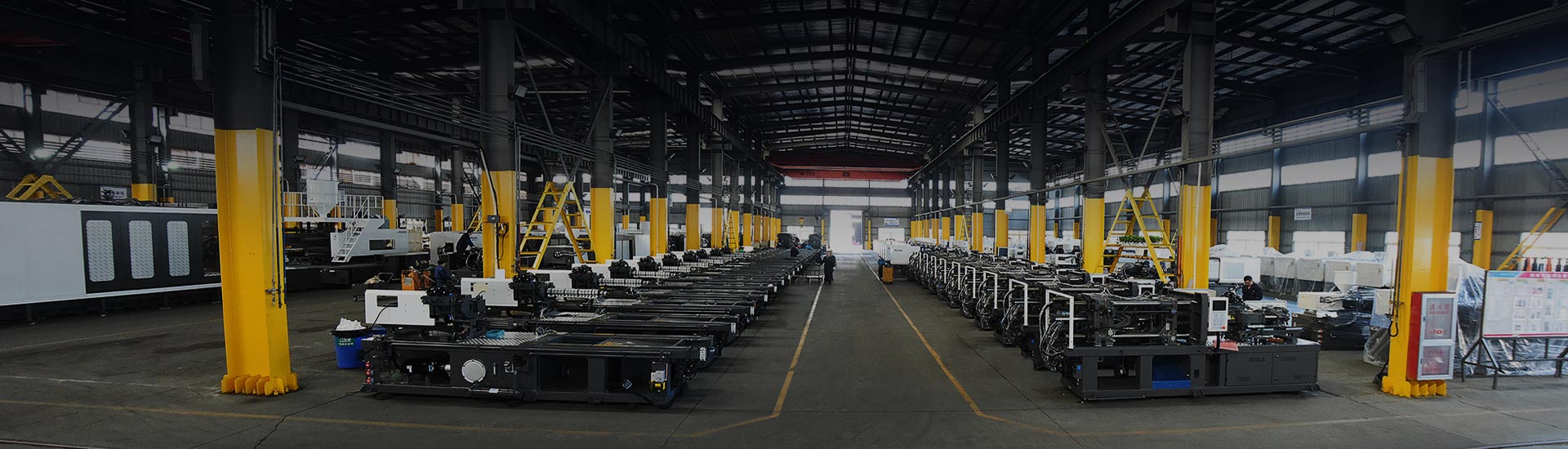
The fundamental difference is this: a single-color injection molding machine injects one material or color per cycle, while a two-color injection molding machine injects two different materials or colors in a single automated cycle — producing a finished multi-material part without secondary assembly or post-processing. This distinction has far-reaching implications for part quality, production efficiency, tooling investment, and operational complexity.
For manufacturers evaluating which machine suits their production needs, the decision comes down to part design requirements, production volume, material compatibility, and long-term cost structure. The following sections break down every critical dimension of this comparison.
Content
- 1 Machine Structure and Working Principle
- 2 Head-to-Head Comparison: Key Parameters
- 3 Production Efficiency and Cycle Time
- 4 Part Quality and Bond Integrity
- 5 Energy-Saving Two-Color Injection Molding Machine: A Growing Priority
- 6 Tooling and Mold Requirements
- 7 Typical Application Scenarios for Each Machine Type
- 8 Material Compatibility in Two-Color Molding
- 9 Operator Skill and Maintenance Considerations
- 10 Frequently Asked Questions
- 10.1 Q1: Can a single-color machine produce the same result as a two-color injection molding machine with additional steps?
- 10.2 Q2: What is the typical energy saving of an energy-saving two-color injection molding machine vs. a conventional hydraulic model?
- 10.3 Q3: How much longer does a two-color mold take to design and manufacture compared to a standard mold?
- 10.4 Q4: Are all material combinations suitable for two-color injection molding?
- 10.5 Q5: Is a two-color injection molding machine suitable for low-volume or prototype production?
- 10.6 Q6: How does the rotating platen mechanism work on a two-color injection molding machine?
Machine Structure and Working Principle
Single-Color Injection Molding Machine
A single-color (single-shot) injection molding machine consists of one injection unit paired with one mold. The process is straightforward: plastic pellets are melted, injected into a closed mold cavity under high pressure, cooled, and ejected as a finished part. The entire cycle typically takes between 10 and 60 seconds depending on part geometry and material.
The machine structure is relatively compact and the control system is less complex, making it the standard choice for the vast majority of commodity plastic part production worldwide.
Two-Color Injection Molding Machine
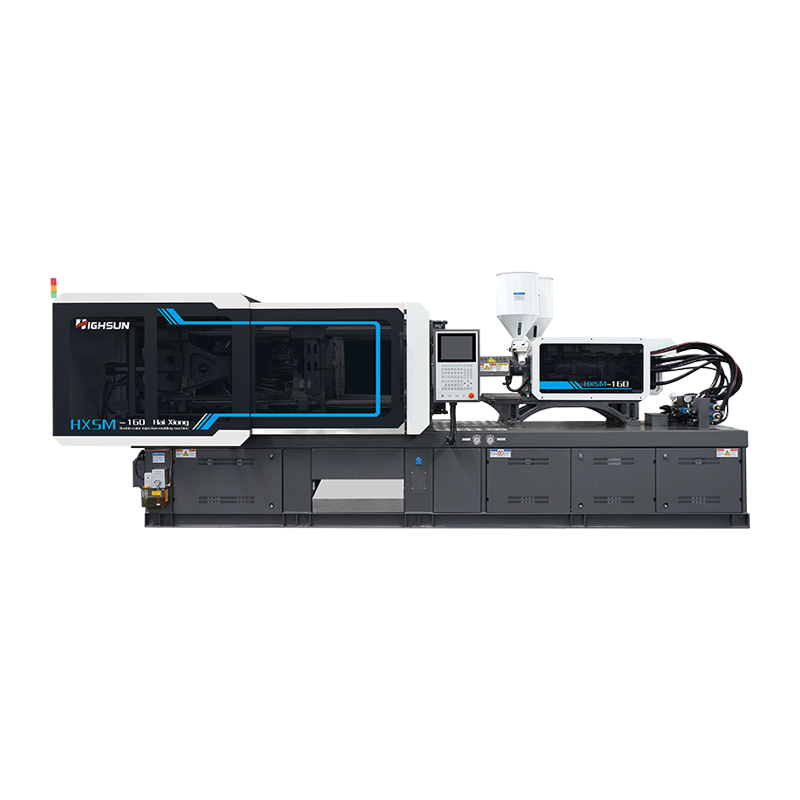
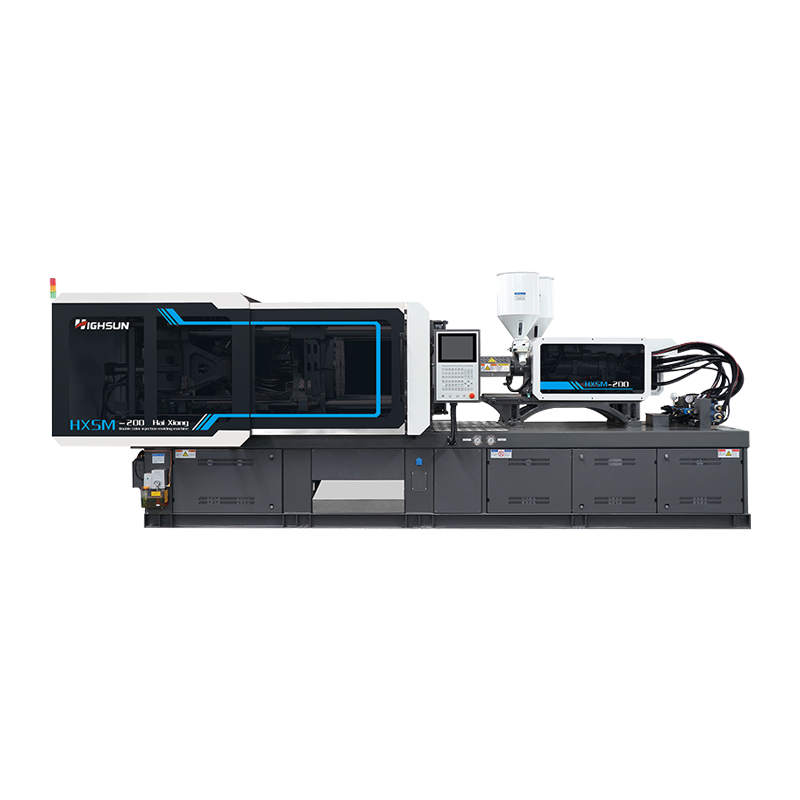
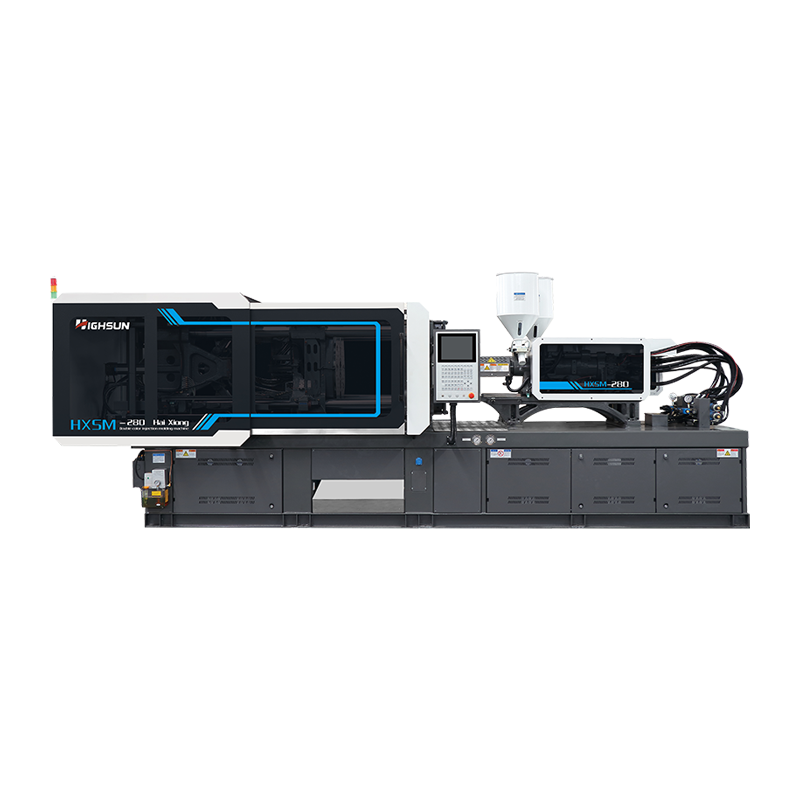
A two-color injection molding machine — also called a bi-injection or dual-shot machine — is equipped with two independent injection units and a rotating or indexing mold system. The mold contains two sets of cavities. In the first shot, the primary material fills the first cavity. The mold then rotates (typically 180 degrees) and the second injection unit overmolds the second material onto the first substrate. Both shots occur within a single machine cycle.
This architecture requires a larger machine footprint, a more sophisticated control system, and precision mold alignment — but it eliminates downstream assembly operations entirely.
Head-to-Head Comparison: Key Parameters
| Parameter | Single-Color Machine | Two-Color Injection Molding Machine |
|---|---|---|
| Injection Units | 1 | 2 (independent) |
| Materials per Cycle | 1 | 2 |
| Mold Type | Standard single-cavity/multi-cavity | Rotating or indexing dual-cavity |
| Post-Processing Required | Often yes (for multi-material parts) | No (integrated process) |
| Machine Footprint | Compact | Larger (30–60% more floor space typical) |
| Control System Complexity | Standard | Advanced (dual-parameter synchronization) |
| Tooling Investment | Lower | Higher (specialized rotating molds) |
| Part Bonding Quality | Depends on adhesive/assembly | Molecular-level fusion bond |
| Typical Industries | General industrial, packaging, consumer | Automotive, medical, electronics, consumer goods |
Production Efficiency and Cycle Time
For single-material parts, single-color machines deliver the fastest, most economical cycle times. However, when a finished product requires two materials — for example, a soft-touch grip over a rigid structural core — the single-color approach demands two separate molding operations, a transfer step, and often adhesive bonding or mechanical assembly. This sequential workflow can add 30–50% to total production time per unit compared to an integrated two-color process.
A two-color injection molding machine consolidates these steps into one cycle. While the individual cycle is longer (due to the rotation and second shot), the overall throughput for complex multi-material parts is substantially higher. Industry data indicates that switching from a two-step single-color process to a two-color machine for applicable parts reduces total production hours by up to 45% at scale.
Figure 1: Efficiency metrics comparing two-step single-color process vs. two-color injection molding machine (index: single-color = 100)
Part Quality and Bond Integrity
One of the most significant technical advantages of a two-color injection molding machine is the quality of the bond between the two materials. When the second material is injected onto the still-warm first substrate, the interface undergoes molecular-level diffusion bonding — the polymer chains from both materials intermingle at the boundary. This creates an adhesion strength that is fundamentally stronger and more durable than any mechanical joint or adhesive bond achievable in post-assembly.
Pull-off tests on two-color overmolded parts typically show interfacial bond strengths of 3–8 MPa for compatible material pairings such as ABS/TPE or PC/TPU — often exceeding the tensile strength of the softer material itself, meaning the part fails in the bulk material before the bond fails.
Single-color assembled parts are inherently limited by adhesive performance and joint geometry. In high-stress or high-cycle applications — such as automotive interior handles or medical device grips — this difference is critical to product reliability and regulatory compliance.
Energy-Saving Two-Color Injection Molding Machine: A Growing Priority
Energy consumption is a major operational cost in injection molding. Traditional hydraulic injection molding machines — whether single or two-color — consume energy continuously, even when the hydraulic system is idling between cycles. Modern energy-saving two-color injection molding machines address this through servo-hydraulic or all-electric drive systems that deliver power on demand rather than continuously.
How Energy Savings Are Achieved
- Servo-driven hydraulic pumps adjust motor speed in real time to match actual load demand, reducing idle-state power draw by up to 70% compared to fixed-speed hydraulic systems.
- All-electric drive systems replace hydraulic circuits entirely, eliminating oil heating losses and delivering overall energy savings of 30–60% per machine compared to conventional hydraulic models.
- Regenerative braking on electric machines recovers kinetic energy during deceleration phases, feeding it back into the power supply.
- Precision temperature control with zone-specific barrel heating reduces thermal energy waste during startup and between cycles.
Why Energy Efficiency Matters More for Two-Color Machines
Because a two-color injection molding machine operates two injection units, two barrel heaters, and a rotating mold mechanism simultaneously, its base power consumption is inherently higher than a single-color machine. Applying energy-saving technology to two-color machines therefore yields proportionally larger absolute savings. A high-volume facility running 10 energy-saving two-color injection molding machines can realistically reduce annual electricity consumption by hundreds of megawatt-hours compared to conventional equivalent machines — a meaningful reduction in both operating costs and carbon footprint.
Figure 2: Relative energy consumption by drive technology type for two-color injection molding machines
Tooling and Mold Requirements
Mold design is where the complexity and cost difference between the two machine types is most pronounced.
- Single-color molds are conventional cavity-and-core tools with standard runner systems. Mold lead times are typically 4–8 weeks for a production tool, and the design process is well-established across the industry.
- Two-color molds require two matched cavity sets that must be precisely aligned on the rotating platen. The core half rotates 180 degrees between shots, so both cavity positions must produce geometrically consistent parts. Mold lead times are typically 8–14 weeks, and design engineering demands higher expertise.
- Two-color molds also require careful gate placement engineering for the second shot to prevent the first substrate from deforming under injection pressure.
- Mold maintenance intervals are generally shorter for two-color tools due to the additional mechanical complexity of the rotating mechanism.
Typical Application Scenarios for Each Machine Type
When to Choose a Single-Color Machine
- Parts made from a single material with no multi-material functional requirement
- High-volume commodity parts such as caps, closures, containers, and structural housings
- Short-run or prototyping production where tooling flexibility is more important than per-unit efficiency
- Operations with limited floor space or budget for capital equipment
When to Choose a Two-Color Injection Molding Machine
- Automotive interiors: Steering wheel grips, door handles, and instrument panels combining rigid structural plastic with soft-touch overmold layers
- Consumer electronics: Two-tone housings, transparent windows over opaque substrates, and tactile button surfaces
- Medical devices: Syringe bodies with soft finger grips, where the bond must meet stringent cleanliness and delamination standards
- Power tools and hand tools: Ergonomic soft-grip handles over rigid polymer cores
- Consumer products: Toothbrush handles, kitchen utensils, and sporting goods requiring aesthetic color separation or material functionality differentiation
Material Compatibility in Two-Color Molding
Not all material combinations are suitable for two-color injection molding. The two materials must have compatible melt temperatures and chemical affinity to achieve adequate interfacial bonding. The following table summarizes common compatible pairings:
| Primary Material (First Shot) | Secondary Material (Second Shot) | Bond Quality | Common Application |
|---|---|---|---|
| ABS | TPE / TPU | Excellent | Consumer electronics, tool grips |
| PC | TPU | Very Good | Medical devices, automotive |
| PP | TPO | Good | Automotive bumpers, packaging |
| Nylon (PA) | TPE-A | Good | Sporting goods, industrial parts |
| PC/ABS Blend | Silicone (LSR) | Moderate (primer may be required) | Medical, high-purity applications |
Operator Skill and Maintenance Considerations
Single-color machines are the industry standard and most machine operators are trained on them. Setup, troubleshooting, and routine maintenance procedures are well-documented and widely understood.
Two-color injection molding machines require a higher level of operator expertise. Key areas requiring additional training include:
- Dual injection parameter management: Each injection unit has independent pressure, speed, temperature, and timing profiles that must be set and balanced correctly.
- Mold rotation system maintenance: The rotating platen mechanism requires periodic inspection of bearings, alignment pins, and hydraulic or servo rotation actuators.
- Material purging procedures: Purging two barrels between color or material changes requires more material and time than a single-barrel machine.
- Process validation: Validating a two-color part typically requires more extensive qualification runs, particularly in regulated industries such as medical or automotive.
Frequently Asked Questions
Q1: Can a single-color machine produce the same result as a two-color injection molding machine with additional steps?
A single-color machine can produce multi-material parts through insert molding or sequential assembly, but the bond strength, cycle efficiency, and dimensional consistency will generally be inferior. For high-volume production of bonded multi-material parts, a two-color injection molding machine is the purpose-built solution.
Q2: What is the typical energy saving of an energy-saving two-color injection molding machine vs. a conventional hydraulic model?
Servo-hydraulic energy-saving two-color injection molding machines typically reduce energy consumption by 30–50% compared to fixed-speed hydraulic models. All-electric variants can achieve savings of up to 60% under optimal operating conditions.
Q3: How much longer does a two-color mold take to design and manufacture compared to a standard mold?
Two-color molds typically require 8–14 weeks for a production tool, compared to 4–8 weeks for a standard single-color mold, due to the additional engineering required for the rotating cavity system and dual gate design.
Q4: Are all material combinations suitable for two-color injection molding?
No. The two materials must have compatible processing temperatures and sufficient chemical affinity at their interface. Common successful pairings include ABS/TPE, PC/TPU, and PP/TPO. Incompatible materials will produce weak bonds or delamination failures and should be validated through material supplier data and process testing before committing to tooling.
Q5: Is a two-color injection molding machine suitable for low-volume or prototype production?
Generally, two-color machines are best suited for medium-to-high volume production where the tooling investment and machine complexity are justified by per-unit savings and quality requirements. For prototyping or very low volumes, overmolding on a standard single-color machine using pre-molded inserts is typically more cost-effective.
Q6: How does the rotating platen mechanism work on a two-color injection molding machine?
After the first shot is injected and partially cooled, the moving platen (with the core half of the mold attached) rotates 180 degrees on its central axis. The first-shot substrate is now positioned in front of the second injection unit's cavity. The mold closes again, the second material is injected around or over the substrate, and after cooling, the finished two-material part is ejected. The first-shot cavity simultaneously receives a new first-shot injection, meaning both cavities are productive in every cycle.
 +86-188 6861 6288
 haixiong@highsun-machinery.com
 No.36 Yongjiang South Road, Beilun District. Ningbo City, 315800, China