 ENG
 English
 русский
 Español
 Português
 عربى



Rigid PVC punishes a machine that was designed for PP or PS. The melt gives off hydrogen chloride as it starts to degrade, it is unusually sensitive to shear heat, and any material left standing in the barrel over a weekend can turn into a hard, corrosive crust that takes hours to clear. That is why the selection process for a PVC injection molding machine begins with screw metallurgy, temperature control and purging practice, and only then moves on to tonnage, shot size and price.
The practical sequence below follows the order a tooling or process engineer would use: define the part and the compound, size the injection unit, size the clamping unit, confirm the heat profile and cleaning routine, then compare suppliers on documentation rather than brochure claims.
Content
- 1 Start With the Part and the Compound, Not the Catalogue
- 2 Screw and Barrel Design Is Where PVC Machines Differ
- 3 Clamping Force, Mold Space and Ejection
- 4 Temperature Control, Venting and the Purge Routine
- 5 Drive System and the Running Cost Picture
- 6 How to Vet a PVC Machine Supplier
- 7 Matching Machine Size to Your Output
- 8 Frequently Asked Questions
- 8.1 Q1. How do I calculate the right shot size for a PVC part?
- 8.2 Q2. What clamping force do PVC pipe fittings need?
- 8.3 Q3. Why can't a standard machine run PVC properly?
- 8.4 Q4. Does a PVC machine need a different screw tip and check ring?
- 8.5 Q5. What should be checked during factory acceptance testing?
- 8.6 Q6. What drives the price of a PVC injection molding machine?
Start With the Part and the Compound, Not the Catalogue
Before you compare machine models, put four numbers on one sheet of paper: part weight in PVC, maximum wall thickness, projected area per cavity, and the number of cavities in the mold. Those four figures drive almost every downstream decision.
The compound matters just as much as the geometry. A rigid unplasticized PVC drainage fitting, a CPVC hot-water component and a soft PVC profile behave differently in the barrel. High filler loading, typically calcium carbonate, raises viscosity and accelerates screw and barrel wear, so a heavily filled compound may justify a more wear-resistant liner and a shorter maintenance interval.
Convert the shot weight before you compare machines
Most machine catalogues quote injection capacity in polystyrene grams. Rigid PVC has a density around 1.4 g/cm³ against roughly 1.05 g/cm³ for PS, so the same barrel volume holds noticeably more PVC by weight. A fitting that weighs 400 g in PVC occupies the volume of about 300 g of PS. Quote the PS-equivalent figure to suppliers, and keep the shot within roughly 60–80% of rated capacity so residence time in the barrel stays short.
Screw and Barrel Design Is Where PVC Machines Differ
A general-purpose screw generates more shear heat than a heat-sensitive PVC melt can tolerate. PVC-dedicated screws usually use a gradual transition, deeper channels, a compression ratio in the 1.8–2.5:1 range and a shorter L/D than a polyolefin screw. The goal is to plasticate gently rather than to maximize output.
Metallurgy is the second differentiator. Hydrogen chloride attacks nitrided surfaces, especially around the feed zone where moisture can collect. Bimetallic barrel liners and nickel-based alloys cost more up front, but they extend service life considerably in continuous PVC production. Ask for the liner and screw material specification in writing; suppliers often quote surface hardness in the HRC 55–65 range for bimetallic barrels, yet the material certificate and the screw drawing tell you more than a single hardness number.
Internals deserve the same scrutiny. Every dead spot in the screw tip, check ring or nozzle is a place where PVC can sit, overheat and decompose. A streamlined screw tip, generous check-ring clearance and a short, well-heated nozzle reduce the chance of black specks appearing in the part several hours into a run.
| Feature | General-purpose unit | PVC-dedicated unit | Why it matters |
|---|---|---|---|
| Screw compression ratio | 2.5–3.0 : 1 | 1.8–2.5 : 1 | Lower shear, less frictional heat |
| Screw L/D | 20–24 : 1 | 18–22 : 1 | Shorter residence time for a heat-sensitive melt |
| Barrel liner | Nitrided steel | Bimetallic or nickel-based alloy | Resistance to hydrochloric acid attack |
| Screw tip and check valve | Standard profile | Streamlined, no dead spots | Prevents stagnation and decomposition |
| Barrel cooling | Oil or natural cooling | Forced-air fan cooling | Fast, predictable response on the feed zone |
| Purge practice | Occasional | Documented and mandatory | Avoids corrosive residue during stoppages |
Clamping Force, Mold Space and Ejection
Clamping force follows from projected area multiplied by cavity pressure, plus a working margin of 15–20%. Rigid PVC fittings are thick-walled and often run in multi-cavity molds, so cavity pressure is rarely low; figures in the 30–50 MPa range are commonly quoted for this family of parts, but confirm them with mold-flow results or your mold maker rather than relying on a rule of thumb.
Machine geometry catches buyers out more often than tonnage does. Deep socket fittings need long opening strokes and generous ejector travel, and a wide multi-cavity layout may not fit between the tie bars at all. Check tie-bar clear distance, minimum and maximum mold height, and ejector stroke against the actual mold drawing before you sign.
| Check | Data you need | Warning sign |
|---|---|---|
| Shot capacity | Part weight in PVC, cavities, runner weight | Capacity quoted only in PS grams with no conversion |
| Clamping force | Projected area times cavity pressure, plus margin | Tonnage chosen by habit instead of calculation |
| Mold space | Tie-bar distance, mold height range, ejector stroke | Deep fittings that will not open or eject cleanly |
| Injection unit | Screw drawing, liner certificate, check-ring clearance | "PVC screw" claimed without documentation |
| Heat control | Number of zones, PID type, air-cooling arrangement | Zones grouped so the feed throat overheats |
| Spare parts | Screw, barrel and check-ring price and lead time | No spare parts list at quotation stage |
Temperature Control, Venting and the Purge Routine
Rigid PVC typically runs in a 160–200 °C band, with the exact window set by the stabilizer and lubricant package in the compound. Zones must be controlled independently and respond quickly, because a feed zone that drifts upward will start the degradation process before the material reaches the metering section. Forced-air fan cooling is common on PVC barrels for exactly this reason: it removes heat fast without the thermal lag of oil circuits.
Process settings should be gentle. Keep screw speed low, hold back pressure to the minimum that gives a consistent cushion, and avoid aggressive injection speeds that generate shear at the gate. If your compound carries fillers or picks up moisture in storage, ask the supplier whether a vented barrel is worth specifying.
Purging is not optional on PVC. Establish a written shutdown procedure: empty the barrel, run a polyolefin purge compound through the screw and barrel, and clean the nozzle and screw tip before any stoppage longer than a shift. A documented shutdown and barrel-cleaning routine prevents most of the black-speck and corrosion problems that appear weeks later.
Drive System and the Running Cost Picture
Hydraulic machines remain common in PVC work, but drive choice affects the electricity bill more than any other single option. A fixed-pump machine runs the pump at full output throughout the cooling phase. Servo-driven and variable-pump systems reduce output when the machine is only holding pressure, which matters on thick-walled PVC parts where cooling can take a large share of the cycle. Ask for the connected load and compare it with your actual cycle rather than relying on general efficiency statements.
Lifetime cost also includes consumables. Screws, barrels, check rings and heater bands are wear items on any PVC machine, and the corrosion resistance you pay for at purchase shows up as longer intervals between replacements. Ask for the price and lead time of a spare screw and barrel before ordering the machine; a cheap machine with a four-month spare-part lead time is expensive to own.
How to Vet a PVC Machine Supplier
Once the specification is settled, the remaining risk is delivery and support. Use a short, evidence-based checklist:
- Material certificates for the screw, barrel liner and check valve, plus a dimensional screw drawing.
- A trial run on a comparable mold, with shot weight, cycle time and melt temperature recorded.
- Electrical and mechanical safety to recognized standards such as ISO 20430 for injection molding machines and IEC 60204-1 for electrical equipment.
- Documentation package: general arrangement drawing, hydraulic and electrical schematics, operating manual, spare parts list.
- Operator training and a named service contact with a stated response time.
- Experience with your market's voltage, frequency and safety requirements.
- Willingness to customize screw geometry, ejector configuration or mold interfaces — OEM and ODM work is routine for an established manufacturer, but it should be quoted in writing.
Matching Machine Size to Your Output
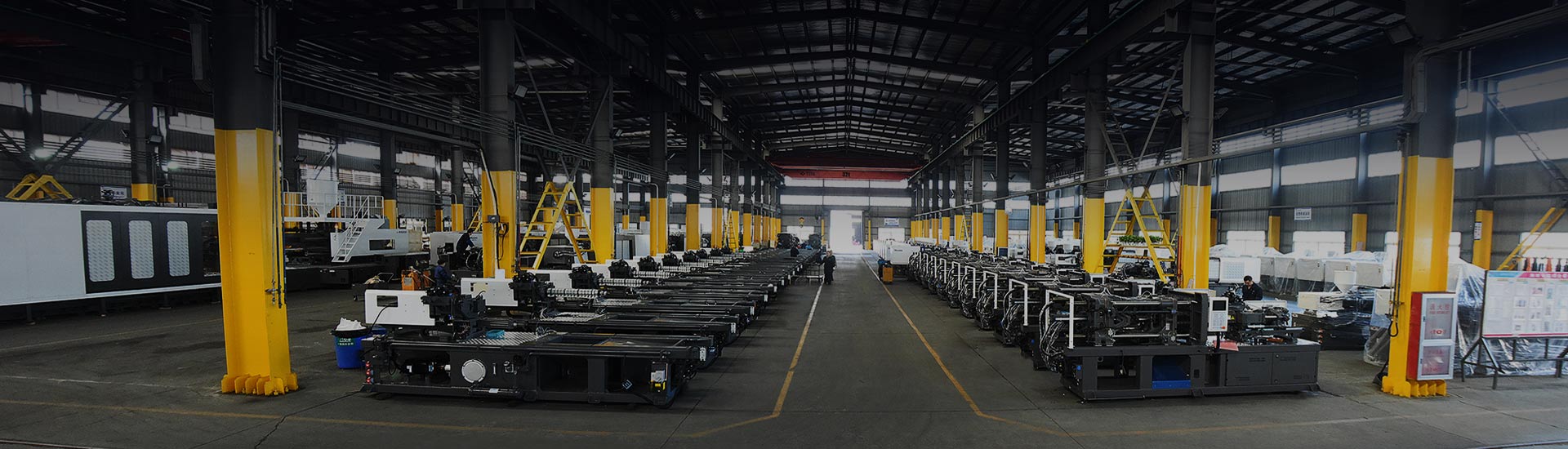
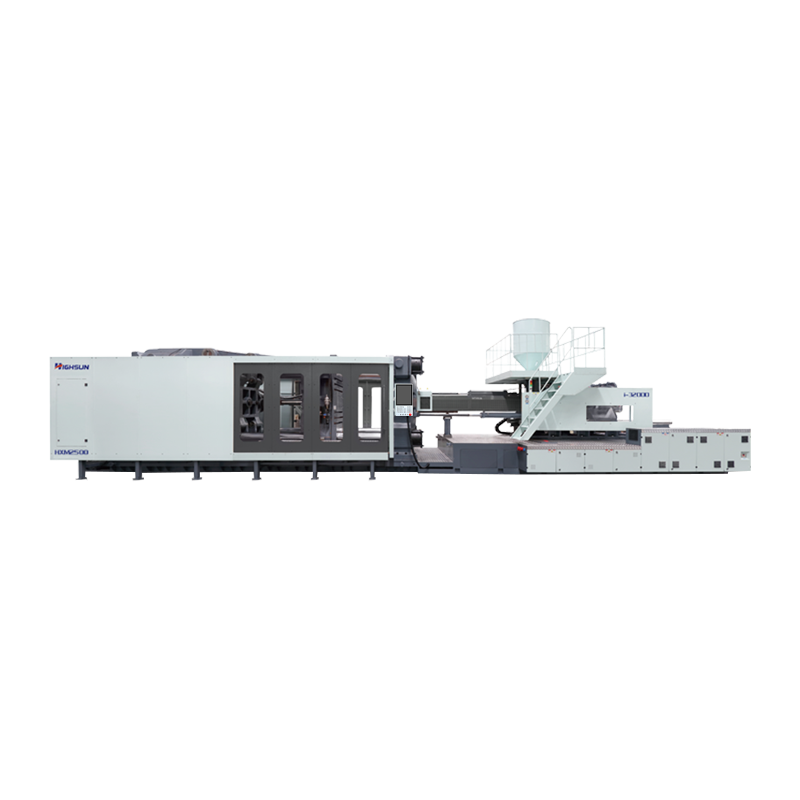
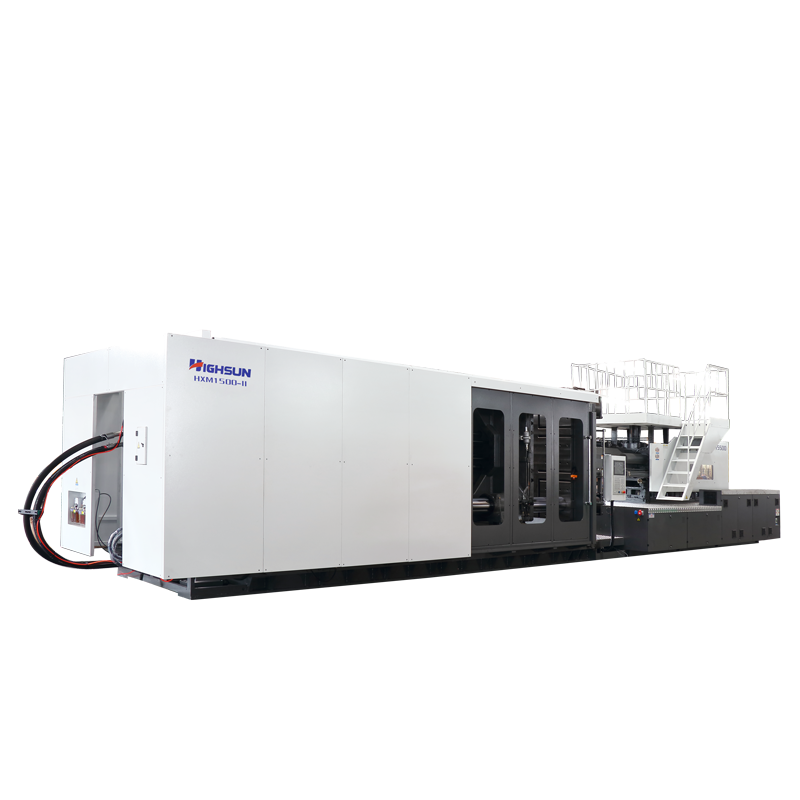
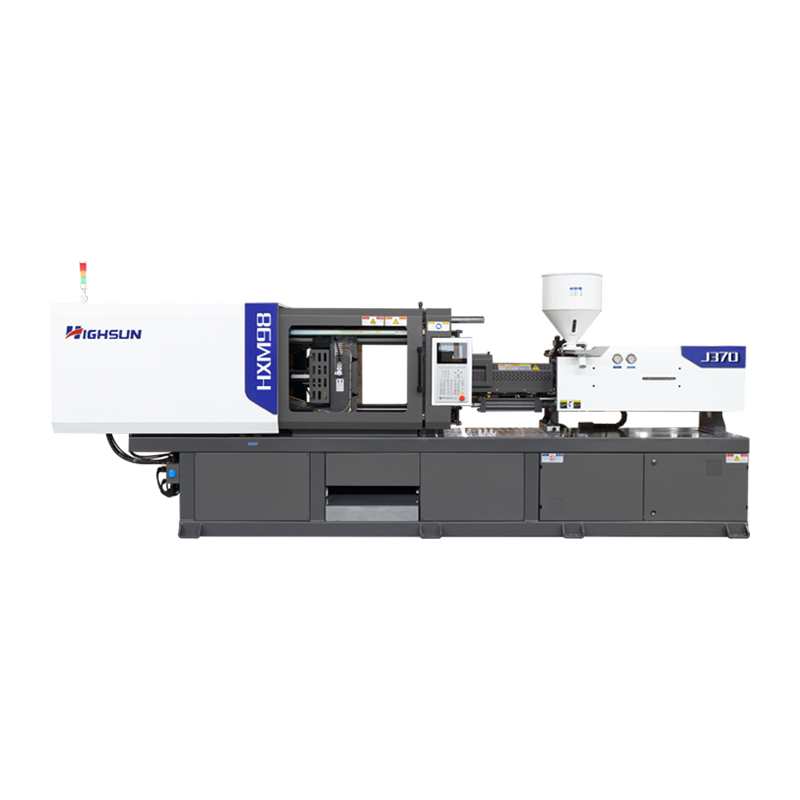
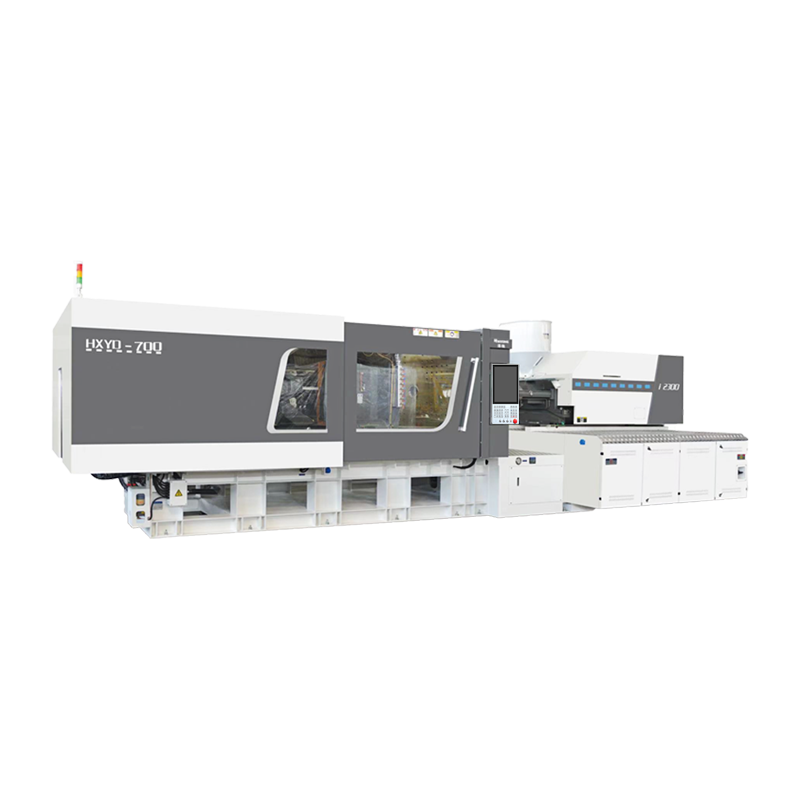
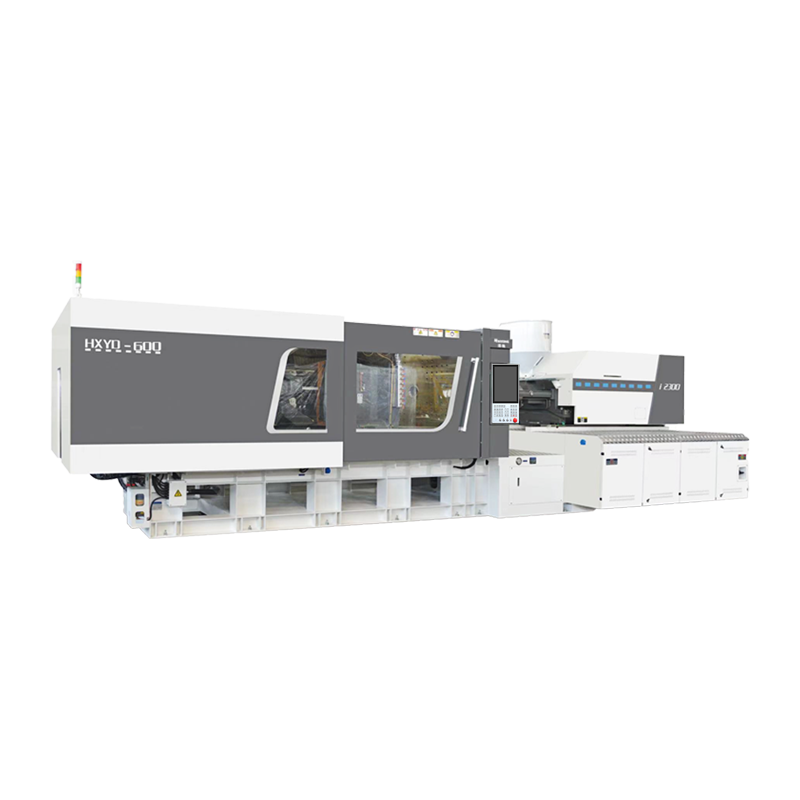
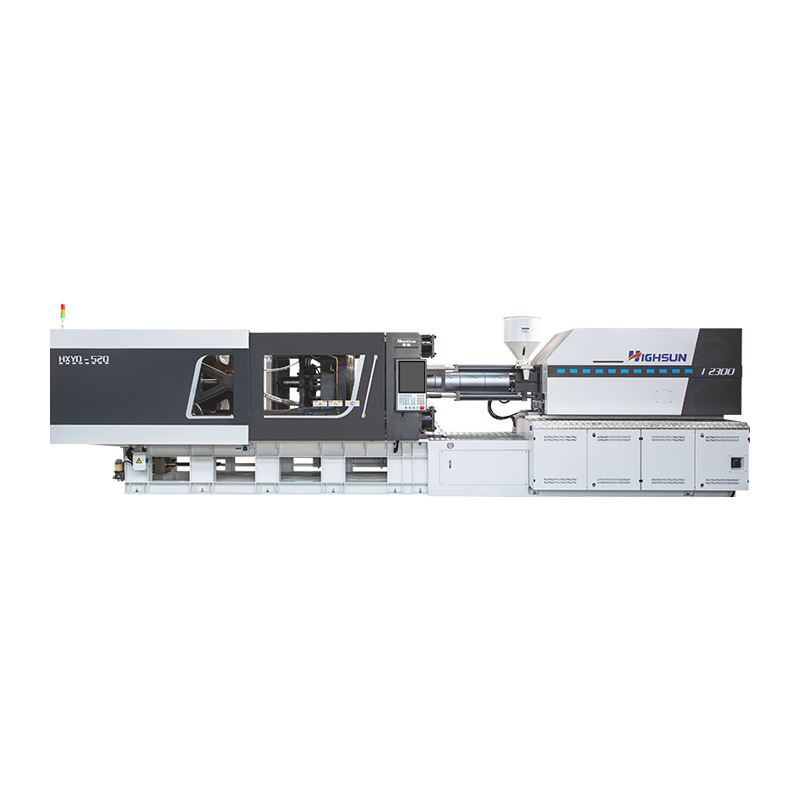
A supplier with a dedicated PVC range will usually cover everything from small electrical fittings to large drainage components within one series. HIGHSUN builds the HXM PVC series from the HXM168PVC up to the HXM850PVC, with clamping force and shot size stepping up across the range, and the same platform is used for PVC and CPVC part production in pipe fittings, valves and related components. That range makes it easier to size a machine to your mold list instead of oversizing "for the future".
Three models are worth comparing at quotation stage: a mid-size machine for multi-cavity fitting work, a larger unit for deep socket molds, and a high-tonnage model for large-diameter parts.
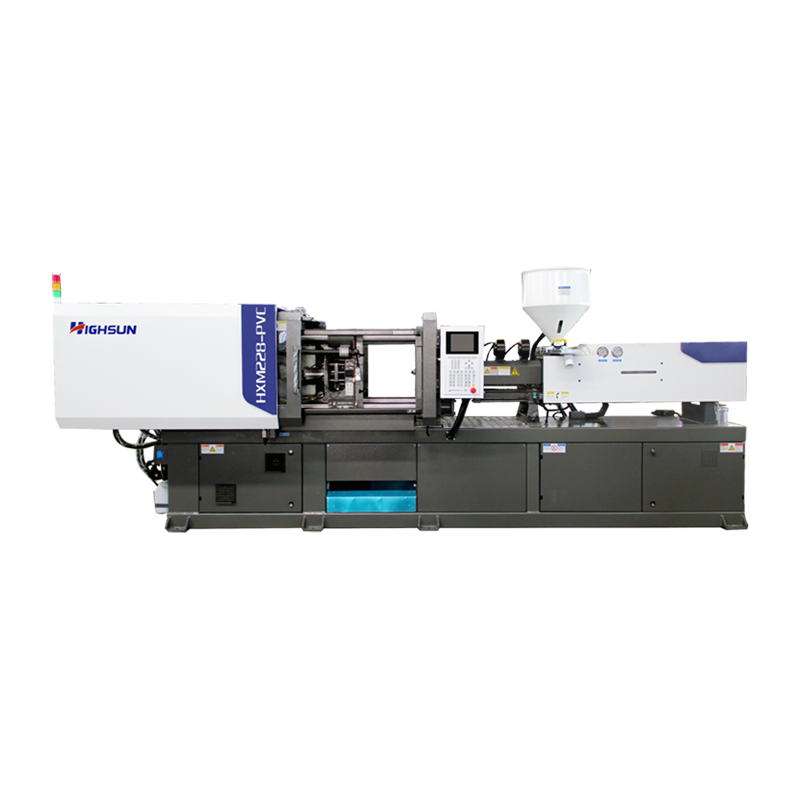 HXM228-PVC PVC Injection Molding MachineA PVC injection machine with reinforced clamping, 540 g injection weight and 2,280 kN clamping force for stable molding of smaller PVC parts.View Product →
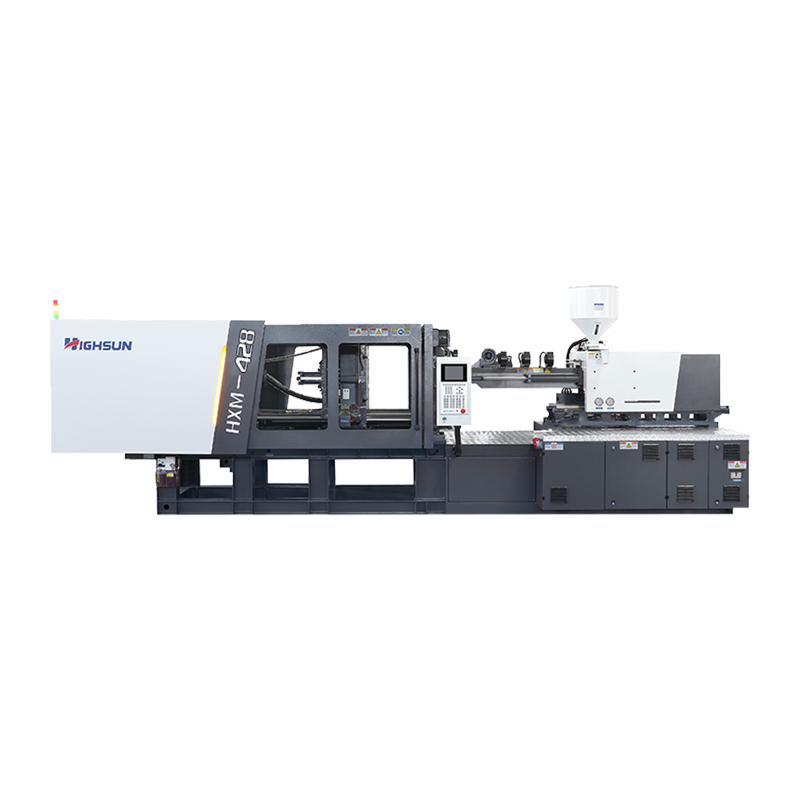 HXM428-PVC PVC Injection Molding Machine with Widened DoorPVC injection machine with widened mold access, 1,789 g shot weight and 4,280 kN clamping force for larger molds and deep socket work.View Product →
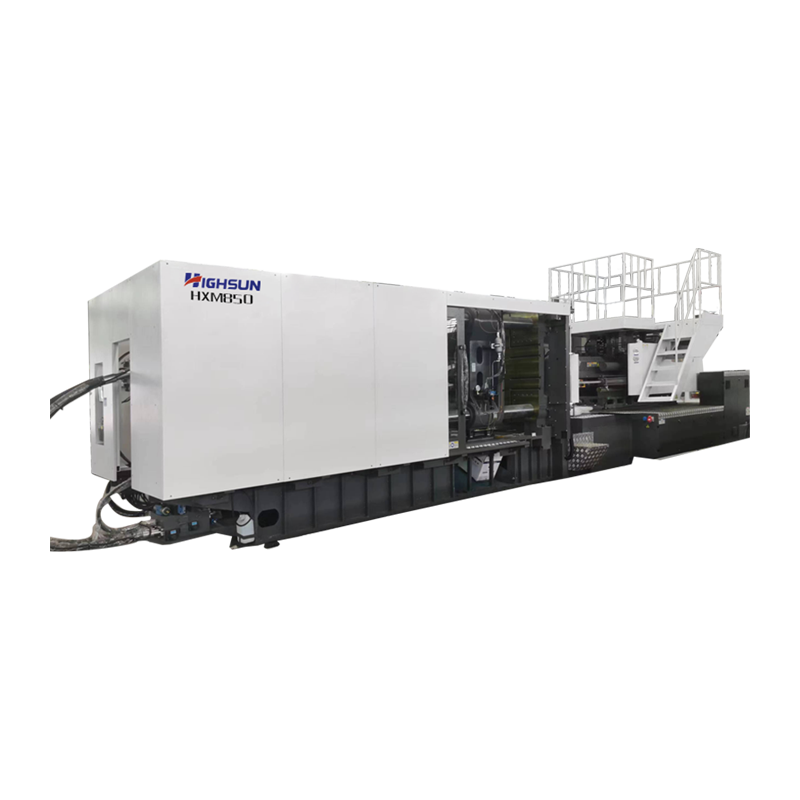 HXM850-PVC High-Tonnage PVC Injection Molding MachineHigh-tonnage PVC machine with multi-stage temperature control, 5,432 g injection weight and 8,500 kN clamping force for large-diameter PVC parts.View Product →
Send your part drawings, compound data sheet and annual volume to the manufacturer and ask for a written recommendation covering screw specification, shot weight conversion, clamping force and spare parts. A supplier who answers those points with numbers rather than adjectives is usually the safer long-term partner.
Frequently Asked Questions
Q1. How do I calculate the right shot size for a PVC part?
Weigh the part and runner in PVC, divide by about 1.4 to get volume, then multiply by 1.05 to express it as the polystyrene equivalent the machine catalogue uses. Keep that figure at 60–80% of rated capacity.
Q2. What clamping force do PVC pipe fittings need?
Multiply projected area by cavity pressure and add 15–20%. Rigid PVC fittings often sit in the 30–50 MPa cavity pressure range, but confirm with mold-flow analysis or your mold maker before fixing tonnage.
Q3. Why can't a standard machine run PVC properly?
It can run PVC for a while, but a nitrided barrel is attacked by hydrogen chloride, and a high-compression screw adds shear heat to a melt that degrades easily. Dead spots in the screw tip also trap material that later decomposes.
Q4. Does a PVC machine need a different screw tip and check ring?
Yes. Streamlined profiles with no sharp shoulders and adequate check-ring clearance reduce stagnation. Ask for the screw drawing and confirm the tip design before the machine is built.
Q5. What should be checked during factory acceptance testing?
Run a trial mold and record shot weight, cycle time and melt temperature. Check all heating zones for stability, look for hydraulic leaks, verify safety interlocks, and confirm the drawing and spare parts package is complete.
Q6. What drives the price of a PVC injection molding machine?
Clamping force, screw and barrel metallurgy, drive type, number of controlled zones, and any customization of mold interfaces or ejector layout. Freight, training and spare parts should be priced separately for a fair comparison.
 +86-188 6861 6288
 haixiong@highsun-machinery.com
 No.36 Yongjiang South Road, Beilun District. Ningbo City, 315800, China
