 ENG
ENG  English
 русский
 Español
 Português
 عربى
عربى


Content
- 1 The Direct Answer: A 45% Efficiency Gain Is Real and Measurable
- 2 Why Conventional Hydraulic Machines Create Hidden Losses
- 3 Intelligent Servo Drive System: The Core Technology
- 4 T-Type High-Rigidity Platen: Structural Precision That Speeds Production
- 5 Breaking Down the 45% Efficiency Gain by Source
- 6 Servo Injection Molding Machine Energy Saving: Quantified
- 7 Applications Where the High Precision Plastic Injection Machine Delivers the Most Value
- 8 About HIGHSUN Machinery
- 9 Frequently Asked Questions
The Direct Answer: A 45% Efficiency Gain Is Real and Measurable
The HXM Servo Injection Molding Machine achieves a documented 45% improvement in production efficiency by combining three independent performance pillars: a Power-on-Demand servo drive that eliminates idle energy waste, a T-type high-rigidity platen that accelerates mold cycling while suppressing deflection, and closed-loop precision control that reduces scrap at the source. This figure is not a best-case projection — it reflects the cumulative effect of shorter cycle times, lower energy consumption per part, and higher uptime compared to conventional fixed-displacement hydraulic machines.
In 2026, as plastic component manufacturers face tightening quality standards and rising operating costs, investing in a High Precision Plastic Injection Machine with intelligent servo architecture is one of the highest-return equipment decisions available to a production team.
Why Conventional Hydraulic Machines Create Hidden Losses
Traditional fixed-displacement hydraulic injection machines were designed around a fundamental compromise: a single motor drives the hydraulic pump at constant speed regardless of whether the machine is injecting, holding pressure, cooling, or sitting idle. This design produces three cascading inefficiencies that compound across every production shift:
- Continuous energy draw at full load — the hydraulic motor runs at 60–70% of rated power even during cooling and idle phases when no mechanical work is being done.
- Thermal instability from excess heat — oil temperature rise degrades viscosity, tightens tolerances unpredictably, and accelerates wear on seals and valves.
- Slow pressure response — hydraulic lag of 200–500 ms makes fine injection profiling difficult, increasing flash, short shots, and dimensional variation on tight-tolerance parts.
Across a three-shift operation running high-cavity tooling, these losses translate into tens of thousands of kilowatt-hours wasted annually and thousands of reject parts that consume material and machine time without generating revenue. The Servo Injection Molding Machine Energy Saving architecture of the HXM platform directly eliminates all three root causes.
Intelligent Servo Drive System: The Core Technology
The HXM machine is built around a Permanent Magnet Synchronous Servo Motor paired with closed-loop vector control — a combination that delivers performance characteristics asynchronous motors cannot replicate at any operating point.
Key Design Advantages
- Power-on-Demand operation — the servo motor activates only when the machine requires torque. Standby consumption is zero. During cooling, dwelling, and pause phases, power draw drops entirely.
- Motor efficiency above 95% — versus 60–70% for conventional asynchronous motors, meaning a significantly greater share of input electricity is converted into useful mechanical work.
- 40%+ faster dynamic response — millisecond-level torque control allows pressure and speed profiles to be executed with precision, enabling tighter process windows and more consistent shot weights.
| Parameter | HXM Servo Motor | Traditional Asynchronous Motor |
|---|---|---|
| Motor efficiency | >95% | 60–70% |
| Standby power draw | 0 W (on-demand) | Continuous (full draw) |
| Dynamic response speed | Millisecond-level | 200–500 ms lag |
| Response advantage | 40%+ faster | Baseline |
HXM Servo Traditional Hydraulic
T-Type High-Rigidity Platen: Structural Precision That Speeds Production
Faster servo response only delivers efficiency if the machine's mechanical structure can keep pace without deflecting under clamping load. The HXM platform addresses this with a patented T-Type High-Rigidity Platen System — a complete departure from conventional C-frame platen geometry.
Structural Innovations
- Monobloc T-box tie-bar housing — replaces traditional straight-plate platens with a single-piece cast structure that distributes clamping forces across a wider geometry.
- Multi-rib reinforcement design — patented internal ribbing optimizes stress distribution, eliminating the stress concentration points where fatigue fractures originate in conventional designs.
Technical Advantages in Production
- Clamping deflection below 0.02 mm — versus 0.1 mm or more on traditional C-frame platens, a 5× improvement in dimensional stability that directly reduces flash and parting-line variation.
- 90% reduction in tie-bar fracture risk — stress concentration is structurally eliminated, extending component lifespan and reducing the frequency of unplanned maintenance shutdowns.
- 30% faster mold opening and closing — rigid structural support suppresses vibration during traverse, allowing higher mold speeds without compromising part quality or tooling integrity.
Breaking Down the 45% Efficiency Gain by Source
The 45% headline figure is a composite of four independent improvement streams. Understanding each component allows production managers to set realistic expectations and identify which gains will be most impactful for their specific application:
Efficiency contribution (%)
- Cycle time reduction (~18%): The 40%+ faster servo response compresses injection, hold, and mold-movement phases. A cycle that takes 22 seconds on a hydraulic machine typically runs in under 19 seconds on an HXM servo unit — a gain that multiplies across millions of shots per year.
- Energy saving per part (~14%): Zero standby consumption combined with >95% motor efficiency reduces kWh per 1,000 shots substantially — a saving that appears directly on every electricity invoice from day one.
- Scrap rate reduction (~8%): Tighter dimensional consistency from the T-type platen and closed-loop pressure control reduces out-of-spec parts, recovering productive capacity previously lost to rework and material waste.
- Uptime improvement (~5%): Lower thermal stress on hydraulic oil and reduced mechanical fatigue on structural components extends mean time between maintenance events, keeping machines running longer between scheduled interventions.
Servo Injection Molding Machine Energy Saving: Quantified
Energy cost is typically the second-largest operating expense in an injection molding facility after labor. The following table illustrates representative performance for a mid-tonnage scenario running a single-cavity tool on an 8-hour shift:
| Metric | Conventional Hydraulic | HXM Servo | Improvement |
|---|---|---|---|
| Daily energy use (8 hr shift) | 48 kWh | 28 kWh | –42% |
| Idle-phase consumption | High (continuous) | 0 (on-demand) | –100% |
| Average cycle time | 22 s | ~18.5 s | –16% |
| Parts per 8-hr shift | 1,309 | ~1,557 | +19% |
| Platen clamping deflection | ≥0.10 mm | <0.02 mm | 5× better |
For facilities running two or three shifts, the energy savings and cycle time benefits multiply across the full production calendar — making the cumulative annual impact substantially larger than the per-shift numbers suggest.
Applications Where the High Precision Plastic Injection Machine Delivers the Most Value
The HXM servo platform is a strong fit across a wide range of plastic molding applications, but certain product categories benefit most from the combination of sub-0.02 mm platen stability, millisecond pressure response, and 30% faster mold cycling:
- Medical devices and diagnostics: Pipette tips, reagent cartridges, and fluid-path connectors require dimensional consistency across millions of cycles. Even minor flash or short shots create regulatory risk.
- Automotive electronics: Connector bodies, sensor housings, and relay covers demand tight parting-line registration across high-cavity tooling — exactly what the T-type platen system delivers.
- Consumer electronics enclosures: Thin-wall smartphone housings, earbuds, and wearable device casings require uniform wall thickness and surface finish that degrade rapidly when platen deflection increases.
- Optical components: Lenses, light guides, and display diffusers are among the most demanding injection molding applications — sub-0.05 mm platen flex compromises optical path geometry in ways that are often only detected at final inspection.
About HIGHSUN Machinery
Ningbo Beilun Highsun Machinery Co., Ltd. is located in Beilun Science and Technology Park, Ningbo, Zhejiang province — a region widely recognized as the capital of plastic machinery manufacturing in China. The company produces and markets high-grade precision plastic injection molding machines under the HIGHSUN (HXM) brand.
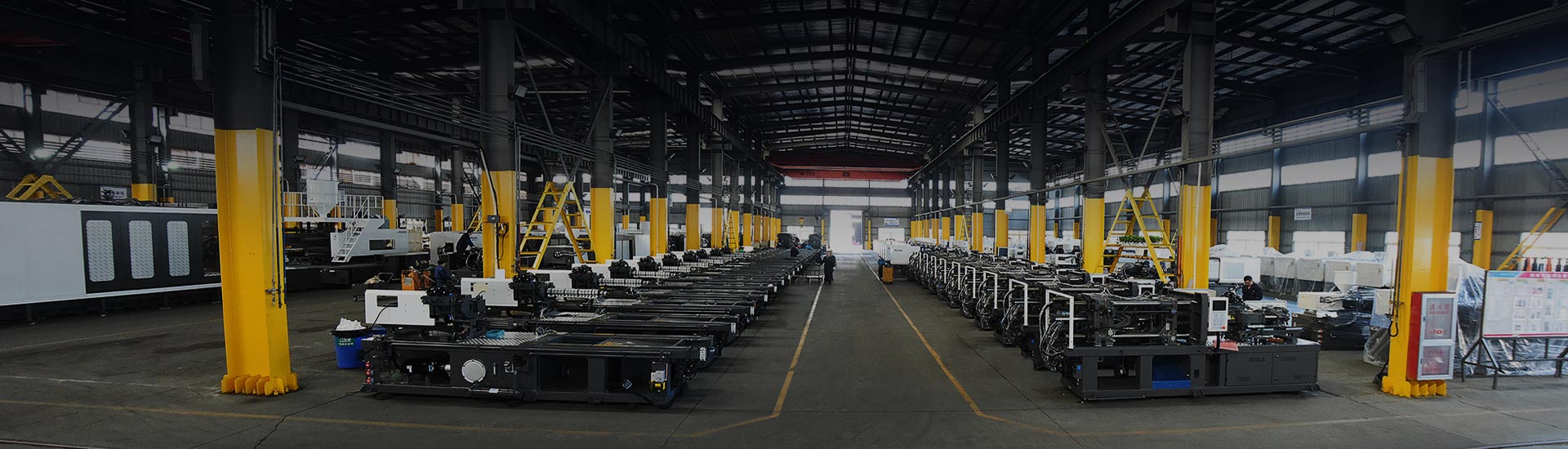
As a professional HXM Servo Injection Molding Machine manufacturer and factory, HIGHSUN has maintained a long-term commitment to precision manufacturing management and zero-defect production standards. The product portfolio is structured around three characteristic series: small-tonnage hybrid machines, medium-tonnage toggle machines, and large-tonnage two-platen machines — covering the full spectrum of commercial injection molding requirements from micro-components to large structural parts.
Every machine leaving the HIGHSUN facility incorporates the Intelligent Servo Drive System and T-Type High-Rigidity Platen technologies described in this article — reflecting the company's focus on advancing core engineering rather than cosmetic differentiation.
Frequently Asked Questions
Q1: How much energy can a facility realistically save by switching to an HXM Servo Injection Molding Machine?
Most facilities report 30–50% reductions in electricity consumption per shift compared to fixed-displacement hydraulic machines. The Power-on-Demand architecture draws zero energy during standby phases, which is the single largest source of saving. The exact figure depends on current machine age, cycle structure, and the proportion of idle time in the production schedule.
Q2: What makes the T-type platen better than a standard C-frame design?
The monobloc T-box tie-bar housing and multi-rib internal geometry distribute clamping stress evenly across the platen face. This reduces deflection to below 0.02 mm versus 0.1 mm or more on C-frame designs — a 5× improvement — and cuts tie-bar fracture risk by 90%. For precision parts, this translates directly into lower scrap rates, longer tooling life, and fewer unplanned maintenance stops.
Q3: Is the HXM machine suitable for thin-wall and optical-grade components?
Yes. The millisecond-level servo torque response allows fine injection speed and pressure profiling throughout the fill and pack phases, which is essential for thin-wall and optical applications. Combined with sub-0.02 mm platen deflection, the machine maintains the part geometry consistency and surface quality these products require across high-volume production runs.
Q4: What tonnage range does HIGHSUN cover with the HXM servo series?
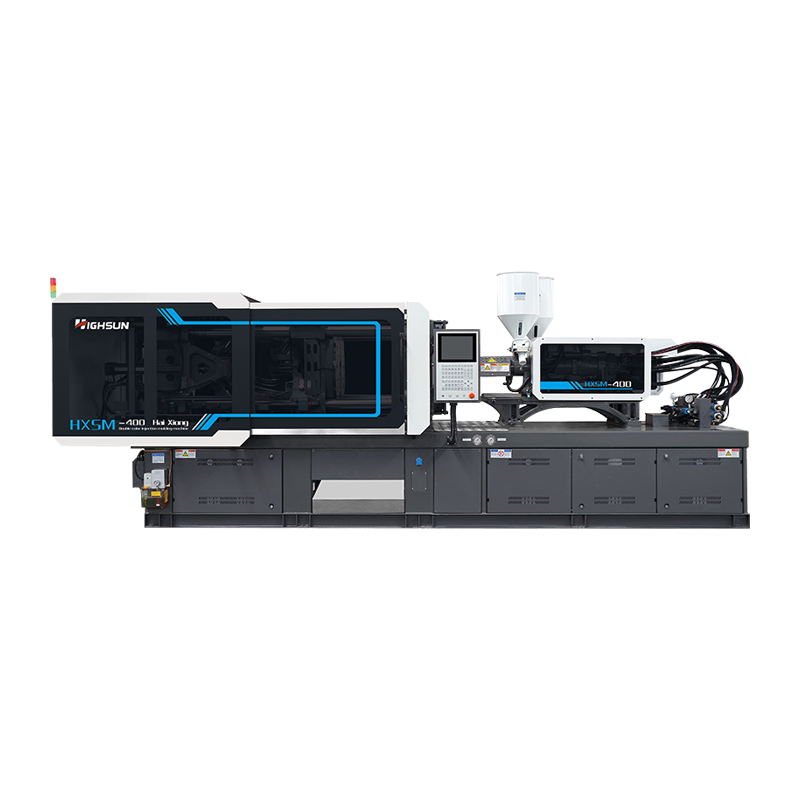
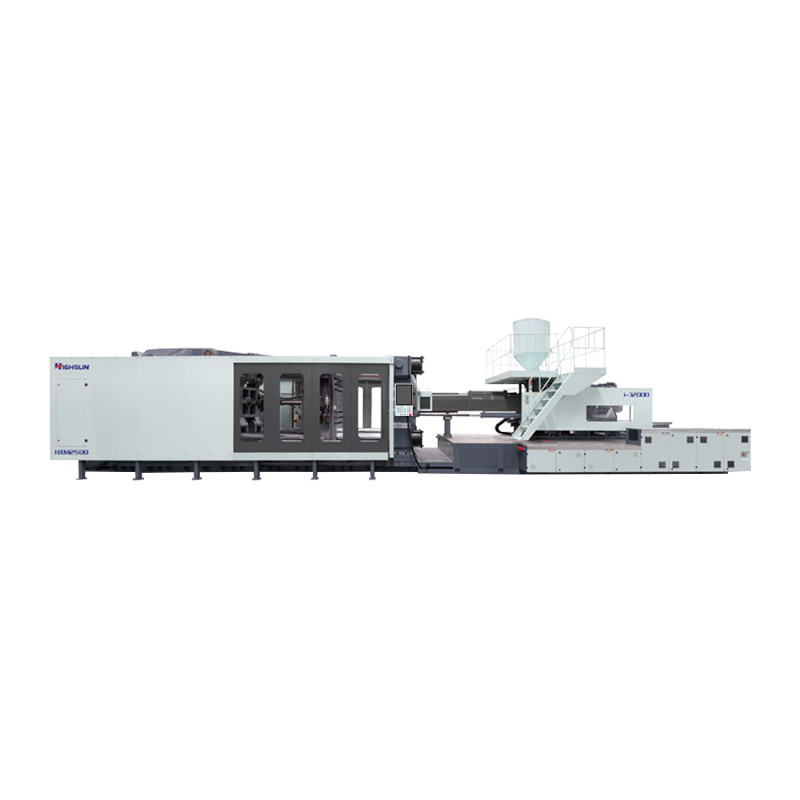
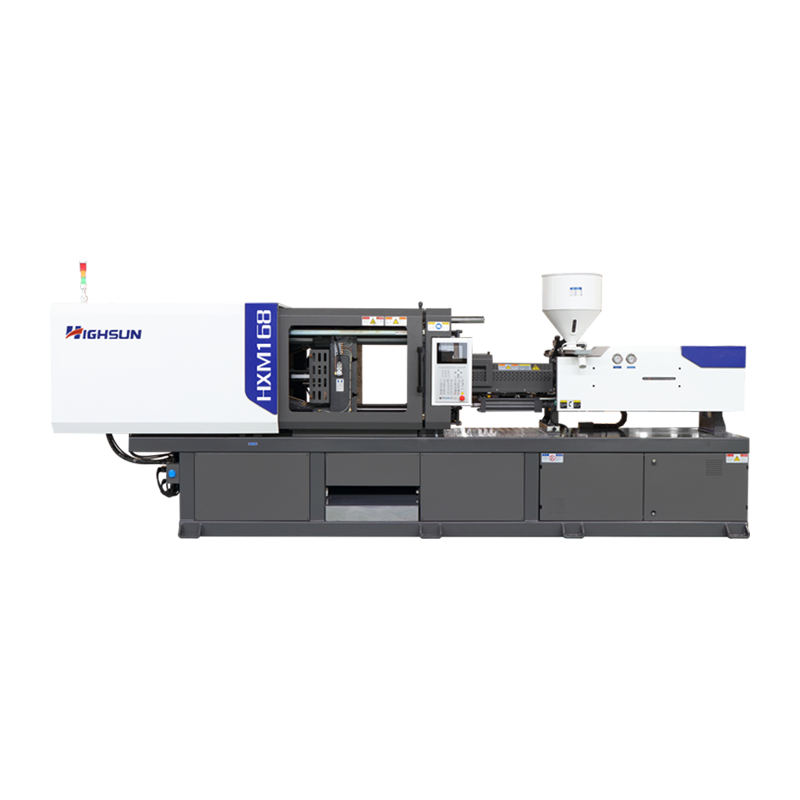
HIGHSUN produces HXM servo machines across small, medium, and large tonnage categories — small-tonnage hybrid configurations, medium-tonnage toggle-type machines, and large-tonnage two-platen designs. This range covers the majority of commercial injection molding scenarios, from precision micro-components to large structural and automotive parts.
Q5: How does closed-loop vector control improve part quality compared to open-loop systems?
Closed-loop vector control continuously monitors and corrects motor torque output in real time throughout every phase of the injection cycle. Unlike open-loop systems that apply a preset command and cannot compensate for load variation, closed-loop control reduces pressure overshoot, prevents flash, and improves shot-to-shot weight consistency — which is the foundational requirement for repeatable part quality in high-precision plastic injection molding.
 +86-188 6861 6288
 haixiong@highsun-machinery.com
 No.36 Yongjiang South Road, Beilun District. Ningbo City, 315800, China