 ENG
ENG  English
 русский
 Español
 Português
 عربى
عربى


Choosing the right SP Smart Power Injection Molding Machine for your factory starts with one clear answer: match your machine's servo drive system, clamping force, and shot size to your dominant product range — then let energy efficiency and precision capability guide the final decision. Factories that align machine specs to production reality typically achieve 30–60% energy savings over conventional hydraulic systems and significantly reduce scrap rates from day one.
Below is a comprehensive guide to every factor that matters — from technical specs and energy performance to application fit and long-term ROI — so you can make a confident, data-backed purchasing decision.
Content
- 1 What Makes a Smart Power Injection Molding Machine Different?
- 2 Core Selection Criteria: Match the Machine to Your Factory Needs
- 3 Energy Saving Performance: The Numbers That Matter
- 4 Choosing Between Toggle, Two-Platen, and Hybrid Configurations
- 5 Control System and Process Intelligence
- 6 Material Compatibility and Application Fit
- 7 After-Sales Support, Spare Parts, and Total Cost of Ownership
- 8 About Ningbo Beilun Highsun Machinery Co., Ltd.
- 9 Frequently Asked Questions
What Makes a Smart Power Injection Molding Machine Different?
Traditional hydraulic injection molding machines run a fixed-speed motor continuously — even when idle. A Smart Power Injection Molding Machine replaces this with a servo-driven hydraulic system or a fully electric drive that only consumes power proportional to the actual load. The result is a machine that is fundamentally more efficient, quieter, and more controllable.
Key technical differentiators include:
- Servo motor + variable displacement pump: Responds to real-time pressure and flow demand
- Closed-loop feedback control: Injection speed, pressure, and position are monitored and corrected in milliseconds
- Low oil temperature operation: Reduced hydraulic energy loss means the oil runs cooler, extending fluid and seal lifespan
- Noise reduction: Servo systems typically operate at 55–65 dB versus 80–90 dB for fixed-speed hydraulics
For factories producing thin-wall packaging, medical components, automotive parts, or consumer electronics housings, these characteristics are not optional — they are the baseline for competitive production.
Core Selection Criteria: Match the Machine to Your Factory Needs
There is no universally "best" SP machine — the right choice depends on your production profile. Evaluate each criterion below against your actual requirements before shortlisting models.
Clamping Force Range
Clamping force is the most fundamental parameter. A general rule: 2–3 tons of clamping force per square centimeter of projected part area. Under-sizing causes flash; over-sizing wastes energy and capital.
| Clamping Force | Typical Application | Machine Type |
|---|---|---|
| 50–300 tons | Small precision parts, connectors, caps | Small tonnage hybrid |
| 300–1000 tons | Automotive trim, housings, containers | Medium tonnage toggle |
| 1000–4000+ tons | Bumpers, pallets, large structural panels | Large tonnage two-platen |
Injection Unit Specification
Shot size, injection speed, and screw L/D ratio must align with the materials you process and the wall thicknesses you target. For high-precision plastic injection, a screw L/D ratio of 20:1 to 24:1 provides optimal plasticizing consistency, especially for engineering-grade resins like PA, PC, or POM.
Repeatability and Positional Accuracy
For a High Precision Plastic Injection Machine, the industry benchmark for injection position repeatability is ±0.1 mm or better. Look for machines with linear encoders or resolver feedback on the injection axis. This is critical for optical lenses, medical consumables, and micro-components where dimensional tolerance is ±0.02 mm or tighter.
Energy Saving Performance: The Numbers That Matter
Energy cost is typically the second-largest operating expense in injection molding after raw materials. Selecting a genuine Energy Saving Injection Molding Machine has a direct, measurable impact on your cost per kilogram of output.
The chart below illustrates typical energy consumption comparison across machine drive technologies:
Energy Consumption by Machine Drive Type (kWh per kg of output)
1.80
Fixed Speed Hydraulic
1.20
Variable Pump Hydraulic
0.72
SP Smart Power Servo
0.60
All-Electric
Source: Industry average data, general-purpose PP/ABS molding conditions
A factory running 3 machines × 6,000 hours/year × 1.80 kWh/kg at 50 kg/hour consumes approximately 1,620,000 kWh annually. Switching to servo-driven Smart Power technology at 0.72 kWh/kg reduces this to 648,000 kWh — a saving of nearly 972,000 kWh per year, equivalent to a dramatic cut in electricity bills and carbon footprint.
Additional energy-saving features to verify before purchasing:
- Automatic standby mode when the machine is idle between cycles
- Proportional barrel heating with PID zone control (reduces heater overshoot by up to 40%)
- Real-time energy monitoring dashboard with kWh-per-shot data logging
- Low-viscosity hydraulic oil compatibility (ISO VG 32) for further thermal efficiency
Choosing Between Toggle, Two-Platen, and Hybrid Configurations
The clamping mechanism type affects mold protection, platen parallelism, and maintenance cost. Understanding the tradeoffs helps you select a structure aligned with your mold assets and production cadence.
Toggle Clamping (Small to Medium Tonnage)
Toggle mechanisms amplify servo motor force mechanically, making them highly energy-efficient at medium tonnage (80–1000 tons). Fast dry-cycle times (as low as 1.2 seconds for a 100-ton toggle) make them ideal for high-volume parts with short cycle requirements. However, toggle wear over extended production runs requires periodic re-lubrication and bushing inspection — typically every 500,000 to 1,000,000 cycles.
Two-Platen Clamping (Large Tonnage)
Two-platen designs eliminate the rear platen and toggle linkage, resulting in a 30–40% shorter machine footprint at equivalent clamping force compared to toggle machines above 1,000 tons. Direct hydraulic or servo-electric lock-and-clamp actuation provides uniform platen force distribution, which is critical for large flat parts such as car dashboards and industrial tubs. Mold opening stroke flexibility is a major advantage for deep-draw parts.
Hybrid Architecture (Small Precision Tonnage)
Small tonnage hybrid machines combine an electric injection axis with servo hydraulic clamping. This delivers the positional accuracy of all-electric machines (±0.05 mm injection repeatability) with the cost efficiency and robustness of a hydraulic clamp. These machines are particularly well-suited for medical devices, optical parts, and multi-cavity precision components where dimensional consistency across millions of shots is mandatory.
Control System and Process Intelligence
Modern High Precision Plastic Injection Machines live or die by the quality of their control architecture. A powerful servo drive is only as good as the controller commanding it.
Key control features to demand from any SP Smart Power machine specification sheet:
- Multi-stage injection profiling: Minimum 10-stage velocity-to-pressure switchover with 0.01% resolution
- Real-time cavity pressure monitoring (optional sensor integration): Identifies short shots and flashing before the part exits the mold
- Touchscreen HMI with 15-inch or larger display: Intuitive recipe management for rapid mold changeover
- Statistical Process Control (SPC) data export: Supports ISO 13485 and IATF 16949 quality documentation
- Remote diagnostics and OPC-UA connectivity: Enables MES/ERP integration for smart factory environments
Cycle Time Stability: Smart Servo vs. Conventional Hydraulic (200-shot sample)
Figure 1: Cycle time variation over 200 consecutive shots — servo control delivers significantly tighter consistency
Material Compatibility and Application Fit
Not every SP Smart Power Injection Molding Machine is configured for all resins. Before purchasing, confirm that the plasticizing unit, barrel material, and screw geometry match the materials in your production roadmap.
| Material | Key Processing Requirement | Recommended Screw Type |
|---|---|---|
| PP / PE (general purpose) | High flow, moderate temperature | General purpose screw |
| ABS / PS | Surface finish critical, low degradation | Barrier screw |
| PC / PA / POM | High temperature, moisture-sensitive | Hard-chrome or bimetallic barrel |
| Glass-filled (GF30+) | Severe abrasion on screw/barrel | Bimetallic barrel + wear-resistant screw |
| LSR / Silicone | Cold runner, specialized injection unit | Liquid silicone injection kit |
Always request factory confirmation that the proposed machine configuration has been validated with your target resin — especially when processing engineering-grade or abrasive-filled materials.
After-Sales Support, Spare Parts, and Total Cost of Ownership
A machine purchase is a 10–15 year commitment. The lowest acquisition cost is rarely the lowest total cost of ownership (TCO). When evaluating suppliers, request answers to these questions:
- Spare parts lead time: Can critical wear parts (screws, barrels, seals, sensors) be shipped within 48–72 hours?
- On-site service capability: Is factory-trained technical support available in your region?
- Remote diagnostics: Can the manufacturer's engineers access the controller remotely for fault diagnosis?
- Warranty scope: Does the warranty cover both mechanical and electronic components for a minimum of 12 months?
- Training program: Is operator and maintenance training included in the purchase, and is documentation available in your language?
A well-supported machine with 97%+ uptime consistently outperforms a cheaper alternative running at 85% uptime over a 5-year production horizon — often by 50,000+ production hours of usable machine time.
About Ningbo Beilun Highsun Machinery Co., Ltd.
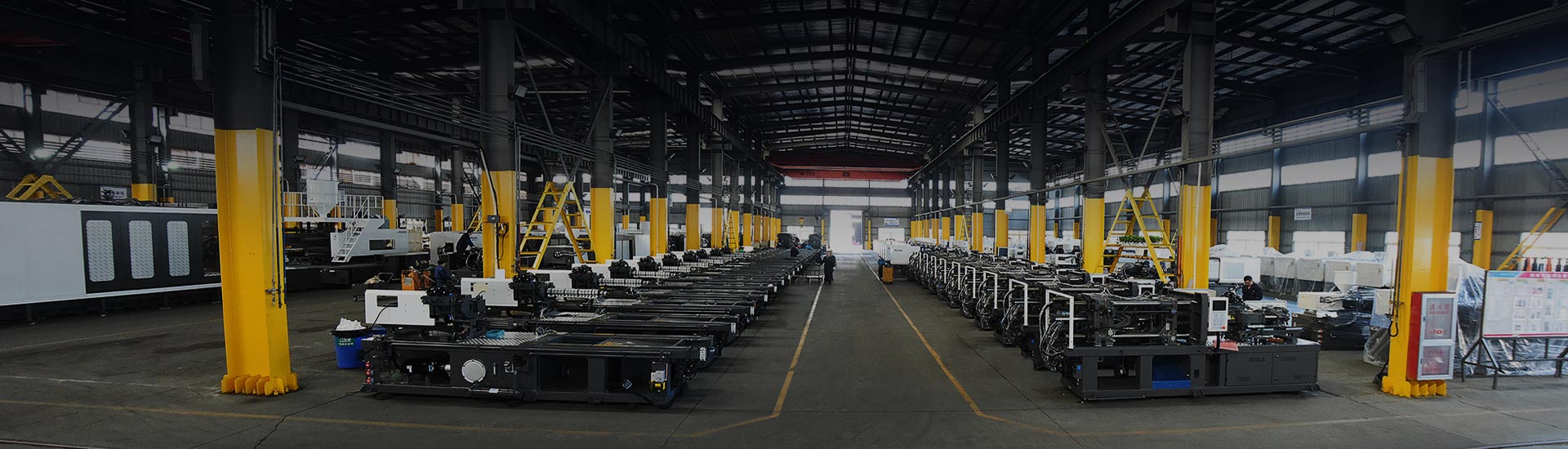
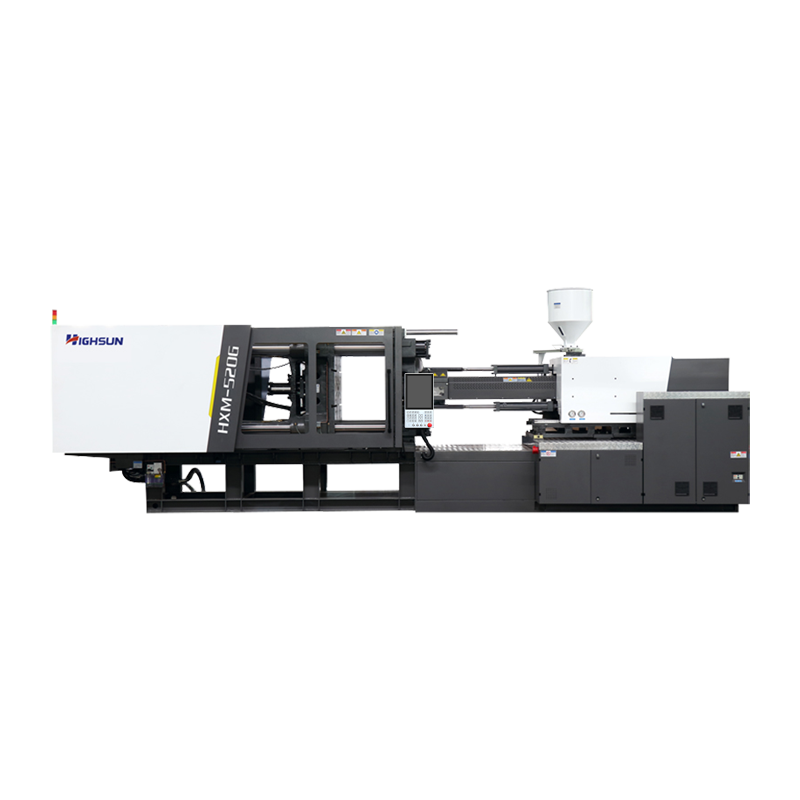
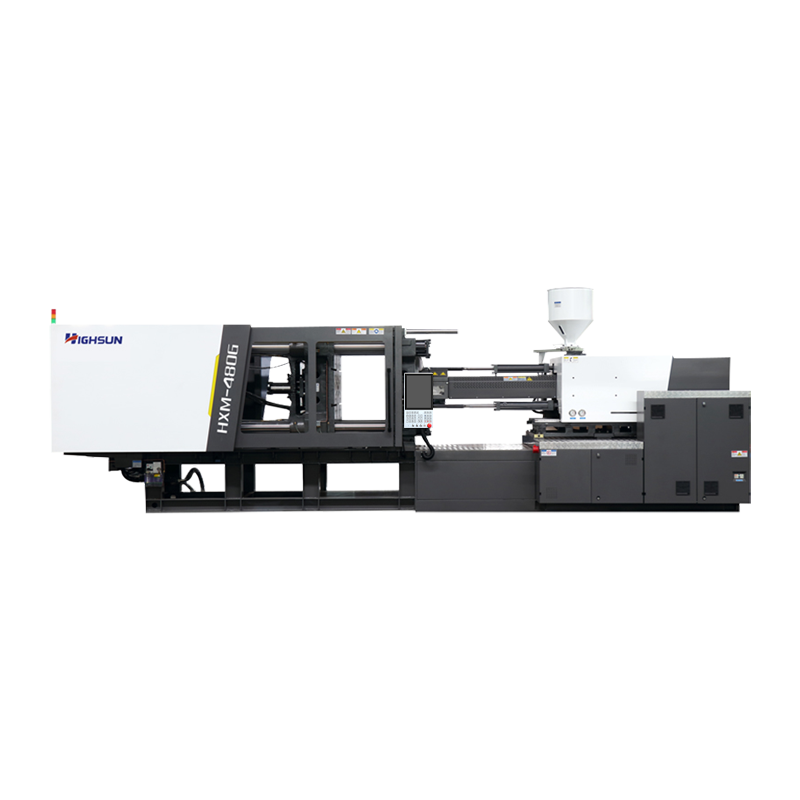
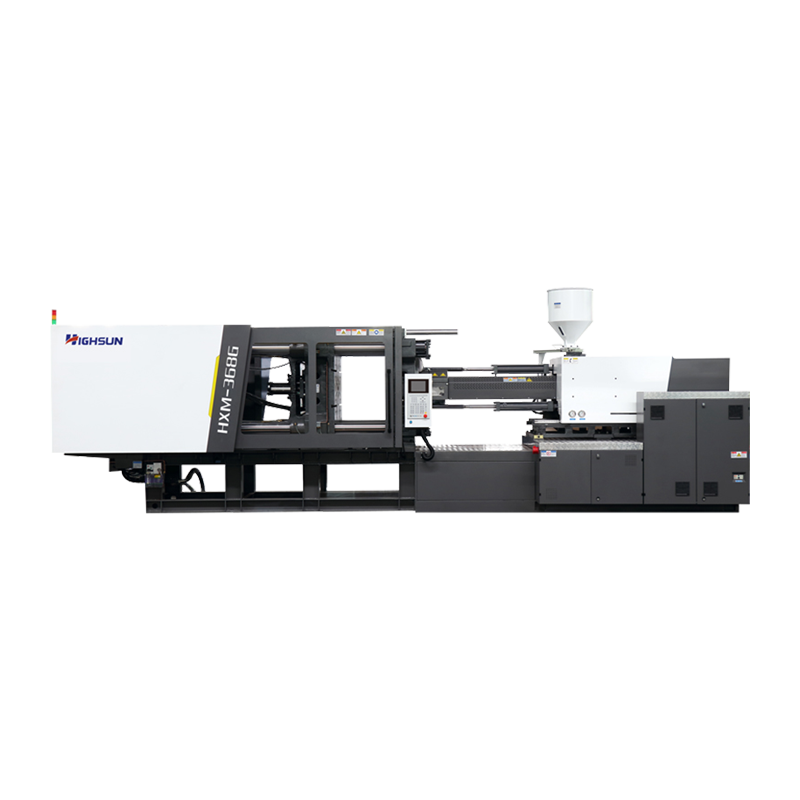
HIGHSUN MACHINERY is located in Beilun Science and Technology Park, Ningbo, Zhejiang province — recognized as "the capital city of plastic machines" in China. Operating under the HIGHSUN brand, the company specializes in producing and marketing high-grade precision plastic injection molding machines for global customers.
As a professional SP Smart Power High Performance Injection Molding Machine manufacturer and factory, HIGHSUN has long been dedicated to delicacy management and zero-defect production. The company has built a distinctive product series structured around three core pillars:
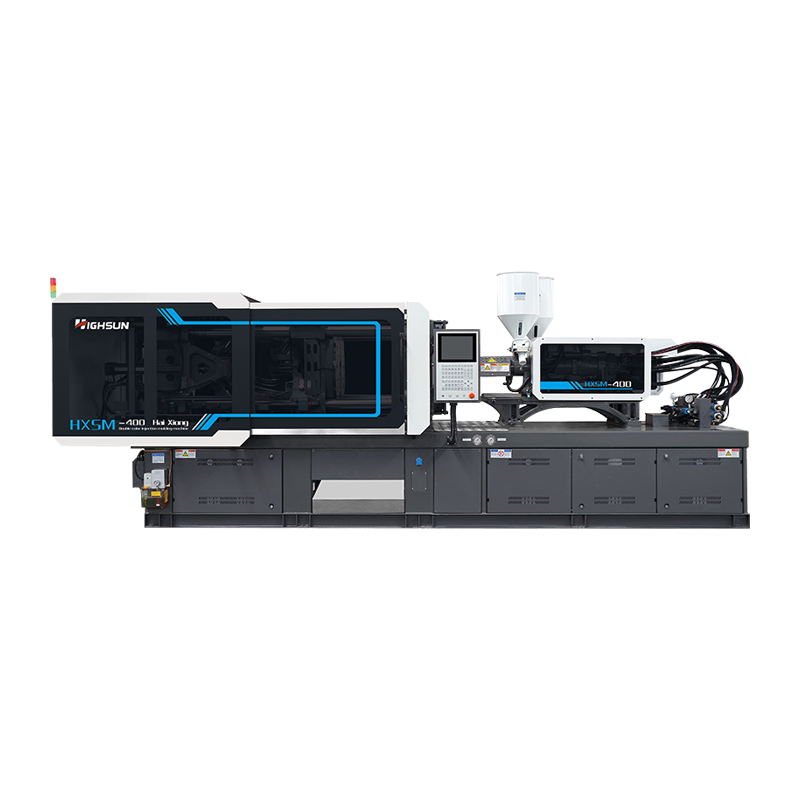
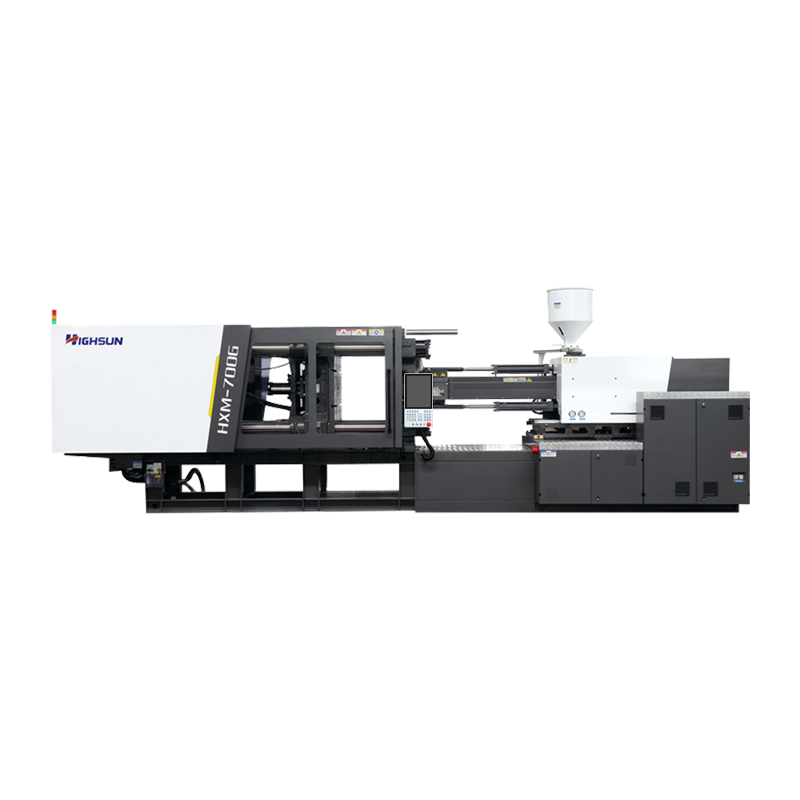
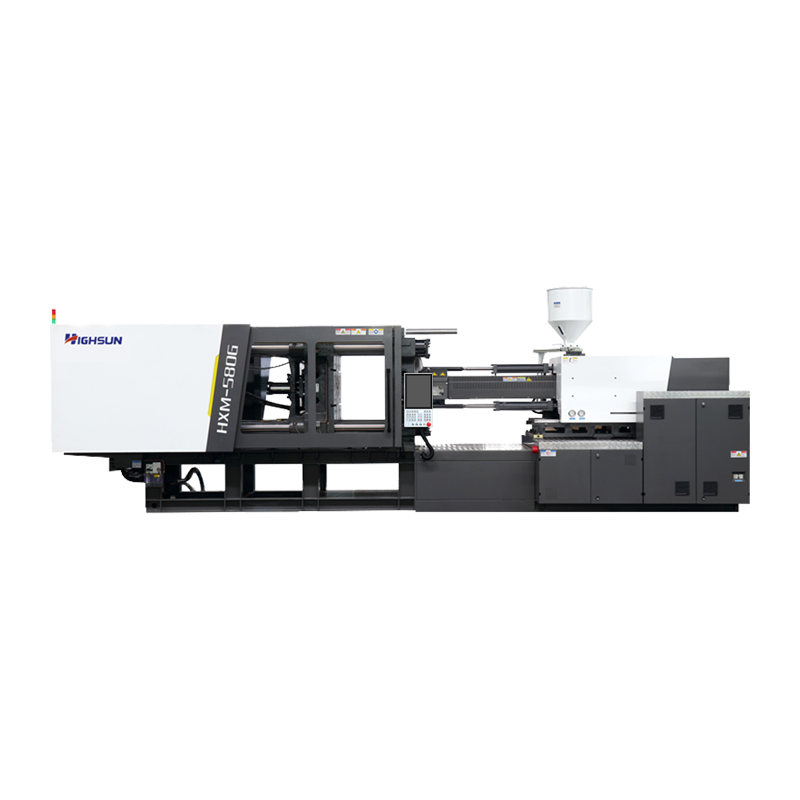
- Small tonnage hybrid machines — for high precision, energy-efficient micro and small part production
- Medium tonnage toggle machines — for versatile, high-speed mid-volume production
- Large tonnage two-platen machines — for large structural and industrial components requiring exceptional platen force uniformity
Every HIGHSUN machine is engineered to deliver measurable improvements in energy efficiency, process stability, and long-term reliability — making it a trusted choice for factories committed to sustainable, high-quality plastic production.
 +86-188 6861 6288
 haixiong@highsun-machinery.com
 No.36 Yongjiang South Road, Beilun District. Ningbo City, 315800, China