ENG
 English
 русский
 Español
 Português
 عربى


Highsun Injection Molding Machine
General injection molding equipment for plastic product manufacturers requiring machine configurations matched to their molds and production processes.
Explore Product Range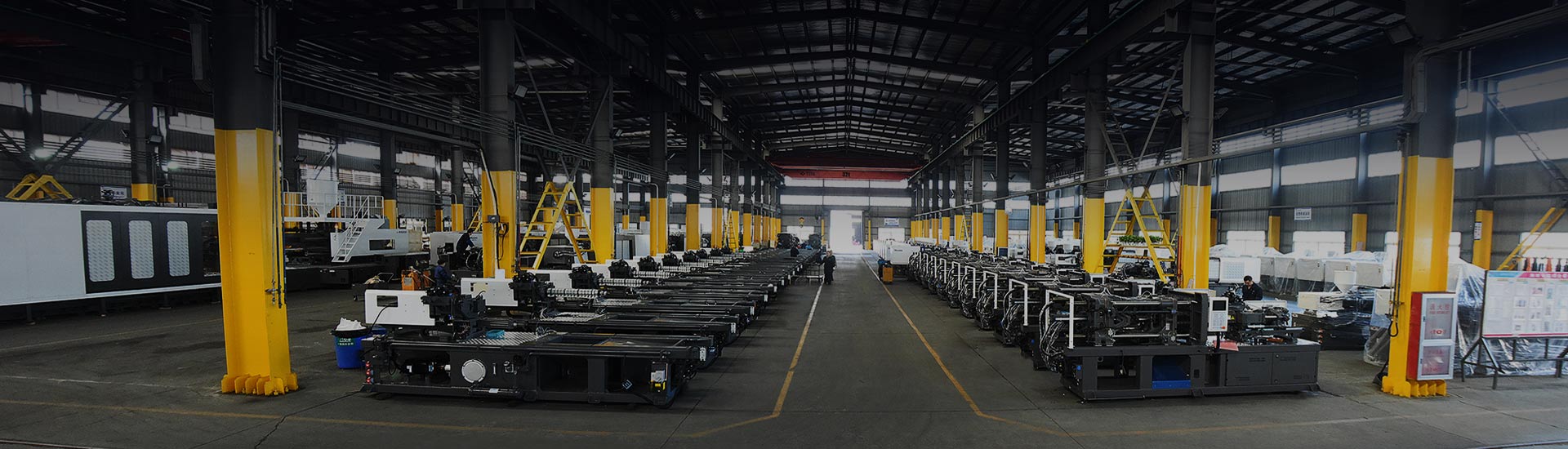
Choosing an injection molding machine manufacturer is an important decision for plastic product manufacturers, OEM buyers, and industrial production companies. The right manufacturing partner should offer more than a machine with suitable clamping force. Buyers need to evaluate machine configuration, injection performance, molding accuracy, production efficiency, application experience, customization capabilities, technical support, and long-term equipment reliability.
When comparing an injection molding machine factory, start by matching its machine range and technical capabilities with your actual production requirements. Check whether the manufacturer can provide suitable solutions for your plastic materials, mold structures, product dimensions, production cycles, and expected output. Factory manufacturing capabilities and after-sales support should also be part of the evaluation.
For buyers sourcing equipment internationally, working directly with an experienced injection molding machine manufacturer can make technical communication, machine customization, production planning, and equipment configuration easier to coordinate.
This guide explains the main factors to examine before selecting an injection molding machine manufacturer, including machine specifications, factory capabilities, application suitability, quality control, maintenance requirements, and practical questions to ask before placing an equipment order.
Key takeaway: Select a manufacturer based on the match between its machine technology and your production requirements, supported by verifiable factory capabilities, application experience, transparent technical documentation, and responsive service.
Content
A qualified manufacturing partner should be able to explain how its equipment handles your specific molding requirements. Rather than comparing machines using only one specification, evaluate the complete production system.
| Evaluation Factor | What to Check | Why It Matters |
|---|---|---|
| Manufacturing Experience | Production history, factory facilities, engineering team | Helps assess manufacturing experience and production capabilities |
| Machine Range | Clamping force, injection capacity, machine configurations | Determines whether the manufacturer can meet different production requirements |
| Technical Performance | Injection speed, pressure, repeatability, control system | Affects molding consistency and production efficiency |
| Application Experience | Material compatibility, product applications, mold requirements | Helps identify suitable equipment for specific products |
| Customization | Special configurations, auxiliary equipment, automation integration | Supports different production processes |
| Technical Support | Installation guidance, troubleshooting, spare parts, maintenance | Supports equipment operation throughout its service life |
These factors should be evaluated together. For example, a machine with sufficient clamping force may still be unsuitable if its injection unit does not provide the required shot capacity or if its control system cannot support the intended molding process.
The manufacturing facility provides useful insight into how an equipment supplier manages production, assembly, engineering, and machine delivery. When evaluating an injection molding machine factory in China, buyers should look beyond the company introduction and examine its actual manufacturing processes.
Factory facilities can indicate the manufacturer's production organization and ability to handle different equipment configurations. However, factory size alone does not establish machine performance. Buyers should also examine how the manufacturer organizes machining, component preparation, mechanical assembly, electrical installation, testing, and final inspection.
Useful information to request includes:
Understanding which processes are completed within the factory helps buyers evaluate production coordination. A manufacturer with organized engineering, assembly, and inspection departments can communicate technical changes more directly during equipment customization.
Ask the manufacturer to explain how a machine moves through its production stages. A typical manufacturing workflow includes mechanical component preparation, frame assembly, clamping unit installation, injection unit installation, hydraulic or electrical system integration, control system configuration, machine debugging, and final functional testing.
Different plastic products require different machine configurations. An experienced injection molding machine manufacturer should be able to discuss the relationship between product dimensions, material characteristics, mold design, injection capacity, and clamping requirements.
For example, a manufacturer producing equipment for PVC components, PET preforms, BMC products, and conventional plastic parts needs to understand the differences in material processing and production conditions. This application knowledge is important when recommending a suitable machine configuration.
Before selecting a supplier, ask whether it can provide customized injection units, special screw configurations, machine control options, multi-component molding solutions, and auxiliary equipment integration when required.
A broad machine portfolio gives buyers more flexibility when matching equipment to different molds, materials, and product applications. An injection molding machine manufacturer should clearly explain the available machine series and the technical differences between them.
For instance, Ningbo Highsun Plastic Machinery Co., Ltd. develops injection molding machines covering multiple production applications and machine configurations. Its product range includes electric and oil hybrid series, two-platen machines, high-speed machines, double-color machines, BMC machines, PET machines, and PVC machines.
Highsun machine configurations cover a clamping force range from 98T to 3000T. This range allows buyers to discuss equipment options for different mold dimensions, plastic products, and production requirements.
| Machine Type | Main Characteristics | Typical Applications |
|---|---|---|
| Electric and Oil Hybrid | Combines electric drive functions with hydraulic power | General plastic component production requiring balanced performance |
| Two-Platen | Two-platen clamping structure and compact machine layout | Large molds and larger plastic components |
| High-Speed | Designed for applications requiring shorter molding cycles | Thin-wall containers and high-volume small components |
| Double-Color | Supports two-material or two-color molding processes | Two-color handles, automotive components, and consumer products |
| BMC | Configured for bulk molding compound processing | Electrical components and industrial molded parts |
| PET | Designed around PET material processing requirements | Preforms and PET-related molded products |
| PVC | Configured for PVC material processing | PVC fittings, components, and plastic accessories |
Machine series should be compared according to their intended applications rather than their names alone. A high-speed machine, for example, should be evaluated according to its injection response, mold compatibility, cooling requirements, and achievable production cycle.
A two-platen machine should be examined in terms of mold installation dimensions, platen structure, tie-bar spacing, opening stroke, and available mold space. A double-color machine requires additional consideration of injection unit arrangement, mold rotation or transfer requirements, and synchronization between molding stages.
Buyers should request a detailed technical specification sheet for each proposed machine. This makes it easier to compare configurations and identify differences that may influence the production process.
Technical specifications are among the most important parts of Injection Molding Machine Selection. A machine should be matched to the mold and product rather than selected according to clamping force alone.
Clamping force refers to the force applied by the machine to keep the mold closed during injection. It helps resist the cavity pressure generated when molten plastic enters the mold.
If the clamping force is insufficient for the mold and processing conditions, the mold may separate during injection, potentially resulting in flash. However, choosing an unnecessarily large machine can also create problems involving equipment utilization, mold compatibility, and production planning.
When evaluating clamping force, consider projected product area, cavity number, material behavior, injection pressure, mold structure, and the expected processing conditions.
Injection capacity indicates the amount of material that the injection unit can deliver during a molding cycle. The required shot size depends on the product weight, runner system, number of cavities, material density, and processing requirements.
Buyers should not compare injection capacity without checking the material and measurement basis used in the specification sheet. The theoretical shot weight and actual usable processing capacity may differ depending on the material and machine configuration.
Injection pressure and speed influence how plastic melt fills the mold cavity. Thin-wall products, complex geometries, and multi-cavity molds may require specific injection characteristics.
When discussing these parameters with an injection molding machine manufacturer, provide the intended material, wall thickness, gate design, flow length, and product geometry. This information allows the technical team to evaluate whether the injection unit is appropriate.
The machine must accommodate the mold's external dimensions and opening requirements. Important parameters include tie-bar spacing, platen dimensions, minimum and maximum mold thickness, mold opening stroke, and ejector stroke.
For larger molds, buyers should also review mold installation access, lifting arrangements, and the available clearance around the machine.
Repeatability is important when manufacturing products with consistent dimensions and appearance. The machine should maintain stable process conditions across production cycles.
Evaluate injection position control, screw recovery, clamping movement, temperature control, pressure monitoring, and the ability to store and reproduce process settings. These functions help operators manage production changes and investigate quality variations.
| Parameter | Information to Request | Production Consideration |
|---|---|---|
| Clamping Force | Rated clamping force | Mold closing requirements |
| Injection Unit | Screw diameter and injection capacity | Shot size and material processing |
| Injection Pressure | Maximum injection pressure | Material filling requirements |
| Injection Speed | Injection speed and response | Cavity filling and cycle requirements |
| Mold Space | Tie-bar spacing and platen dimensions | Mold installation compatibility |
| Opening Stroke | Maximum mold opening stroke | Product release and mold movement |
| Ejector System | Ejector stroke and force | Part removal requirements |
| Drive System | Hydraulic, electric, or hybrid configuration | Energy use and production operation |
| Control System | Available control functions and monitoring | Process management and repeatability |
Not every evaluation factor has the same importance for every buyer. A company producing large industrial components may prioritize clamping force and mold dimensions, while a manufacturer producing thin-wall containers may focus more heavily on injection speed and cycle consistency.
The following chart is an illustrative buyer evaluation framework, not an industry survey or measured market statistic. Adjust the weighting according to your production requirements.
Use the chart as a starting point for internal discussions. For a production line with specialized molds, application suitability may receive the highest priority. For a factory operating multiple shifts, service responsiveness and maintenance accessibility may become more important.
Different plastic materials and product structures require different processing conditions. A manufacturer with experience across several molding applications can help buyers identify potential machine configuration requirements before equipment selection.
PET molding applications include preforms and other PET-related plastic products. When selecting a PET injection molding machine, consider screw configuration, plasticizing capacity, injection performance, mold compatibility, and the material processing requirements of the intended product.
Buyers should also clarify whether the proposed machine is intended for PET preform production or another PET molding application. These processes may require different equipment configurations.
PVC products are used in fittings, plastic components, accessories, and industrial applications. PVC processing requires attention to material temperature, residence time, screw design, and processing stability.
When discussing a PVC injection molding machine with the manufacturer, provide the PVC formulation, product dimensions, expected shot weight, mold details, and production requirements. The manufacturer can then assess the relevant injection unit and material-contact configuration.
Bulk Molding Compound is used in various industrial and electrical molding applications. Its material characteristics differ from conventional thermoplastic materials, so the injection system and processing configuration should be selected for the specific BMC application.
Ask whether the manufacturer has experience with the intended compound, mold design, feeding requirements, and molding process. Application-specific discussions are more useful than relying on general machine specifications.
Two-color molding combines different colors or materials within one molded product. These applications can require two injection units, specialized molds, coordinated injection sequences, and appropriate transfer or rotation mechanisms.
Before selecting a machine, confirm the product structure, material combination, mold layout, injection sequence, and required visual appearance. These details influence the configuration of the machine and mold.
High-speed injection molding is used in applications where fast filling and efficient production cycles are important. Thin-wall packaging, small plastic components, and certain high-volume products may require specific injection speed and response characteristics.
Buyers should evaluate the complete molding cycle, including injection, holding pressure, cooling, mold opening, and ejection. A high injection speed specification alone does not determine the achievable production cycle.
Ningbo Highsun Plastic Machinery Co., Ltd. specializes in the development and production of injection molding machines. Located in Beilun Science and Technology Park, Ningbo, China, the company operates a manufacturing facility covering more than 120,000 square meters.
With almost 20 years of development and more than 50 years of accumulated experience from its parent company, Highsun has developed a range of injection molding machine solutions for different materials, mold configurations, and industrial production requirements.
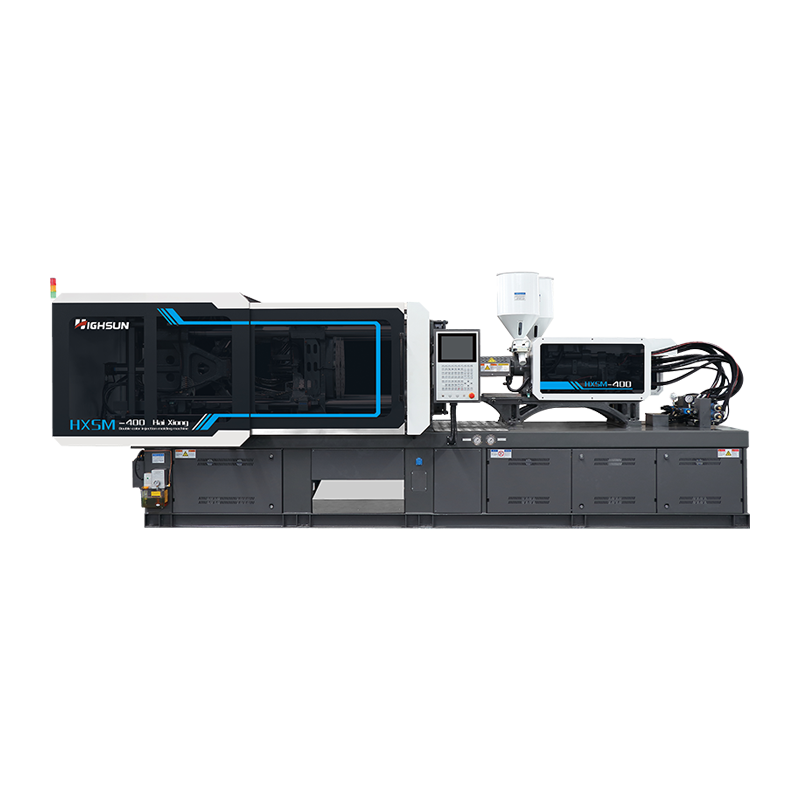
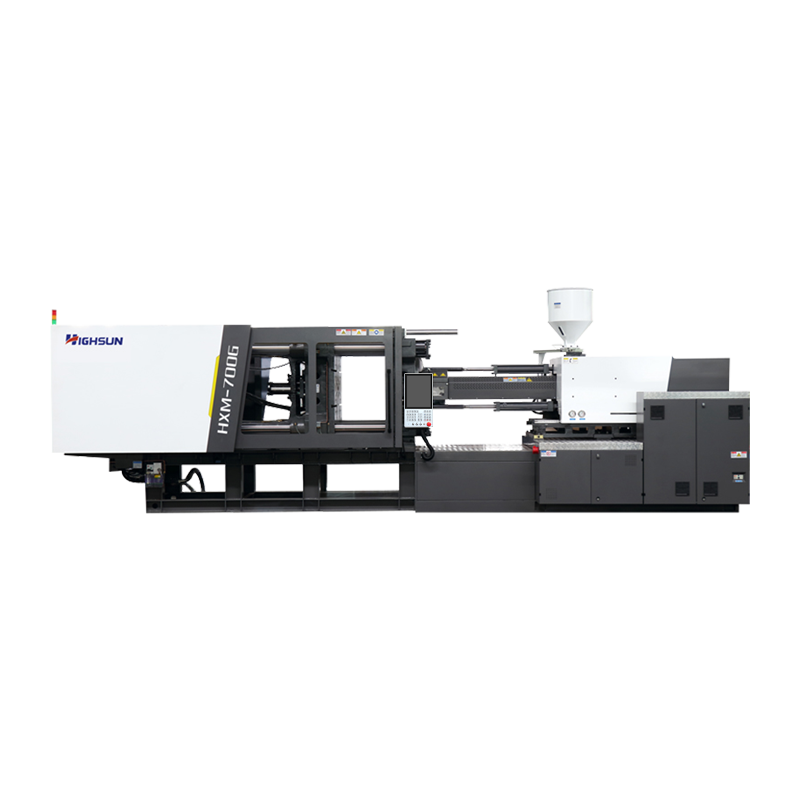
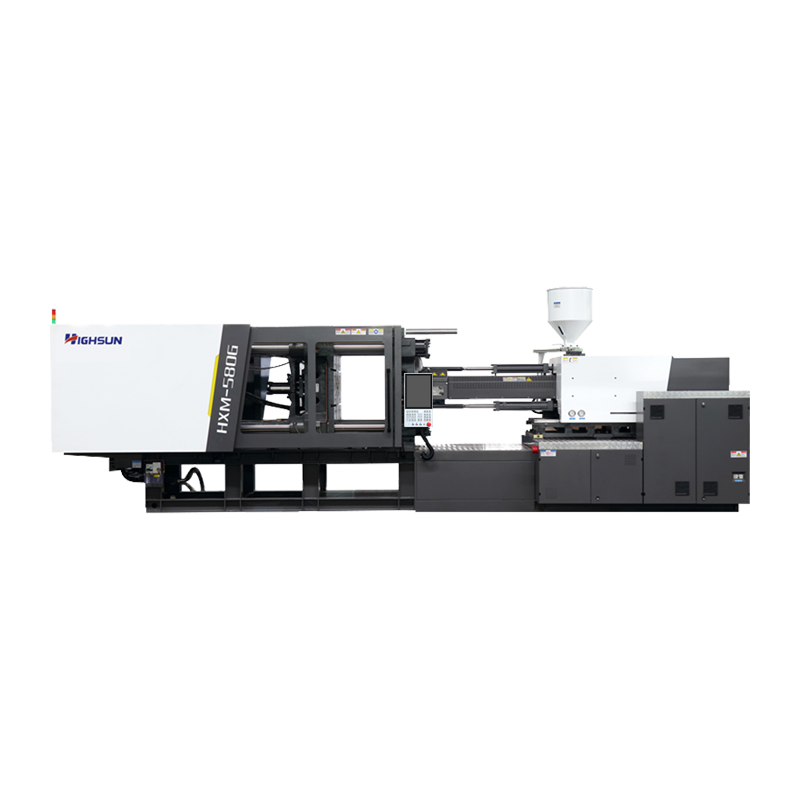
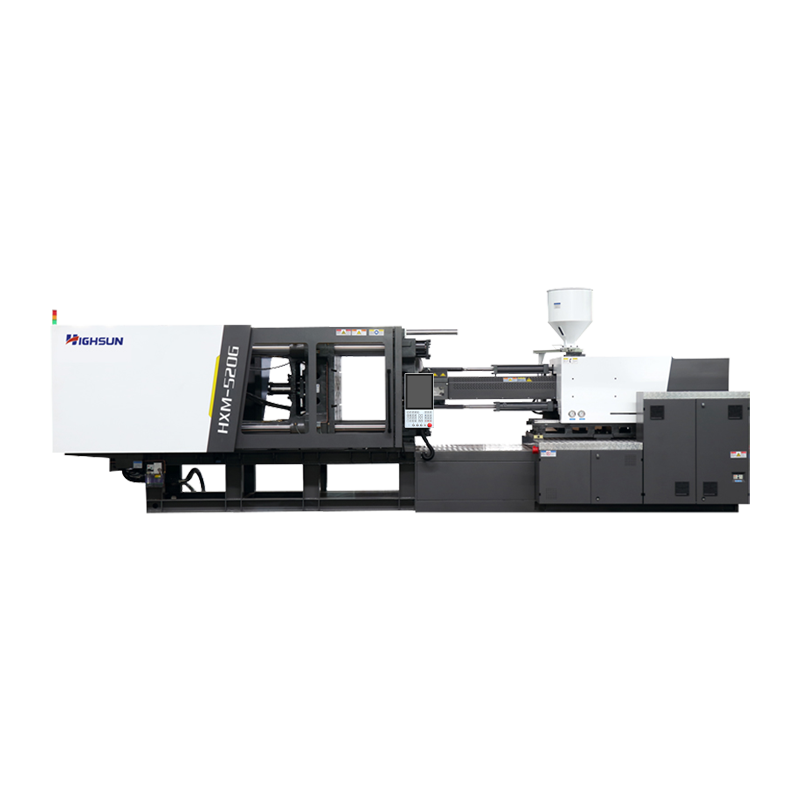
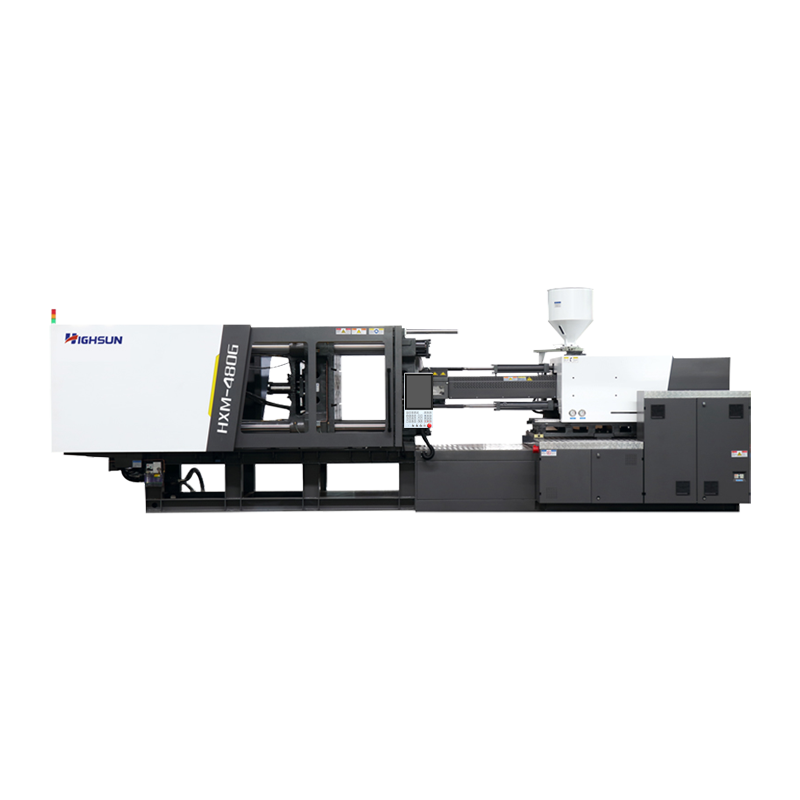
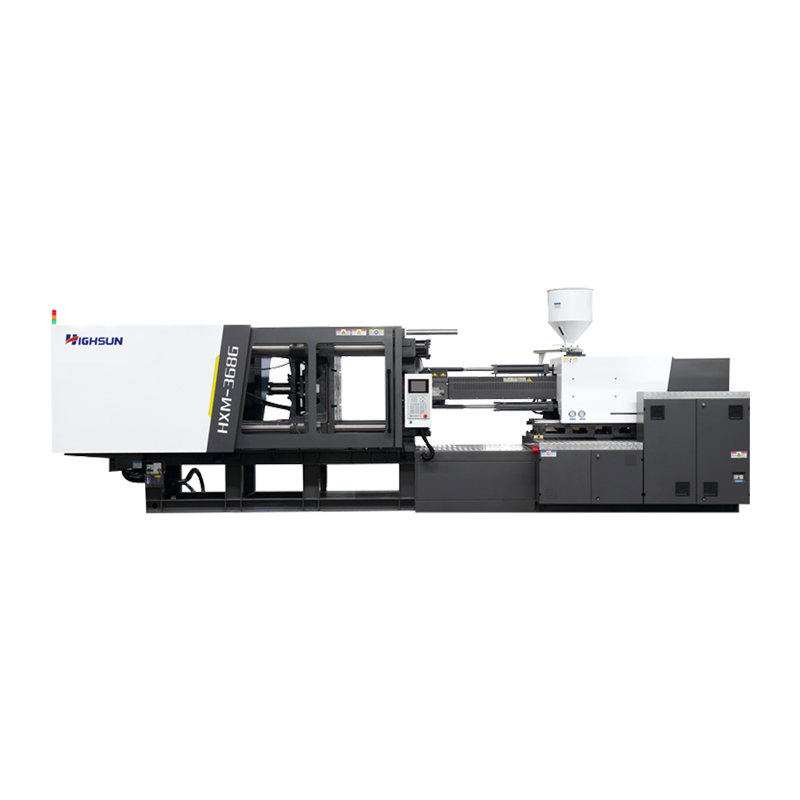
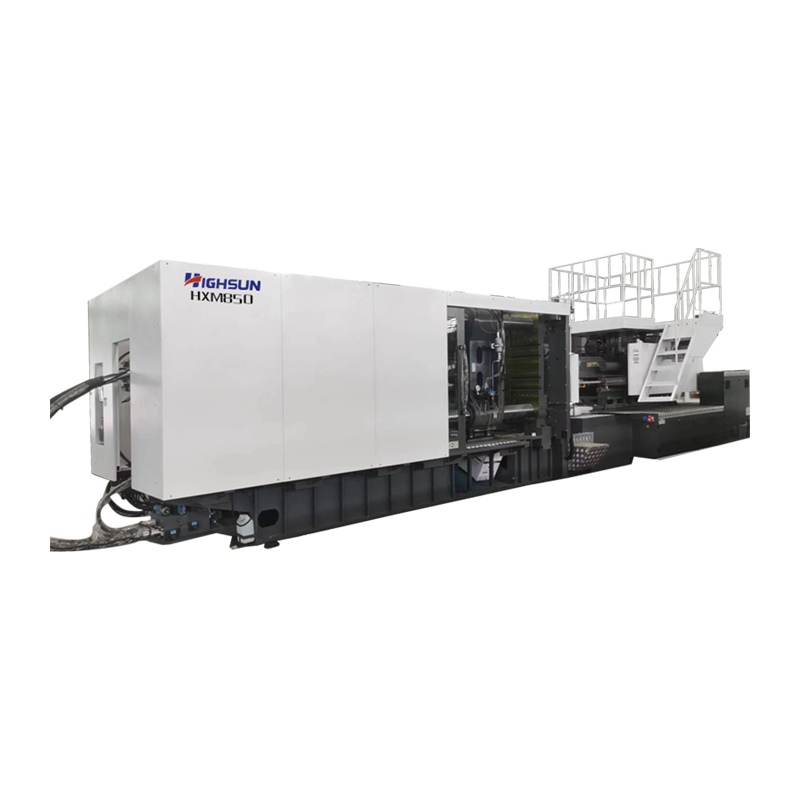
The following product images introduce selected Highsun machine series. Buyers can review the product range and contact the technical team for detailed machine configurations.
General injection molding equipment for plastic product manufacturers requiring machine configurations matched to their molds and production processes.
Explore Product Range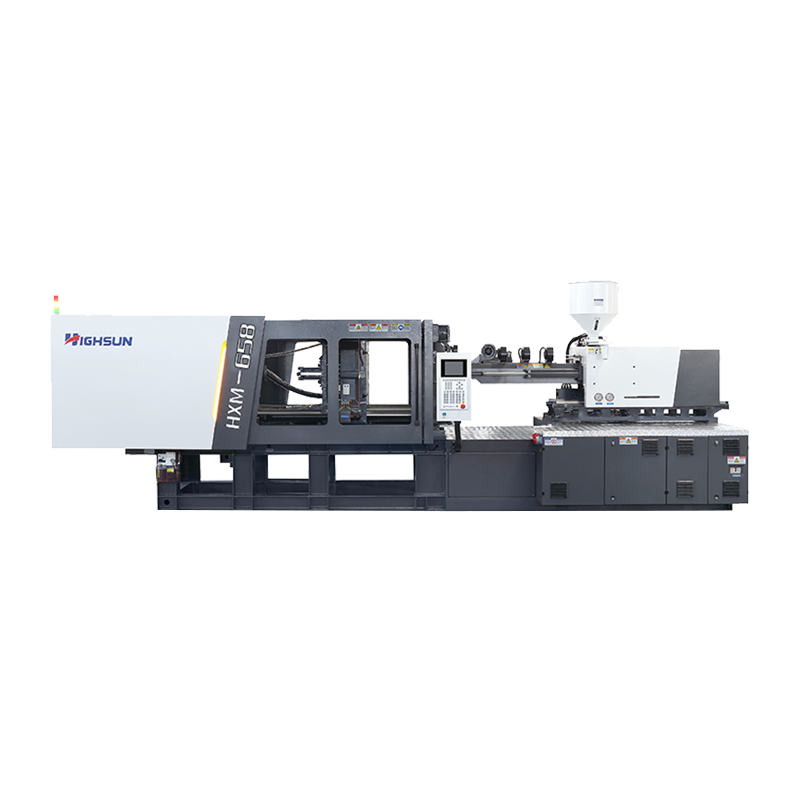
Machine solutions for different plastic molding requirements, with equipment selection based on clamping force, injection capacity, mold dimensions, and material characteristics.
View Machine Series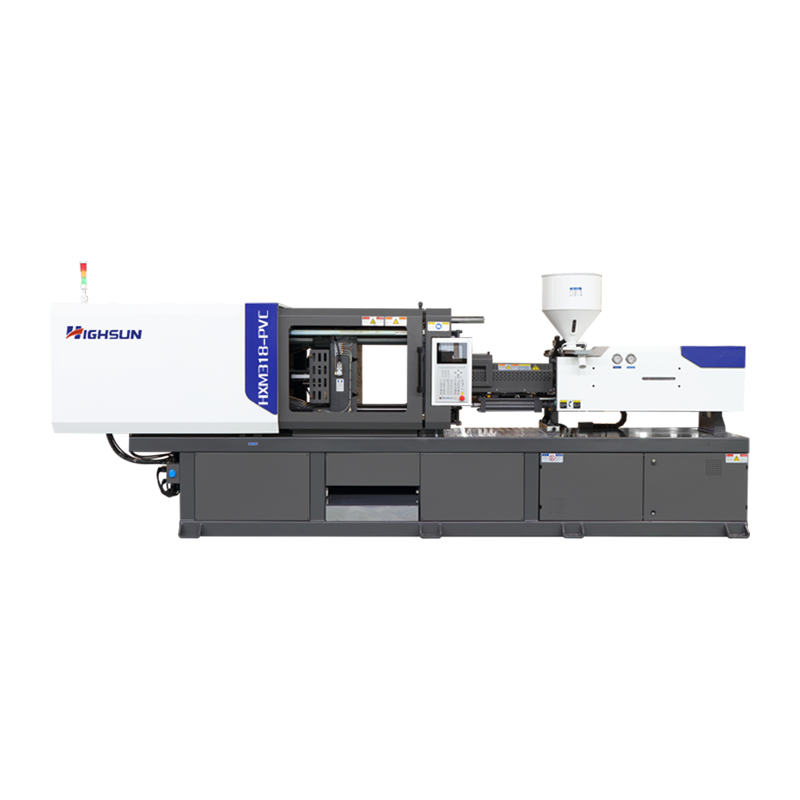
Equipment configured for PVC molding applications, with attention to material processing, screw configuration, temperature control, and production requirements.
Explore PVC Machines
Injection molding solutions for PVC components and related plastic products. The machine configuration can be discussed according to the intended material and mold requirements.
View PVC Machine Options
PET-related molding equipment for buyers evaluating material processing, injection capacity, screw specifications, and mold compatibility.
Explore PET Machines
Machine solutions for PET processing applications, with technical discussions covering product structure, material characteristics, and production requirements.
View PET Machine OptionsFor complete machine specifications and additional configurations, visit the Highsun injection molding machine product catalog.
Understanding the main components of an injection molding machine helps buyers communicate more effectively with manufacturers. Each major unit performs a different function during the molding process, and the interaction between these components influences production performance.
The injection unit contains the screw and barrel assembly, heating elements, hopper, injection drive, and related components. Its main function is to convey, melt, mix, and inject plastic material into the mold.
Important considerations include screw diameter, screw design, L/D ratio, injection pressure, plasticizing capacity, and material compatibility. These parameters should be selected according to the material and product requirements.
The clamping unit opens and closes the mold and maintains the required clamping force during injection. Its main components include the fixed platen, moving platen, clamping mechanism, and associated drive system.
Buyers should examine platen dimensions, tie-bar spacing, mold thickness range, opening stroke, and ejector configuration when checking mold compatibility.
The drive system provides the power needed for machine movements and processing operations. Hydraulic systems use fluid power to operate relevant machine functions, while electric drive systems use motors and control mechanisms for movement and positioning.
Hybrid configurations combine selected electric and hydraulic functions. The appropriate system depends on the application, required movement characteristics, machine configuration, and production expectations.
The control system coordinates machine movements and processing parameters. It allows operators to configure injection stages, holding pressure, temperature settings, screw recovery, clamping movements, and ejection sequences.
A practical control system should provide accessible parameter settings, process monitoring, alarm information, and production data that help operators identify changes during molding.
An injection molding machine manufacturer should understand how its equipment performs across the complete molding cycle. The machine does not operate through injection alone. Mold closing, material plasticizing, filling, holding, cooling, opening, and ejection all contribute to the finished product.
The clamping unit closes the mold and establishes the required clamping condition.
The injection unit delivers molten plastic into the mold cavity.
Additional material is supplied to compensate for shrinkage during the initial cooling stage.
The plastic solidifies inside the mold according to the material and mold conditions.
The clamping unit separates the mold halves after the required cooling stage.
The ejector system releases the molded product for removal.
When assessing equipment, ask the manufacturer how each stage is controlled and which machine parameters can be adjusted. This is particularly important when producing products with complex geometry, thin walls, multiple cavities, or demanding dimensional requirements.
Production efficiency should be evaluated through the complete molding cycle rather than a single machine specification. Cycle time depends on several factors, including material characteristics, product wall thickness, mold design, cooling channel arrangement, injection speed, and ejection requirements.
The following conceptual line chart demonstrates how production stages can be reviewed during a machine evaluation. It is an illustrative process profile rather than measured machine operating data.
For an actual production evaluation, record the time required for each stage during a representative molding trial. Compare the results under consistent material, mold, temperature, and product conditions. This provides more useful information than relying on a general cycle-time statement.
Energy consumption is an important operating consideration for manufacturers running injection molding machines for extended production periods. However, energy requirements vary with machine configuration, product design, material, operating conditions, and production schedule.
Hydraulic machines use hydraulic power for different machine movements. Electric machines use servo or other electric drive arrangements, depending on their configuration. Hybrid machines combine selected drive technologies.
When comparing these systems, examine the actual operating conditions rather than relying on general descriptions. Ask the manufacturer for energy consumption information under comparable molding conditions, including the material, mold, cycle time, and machine operating mode.
| Configuration | Evaluation Focus | Important Questions |
|---|---|---|
| Hydraulic | Hydraulic system operation and pressure control | How are pressure, flow, and operating temperature managed |
| Electric | Motor control and movement precision | Which machine movements use electric drive systems |
| Hybrid | Coordination between hydraulic and electric functions | Which functions are electric and which remain hydraulic |
Energy consumption per finished product can provide a more meaningful comparison than the machine's rated motor power alone. For a production trial, record electricity consumption over a defined period and compare it with the number of acceptable products produced during the same period.
Also consider idle periods, heating, cooling equipment, auxiliary motors, material drying, and automation systems. These factors contribute to the energy requirements of the overall production process.
A radar chart can help purchasing and engineering teams compare different machine configurations across several technical dimensions. The chart below is an illustrative comparison of three hypothetical machine profiles. It does not represent measured Highsun performance or any competing manufacturer's specifications.
The radar chart can be used as an internal purchasing tool. For example, an injection molding machine manufacturer may offer several machine series with different strengths. Buyers can use the same evaluation criteria to compare the proposed configurations without assuming that one machine type is suitable for every application.
Before accepting an injection molding machine, buyers should understand how the manufacturer checks equipment performance during assembly and commissioning. A documented inspection process helps establish what has been tested and which operating conditions were used.
Mechanical inspection may include checking machine assembly, platen movement, clamping mechanisms, alignment, lubrication points, and the installation of major components. These checks help identify assembly issues before the equipment enters production.
For machines with hydraulic systems, relevant inspection items include hydraulic connections, leakage checks, pressure behavior, operating temperature, and movement response. Electrical inspection may cover wiring connections, motor operation, sensor signals, control functions, and alarm responses.
Functional testing checks whether the machine can perform its main operations according to the confirmed configuration. Typical tests include mold opening and closing, injection movements, screw rotation, temperature control, ejection, and safety-related machine functions.
Where practical, a molding trial using the intended mold and material provides additional information about machine suitability. Buyers should define the test conditions and evaluate the resulting products against agreed dimensions and appearance requirements.
Useful test records include:
Technical support is an important part of choosing an injection molding machine manufacturer, particularly for overseas buyers. Equipment installation, operator training, troubleshooting, and maintenance may require communication between the manufacturer and the production team.
Confirm what installation information the manufacturer provides. This may include foundation requirements, electrical specifications, hydraulic connection information, cooling water requirements, machine positioning, and auxiliary equipment connections.
For international equipment projects, clarify which commissioning activities are performed by the manufacturer's technical team and which are handled by the buyer's local engineering staff.
Operators need to understand the control panel, machine startup, parameter settings, production procedures, alarm messages, and basic troubleshooting. Training should also cover material handling, mold installation, and routine inspection.
Discuss the availability of commonly used spare parts and maintenance components. Buyers should request a recommended spare parts list according to the machine model and intended production schedule.
It is useful to clarify part identification, ordering procedures, technical documentation, and the information required when reporting a component issue.
Remote support can help technical teams investigate machine alarms and operating issues. Ask whether the manufacturer can provide troubleshooting instructions, electrical diagrams, hydraulic diagrams, control system guidance, and online technical communication.
For overseas buyers, also confirm the available communication channels, service hours, response procedures, and the process for escalating more complicated technical problems.
Regular maintenance helps keep injection molding equipment in suitable operating condition and allows operators to identify developing issues. A maintenance plan should follow the manufacturer's operating manual and the actual working environment of the machine.
The following Injection Molding Machine Maintenance Checklist provides a practical starting point for production teams.
| Maintenance Area | Inspection Item | Suggested Approach |
|---|---|---|
| Injection Unit | Screw, barrel, hopper, and nozzle condition | Inspect wear, material residue, and abnormal operation |
| Clamping Unit | Platen movement and clamping mechanism | Check movement, lubrication, and unusual noise |
| Hydraulic System | Oil level, connections, filters, and hoses | Inspect according to the machine maintenance manual |
| Electrical System | Wiring, sensors, switches, and control panel | Check connections and operating signals |
| Cooling System | Cooling water channels and connections | Check flow, blockages, and leakage |
| Lubrication | Lubrication points and lubricant condition | Follow the manufacturer's lubrication schedule |
| Safety Functions | Guards, interlocks, and emergency controls | Check according to the equipment instructions |
| Machine Environment | Machine cleanliness and surrounding area | Keep the work area organized and accessible |
Important: Maintenance intervals should be determined by the machine manufacturer's instructions, operating hours, material characteristics, and working environment. Maintenance involving electrical, hydraulic, or moving machine components should be performed by appropriately trained personnel following the equipment procedures.
Injection molding quality problems can originate from the machine, mold, material, processing settings, or interactions between these factors. An experienced manufacturer should be able to help buyers investigate possible causes systematically.
| Common Problem | Possible Causes | Areas to Check |
|---|---|---|
| Flash | Insufficient clamping force, mold damage, excessive cavity pressure | Clamping conditions, mold surfaces, injection settings |
| Short Shots | Insufficient filling, restricted flow, inadequate material supply | Injection speed, pressure, material, mold flow paths |
| Sink Marks | Insufficient packing, uneven cooling, thick sections | Holding pressure, cooling conditions, product design |
| Burn Marks | Trapped air, excessive local heating, poor venting | Mold venting, filling speed, processing conditions |
| Warpage | Uneven shrinkage, cooling differences, residual stress | Mold temperature, cooling layout, holding conditions |
| Silver Streaks | Moisture, gas, material degradation, processing issues | Material drying, temperature, material handling |
Flash occurs when molten plastic escapes through the mold parting line or other gaps. Potential causes include insufficient clamping force, excessive injection or holding pressure, mold wear, contamination on the mold surface, and improper mold alignment.
Operators should check the mold condition and processing parameters before deciding whether the machine configuration needs adjustment.
Short shots occur when the mold cavity is not completely filled. Possible causes include insufficient injection volume, inadequate injection pressure, restricted flow paths, low melt temperature, or unsuitable material flow characteristics.
Check the injection unit, material supply, nozzle, gate, runner, and mold venting to identify the actual source of the problem.
Inconsistent molding quality can result from changes in material moisture, melt temperature, mold temperature, injection pressure, screw recovery, cooling conditions, or machine repeatability.
Recording machine parameters and inspecting the material and mold conditions can help narrow down the source. The manufacturer should be able to explain how the machine monitors relevant operating variables.
China is an important sourcing destination for plastic processing machinery. Buyers searching for an injection molding machine manufacturer in China should compare manufacturers according to their actual production capabilities, machine portfolio, application experience, engineering resources, and service arrangements.
When researching injection molding machine manufacturers, company websites and product catalogs provide an initial overview. However, purchasing decisions should also be supported by technical discussions and factory information.
Confirm the company's actual role in machine manufacturing. Ask whether it manages machine engineering, assembly, testing, and technical support directly or coordinates these activities through other organizations.
A direct injection molding machine supplier China should be able to explain its manufacturing processes and identify the departments responsible for technical communication and equipment commissioning.
Review whether the company offers the machine type required for your production application. Compare the available clamping force range, injection unit options, mold dimensions, drive configurations, and customization possibilities.
A detailed product catalog should make it possible to identify the differences between machine series and request the relevant technical information.
Ask the manufacturer about previous experience with similar plastic products and materials. Relevant application knowledge can help identify technical issues involving material processing, mold dimensions, injection requirements, and automation.
For international equipment purchases, confirm the arrangements for shipping preparation, machine documentation, installation guidance, technical training, and spare parts communication.
These discussions are particularly important for buyers operating production facilities far from the manufacturer's location.
Search terms such as plastic injection molding machine manufacturer China, injection molding machine factory China, and injection molding machine manufacturer and supplier can help buyers discover potential equipment sources.
However, search visibility does not establish manufacturing suitability. Use the manufacturer's technical documents, factory information, application discussions, and equipment testing records to make a more informed decision.
Before requesting a machine recommendation, prepare the following information. Providing accurate production details helps the manufacturer assess the required machine configuration.
Product drawings, dimensions, weight, wall thickness, and application.
Plastic resin type, material grade, processing characteristics, and color requirements.
Mold dimensions, cavity number, projected area, mold weight, and gate design.
Target output, expected cycle time, shift arrangements, and automation requirements.
Required clamping force, injection capacity, screw configuration, and drive system preferences.
Available floor space, power supply, cooling water, and auxiliary equipment.
Installation location, training needs, documentation, and spare parts planning.
It is also useful to provide photos or drawings of existing products and molds. These materials allow the technical team to understand the application more clearly and reduce uncertainty during machine selection.
Ningbo Highsun Plastic Machinery Co., Ltd. is located in Beilun Science and Technology Park, Ningbo, China, an area known for its plastic machinery industry. The company focuses on the development and production of HIGHSUN brand injection molding machines.
Highsun operates a manufacturing facility covering more than 120,000 square meters. With almost 20 years of development and more than 50 years of accumulated experience from its parent company, the company has established manufacturing capabilities across different injection molding machine categories.
According to the company's profile, Highsun has been recognized among the leading professional injection molding machine manufacturers in Ningbo and China.
Highsun develops several machine series for different molding applications, including:
Its machine portfolio covers a clamping force range from 98T to 3000T, providing different equipment options for plastic manufacturers with varying production requirements.
Different customers may require different machine configurations even when producing similar plastic products. Highsun accepts customized equipment requirements and can discuss machine selection according to product specifications, material characteristics, mold dimensions, and production conditions.
Technical discussions can cover machine series, injection unit configuration, clamping force, auxiliary equipment, and application-specific requirements.
Highsun follows a customer-centric approach and its operational philosophy of Pursuing Excellence, Molding Perfection. The company focuses on refined production process management, equipment development, and the continuous improvement of manufacturing operations.
For buyers seeking an injection molding machine factory in China, Highsun provides a range of machine configurations and technical solutions for different plastic processing applications.
To explore available machine models, visit Highsun Plastic Machinery Product Range or contact the company to discuss your production requirements.
Selecting an injection molding machine manufacturer requires a detailed understanding of your products, molds, materials, and production processes. The most suitable supplier is one whose manufacturing capabilities, machine configurations, application knowledge, and technical support match your actual requirements.
Before making a decision, review the factory's production capabilities, compare the technical specifications of different machine series, check the manufacturer's experience with your intended materials, and clarify the available testing and service arrangements.
For overseas buyers, direct communication with an experienced manufacturer can also make it easier to discuss customized configurations, technical documentation, installation requirements, and ongoing equipment support.
Ningbo Highsun Plastic Machinery Co., Ltd. provides injection molding machine solutions covering multiple machine types and a clamping force range from 98T to 3000T. Its product portfolio includes electric and oil hybrid, two-platen, high-speed, double-color, BMC, PET, and PVC injection molding machines.
By preparing detailed product and mold information before contacting the manufacturer, buyers can make machine selection more accurate and establish a clearer technical foundation for their plastic production projects.
Find answers to common questions about machine selection, manufacturing capabilities, operation, and maintenance.
Check the manufacturer's production facilities, machine range, technical specifications, application experience, customization capabilities, equipment testing procedures, and after-sales support. Make sure the proposed machine matches your material, mold dimensions, product requirements, and production conditions.
Consider the product's projected area, mold dimensions, cavity number, required shot size, material characteristics, and production requirements. Clamping force is important, but injection capacity, tie-bar spacing, platen dimensions, and mold opening stroke must also be checked.
Common types include hydraulic, electric, hybrid, two-platen, high-speed, double-color, BMC, PET, and PVC injection molding machines. Each type is designed for different machine structures, drive configurations, materials, or molding applications.
An injection molding machine factory is a manufacturing facility that produces plastic injection molding equipment. Its operations may include machine engineering, mechanical component preparation, assembly, electrical integration, commissioning, and equipment inspection.
Search for manufacturers with relevant machine series, clear factory information, technical documentation, and experience in your application. Review their product catalogs, communicate directly with their technical teams, and request detailed machine specifications before making a selection.
Hydraulic machines use hydraulic power to perform machine movements, while electric machines use electric drive systems. Hybrid machines combine selected hydraulic and electric functions. Their suitability depends on the required molding process, movement characteristics, operating conditions, and production expectations.
The machine feeds plastic material into a heated barrel, where a rotating screw conveys and melts it. The injection unit then pushes the molten material into a closed mold. After holding pressure and cooling, the mold opens and the ejector releases the finished product.
Plastic injection molding machines manufacture plastic components for automotive products, household appliances, electronics, packaging, industrial equipment, medical-related plastic components, and consumer products. The appropriate machine depends on the material, product geometry, mold design, and production requirements.
Service intervals depend on the machine model, operating hours, production conditions, and manufacturer's maintenance instructions. Operators should conduct routine inspections and follow the recommended schedule for hydraulic components, lubrication, electrical systems, cooling circuits, and mechanical parts.
Keep the machine clean, inspect for leakage and unusual noise, check lubrication and cooling systems, monitor machine alarms, and inspect the injection and clamping units. Follow the manufacturer's maintenance manual and record completed maintenance activities.
Flash may result from insufficient clamping force, excessive injection pressure, mold wear, contamination on the parting surface, or mold alignment problems. Check the mold condition, clamping settings, and processing parameters to identify the cause.
Short shots occur when molten plastic does not completely fill the mold cavity. Possible causes include insufficient injection volume, inadequate pressure, restricted gate or runner flow, unsuitable melt temperature, and material processing issues.
Inconsistent quality can be caused by variations in material moisture, melt temperature, mold temperature, injection pressure, screw recovery, cooling conditions, or machine repeatability. Inspect the material, mold, and machine parameters together when investigating quality variations.
Many manufacturers provide customized machine configurations according to product dimensions, material requirements, mold specifications, and production processes. Buyers should provide detailed technical information so the manufacturer can evaluate the required injection unit, clamping system, control functions, and auxiliary equipment.
Provide product drawings, material type, product weight, mold dimensions, cavity number, projected area, expected output, and factory operating conditions. This information helps the manufacturer recommend an appropriate machine model and technical configuration.
Ningbo Highsun Plastic Machinery Co., Ltd. offers injection molding machine configurations covering a clamping force range from 98T to 3000T. The suitable model depends on the product, material, mold dimensions, and production requirements.
Highsun's product portfolio includes electric and oil hybrid machines, two-platen machines, high-speed machines, unmixed double-color machines, mixed double-color machines, BMC machines, PET machines, and PVC machines.
Visit the Highsun Plastic Machinery product catalog to explore its injection molding machine range and review the available equipment solutions.

 +86-188 6861 6288
+86-136 8570 6288
 haixiong@highsun-machinery.com
 No.36 Yongjiang South Road, Beilun District. Ningbo City, 315800, China
Copyright © 2025 Ningbo Beilun Highsun Machinery Co., Ltd. All Rights Reserved. Plastic Injection Molding Machine Manufacturers
 PRIVACY POLICY