 ENG
ENG  English
 русский
 Español
 Português
 عربى
عربى


Content
- 1 What Is an Injection Molding Machine
- 2 Injection Molding Stages: Filling, Packing, Holding, and Cooling
- 3 Injection Molding Machine Components Explained
- 4 Types of Injection Molding Machines and How to Tell Them Apart
- 5 Clamping Force and Tonnage: Sizing a Machine to the Part
- 6 Selecting the Right Injection Unit
- 7 Auxiliary Machinery and Support Equipment
- 8 Material Considerations: Resin, Polyethylene, and Engineering Plastics
- 9 Key Applications for Injection Molded Parts
- 10 Injection Molding Machine Buying Guide and Supplier Checklist
- 11 About Highsun
- 12 Frequently Asked Questions
What Is an Injection Molding Machine
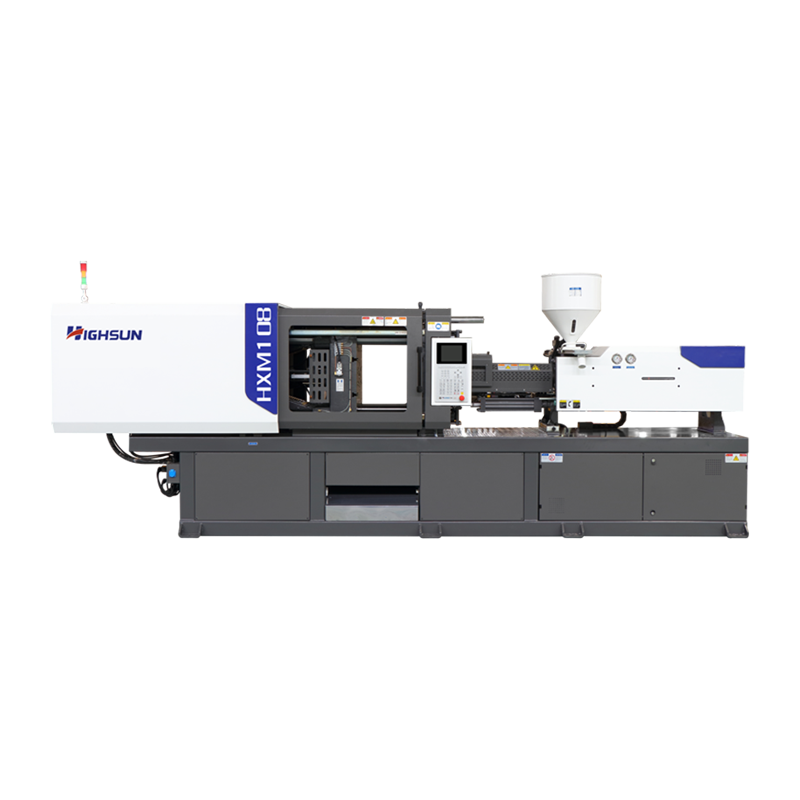
An injection molding machine is manufacturing equipment that heats and melts plastic resin, then injects it under controlled pressure into a closed steel mold to form a solid part. Once the part cools inside the mold, the mold opens, the part is ejected, and the machine repeats the cycle, often thousands of times per shift. This repeatable process is why the injection molding machine remains one of the most widely used categories of plastic processing equipment for high-volume manufacturing.
Every injection molding machine is built around two functional systems that work together: an injection unit that plasticizes and delivers molten resin, and a clamping unit that holds the mold closed against injection pressure and opens it for part ejection. Whether these systems are powered hydraulically, electrically, or through a servo-hydraulic hybrid arrangement defines the different machine types covered later in this guide.
Injection molding equipment spans a wide size range. Small precision machines run well under 100 tons of clamping force, while large structural applications call for machines rated at several thousand tons. As one reference point, HIGHSUN's own product lineup, including the HXM, HXH, HXZ, and HYD series, covers a clamping force range from 98 tons to 3,000 tons, which illustrates just how broad this equipment category is.
2 Core Systems Injection unit and clamping unit
4 Key Stages Filling, packing, holding, cooling
98T to 3,000T Typical clamping force range
Injection Molding Stages: Filling, Packing, Holding, and Cooling
The injection moulding procedure is best understood as a short, repeating cycle rather than a single action. Each injection molding operation moves through mold closing and clamping, filling, packing and holding, cooling, and finally mold opening and ejection. Getting each stage right, not just the injection molding machine's tonnage, is what determines whether a part comes out dimensionally correct and free of visible defects.
1 Clamping The clamping unit closes the mold and holds the two halves together with enough force to resist the pressure of the incoming melt.
2 Filling The screw moves forward and pushes molten resin through the nozzle and runner system to fill the mold cavity at a controlled speed.
3 Packing and Holding Additional pressure is applied to pack extra material into the cavity, compensating for shrinkage as the part begins to cool.
4 Cooling The part continues to cool inside the closed mold until it is rigid enough to hold its shape once ejected.
5 Ejection The mold opens, ejector pins push the finished part free, and the clamping unit closes again to begin the next cycle.
Cycle Pressure Profile
Illustrative relative cavity pressure across one molding cycle. Actual pressure curves vary by part geometry, wall thickness, and material.
General pattern commonly observed in production, where cooling typically accounts for the largest share of total cycle time. Actual proportions vary with wall thickness and material.
Injection Molding Machine Components Explained
This section breaks down the essential injection mold equipment inside every machine, from resin intake to the finished part. Understanding these components makes it easier to follow the day-to-day work of plastic injection molding, from initial setup to routine operation and troubleshooting.
Hopper Holds raw resin pellets and feeds them by gravity into the barrel. On many production lines the hopper connects to a dryer or vacuum loader as part of the surrounding auxiliary machinery.
Barrel and Screw (Plasticizing Unit) The rotating screw inside the heated barrel conveys, compresses, and melts the resin before it is injected. Screw geometry, compression ratio, and length-to-diameter ratio are matched to the resin family being processed.
Nozzle Directs molten resin from the barrel into the mold's sprue. Nozzle tip design affects drooling, pressure loss, and how cleanly the shot separates from the mold at the start of the next cycle.
Clamping Unit Holds the two mold halves closed against injection pressure and opens the mold for part ejection, using a mechanical toggle, direct hydraulic cylinders, or a two-platen tie bar cylinder arrangement.
Mold A precision steel tool, usually supplied by a separate moldmaker, that forms the cavity and core geometry of the finished part and defines cooling channel layout.
Tie Bars Steel bars that guide platen movement and carry the reaction force generated during clamping, keeping the mold aligned while the machine is under pressure.
Drive System Supplies the power behind screw rotation, injection, and clamping motion, through a hydraulic pump, a servo-hydraulic hybrid system, or fully electric servo motors, depending on the machine type.
Control System (HMI) The touchscreen interface and programmable controller that let an operator set, store, and monitor process parameters such as injection speed, pressure, and temperature across every cycle.
Machine Structure Overview
Simplified structural overview of a typical injection molding machine layout. Actual component placement varies by machine type and manufacturer.
Types of Injection Molding Machines and How to Tell Them Apart
Injection molding machines are generally grouped by drive type and by clamping structure. Drive type covers hydraulic, electric-hydraulic hybrid, and all-electric machines, while clamping structure covers the traditional toggle design and the two-platen design. Layered on top of these categories are specialty configurations built for a particular process, such as double-color machines and dedicated PET or PVC series.
Qualitative Comparison of Common Machine Types
Qualitative, illustrative comparison intended to show relative tendencies, not measured performance values for any specific model.
Electric-Hydraulic Hybrid (Servo) Machines Combine a servo-driven hydraulic pump with conventional hydraulic actuation. This configuration covers a wide tonnage range and balances precision, energy efficiency, and operational flexibility, making it one of the most widely specified injection molding machine categories for general manufacturing.
All-Electric Machines Use servo motors for clamping, injection, and ejection instead of hydraulic oil. They typically offer fast dynamic response, a cleaner operating environment, and strong repeatability, which suits precision electronics, medical, and optical parts.
Two-Platen Machines Replace the traditional three-platen toggle design with two large platens connected directly by tie bar cylinders. This layout distributes clamping force evenly across large molds and is common for large-tonnage applications.
High-Speed Machines Feature a high-rigidity frame and rapid injection response for thin-wall, high-cavitation molds. They are frequently used for packaging, thin-wall containers, and other fast-cycle, high-volume parts.
Double-Color and Multi-Material Machines Are equipped with two or more independent injection units and a rotating or sliding mold table, allowing two resins or two colors to be molded onto a single part in one cycle.
Dedicated PET and PVC Machines Use specialized screws, barrels, and temperature control systems tailored to a single resin family. PET preform machines are optimized for fast cooling and clarity, while PVC and pipe-fitting machines use corrosion-resistant components suited to PVC's heat sensitivity.
Clamping Force and Tonnage: Sizing a Machine to the Part
Clamping force, commonly expressed in tons, describes how much force the clamping unit can apply to keep the mold closed while molten resin fills the cavity under pressure. Tonnage is generally estimated from the projected area of the part, an appropriate cavity pressure factor for the resin being used, and a reasonable safety margin, then confirmed with the moldmaker or machine supplier before final sizing.
Clamping Force by Machine Series
Approximate reference ranges for commonly available clamping force by machine series. Exact offerings vary by manufacturer and model.
Tonnage Reference by Part Category
The table below gives a general starting point for how tonnage tends to line up with part category. It is a reference for early planning, not a substitute for a proper tonnage calculation on a specific part and mold.
| Tonnage Range | Typical Part Examples | Common Machine Type |
|---|---|---|
| Under 200 tons | Small precision components, connectors, caps and closures | All-electric or small hybrid servo machines |
| 200 to 600 tons | Household products, PET preforms, mid-size appliance parts | Hybrid servo or dedicated PET machines |
| 600 to 1,200 tons | Automotive interior panels, large crates, pipe fittings | Hybrid servo or two-platen machines |
| 1,200 tons and above | Large automotive body panels, pallets, big appliance housings | Two-platen machines |
Selecting the Right Injection Unit
The injection unit does the work of melting and delivering resin, so it needs to be sized and configured for the part and material rather than chosen by tonnage alone. Two machines with identical clamping force can still be a poor fit for the same job if their injection units are not matched to shot size and resin behavior.
Confirm shot size and plasticizing capacity cover the heaviest part plus runners, with some spare capacity for future molds.
Match screw length-to-diameter ratio and compression ratio to the resin family, since fillers and additives change shear and heat needs.
Check maximum injection pressure and speed against thin-wall or long-flow-path parts that need fast fill times.
Consider corrosion-resistant or wear-resistant screw and barrel treatments for PVC, glass-filled, or other demanding resins.
Review back pressure and plasticizing rate if cycle time is limited by how quickly the barrel can prepare the next shot.
Confirm nozzle type and temperature control zones suit materials sensitive to moisture or thermal degradation, such as PET.
Auxiliary Machinery and Support Equipment
Choosing the injection molding machine and support machinery together, rather than sequentially, tends to produce a better-balanced production cell. Auxiliary machinery is frequently the limiting factor in an injection molding cell, even when the injection molding machine itself has spare cycle capacity. A dryer that cannot keep up with throughput, a chiller sized for a smaller mold, or a take-out robot with a slow reach cycle can each become the auxiliary machinery bottleneck that caps overall output, which is why auxiliary equipment sizing deserves the same attention as tonnage and injection unit selection. This matters even more for auxiliary machinery for complex injection mold designs, such as multi-cavity family molds and hot runner tooling, where several support systems have to stay coordinated at once.
Material Dryers and Loaders Remove moisture from hygroscopic resins such as PET and feed pre-dried material automatically, reducing manual handling around the hopper.
Mold Temperature Controllers Circulate water or oil through the mold to hold a steady cavity surface temperature, which affects cycle time, surface finish, and dimensional stability.
Water Chillers Supply cooled water to the mold and, in some setups, to the barrel, supporting the cooling stage that typically makes up the largest share of cycle time.
Robotic Take-Out Systems Remove finished parts and runners from the mold area automatically, shortening the ejection stage and supporting unattended production.
Granulators and Regrind Systems Reprocess sprues, runners, and rejected parts into usable regrind, an important step for family molds that generate significant scrap volume.
Hot Runner Controllers Manage zone-by-zone temperature on hot runner molds, which is especially important for complex, multi-cavity mold designs.
Material Considerations: Resin, Polyethylene, and Engineering Plastics
Differences in injection mold processing between resin families explain why no single machine setup works for every job. The resin injection molding process depends heavily on how the material behaves once melted, including flow length, shrinkage rate, and sensitivity to shear and heat.
Resin Injection Molding Process Basics
Every resin injection molding process starts with melt behavior. Engineering resins with glass fiber reinforcement typically need higher barrel temperatures, higher injection pressure, and wear-resistant screws, while unfilled commodity resins generally process at lower temperatures with a wider processing window.
A Short Polyethylene Injection Molding Processing Guide
Polyethylene is a semi-crystalline resin used widely in caps, closures, thin-wall packaging, and household products. It generally processes with low moisture sensitivity and a broad melt temperature window, though shrinkage should be accounted for in mold design, and high-density and low-density grades are usually tuned separately rather than treated as one recipe.
Thermoset materials such as BMC, or bulk molding compound, are processed differently from thermoplastics. The barrel is kept relatively cool to prevent premature curing, while the mold itself is heated so the part cures once it fills the cavity, which is why BMC-capable machines use a different barrel and control configuration than a standard thermoplastic press. PVC follows its own path as well, since its heat sensitivity calls for corrosion-resistant screws and tightly controlled barrel temperatures, while PET requires thorough pre-drying and fast, uniform cooling to preserve clarity.
Key Applications for Injection Molded Parts
Injection molded parts and injection moulding items reach nearly every category of manufactured goods, from single-use packaging to structural components rated for years of continuous service. Appliance injection molding alone covers everything from washing machine drums to refrigerator door liners, while the same core process, with a different mold, screw, and cycle setup, also produces automotive interior trim, medical device housings, and electrical enclosures.
Automotive Parts Consumer Electronics Packaging and Beverage Bottling Industrial Components Consumer Products Medical Devices Construction and Building
About Highsun
Ningbo Highsun Plastic Machinery Co., Ltd. is based in Beilun Science and Technology Park in Ningbo, China, an area widely known within the industry as a center for plastics machinery manufacturing. The factory covers more than 120,000 square meters and is dedicated to producing HIGHSUN brand injection molding machines.
Built on nearly two decades of focused development and more than fifty years of experience within its parent company, HIGHSUN Machinery has been recognized among the top three injection molding machine manufacturers in Ningbo and among the top ten plastic molding machine manufacturers in China. The company describes its approach as refined production process management paired with a target-driven standard of manufacturing quality.
HIGHSUN's product range spans electric-hydraulic hybrid machines, two-platen machines, high-speed machines, single and double-color machines, BMC machines, and dedicated PET and PVC series, with clamping force from 98 tons to 3,000 tons. Customized configurations are available for projects that fall outside a standard catalog specification. As an injection molding machine supplier, HIGHSUN describes its operating philosophy as pursuing excellence and molding perfection, with a customer-centric approach guiding day-to-day operations.
120,000+ sqm Factory footprint
98T to 3,000T Clamping force range
Top 3 / Top 10 Ranking in Ningbo / China
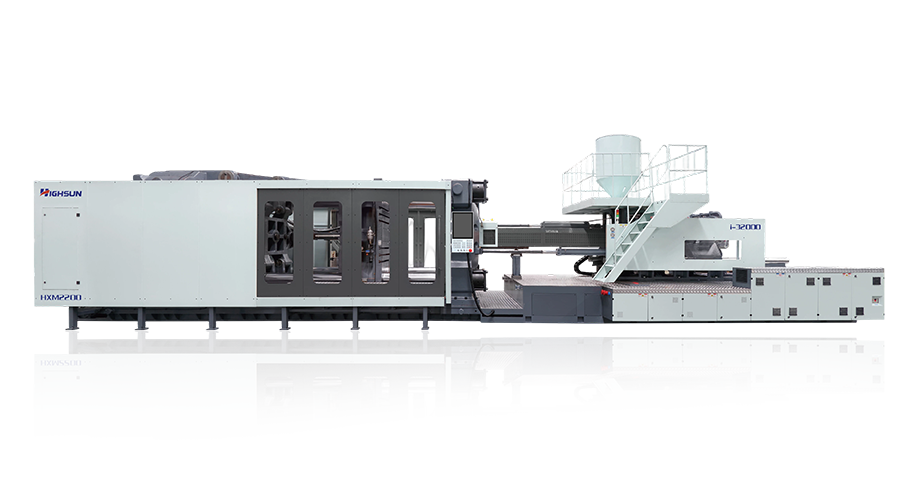
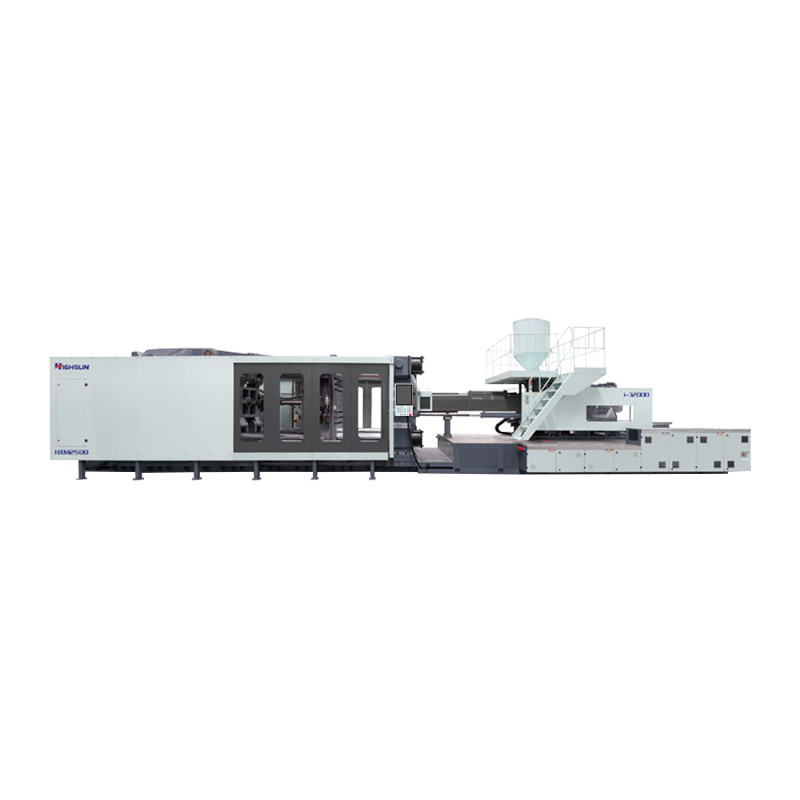
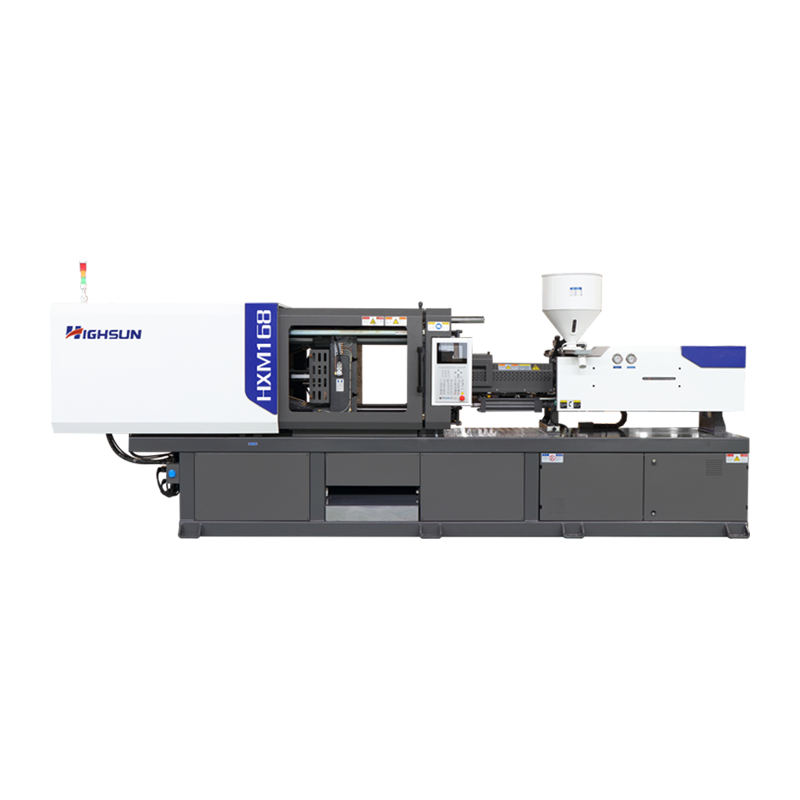
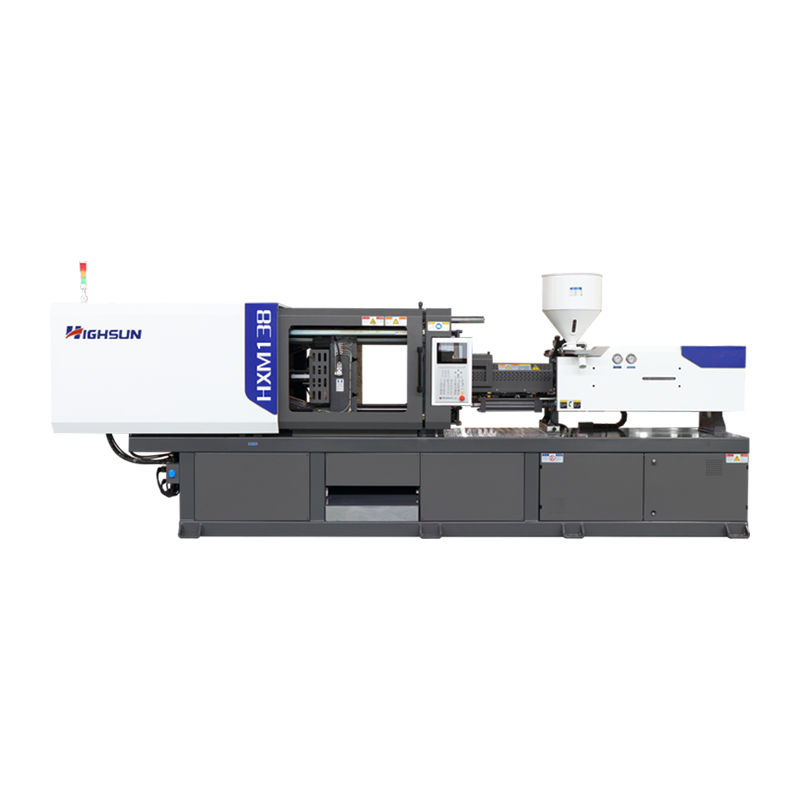
HXM Servo Machine Electric-hydraulic hybrid servo series covering a broad tonnage range, built around an intelligent servo drive system. View Series
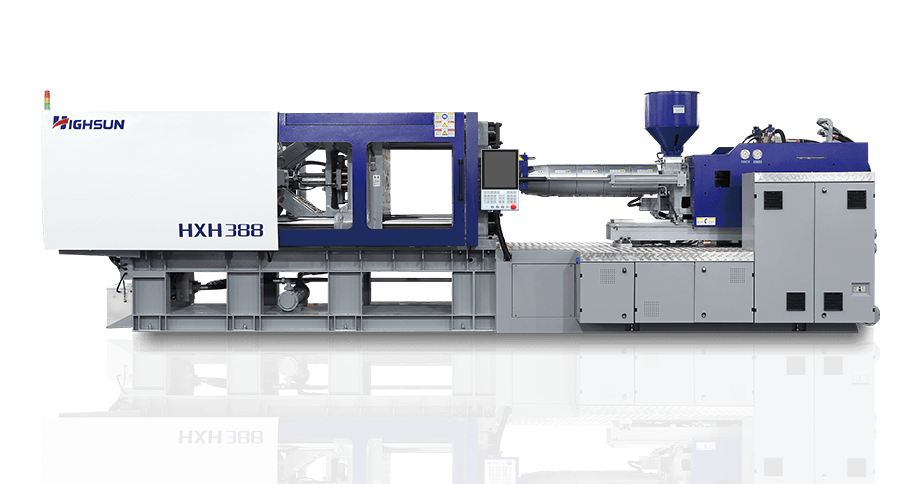
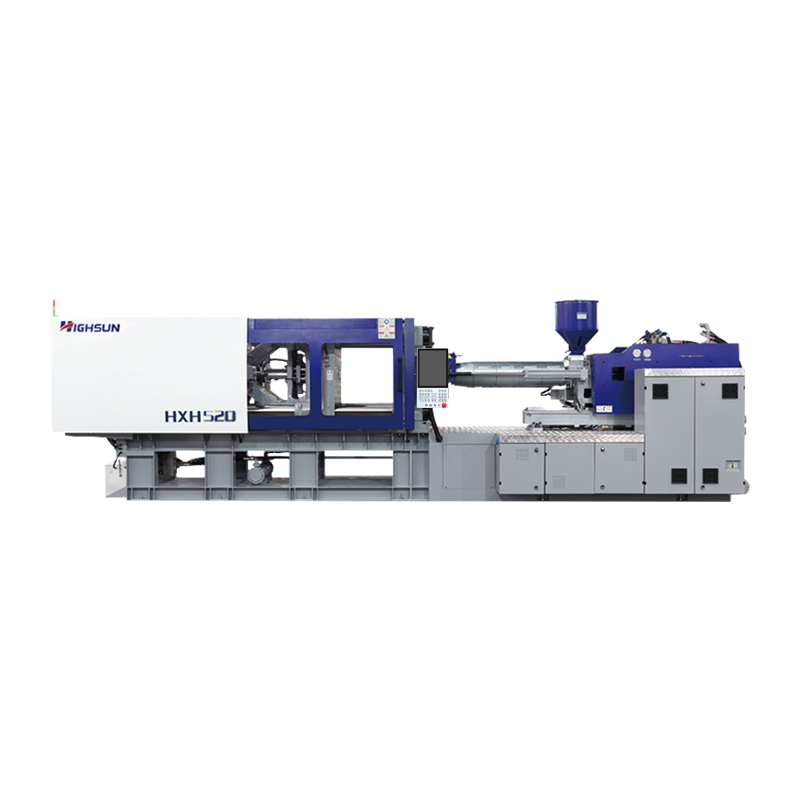
HXH High-Speed Machine High-rigidity, high-speed series aimed at thin-wall products that need rapid injection response. View Series
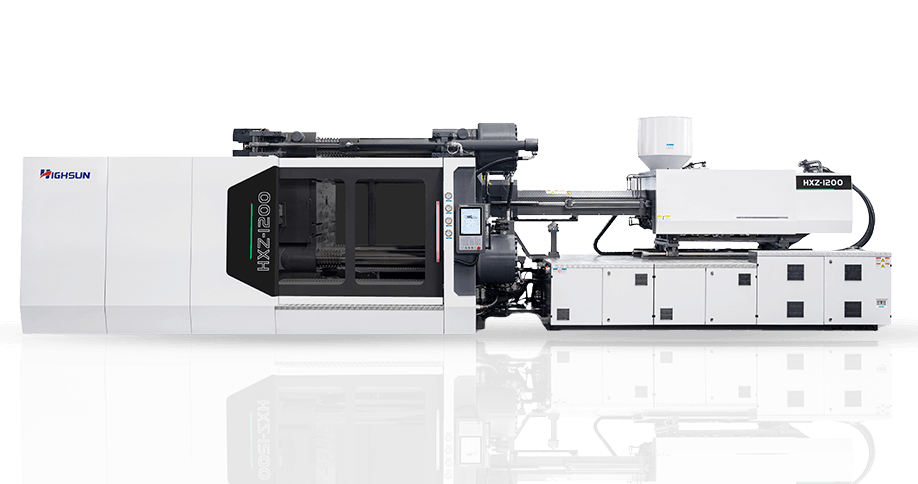
HXZ Two-Platen Machine Large-tonnage two-platen series designed for compact structure and uniform clamping force distribution. View Series
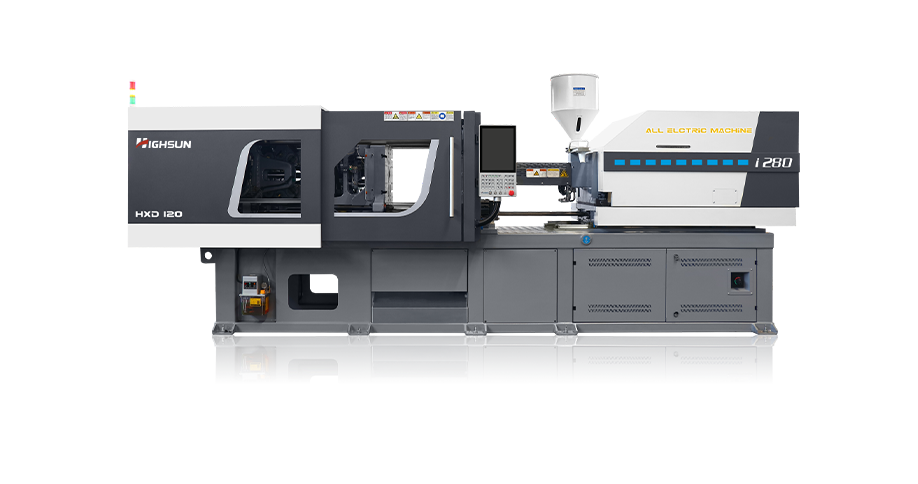
HYD All-Electric Series Full servo-electric drive across clamping, injection, and ejection for precise, clean production. View Series
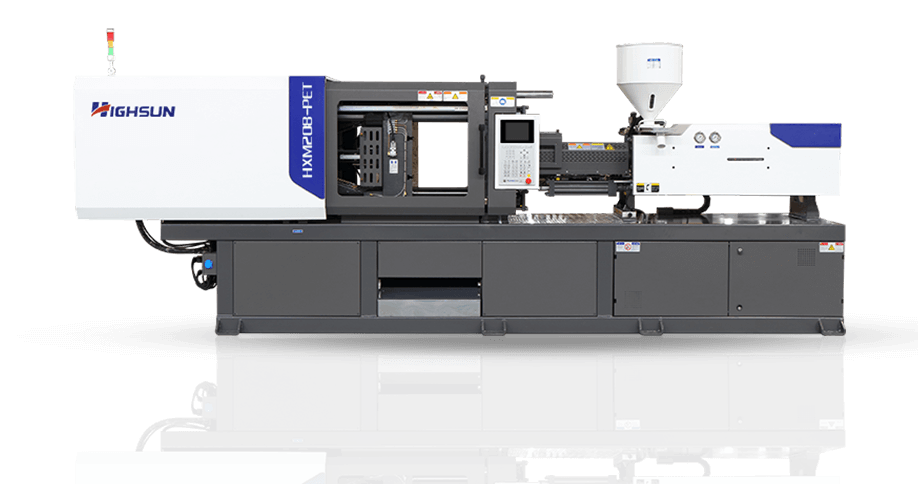
PET Preform Machine Dedicated PET series built for fast cooling and dimensional consistency in preform production. View Series
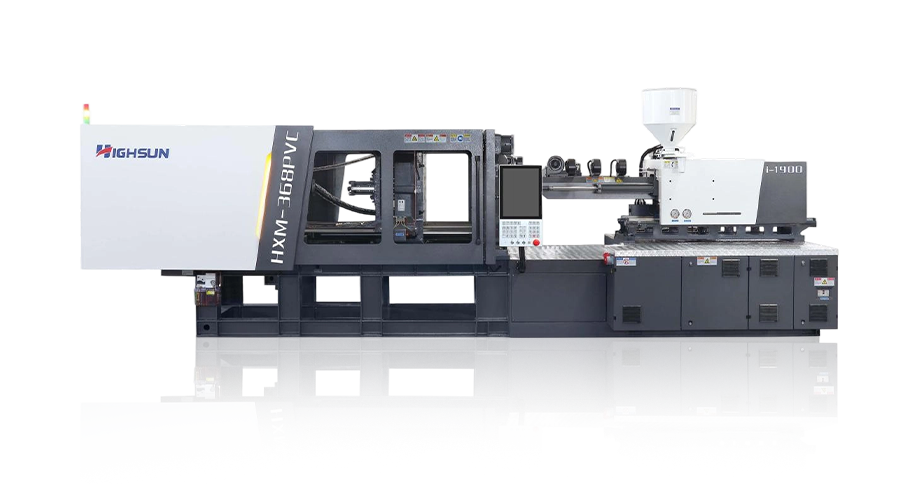
PVC Injection Molding Machine PVC-dedicated series with corrosion-resistant components suited to pipe fittings and related products. View Series
Frequently Asked Questions
Q1What is an injection molding machine?
An injection molding machine is manufacturing equipment that melts plastic resin and injects it under pressure into a closed mold, where it cools into a finished part. It is the core piece of equipment behind most mass-produced plastic components.
Q2How does an injection molding machine work?
It works through a repeating cycle: the mold closes and clamps, molten resin fills the cavity, packing and holding pressure compensate for shrinkage, the part cools, and the mold opens so the finished part can be ejected before the cycle repeats.
Q3What are the different types of injection molding machines?
Common categories include hydraulic machines, electric-hydraulic hybrid machines, all-electric machines, two-platen machines, high-speed machines, and double-color machines, along with dedicated PET and PVC series built for specific resins.
Q4How do I choose an injection molding machine?
Start from your part's clamping force requirement, shot size, and resin, then match those against drive type, platen size, and control system, along with how well a given supplier can support your automation and material needs.
Q5What size injection molding machine do I need?
Machine size is generally set by the projected area of your largest part, the cavity pressure your material requires, and your shot weight, so the right size depends on the specific parts and molds you plan to run.
Q6How many tons of injection molding machine do I need?
Tonnage requirements vary widely, from under 100 tons for small precision components up to several thousand tons for large structural parts, so tonnage is typically calculated per part rather than assumed from a general average.
Q7How do I calculate injection molding machine tonnage?
Tonnage is generally estimated by multiplying the part's projected area by an appropriate cavity pressure factor for the resin, then adding a safety margin, a calculation usually confirmed with the moldmaker or machine supplier before final sizing.
Q8How do I select the right injection unit?
Match the injection unit's shot size and plasticizing capacity to your heaviest part plus runners, then confirm the screw design suits your resin, since PVC, PET, and glass-filled engineering plastics each call for different screw and barrel configurations.
 +86-188 6861 6288
 haixiong@highsun-machinery.com
 No.36 Yongjiang South Road, Beilun District. Ningbo City, 315800, China