 ENG
ENG  English
 русский
 Español
 Português
 عربى
عربى


Bottom line: The best PET preform injection molding machine for your operation in 2026 is one that matches your output capacity, delivers measurable energy savings (look for all-electric or hybrid servo systems that cut power use by 30–50%), and is backed by a manufacturer with proven after-sales support. Read on for the detailed framework to make that decision with confidence.
Content
- 1 Why Machine Selection Matters More Than Ever in 2026
- 2 Core Technical Specifications to Evaluate
- 3 Energy Saving PET Preform Injection Molding Machine: What to Look For
- 4 Small PET Preform Injection Molding Machine For Sale: Who Should Buy One
- 5 Comparing Machine Configurations: A Practical Framework
- 6 Control System and Automation Integration
- 7 About HIGHSUN Machinery
- 8 Frequently Asked Questions
Why Machine Selection Matters More Than Ever in 2026
The global PET preform market continues to grow at a compound annual rate of approximately 5.8%, driven by bottled water, carbonated beverage, and edible oil packaging demand. With raw material costs and energy prices remaining volatile, selecting the right PET preform injection molding machine directly impacts per-unit production cost, reject rates, and long-term ROI.
A poorly matched machine—whether oversized or underpowered—can increase energy cost per kilogram of output by as much as 40% and reduce mold service life by up to 30% due to suboptimal clamp force management. Getting the specification right at the purchase stage is far less expensive than retrofitting or replacing equipment 18 months into production.
Key Decision Factors When Choosing a PET Preform Injection Molding Machine (Weighted Importance %)
Core Technical Specifications to Evaluate
Before comparing models, you need a clear specification checklist. The following parameters directly define whether a machine will perform reliably on your production floor.
Clamping Force and Mold Cavity Count
PET preform molds are typically high-cavity, hot-runner configurations ranging from 4 to 144 cavities. A general rule: for every 8–12 cavities in a standard 28mm neck finish preform mold, budget approximately 100 tons of clamping force. For example, a 48-cavity mold for 28g preforms typically requires a machine in the 400–500T range. Exceeding this buffer prevents mold flash and extends mold life.
Injection Unit and Shot Weight
Shot weight must be matched to the total cavity fill weight plus runner system. Under-sizing leads to short shots; over-sizing by more than 20–25% increases residence time of PET in the barrel, causing acetaldehyde (AA) generation that degrades preform quality. Most PET preform machines operate with screw L/D ratios of 20:1 to 24:1 for consistent melt homogeneity.
Injection Speed and Pressure
PET preforms require fast, precise injection. Look for machines capable of injection speeds of 250–350 mm/s and injection pressures up to 2,000 bar. Consistent fill profile across all cavities directly impacts gate quality, AA content, and crystallinity uniformity.
| Table 1: Key technical parameters for PET preform injection molding machine selection | ||
| Parameter | Recommended Range | Impact if Mismatched |
| Clamping Force | 8–12T per cavity | Flash defects, mold damage |
| Injection Speed | 250–350 mm/s | Incomplete fill or stress cracking |
| Injection Pressure | Up to 2,000 bar | Poor cavity balance |
| Screw L/D Ratio | 20:1 – 24:1 | High AA content, color deviation |
| Shot Weight Utilization | 70–80% of rated capacity | Material degradation or waste |
Energy Saving PET Preform Injection Molding Machine: What to Look For
Energy cost typically represents 15–25% of total PET preform production cost. Choosing an energy saving PET preform injection molding machine is not just an environmental consideration—it is a direct margin decision.
All-Electric vs. Hydraulic vs. Hybrid Servo
There are three main drive system architectures available in 2026:
- All-Electric: Servo motors power all axes independently. Energy consumption is lowest—typically 0.06–0.10 kWh per kg of PET processed. Ideal for high-cavity, high-speed applications. Higher upfront investment, but payback through energy savings is often achieved within 2–3 years.
- Hydraulic: Traditional option. Simpler maintenance, lower initial cost, but consumes 30–50% more energy than servo-based alternatives. Increasingly unsuitable for high-volume PET preform lines where energy is a significant variable cost.
- Hybrid Servo (Electric + Oil): Servo motor drives the hydraulic pump only on demand. Energy savings of 30–45% vs. conventional hydraulic, with lower capital cost than all-electric. This is the most popular configuration in mid-to-large PET preform operations as of 2026.
Estimated Annual Energy Cost Comparison by Drive System (Based on 6,000 hrs/yr operation, 200T machine)
Barrel Insulation and Temperature Zones
Machines with barrel insulation jackets reduce heat loss and stabilize processing temperatures with less energy input. Look for models offering 5+ independent temperature control zones on the barrel, which reduces AA generation and improves melt consistency for PET.
Small PET Preform Injection Molding Machine For Sale: Who Should Buy One
Not every operation needs a 96-cavity machine running at 4 seconds per cycle. A small PET preform injection molding machine for sale makes compelling sense in several real-world scenarios.
Ideal Applications for Compact Machines
- New market entry: Startups or regional bottlers entering PET preform production often start with 4- to 16-cavity molds on machines in the 80–200T clamping force range to limit capital exposure while validating demand.
- Specialty or niche preforms: Wide-mouth jars, pharmaceutical containers, or custom neck finishes often run in lower volumes where a compact machine is more economical than a large platform running at low utilization.
- Sample and R&D production: Mold validation and new product development runs benefit from flexible, smaller machines that do not tie up high-capacity production assets.
- Distributed production: Companies operating regional filling facilities sometimes prefer distributed small-machine setups to reduce logistics cost rather than centralizing production.
A typical small PET preform machine in the 120–200T class can produce 8,000–18,000 preforms per hour on a 16-cavity mold at a 6-second cycle, which is sufficient to supply a mid-scale bottling line running at 12,000–15,000 BPH.
What to Check Before Buying a Compact Machine
- Verify that the platen dimensions accommodate your mold's footprint—small machines with inadequate platen area cannot accept wider multi-cavity cold-half tooling.
- Confirm that the control system supports multi-stage injection profiling, not just single-speed injection, which is critical for thin-wall PET preforms.
- Check that the cooling water circuit capacity matches the mold's cooling demand—undersized chiller integration is the most common commissioning issue on compact machines.
Comparing Machine Configurations: A Practical Framework
Use the following comparison matrix to screen candidate machines against your production requirements before requesting formal quotations.
| Table 2: PET preform injection molding machine classification by output capability | ||||
| Machine Class | Clamping Force | Typical Cavities | Output (preforms/hr) | Best For |
| Compact | 80–200T | 4–16 | 5,000–18,000 | Startups, R&D, niche sizes |
| Mid-Range | 200–500T | 24–48 | 20,000–55,000 | Regional bottlers, contract mfg. |
| High-Volume | 500–1,000T | 48–96 | 55,000–110,000 | Large-scale beverage producers |
| Ultra-High Output | 1,000T+ | 96–144 | 110,000+ | Global FMCG supply chains |
Control System and Automation Integration
The machine's control system is increasingly a differentiator in 2026. Modern PET preform lines benefit from:
- Multi-stage injection profiling: At minimum 10-stage velocity/pressure control for consistent fill across high-cavity molds.
- Real-time cavity pressure monitoring: Detects imbalanced cavities before defective preforms reach downstream equipment, reducing waste by up to 2–3% of annual output.
- SPC (Statistical Process Control) integration: On-machine data logging with OPC-UA export for integration with plant-level MES or SCADA systems.
- Robot/take-out unit compatibility: Dry-cycle time compatibility with side-entry or top-entry robots is essential for sub-6-second overall cycle time on high-cavitation molds.
Look for machines offering remote diagnostic capability via Ethernet or 4G modem. Downtime from parameter drift or minor faults can be resolved remotely within hours rather than waiting for a service visit, which is especially valuable for plants in regions with limited local technical support.
About HIGHSUN Machinery
Manufacturer Profile
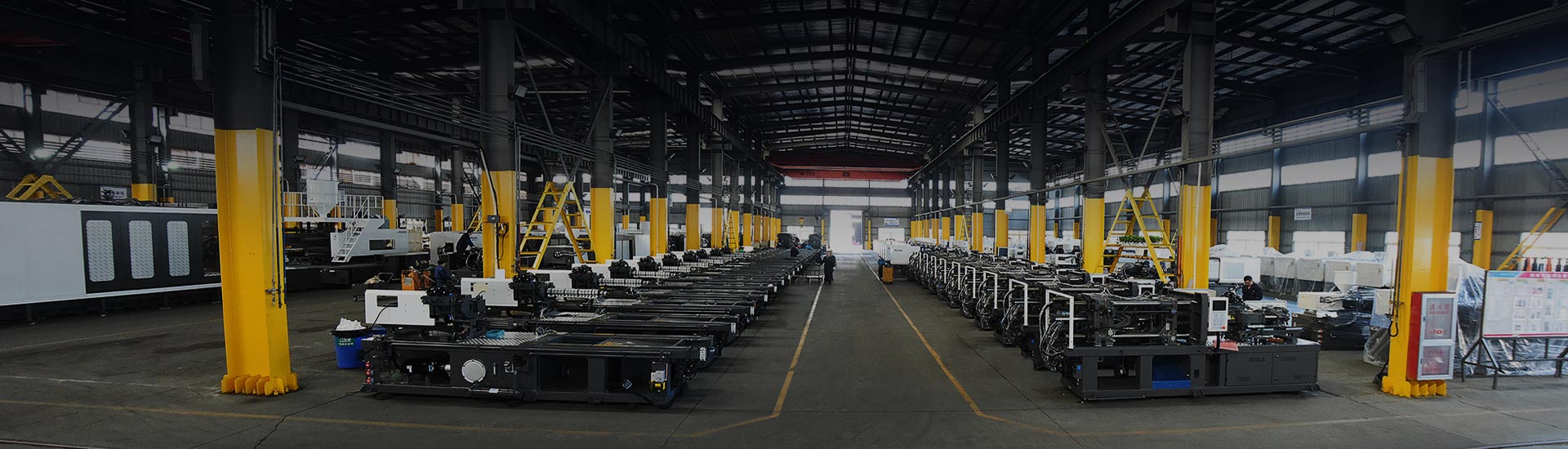
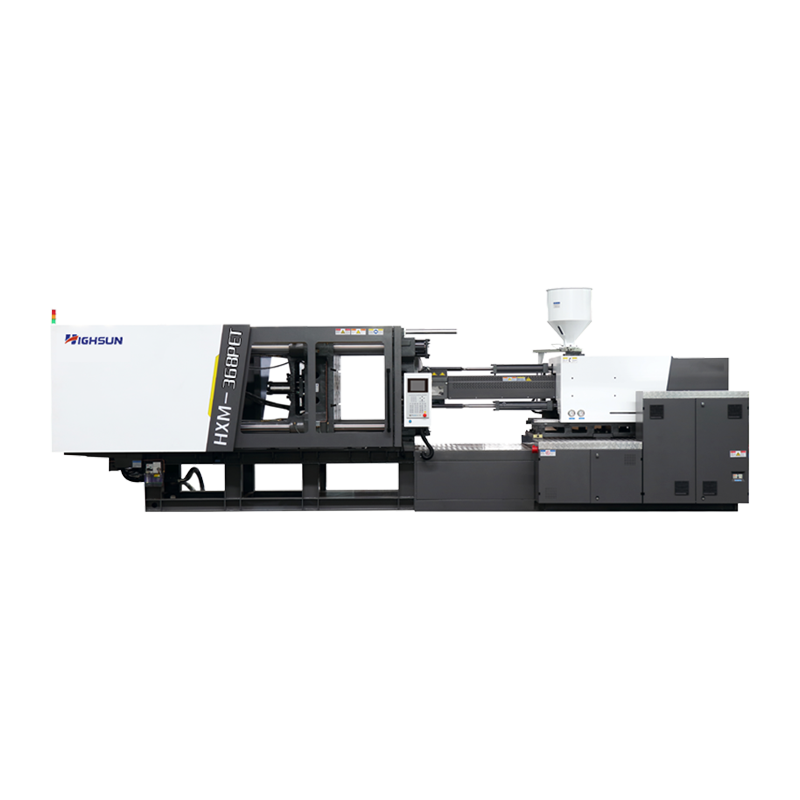
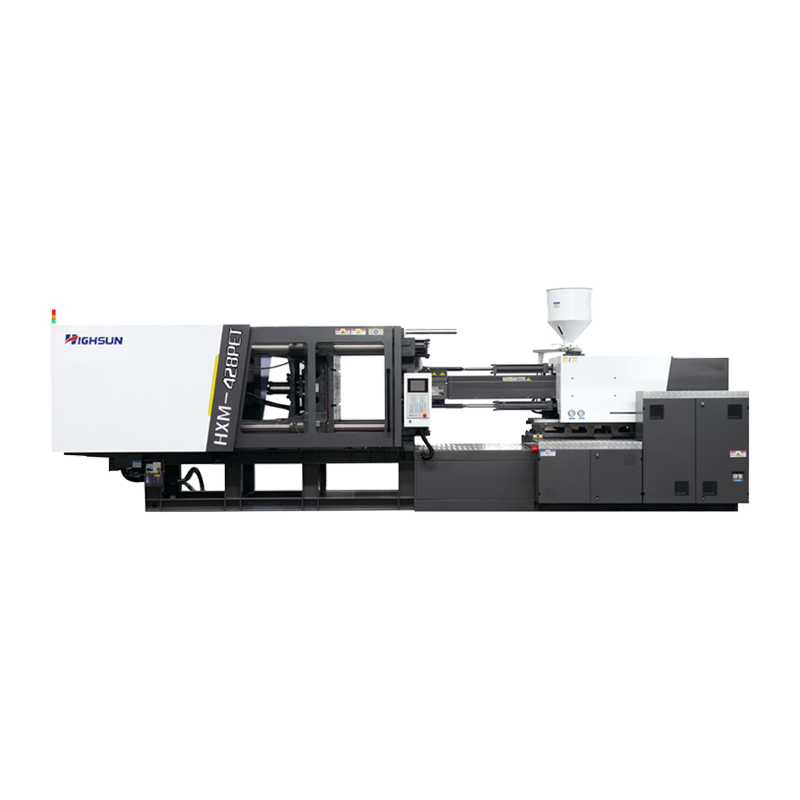
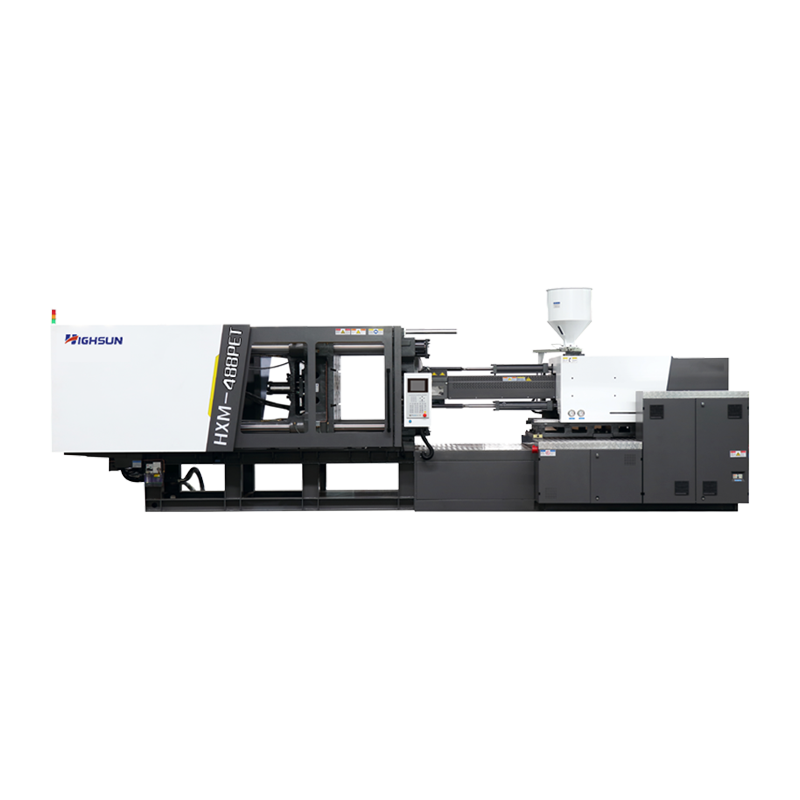
HIGHSUN Machinery is headquartered in the Beilun Science & Technology Park in Ningbo, China—recognized as the "capital of plastics machinery." The manufacturing campus spans over 120,000 square meters, dedicated entirely to the production of HIGHSUN brand high-grade injection molding machines.
With nearly 20 years of independent development and drawing on more than 50 years of accumulated engineering expertise from its parent company, HIGHSUN has earned recognition as a TOP 3 professional manufacturer for plastic injection molding machines in Ningbo and one of the TOP 10 manufacturers in China.
The complete product range spans 98T to 3,000T of clamping force across multiple series—including Electricity and Oil Hybrid, Two-Platen, High-Speed, PET Series, PVC Series, BMC Series, and dual-color configurations—with customized solutions accepted as standard practice. HIGHSUN operates under the philosophy of "Pursuing Excellence, Molding Perfection," with a customer-centric service model.
120,000 m²
Factory Area
20+ Years
Industry Experience
98T–3000T
Clamping Force Range
TOP 3
Ningbo Ranking
Frequently Asked Questions
For a standard 48-cavity mold producing 28mm neck finish preforms in the 18–25g range, a machine with 400–550 tons of clamping force is typically appropriate. Apply the general guideline of 8–12 tons per cavity and add a 10–15% safety margin to account for mold condition and material viscosity variation.
Compared to a conventional hydraulic machine of the same tonnage, a hybrid servo system typically saves 30–45% on electricity consumption. For a 300T machine running 6,000 hours per year at an electricity cost of $0.10/kWh, that can represent annual savings of $18,000–$28,000 depending on production load profile.
Yes. A compact machine in the 80–200T range with 4–16 cavities is well-suited for startups. It lowers initial capital outlay, reduces the risk of overcapacity, and still produces enough preforms to supply a small-to-mid-scale bottling line. As demand grows, additional machines or an upgrade to a higher-cavity platform can be planned incrementally.
Technically yes, but PET-dedicated machines are optimized for PET's processing window (barrel temperatures of 265–285°C, low shear sensitivity, moisture sensitivity). Running PP or HDPE is possible with screw changeovers, but most manufacturers recommend using a machine designed for the primary resin to avoid compromising performance and component longevity.
For standard 28mm CSD/water preforms in the 20–30g range, well-optimized machines achieve cycle times of 5.5–8 seconds total including mold open/close, injection, cooling, and robot take-out. Faster cycles are possible with dedicated high-speed platforms but may require enhanced cooling system capacity and mold design optimization.
Look for CE certification (mandatory for European market supply), ISO 9001 quality management system certification, and where applicable, SGS or BV third-party inspection reports. Manufacturers supplying global markets should also comply with local electrical standards (IEC, UL, or GB). These certifications indicate consistent production quality controls and safety compliance.
 +86-188 6861 6288
 haixiong@highsun-machinery.com
 No.36 Yongjiang South Road, Beilun District. Ningbo City, 315800, China