 ENG
ENG  English
 русский
 Español
 Português
 عربى
عربى


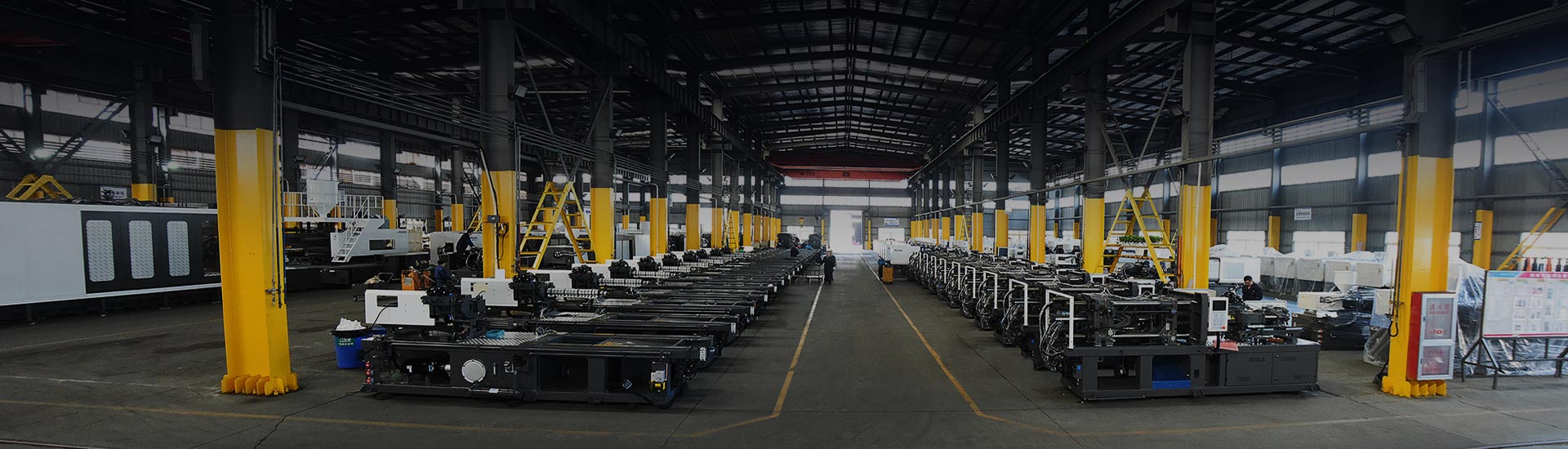
The most direct answer: five avoidable operational mistakes account for the majority of efficiency losses on a Two-Color Injection Molding Machine — and each one individually can reduce output efficiency by 10% to 20% or more. These mistakes are not equipment failures; they are process, setup, and management errors that show up in scrap rates, cycle time inflation, and color contamination. Identifying and correcting them is the fastest path to restoring and exceeding baseline production efficiency.
Content
- 1 Mistake 1: Improper Mold Temperature Control Between the Two Shots
- 2 Mistake 2: Neglecting Rotary Platen Synchronization and Positioning Accuracy
- 3 Mistake 3: Using Incompatible or Poorly Prepared Material Combinations
- 4 Mistake 4: Incorrect Injection Sequence Timing and Holding Pressure Settings
- 5 Mistake 5: Inadequate Color Purging Between Material Changes
- 6 The Cumulative Cost of These Five Mistakes
- 7 About Ningbo Beilun Highsun Machinery Co., Ltd.
- 8 Frequently Asked Questions
Mistake 1: Improper Mold Temperature Control Between the Two Shots
On a double color injection molding machine, the first and second injection shots involve two different materials — each with its own melt temperature, shrinkage behavior, and bonding requirement. One of the most common and damaging mistakes is failing to set and maintain independent, correctly matched mold temperatures for each station.
When mold temperatures are mismatched, the bond interface between the two materials weakens. Field data from two-color molding operations indicates that a temperature differential of more than 15°C from the optimal bonding range can increase inter-layer delamination rejects by up to 18%. In high-volume runs, this alone accounts for significant efficiency loss.
How to Correct It
- Use separate temperature controllers for each mold station — never share a single circuit
- Verify that the second-shot mold surface temperature is within the material supplier's bonding window before production begins
- Install mold surface thermocouples near the bond interface zone for real-time feedback
- After any mold change or startup, allow a full thermal stabilization period — typically 20 to 30 minutes — before recording production parts
Delamination Reject Rate (%) vs. Mold Temperature Deviation from Optimal (deg C)
+5 deg
1.2%
+10 deg
3.8%
+15 deg
8.5%
+20 deg
14.2%
+25 deg
18.1%
Figure 1: Delamination reject rate increases sharply once mold temperature deviation exceeds 15 degrees C from the optimal bonding range
Mistake 2: Neglecting Rotary Platen Synchronization and Positioning Accuracy
The rotary platen is the mechanical heart of any Two-Color Injection Molding Machine. It carries the core mold half from the first injection station to the second with extreme precision — tolerances at the mold parting line are typically within 0.02 mm. When rotary platen positioning drifts or synchronization with the injection sequence degrades, flash, short shots, and color mixing follow immediately.
A positioning error of just 0.05 mm in platen rotation can cause visible flash at the color boundary, requiring secondary trimming operations that add 8 to 12 seconds per cycle — a direct hit to throughput efficiency.
Correction Steps
- Inspect and recalibrate rotary platen positioning sensors every 500 to 1,000 production hours
- Check platen locking mechanism for wear — a worn lock reduces clamping repeatability and allows micro-movement during injection
- After any crash or mold change, perform a full platen zero-point calibration before resuming production
- Monitor cycle-to-cycle platen position data on the machine controller — a trend toward larger deviation values signals imminent mechanical wear
Mistake 3: Using Incompatible or Poorly Prepared Material Combinations
Two-color molding depends entirely on a strong chemical or mechanical bond between two dissimilar materials. Selecting materials without verifying compatibility — or failing to pre-dry hygroscopic resins before processing — is one of the most common root causes of both high scrap rates and efficiency loss on a double color injection molding machine.
Moisture content as low as 0.02% in PC or ABS can produce splay marks, silver streaks, and inter-layer voids that are only detectable after demolding — wasting the full cycle time of every affected shot. In facilities without enforced drying protocols, moisture-related defects account for 12 to 20% of total rejects in two-color operations.
| Material Pair | Compatibility | Recommended Drying Temp | Min Drying Time |
|---|---|---|---|
| PC + ABS | High | 80-90 deg C | 4 hours |
| PP + TPE | High | 70-80 deg C | 2-3 hours |
| PA + TPU | Medium | 80-90 deg C | 4-6 hours |
| PP + PC | Low (requires tie layer) | 80-100 deg C | 4-6 hours |
Mistake 4: Incorrect Injection Sequence Timing and Holding Pressure Settings
The injection sequence on a Two-Color Injection Molding Machine involves two separate injection units firing in a precisely coordinated order. Errors in the timing gap between the first and second shot — or incorrect holding pressure for either unit — produce a cascade of defects: sink marks, warpage, incomplete fill, and color boundary distortion.
In practice, operators frequently copy holding pressure settings from single-material jobs without adjusting for the over-molding context. Since the second shot fills a cavity that is already partially occupied by the first-shot substrate, the required holding pressure is typically 15 to 25% lower than a standalone injection job. Over-pressurizing the second shot is a leading cause of part warpage and mold damage.
Parameter Guidelines for Two-Shot Sequence
- Inter-shot delay: Set based on first-shot gate freeze time — typically 0.5 to 2 seconds depending on wall thickness
- Second-shot injection speed: Use a slower initial fill speed (40 to 60% of rated) to avoid disturbing the first-shot substrate
- Holding pressure: Start at 15% below the single-material baseline and adjust based on part weight consistency
- Cooling time: Allow sufficient cooling for both materials to reach demolding temperature before ejection — rushing this step causes substrate deformation
Mistake 5: Inadequate Color Purging Between Material Changes
Color contamination between runs is one of the most visible and measurable sources of waste on a double color injection molding machine. When purging is rushed or skipped between color changes, residual pigment from the previous run contaminates the next batch — particularly in the barrel dead zones and screw flights where material stagnates.
Color contamination typically persists for 30 to 80 shots after an inadequate purge, depending on barrel size and screw geometry. In light-colored transitions — such as black to white or dark blue to beige — this contamination zone can represent a complete production loss for every affected part.
Color Contamination Intensity (%) vs. Shots After Purge
Figure 2: Contamination intensity drops gradually after purge — dark-to-light transitions require full purge cycles to reach acceptable levels by Shot 60-80
Best Practice Purging Protocol
- Raise barrel temperature by 10 to 15 degrees C above normal processing temperature before purging to reduce melt viscosity and improve screw cleaning
- Use a commercial purging compound rather than natural resin alone — purging compounds reduce material waste by up to 60% compared to virgin resin purges
- Purge at reduced back pressure to allow material to exit the barrel naturally without packing residue deeper into screw flights
- Visually inspect purge shots under consistent lighting — only resume production when three consecutive purge shots show zero visible contamination
The Cumulative Cost of These Five Mistakes
Each of the five mistakes described above operates independently — but in most production environments, two or more are present simultaneously. The combined efficiency impact compounds rapidly. A facility running a Two-Color Injection Molding Machine with all five issues unaddressed can realistically experience overall equipment effectiveness (OEE) scores of 55 to 65% against an industry benchmark of 80 to 85%.
| Mistake | Primary Defect Type | Typical Efficiency Loss | Corrective Action Priority |
|---|---|---|---|
| Mold temperature mismatch | Delamination, bond failure | Up to 18% | High |
| Platen positioning drift | Flash, color mixing | 8 to 12% cycle time | High |
| Incompatible materials / poor drying | Splay, voids, rejects | 12 to 20% reject rate | High |
| Wrong injection sequence timing | Warpage, sink marks | 10 to 15% | Medium |
| Insufficient color purging | Color contamination | 30 to 80 wasted shots per changeover | Medium |
About Ningbo Beilun Highsun Machinery Co., Ltd.
HIGHSUN MACHINERY
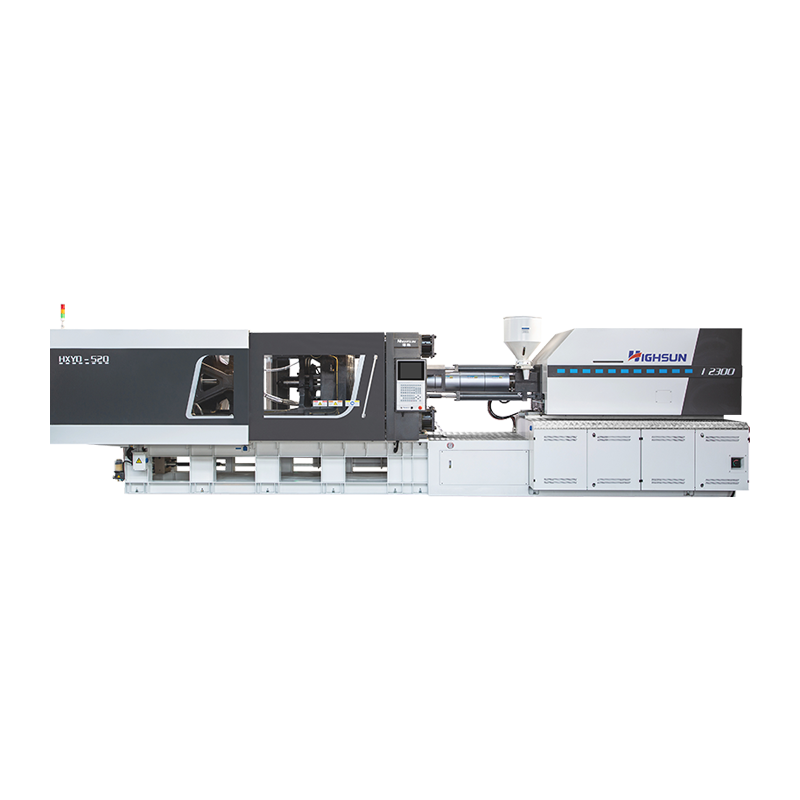
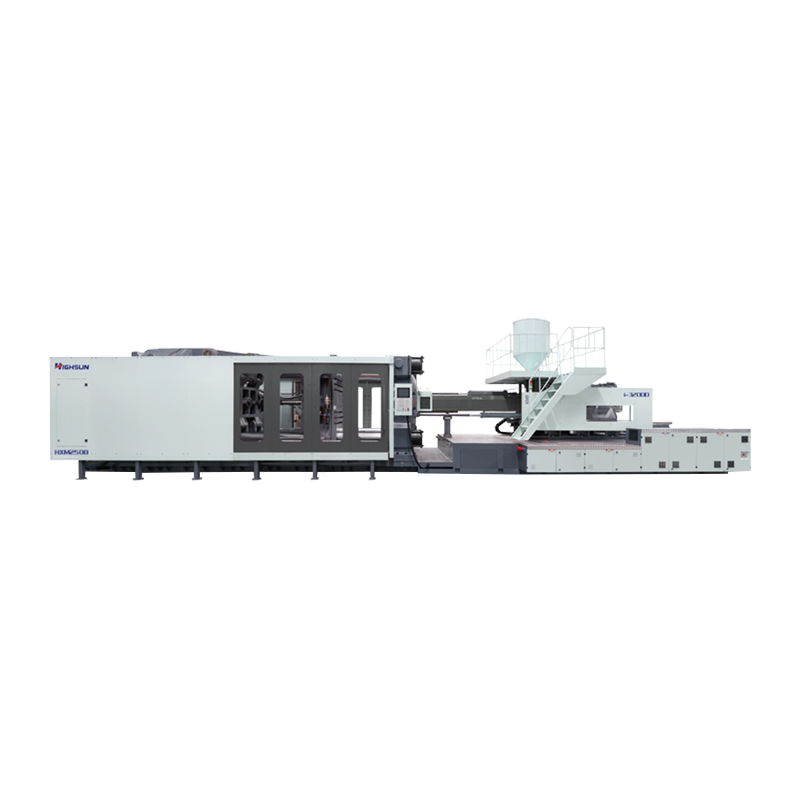
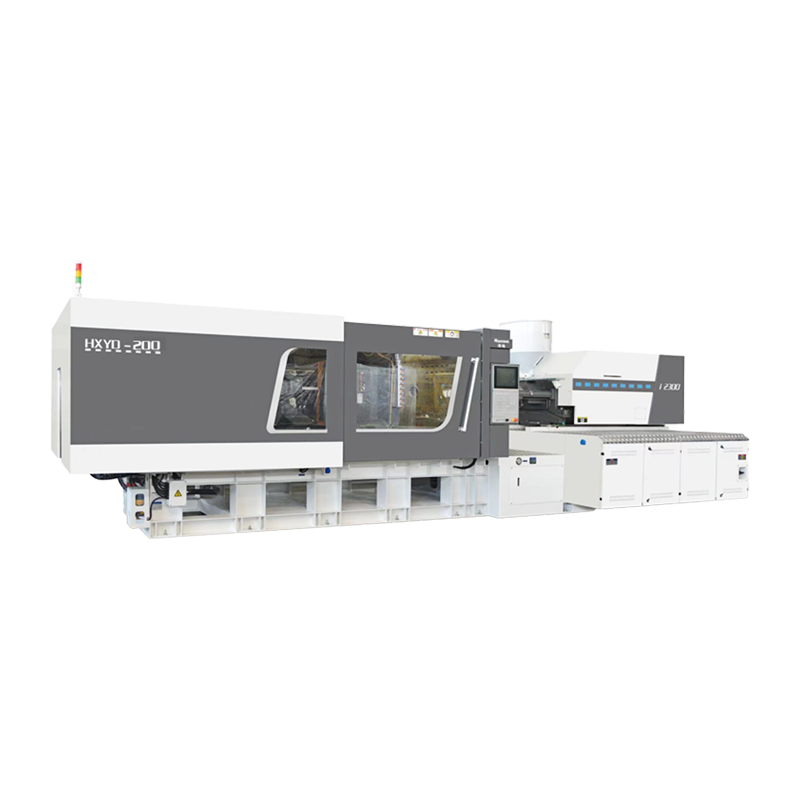
Ningbo Beilun Highsun Machinery Co., Ltd. is located in Beilun Science and Technology Park, Ningbo, Zhejiang Province — recognized as the "capital city of plastic machines" in China. Operating under the HIGHSUN brand, the company specializes in producing and marketing high-grade precision plastic injection molding machines.
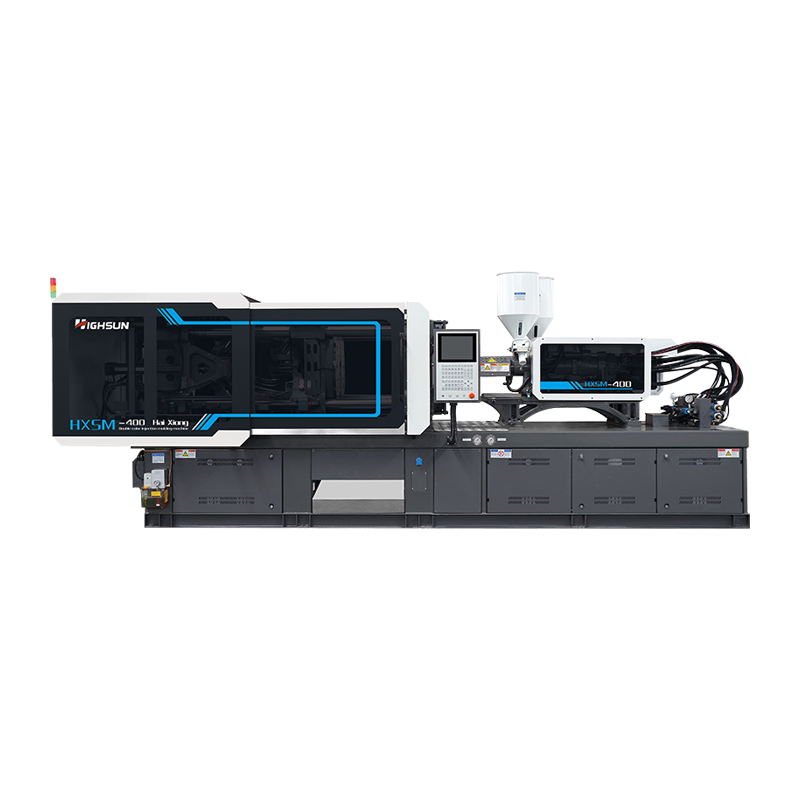
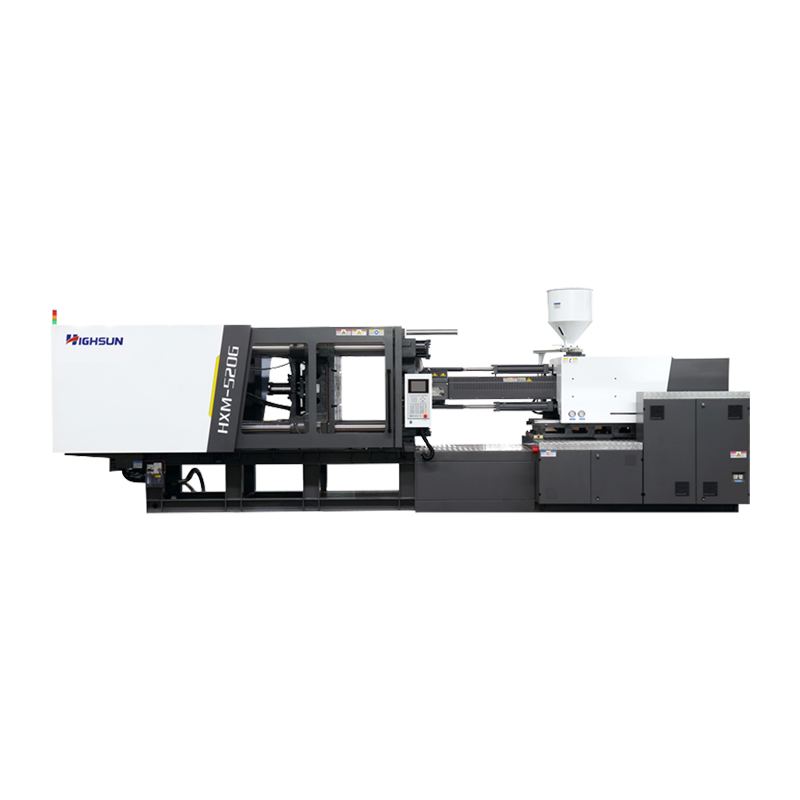
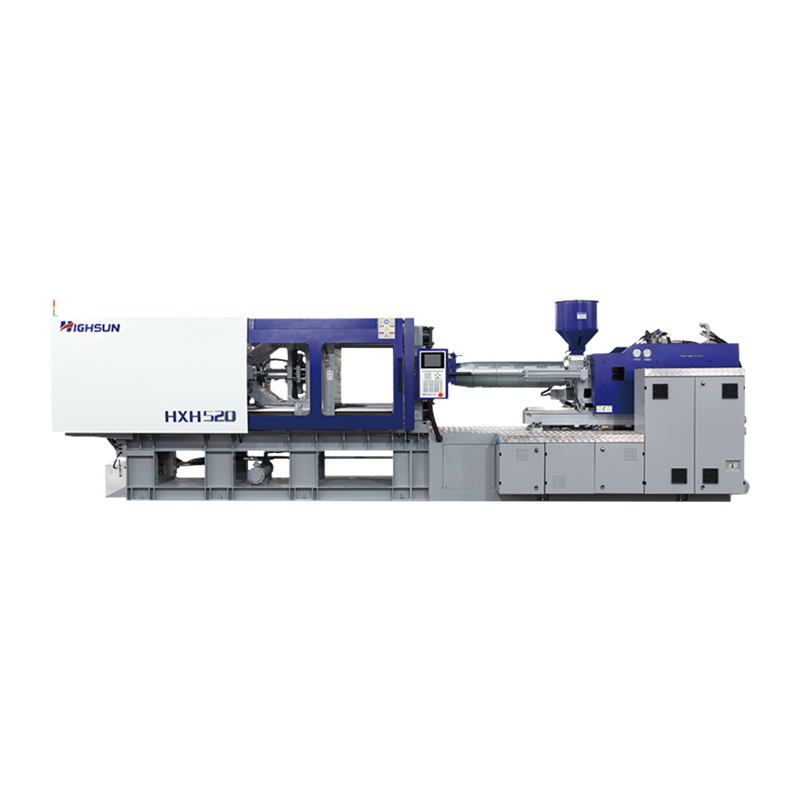
As a professional China Two-Color Injection Molding Machine Manufacturer and Double-Color Injection Molding Machine Factory, HIGHSUN has long been dedicated to delicacy management and zero-defect production. The company has developed a comprehensive characteristic product series, including:
- Small tonnage hybrid machines — combining servo-hydraulic efficiency with precision control
- Medium tonnage toggle machines — delivering reliable, high-speed performance for mid-range applications
- Large tonnage two-platen machines — engineered for large-part, high-cavity two-color production
HIGHSUN's commitment to precision manufacturing and continuous innovation makes it a trusted partner for two-color and double-color injection molding operations across a wide range of industries worldwide.
 +86-188 6861 6288
 haixiong@highsun-machinery.com
 No.36 Yongjiang South Road, Beilun District. Ningbo City, 315800, China