1. What is a two-color injection molding machine?
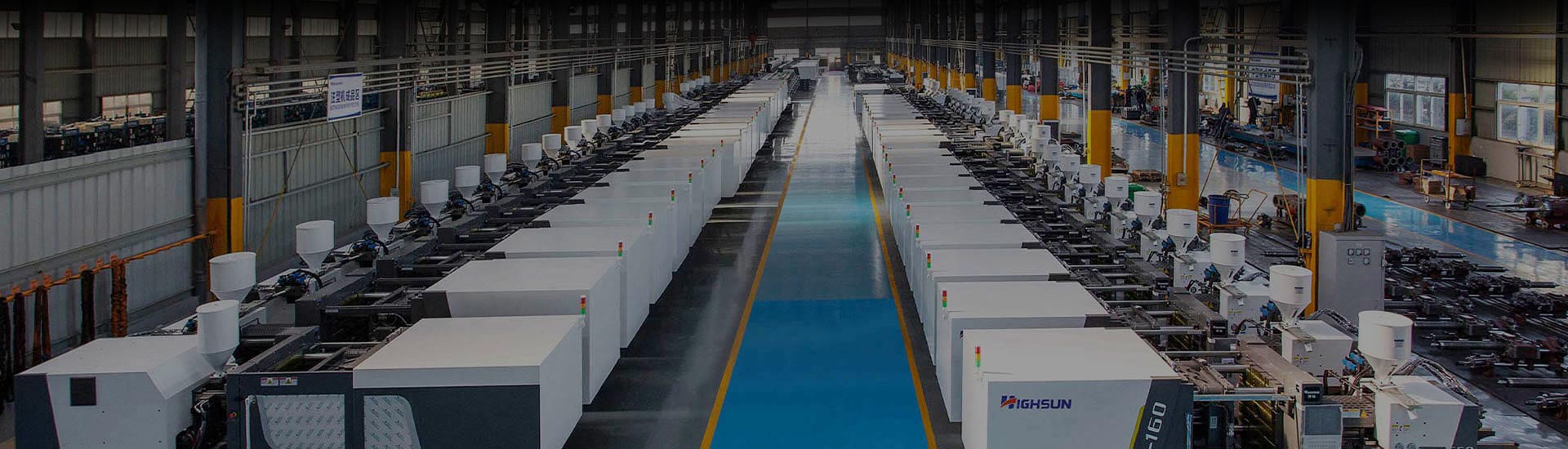
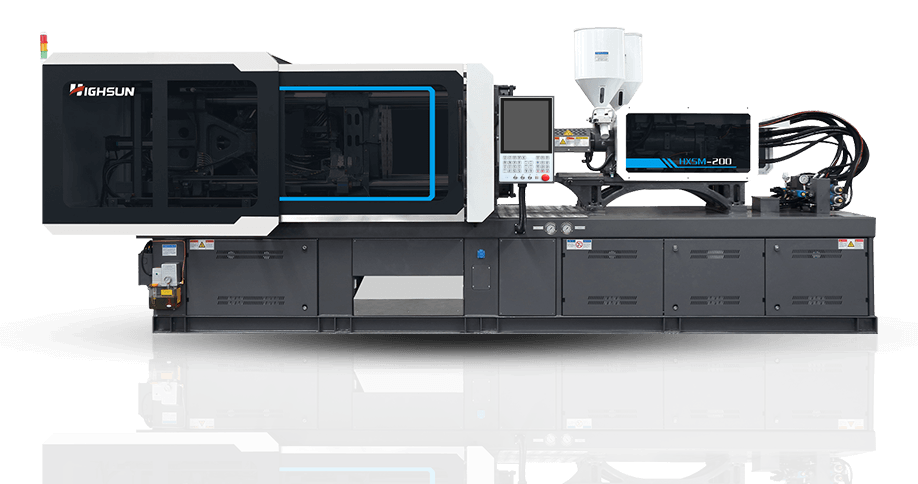
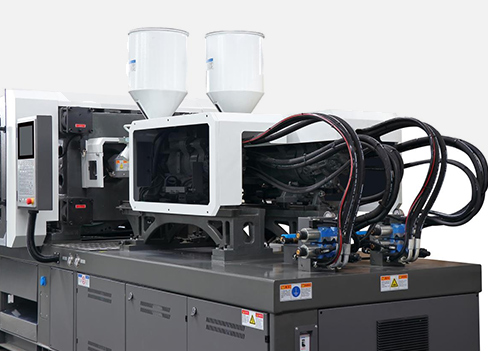
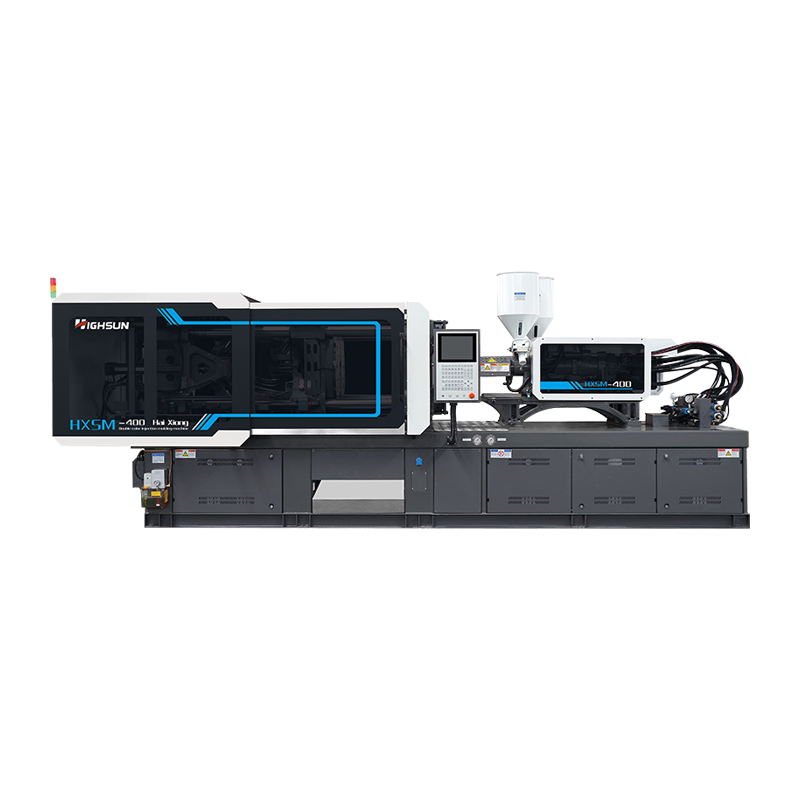
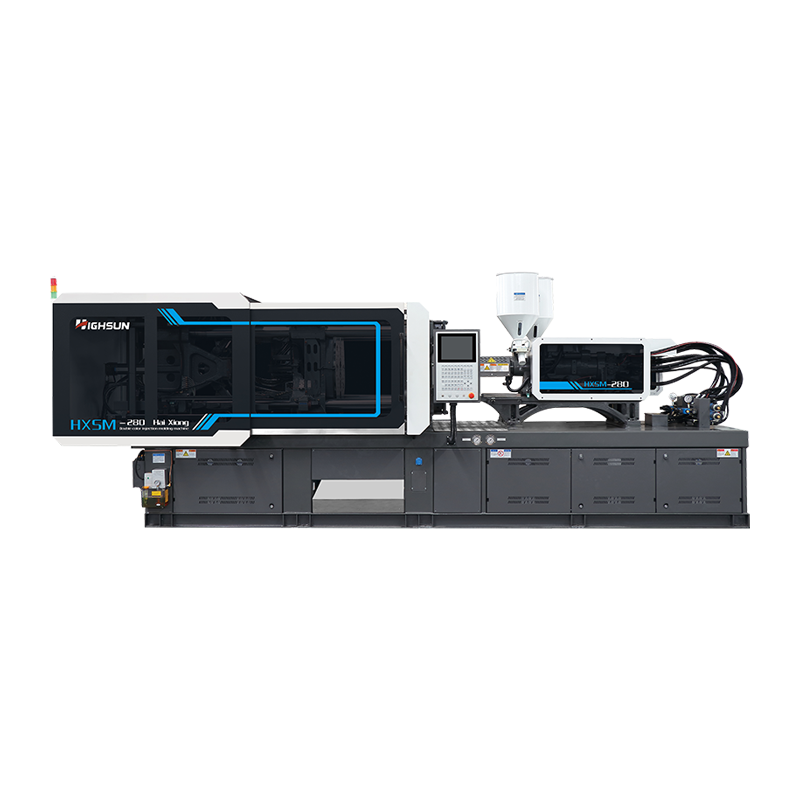
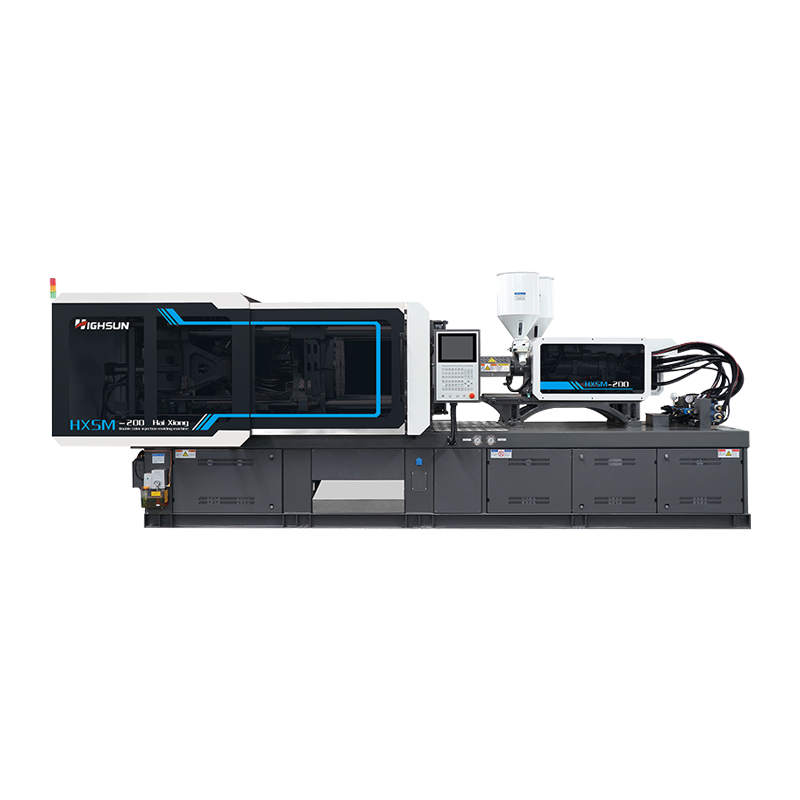
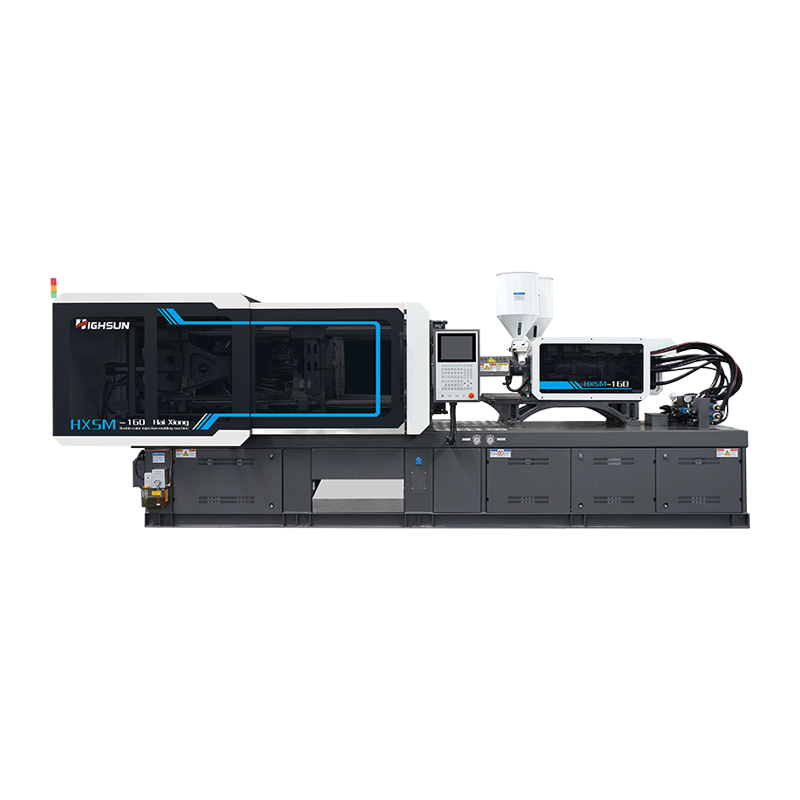
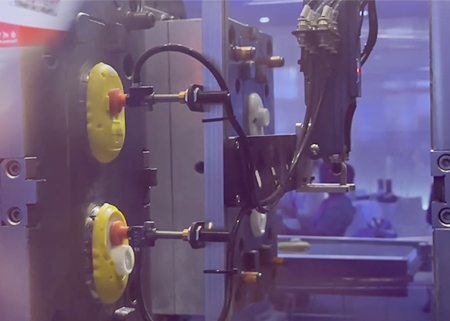
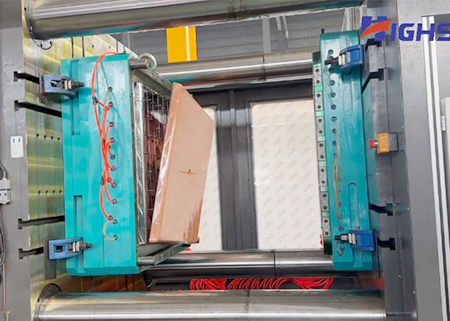
A two-color injection molding machine is an injection molding equipment capable of completing the one-time molding of two different materials or two different colors of plastic on the same machine. It is equipped with a dual injection unit, dual barrels, and a special rotating structure, allowing for two-color, soft-hard combination, or multi-functional integrated injection molding within a single production cycle. By avoiding secondary processing or assembly, this equipment can effectively improve product appearance quality, structural consistency, and production efficiency, making it an important manufacturing equipment for high-end injection molded products.
2. Advantages and Features of Two-Color Injection Molding Machines
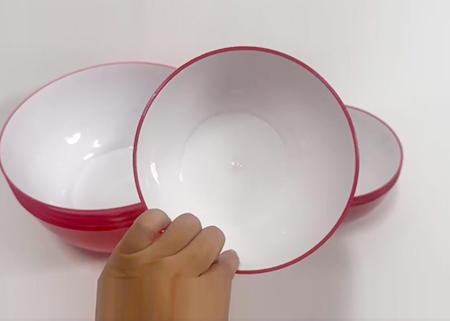
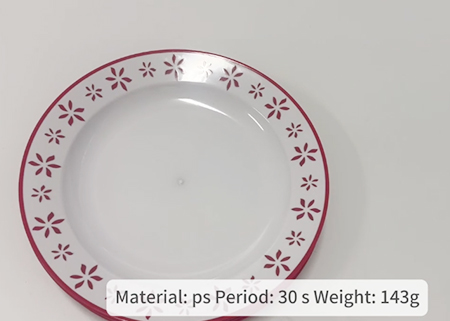
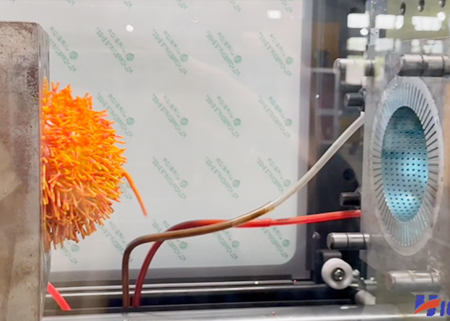
The biggest advantage of a two-color injection molding machine is its ability to achieve "one-time molding, multi-color or multi-material fusion." It can significantly improve product appearance, such as two-color buttons and transparent + opaque combination parts; it can also achieve soft-hard combination structures, such as TPU overmolding ABS, improving product feel, anti-slip properties, and structural strength. Compared with traditional secondary processing methods, two-color injection molding reduces manual assembly, lowers scrap rates, and improves dimensional consistency and production efficiency. Its high degree of automation meets the dual demands of high efficiency and high quality in modern factories.
3. Key Maintenance Points for Two-Color Injection Molding Machines
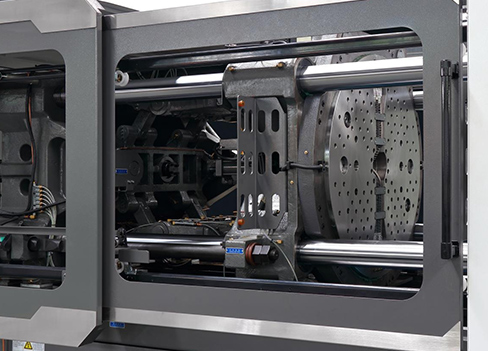
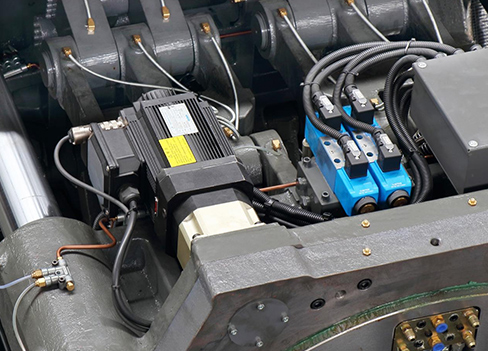
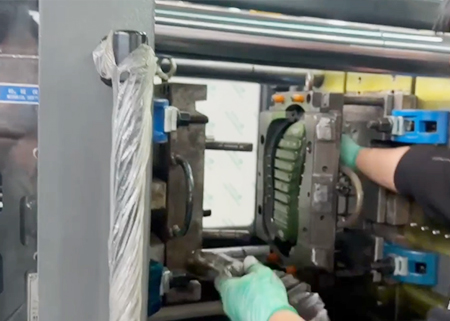
The operation of a two-color injection molding machine requires attention to the synchronous stability of the two injection systems. Operators should reasonably set the temperature, injection speed, and pressure parameters for each section according to the material characteristics to ensure optimal bonding or fusion of the two materials. For maintenance, regularly check the positioning accuracy and lubrication of the rotating mold plate to ensure smooth rotation; check the screw wear, barrel temperature control, and hydraulic or servo system status of the two injection units; and keep the mold guiding parts clean to avoid deviations affecting product accuracy.
| Maintenance Area |
Key Tasks |
Frequency |
Critical Notes |
| Daily Checks |
| Dual Injection Units |
Check synchronization and material contamination prevention |
Every shift |
Ensure proper material separation and purge procedures |
| Rotary Plate/Turntable |
Inspect rotation mechanism and locking system |
Daily |
Verify smooth operation and proper alignment |
| Mold Change System |
Check alignment and clamping force for both molds |
After mold change |
Prevent flash and premature wear |
| Weekly Maintenance |
| Material Feed System |
Clean hoppers, dryers, and check for cross-contamination |
Weekly |
Critical for color/material purity |
| Hydraulic System |
Monitor oil levels and check for leaks in dual circuits |
Weekly |
Maintain separate systems if machines have independent hydraulics |
| Cooling System |
Check both mold temperature control units for consistency |
Weekly |
Temperature variation affects bonding quality |
| Monthly Tasks |
| Screw & Barrel (Both) |
Inspect wear and check for material degradation |
Monthly |
Pay attention to transition areas between materials |
| Electrical Controls |
Verify synchronization of control systems |
Monthly |
Ensure both injection units work in perfect coordination |
| Safety Interlocks |
Test rotary plate safety mechanisms |
Monthly |
Critical for operator protection during rotation |
| Quarterly Procedures |
| Rotary Bearing |
Inspect and lubricate turntable bearings |
Every 3 months |
Use high-temperature bearing grease |
| Hydraulic Oil Analysis |
Sample and test oil from both systems |
Quarterly |
Compare results between systems |
| Servo Motors |
Check both injection and rotation drive systems |
Quarterly |
Monitor for unusual vibrations or heat buildup |
4. FAQ: Common Questions about Two-Color Injection Molding Machines
Q1: What is the difference between a two-color injection molding machine and a regular injection molding machine?
A1: A two-color machine has a dual injection unit and a rotating mold structure, allowing for one-time molding of two colors or materials, while a regular machine can only perform single-color, single-material injection molding.
Q2: What materials are suitable for two-color injection molding machines?
A2: It can be used for a wide range of materials, such as ABS, PC, PP, PMMA, TPU, TPE, etc., but attention should be paid to the bonding properties and temperature requirements of different materials. Q3: Is it mandatory to use a rotary mold plate?
A3: Most two-color injection molding machines use a rotary mold plate, but some specific structures can utilize slider switching or in-mold diversion methods.
Q4: Are two-color injection molded products prone to delamination?
A4: As long as the material adhesion is reasonable and the injection temperature and pressure are properly controlled, the product will not delaminate and will have a strong structure.
Q5: Is automation supported?
A5: Yes, it is fully supported and can be integrated with robots, in-mold labeling, and automatic packaging lines to achieve fully automated production.
 ENG
ENG  English
 русский
 Español
 Português
 عربى
عربى





 HXS Series
 +86-188 6861 6288
 haixiong@highsun-machinery.com
 No.36 Yongjiang South Road, Beilun District. Ningbo City, 315800, China