 ENG
ENG  English
 русский
 Español
 Português
 عربى
عربى


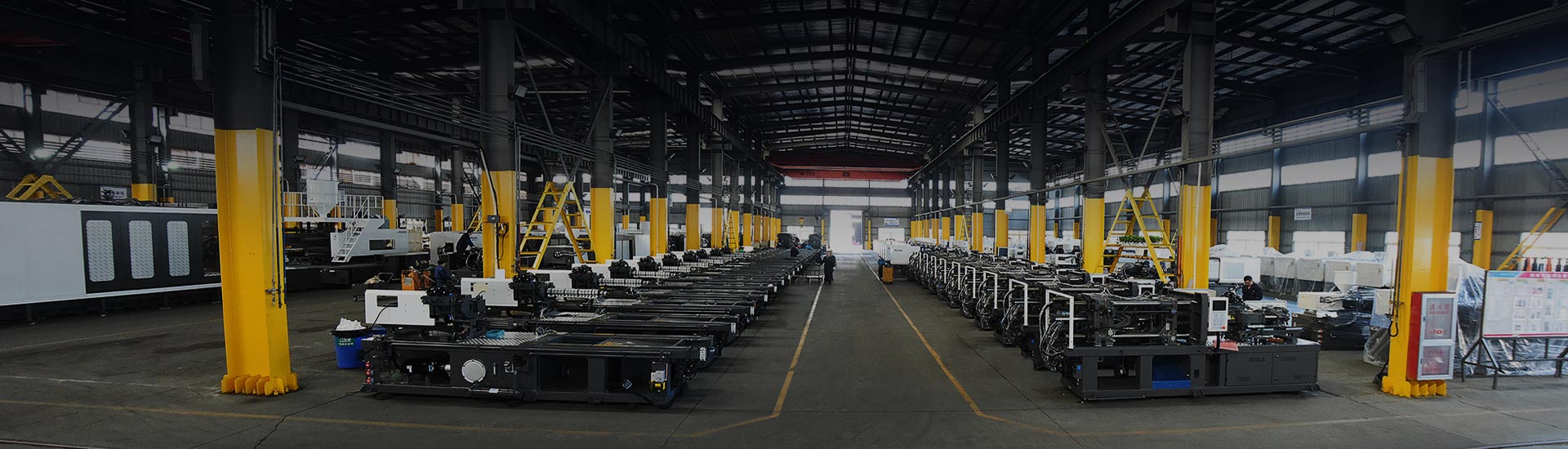
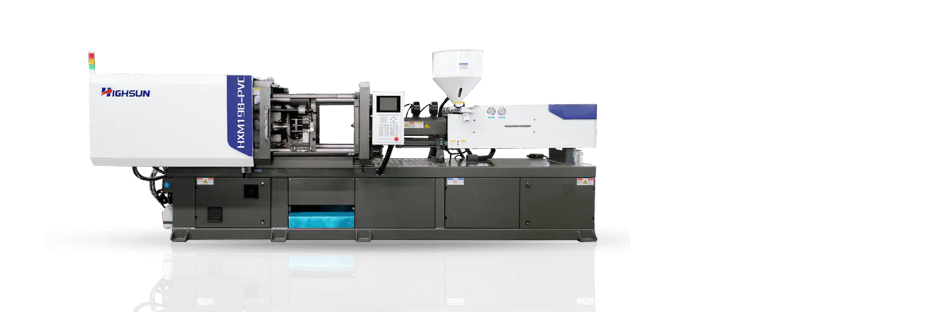
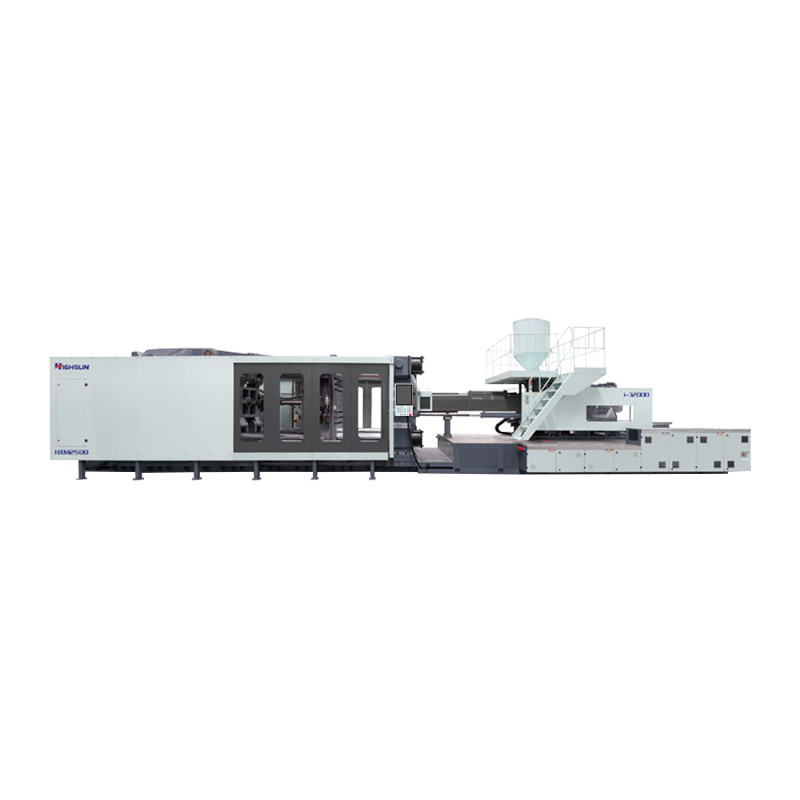
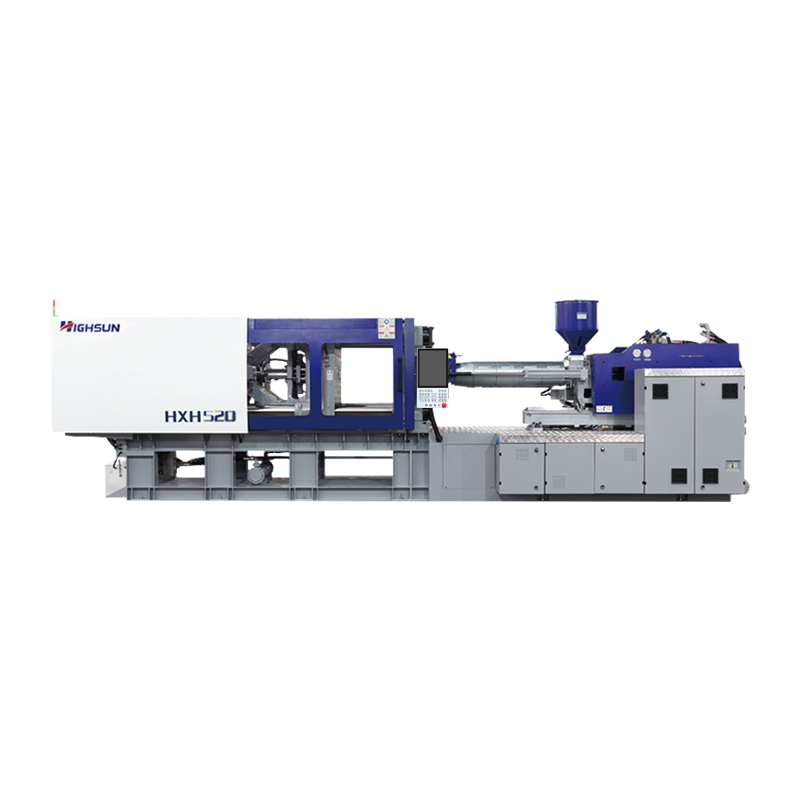
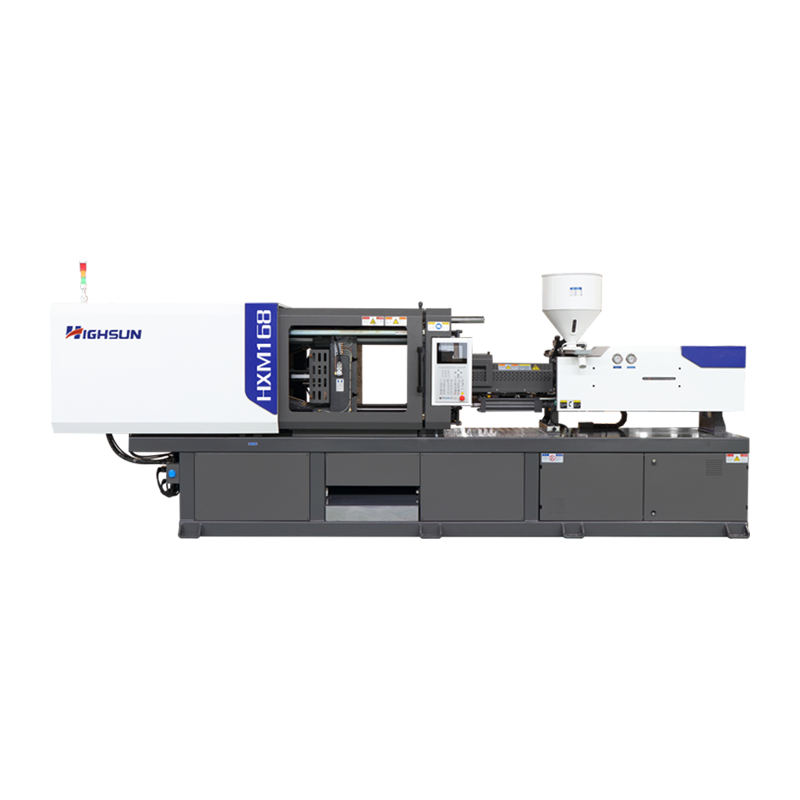
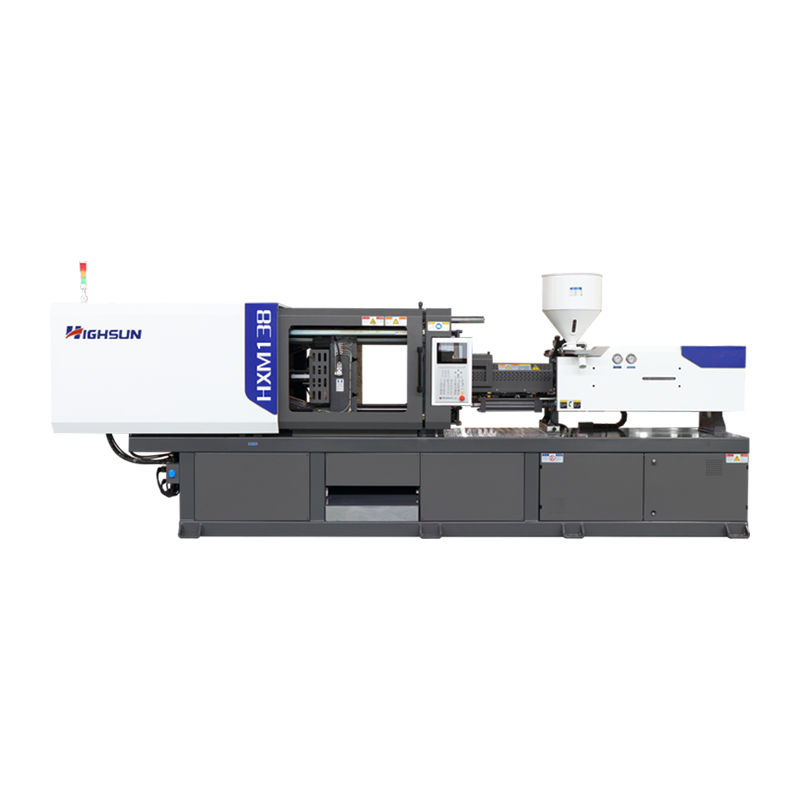
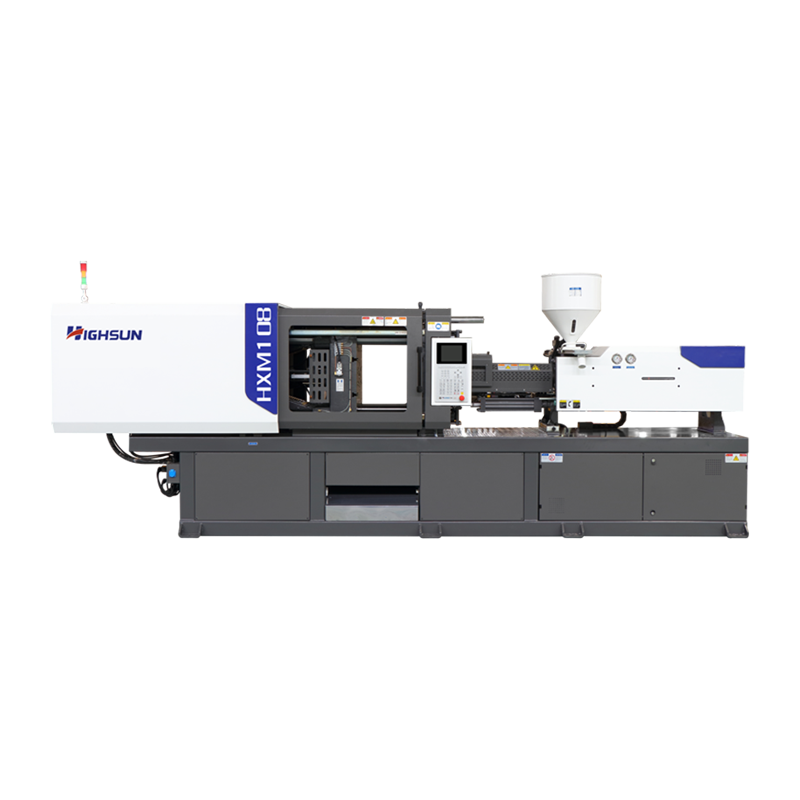
A PVC injection molding machine is a type of mechanical equipment specifically designed for plastic injection molding, particularly for processing polyvinyl chloride (PVC) materials. This type of injection molding machine heats, melts, injects, and cools the plastic raw material, shaping it into various complex plastic products. PVC injection molding machines are widely used in the production of various PVC products, including pipes, profiles, films, packaging materials, automotive parts, and home appliance casings. With the continuous development of the plastics industry, the importance of PVC injection molding machines in modern manufacturing is increasing.
1. Working Principle of a PVC Injection Molding Machine
The basic working principle of a PVC injection molding machine is to heat PVC granules to a molten state through a heating and injection system, and then inject them into a mold. After cooling and solidification, the desired plastic part is formed. The specific working process includes the following steps:
Feeding
PVC raw materials usually enter the hopper of the injection molding machine in granular form. The raw material is fed into the heating barrel through a screw feeding device.
Heating and Plasticization
In the heating barrel, the raw material is heated by heating bands and friction generated by the rotation of the screw, causing the PVC granules to gradually melt into liquid plastic. During the heating process, the injection molding machine precisely controls the temperature to ensure that the PVC material does not degrade due to overheating.
Injection Molding
The molten PVC material is injected into the mold cavity at high speed through the injection system. The injection system usually consists of a high-precision screw, injection barrel, and injection nozzle, ensuring that the material is evenly injected and fills the entire mold.
Cooling and Solidification
After injection, the molten PVC material in the mold is quickly cooled by a cooling system and solidifies. The length of the cooling time directly affects the production cycle and the final molding quality of the product.
Removal and Demolding
The completely cooled molded part is removed from the mold, usually through a robotic arm or manual operation. At this point, the plastic product has completed all processing steps.
2. Main Features of a PVC Injection Molding Machine
High-Precision Molding
PVC injection molding machines ensure the dimensional and shape accuracy of plastic products through precise temperature control and injection control systems. The precision of the injection molding machine is crucial, especially in the production of complex molds and fine products. High Degree of Automation
Modern PVC injection molding machines are typically equipped with automated control systems, enabling automatic feeding, temperature control, injection, cooling, and demolding operations. These automated functions significantly improve production efficiency, reduce manual intervention, and enhance production stability and consistency.
Energy-Efficient and High-Efficiency
Due to their high production efficiency and precise temperature control systems, PVC injection molding machines can complete product molding in a shorter time while saving energy consumption. Many modern PVC injection molding machines are also equipped with variable frequency drive systems, further optimizing energy efficiency.
Multifunctionality
PVC injection molding machines can process not only ordinary PVC materials but also filled PVC, reinforced PVC, and other specially modified PVC materials, adapting to diverse production needs. Some high-end injection molding machines can also achieve various complex functions such as two-color injection molding and co-injection of different materials.
Convenient Mold Change
The design of PVC injection molding machines considers the convenience of mold changing. Some machines also feature quick mold change functions, saving significant mold change time, shortening production cycles, and improving overall production efficiency.
3. Application Fields of PVC Injection Molding Machines
PVC injection molding machines have a wide range of applications, covering almost all industries that require plastic injection molding. Here are some typical application areas:
Construction Industry
PVC injection molding machines are commonly used to produce PVC pipes, window frames, door and window fittings, and other building materials. These products require good corrosion resistance, weather resistance, and strength, making PVC injection molding machines the ideal choice for manufacturing these materials.
Automotive Industry
In the automotive industry, PVC injection molding machines can be used to produce interior and exterior automotive parts, such as dashboards, door handles, seat components, and headlight housings. These parts require high dimensional accuracy and a smooth surface, which PVC injection molding machines can provide.
Home Appliance Industry
The housings, buttons, and control panels of home appliances often use PVC materials. These components not only require an aesthetically pleasing appearance but also good durability and impact resistance. PVC injection molding machines can meet these requirements.
Packaging Industry
PVC injection molding machines are also widely used in the production of packaging containers for food, cosmetics, etc. For example, PVC packaging films, bottle caps, and packaging boxes can all be produced using injection molding technology.
Medical Industry
In the medical industry, PVC injection molding machines are commonly used to produce disposable medical devices, medicine bottles, and medical packaging materials. These products require high cleanliness and sterile processing, and PVC injection molding machines can ensure that the products produced meet hygiene requirements.
4. Maintenance and Upkeep of PVC Injection Molding Machines
To ensure the efficient operation and extended service life of PVC injection molding machines, regular maintenance and upkeep are essential. Common maintenance items include:
Cleaning the injection molding machine
Regularly clean the hopper, heating barrel, injection unit, and mold of the injection molding machine to prevent plastic residue from clogging and affecting molding quality.
Checking the temperature control system
Regularly check the heaters, temperature control instruments, and cooling system to ensure accurate temperature control and avoid product quality problems caused by overheating or undercooling.
Lubricating and inspecting moving parts
Lubricate the moving parts of the injection molding machine, especially the screw, injection unit, and robotic arm, to reduce friction and wear and ensure the smooth operation of the machine.
Checking the electrical system
Regularly check the electrical system, including the motor, control cabinet, and sensors, to ensure that the electrical equipment is functioning properly and to avoid downtime caused by electrical failures.
5. Frequently Asked Questions (FAQ) about PVC Injection Molding Machines
Q1: What types of PVC materials are suitable for processing with a PVC injection molding machine?
A1: PVC injection molding machines are primarily suitable for processing various types of PVC materials, including ordinary PVC, plasticized PVC, filled PVC, rigid PVC, and soft PVC. Different types of PVC materials have different characteristics, and choosing the appropriate PVC material can ensure product quality and molding results.
Q2: Can a PVC injection molding machine process non-PVC materials?
A2: PVC injection molding machines are generally designed for processing PVC materials, but some high-end injection molding machines can handle other types of plastics, such as polypropylene (PP), polyethylene (PE), etc. If you need to process non-PVC materials, it is recommended to choose a multi-functional injection molding machine or purchase a machine specifically adapted to that material based on your specific requirements.
Q3: How to choose a suitable PVC injection molding machine?
A3: When choosing a suitable PVC injection molding machine, the following factors should be considered:
Production needs: Choose an injection molding machine based on the size, complexity, and precision requirements of the products being produced.
Injection capacity: Choose the appropriate injection volume based on the production batch and product weight.
Pressure requirements: Ensure that the injection molding machine has sufficient injection pressure based on the characteristics of the PVC and the product design.
Mold compatibility: Ensure that the injection molding machine is compatible with the molds used, adapting to different mold interfaces and specifications.
Level of production automation: Choose an injection molding machine with an automated control system and efficient production capabilities based on the automation needs of the production line.
Q4: How to improve the production efficiency of a PVC injection molding machine?
A4: Here are some ways to improve the production efficiency of a PVC injection molding machine:
Optimize mold design: Precisely design the mold to reduce cooling time and improve production efficiency.
Automation system: Use robotic arms for automatic picking and handling to reduce manual intervention.
Heating system optimization: Ensure accurate heating and plasticization processes to improve product quality and production speed.
Reduce downtime: Regularly maintain the equipment to avoid equipment failures and wasted downtime.
Q5: Does a PVC injection molding machine require regular maintenance?
A5: Yes, PVC injection molding machines require regular maintenance to ensure efficient operation and extend their service life. Common maintenance items include:
Cleaning: Regularly clean the hopper, heating barrel, injection unit, and mold to prevent plastic residue from clogging. Lubrication: Regularly lubricate the screw, injection unit, and other moving parts to reduce friction.
Check the temperature control system: Inspect the temperature control equipment to ensure accurate temperature control and prevent temperature fluctuations from affecting product quality.
Electrical inspection: Check the electrical system to ensure that the control cabinet, sensors, motors, etc., are functioning correctly.
 +86-188 6861 6288
 haixiong@highsun-machinery.com
 No.36 Yongjiang South Road, Beilun District. Ningbo City, 315800, China