 ENG
ENG  English
 русский
 Español
 Português
 عربى
عربى


Content
- 1 Quick Answer: How To Choose The Right Injection Molding Machine
- 2 Clamping Force And Tonnage Requirements
- 3 Shot Size And Barrel Capacity Matching
- 4 Hydraulic Electric And Hybrid Machine Types
- 5 Precision Repeatability And Control System
- 6 Material Compatibility From PP To Engineering Resins
- 7 Energy Efficiency And Operating Consumption
- 8 Machine Footprint And Mold Compatibility
- 9 Automation And Robotic Integration Readiness
- 10 Maintenance Requirements And Long Term Reliability
- 11 Choosing A Reliable Injection Molding Machine Manufacturer
- 12 Frequently Asked Questions
- 12.1 What Is Injection Molding
- 12.2 How Much Does A Plastic Injection Molding Machine Cost
- 12.3 What Is The Best Injection Molding Machine For A Small Business
- 12.4 How Do I Choose An Injection Molding Machine
- 12.5 Why Does My Injection Molding Machine Have Low Pressure
- 12.6 Why Is My Injection Molding Machine Overheating
- 12.7 Why Is My Injection Molding Machine Not Injecting
- 12.8 Why Does Injection Molding Produce Flash
Quick Answer: How To Choose The Right Injection Molding Machine
Choosing the right injection molding machine starts with matching clamping force, shot size, and drive type to the parts a plant actually plans to produce, then checking that precision, material compatibility, energy use, footprint, automation readiness, and long term support from the injection molding machine factory all line up with daily production goals. The sections below walk through ten practical factors in order, with reference charts, comparison tables, and a troubleshooting overview drawn from common plastics processing practice.
- Clamping Force And Tonnage - match tonnage to the part's projected area and wall thickness
- Shot Size And Barrel Capacity - keep shot weight within a workable share of barrel capacity
- Hydraulic Electric Or Hybrid Drive - pick the drive type that fits the tonnage class and cycle pattern
- Precision And Control System - confirm closed loop feedback for tight tolerance parts
- Material Compatibility - check screw and barrel design against the resin family in use
- Energy Efficiency - compare relative energy draw across load levels for the planned shift pattern
- Machine Footprint And Mold Fit - verify tie bar spacing, mold height range, and floor space
- Automation Readiness - check the robot mounting interface and input output synchronization
- Maintenance Expectations - plan routine oil, screw, and alignment checks around duty cycle
- Manufacturer Support - evaluate the factory's engineering depth and spare parts network
Clamping Force And Tonnage Requirements
Clamping force keeps the mold halves closed while molten plastic is pushed in under pressure, and it is usually the first specification buyers compare when reviewing machines from any injection molding machine factory. A common approach across plastics processing is to estimate clamping tonnage from the projected area of the part and its runners, multiplied by a pressure factor that typically falls between roughly 3 and 5 tons per square inch depending on the resin and wall thickness involved.
Running a mold on a machine with too little clamping force can allow the mold to crack open slightly during injection, producing flash along the parting line, while running a small mold on an oversized machine raises energy draw per cycle and adds unnecessary wear to tie bars and platens. Matching tonnage closely to the projected part area protects both part quality and machine longevity over the life of a mold.
Typical Clamping Force By Part Category
95TSmall Parts
240THousehold
600TAutomotive
1400TLarge Parts
Illustrative midpoint reference by general part category, actual tonnage varies by wall thickness and gate design
| Clamping Force Range | Typical Platen Class | Common Applications |
|---|---|---|
| 60T To 130T | Compact | Small precision components, connectors, caps |
| 130T To 350T | Mid Size | Household goods, appliance housings |
| 350T To 850T | Large | Automotive interior and structural parts |
| 850T And Above | Extra Large Two Platen | Pallets, large automotive and industrial parts |
Reading Clamping Force Alongside Part Geometry
Ribs, bosses, and thin flowing sections all change the effective projected area a machine has to hold shut, so two parts with a similar outline can still call for different tonnage once wall thickness and rib count are factored in. A short conversation with the mold designer before locking in a machine class is usually enough to avoid an undersized or oversized selection later in the project.
Shot Size And Barrel Capacity Matching
Injection molding machine shot size describes the maximum volume or weight of molten plastic a machine can push out in a single cycle, and it needs to be checked against barrel capacity rather than clamping tonnage alone. A frequent guideline followed in molding practice is that shot weight should typically fall between roughly 40 percent and 75 percent of the barrel's rated capacity to keep melt residence time and plastication quality in a workable range.
When shot weight sits far below this band, resin spends more time inside a heated barrel, which raises the risk of thermal degradation on sensitive materials. When shot weight pushes far above the band, a machine may struggle to fully plasticize the material within the available cycle time, leading to inconsistent melt quality from shot to shot.
- Confirm screw diameter matches the resin viscosity and desired output rate
- Check screw recovery time against the target cycle time
- Review compression ratio for the resin family currently in use
- Ask the injection molding machine factory for shot weight trial data on the specific mold whenever possible
Hydraulic Electric And Hybrid Machine Types
Comparing a hydraulic vs electric injection molding machine largely comes down to how each drive line turns input power into clamp movement, injection speed, and holding pressure. Hydraulic systems use a pump and valve bank to move oil through cylinders, a mature and well understood approach that remains common for large tonnage and heavy duty work. Electric machines use servo motors and ball screws on each axis, offering programmable speed and position control with less heat released onto the shop floor. Hybrid machines combine a servo driven hydraulic pump with electric assisted axes, aiming to blend clamping strength with quicker response and lower idle draw.
Hydraulic Electric And Hybrid Characteristics
ElectricHybridHydraulic
General characteristic comparison based on typical drive behavior, not a specific machine test result
Two Platen And High Speed Configurations
For very large or very fast cycling applications, two platen designs remove the traditional four tie bar layout in favor of a larger mold mounting area, which suits big automotive and pallet class parts. High speed configurations instead focus on rapid injection along with quick mold open and mold close motion, which fits thin wall packaging and single use items where cycle time drives output.
Precision Repeatability And Control System
Consistent wall thickness, dimensional stability across a production run, and stable cycle to cycle repeatability depend heavily on the control system rather than tonnage alone. Closed loop pressure and position feedback, paired with a responsive human machine interface, let an operator lock in injection speed profiles, holding pressure transition points, and cooling time with a resolution that a basic open loop system cannot match.
Parts with tight dimensional tolerance, thin snap fit features, or a cosmetic surface such as automotive interior trim generally benefit from servo driven or hybrid platforms with multi stage injection and pressure holding profiles, since these features are especially sensitive to shot to shot variation.
Material Compatibility From PP To Engineering Resins
An injection molding machine for PP applications, such as caps, closures, and thin wall containers, typically uses a general purpose screw design with moderate back pressure, since polypropylene flows relatively easily and stays workable across a fairly wide processing window compared with more heat sensitive resins.
PVC calls for a low compression, vented barrel and screw layout to release volatile gases and avoid material breakdown at elevated barrel temperature, while PET usually needs a fast cycling, well dried feed system paired with tight temperature control to protect intrinsic viscosity. Filled and reinforced engineering resins used for structural parts often need higher injection pressure capability and wear resistant barrel and screw treatment. Facilities running an injection molding machine for automotive parts frequently mix several of these material families on the same production floor, from glass filled nylon connectors to soft touch overmolding, so screw and barrel flexibility across a shift matters as much as raw tonnage.
| Resin Family | Processing Note | Typical Use |
|---|---|---|
| Polypropylene | Wide processing window, general purpose screw | Caps, closures, thin wall containers |
| PVC | Vented barrel, low compression screw | Pipe fittings, profile components |
| PET | Requires thorough drying and tight temperature control | Preforms, packaging components |
| Glass Filled Nylon | Wear resistant barrel and screw treatment recommended | Automotive and structural connectors |
Energy Efficiency And Operating Consumption
Electric drive axes generally draw power closer to the real time load, while a conventional hydraulic pump keeps circulating oil even during clamp dwell and cooling phases when very little mechanical work is happening. This is one of the main reasons all electric and hybrid machines tend to show a lower relative energy draw across a full molding cycle, particularly on molds with a long cooling time relative to injection time. Technical discussion of servo versus fixed displacement hydraulic pumps commonly points to noticeably lower electricity draw for servo and electric platforms during partial load and idle segments of the cycle, since output scales with instantaneous demand rather than running at a constant flow rate.
Relative Energy Draw Across Production Load
HydraulicHybridElectric
Conceptual illustration of load versus energy draw pattern, not measured output from a specific machine
Plants with long cooling times relative to injection time, such as thick wall packaging, tend to see the largest relative gains from shifting eligible tonnage classes to hybrid or electric drive, simply because the hydraulic pump on a conventional system would otherwise keep running through most of that idle window.
Machine Footprint And Mold Compatibility
Beyond tonnage, a machine has a physical footprint defined by tie bar spacing, platen size, minimum and maximum mold height, and ejector stroke, all of which have to fit both the mold in question and the available floor and ceiling space. A mold that is wider than the tie bar spacing simply cannot be mounted, regardless of how closely the tonnage matches the part.
Injection Molding Machine Structure Overview
Simplified structural illustration, actual machine layout varies by tonnage and series
Two platen large tonnage machines typically need a longer footprint along the mold open axis and taller ceiling clearance for mold changes, so plant layout and crane capacity are worth confirming with the injection molding machine factory before committing to a tonnage class based on paper specifications alone.
Automation And Robotic Integration Readiness
Most current production lines pair the molding machine with a top entry or side entry robot for part removal, insert placement, or in mold labeling, so automation readiness is worth checking early rather than treating robotics as an afterthought. A standardized mounting interface on the fixed platen, digital input and output points synchronized with the molding cycle, and a control system that can trigger external equipment cleanly all reduce integration time once a robot or downstream conveyor is added.
Facilities planning cell style manufacturing, where one operator oversees several machines at once, generally benefit from selecting models that share a similar control interface and automation protocol across the line, since this consistency shortens operator training and simplifies spare parts planning across the shop floor.
Maintenance Requirements And Long Term Reliability
Routine injection molding machine maintenance covers hydraulic oil condition and filtration, barrel and screw wear inspection, tie bar and platen alignment checks, and control system calibration, and the frequency of each task depends on duty cycle, resin abrasiveness, and ambient shop conditions. A machine running abrasive glass filled resin around the clock naturally needs more frequent screw and barrel inspection than a lightly loaded machine running unfilled PP.
| Symptom | Common Cause | Suggested First Check |
|---|---|---|
| Low clamping or injection pressure | Worn seals, pump wear, or a miscalibrated sensor | Check hydraulic oil level and pump condition, then verify sensor calibration |
| Machine running hot | Blocked oil cooler or low coolant flow | Inspect the heat exchanger and coolant lines before adjusting process settings |
| Machine not injecting | Safety gate interlock, empty hopper, or blocked nozzle | Confirm interlocks are engaged and material feed is uninterrupted |
| Flash at the parting line | Insufficient clamping force or mold misalignment | Re-check tonnage against part area and inspect the mold parting line |
Keeping a simple injection molding machine troubleshooting log, noting the symptom, the shift, and the resin lot, often reveals a pattern faster than isolated one off repairs, and it gives a manufacturer's service team useful context if a technical visit becomes necessary.
Choosing A Reliable Injection Molding Machine Manufacturer
A specification sheet only tells part of the story, so evaluating the injection molding machine manufacturer behind the equipment matters just as much as comparing tonnage charts. A plastic injection molding machine manufacturer with in house engineering, a broad clamping force range, and an established parts and service network can generally respond faster when a line needs a spare part, a process adjustment, or a custom mold interface.
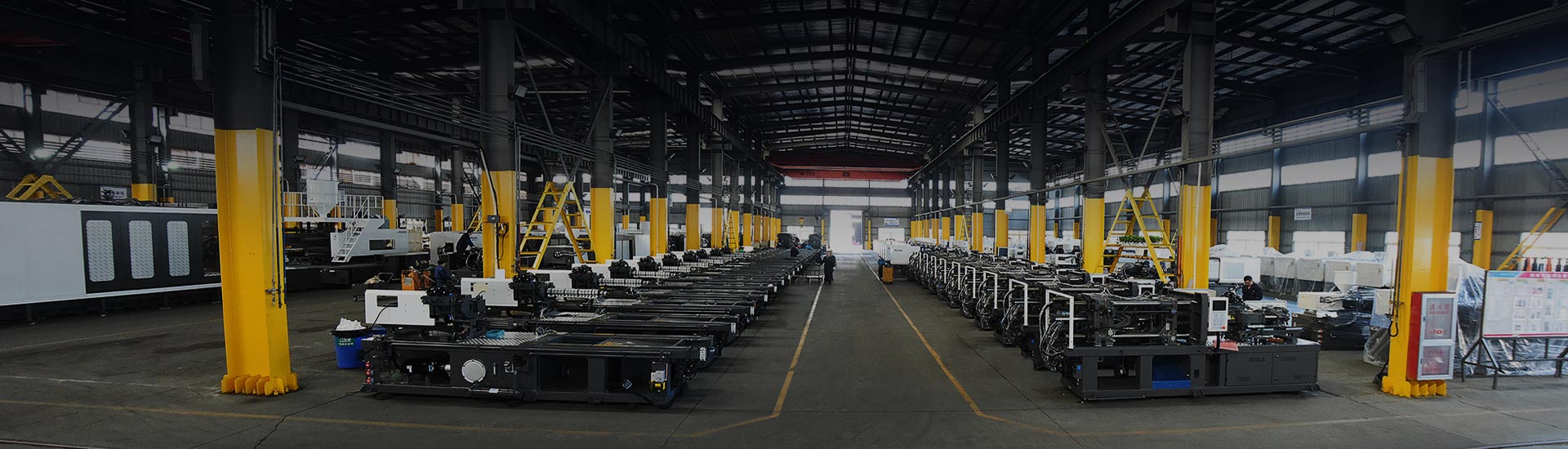
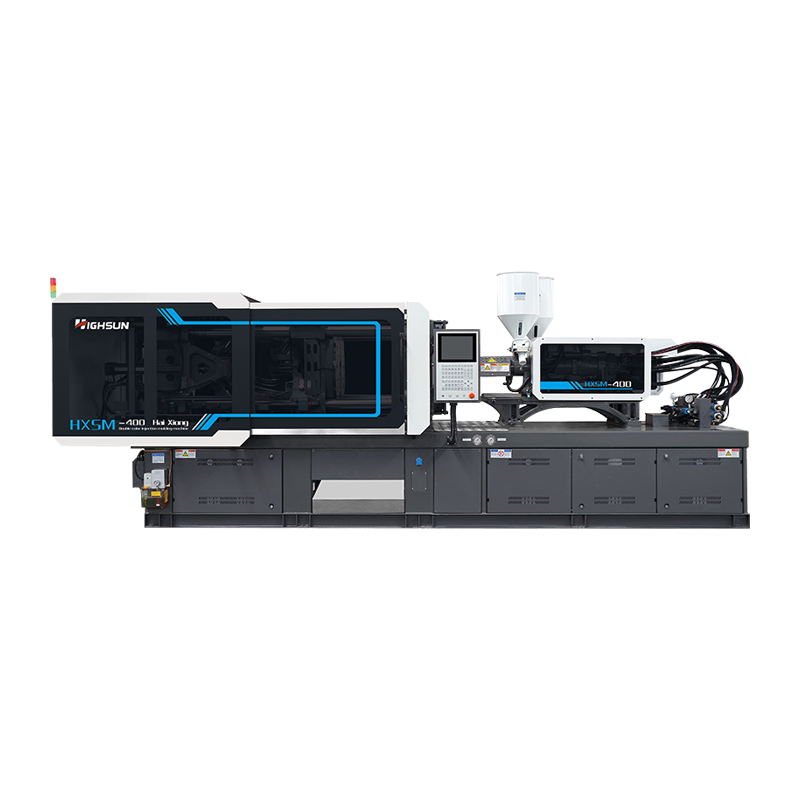
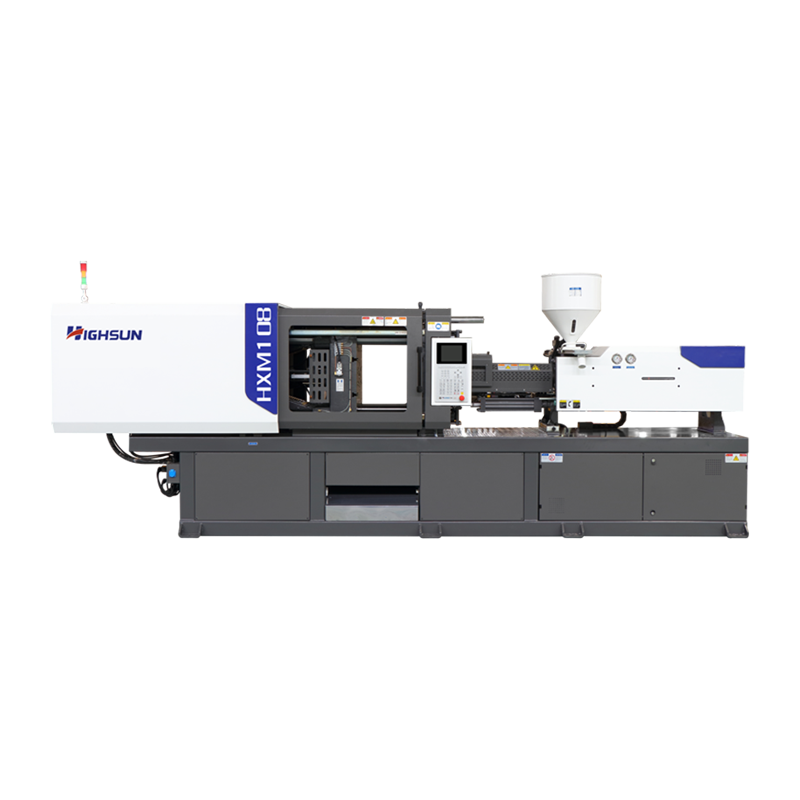
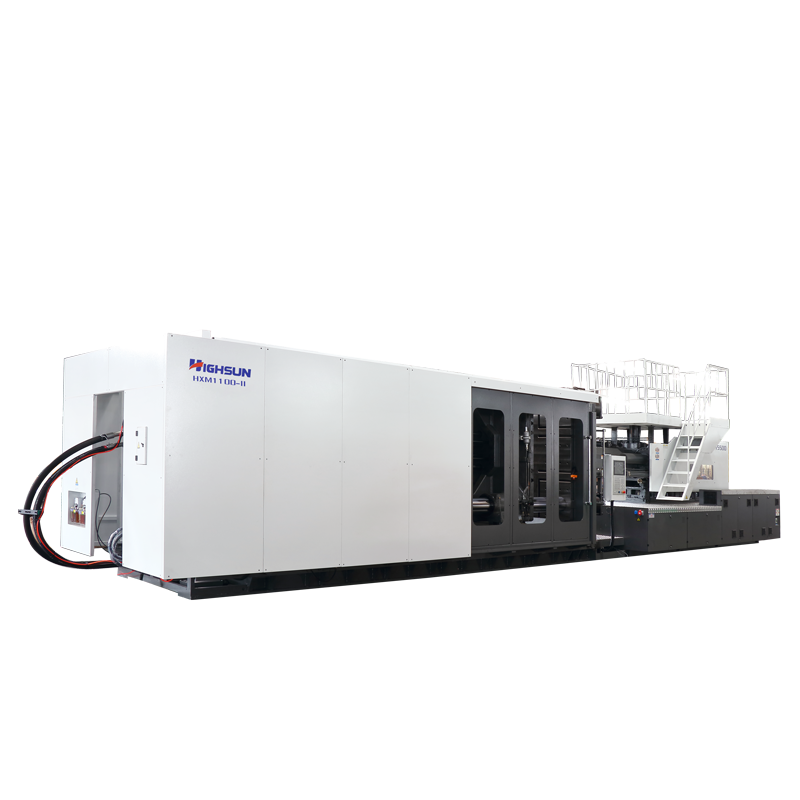
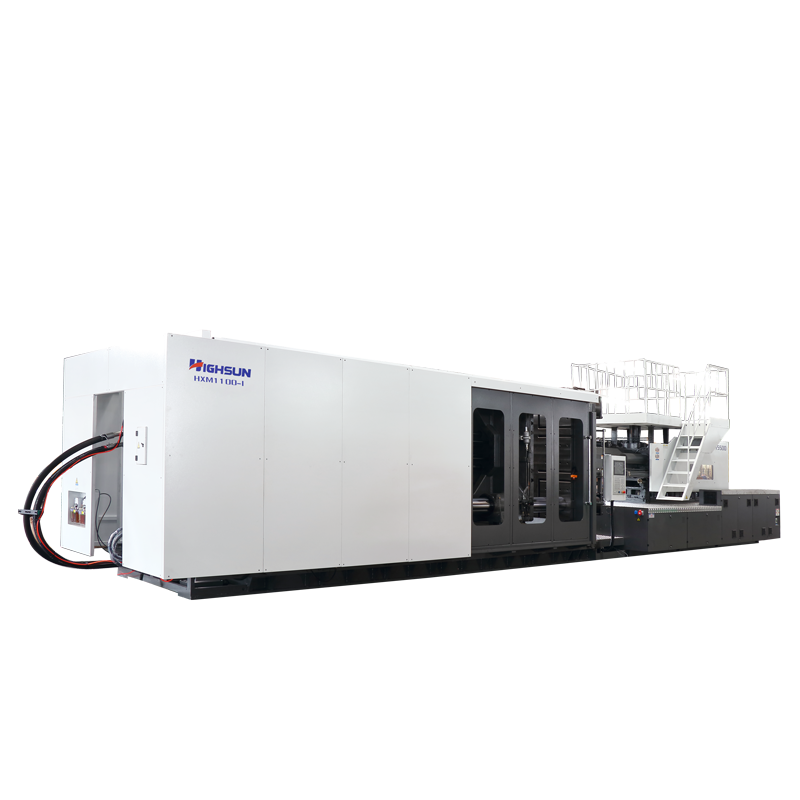
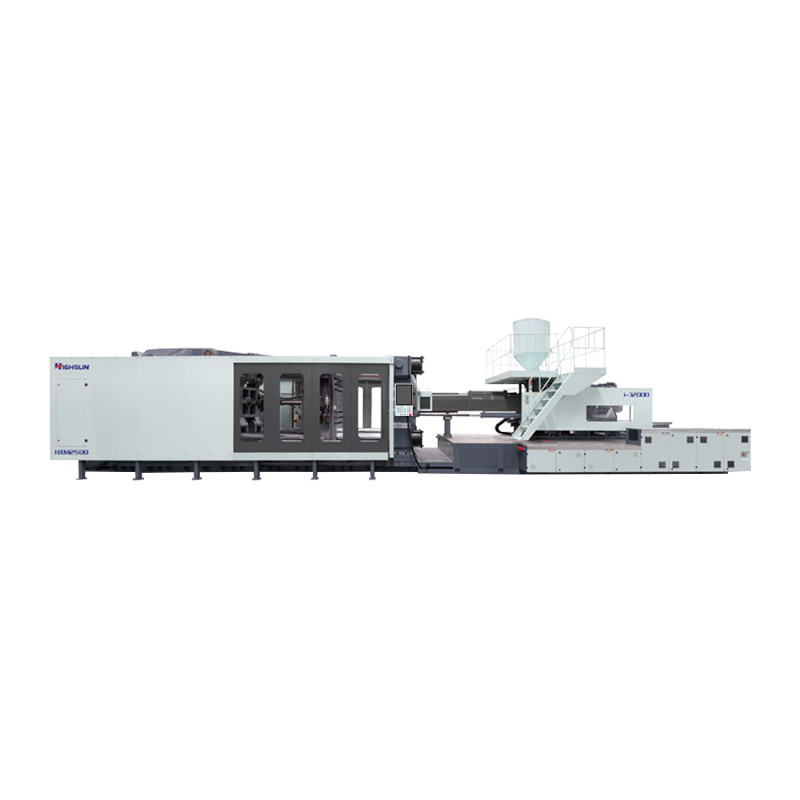
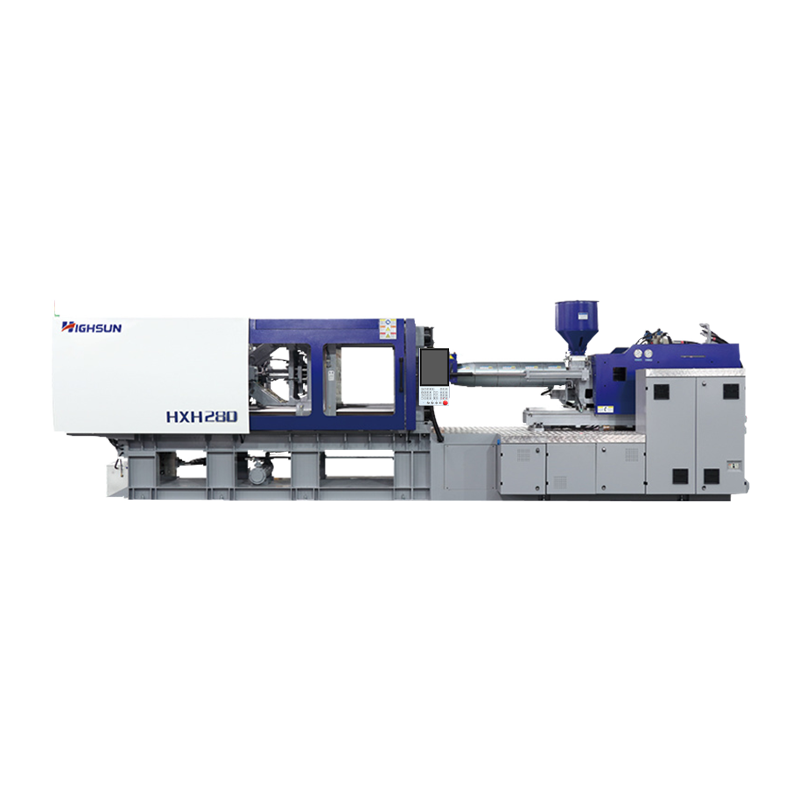
Ningbo Highsun Plastic Machinery Co., Ltd. is one example of an injection molding machine manufacturer China plants source equipment from, based in the Beilun Science and Technology Park in Ningbo, an area closely associated with the country's plastics machinery supply chain. The factory covers more than 120000 square meters and produces the HIGHSUN brand across a clamping force range from 98 tons to 3000 tons, spanning electricity and oil hybrid series, two platen series, high speed series, single and mixed double color series, BMC series, PET series, and PVC series, along with customized configurations built around a specific mold or resin requirement.
| Series | Primary Focus | Notable Trait |
|---|---|---|
| Electricity And Oil Hybrid | General purpose production | Balances precision with lower idle energy draw |
| Two Platen | Large scale components | Wider mold mounting area without tie bar limits |
| High Speed | Thin wall and fast cycling parts | Rapid injection and mold motion |
| Double Color | Multi material and multi color parts | Single and mixed color configurations available |
| BMC | Bulk molding compound parts | Process tuned for compound feed characteristics |
| PET | Preform and packaging parts | Fast cycling with tight temperature control |
| PVC | Profile and fitting components | Vented barrel suited to volatile release |
A useful practice when comparing any injection molding machine manufacturer is to ask for reference sites running a similar part family, request cycle time information on a comparable mold, and confirm typical lead time for spare parts such as barrels, screws, and hydraulic components, since ongoing support often matters more over the life of a machine than the initial specification sheet alone.
Frequently Asked Questions
What Is Injection Molding
Injection molding is a manufacturing process where plastic pellets are heated until molten, then injected under pressure into a closed steel mold, where the material cools and solidifies into the shape of the cavity before the part is ejected and the cycle repeats.
How Much Does A Plastic Injection Molding Machine Cost
Cost depends on clamping force, drive type, control system, automation package, and the level of customization requested, so figures vary widely between a compact hydraulic model and a large automated electric or hybrid line. Sharing part drawings and expected output volume with an injection molding machine manufacturer is the most reliable way to get an accurate quotation for a specific project.
What Is The Best Injection Molding Machine For A Small Business
A smaller business generally starts by mapping expected part size, wall thickness, and monthly volume, then selecting the lowest tonnage class that comfortably covers current and near term mold requirements, since a modest clamping force machine with room to add automation later tends to offer more flexibility than committing to a single large press early on.
How Do I Choose An Injection Molding Machine
Choosing an injection molding machine works well as a step by step review of clamping force, shot size, drive type, precision needs, material compatibility, energy use, floor space, automation readiness, maintenance expectations, and the manufacturer's support network, which is the same sequence covered throughout this article.
Why Does My Injection Molding Machine Have Low Pressure
Low pressure readings usually trace back to worn hydraulic seals or a pump losing efficiency, a miscalibrated pressure sensor, or air trapped in the hydraulic circuit, so checking oil condition, pump output, and sensor calibration is a reasonable first step before adjusting the process program.
Why Is My Injection Molding Machine Overheating
Overheating is often linked to a blocked or scaled oil cooler, restricted coolant flow, a failing cooling fan, or a shop environment with high ambient temperature and limited airflow around the hydraulic tank, so the cooling circuit is usually the first place to inspect.
Why Is My Injection Molding Machine Not Injecting
A machine that will not inject is frequently held up by a safety gate or interlock that has not fully engaged, an empty or bridging hopper, a blocked nozzle, or a fault flagged on the control system, so working through these checks in order before touching process parameters usually narrows down the cause quickly.
Why Does Injection Molding Produce Flash
Flash at the parting line typically points to clamping force that is too low for the part's projected area, a mold that is not properly aligned or has worn parting surfaces, or injection pressure set higher than the mold and clamping tonnage can safely hold, so revisiting the tonnage calculation alongside a mold inspection is a good starting point.
 +86-188 6861 6288
 haixiong@highsun-machinery.com
 No.36 Yongjiang South Road, Beilun District. Ningbo City, 315800, China