 ENG
ENG  English
 русский
 Español
 Português
 عربى
عربى


A plastic injection molder is chosen by the part it has to produce, not by the number on the quotation. When a 32-cavity PET preform mold, a 900 ml thin-wall container or a 12 kg logistics crate has to hold a fixed cycle time and a fixed scrap rate for years, the useful question stops being "what does this machine cost" and becomes "what does this machine hold".
The short answer first: lock the machine class and the clamp force to the part geometry, then decide the drive architecture, and compare price last. Buyers who reverse that order usually pay the difference in scrap rate, cycle time, or a machine that physically cannot take the mold they already own.
Content
- 1 What "Plastic Injection Molder" Covers
- 2 Match the Machine Class to the Part First
- 3 Clamp Force Is the First Filter on Any Shortlist
- 4 Drive Architecture Decides the Electricity Bill
- 5 When Cycle Time Is the Product: High-Speed Machines
- 6 PET Preforms and PVC Fittings Are Their Own Machine Classes
- 7 What to Verify Before Approving the Purchase Order
- 8 Purchase Price Is One Line in a Five-Year Budget
- 9 Frequently Asked Questions
- 9.1 Q1. What is a plastic injection molder?
- 9.2 Q2. How do I choose the right injection molding machine for my product?
- 9.3 Q3. How much does a plastic injection molding machine cost?
- 9.4 Q4. What is clamping force and how is it calculated?
- 9.5 Q5. What is the difference between servo, hybrid and all-electric injection molding machines?
- 9.6 Q6. Which machine is best for PET preforms and thin-wall packaging?
What "Plastic Injection Molder" Covers
The phrase is used for two different things, and mixing them up wastes weeks:
- The machine - a reciprocating-screw injection molding machine that melts, injects, holds and ejects. Most technical searches mean this.
- The company - a custom molder that runs those machines on behalf of a brand owner.
If you are equipping a factory, you are buying the first. If you are outsourcing production, you are auditing the second, yet you still need its machine list, because tonnage, shot size and dry cycle decide whether that shop can quote your part at all.
Whatever the brand, the machine is built from four subsystems: the clamping unit (platens, tie bars, toggle or two-platen lock), the injection unit (hopper, screw and barrel, nozzle), the drive system (fixed pump, variable pump, servo, hybrid or all-electric), and the control system that sequences temperature, pressure and position.
Figure 1: the four subsystems of a plastic injection molder, shown in simplified isometric view.
Match the Machine Class to the Part First
Two factories can order the same 250-tonne machine and get completely different results, because clamp force is only one of four specifications that decide a fit. The other three are shot weight, tie-bar spacing and dry cycle time.
| Part family | Machine class to shortlist | What really decides the choice |
|---|---|---|
| Thin-wall containers, lids, cups | High-speed machine with servo hydraulics | Injection speed and cycle time on walls below about 1 mm |
| PET preforms | PET-dedicated machine | Low-shear screw geometry and shot repeatability across 24 to 96 cavities |
| PVC and CPVC fittings | PVC-dedicated machine | Corrosion-resistant barrel, tight temperature control, short residence time |
| Crates, buckets, logistics containers | Crate and bucket optimised servo machine | Clamp force, mold weight support, repeatable cycle at heavy shot weight |
| Appliance and household parts | General-purpose servo machine | Shot weight window, platen size, colour change speed |
| Large automotive and technical parts | Two-platen machine | Platen dimensions, tie-bar spacing, dry cycle with a heavy mold |
Read the table from part to machine. Real quotations often run backwards, starting from whatever tonnage happens to be in the warehouse. Ask the supplier to map your drawing, cavity count and material to a specific model, and to explain which specification ruled out the alternative.
Clamp Force Is the First Filter on Any Shortlist
Clamp force holds the mold closed against the cavity pressure trying to push it apart. The working method is projected area multiplied by cavity pressure, plus a safety margin for flash-prone geometries and low-viscosity grades. That is why a flat lid and a deep bucket with the same footprint can end up 200 tonnes apart.
Once clamp force is fixed, three numbers eliminate models quickly:
- Shot weight - part plus runner normally sits inside roughly 20 to 80 percent of maximum shot capacity, so the screw has enough residence time to plasticise the melt without degrading it.
- Tie-bar spacing and platen size - a mold that does not physically fit cannot be clamped, whatever the tonnage says.
- Dry cycle time - the floor under your cycle. If dry cycle plus injection plus cooling exceeds your target, the machine is wrong for the job.
Figure 2: upper clamp force per machine series, based on published model designations.
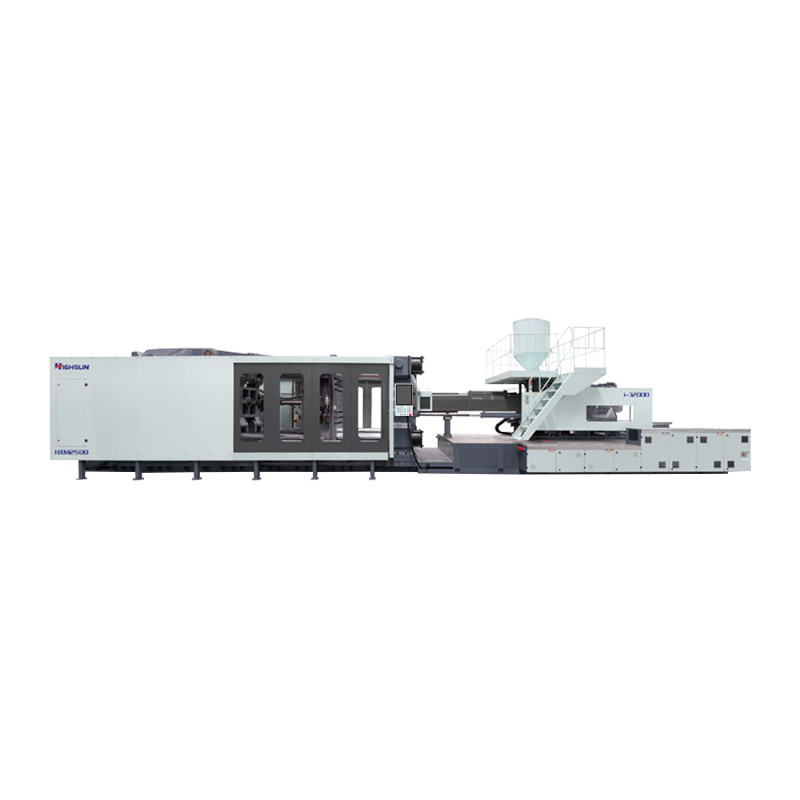
Range matters because a part family rarely stays alone. A plant that starts with crates adds buckets, then caps, then a technical part with a tighter tolerance band. A catalogue covering roughly 98 to 3300 tonnes inside one spare-part and service ecosystem avoids a second supplier relationship later.
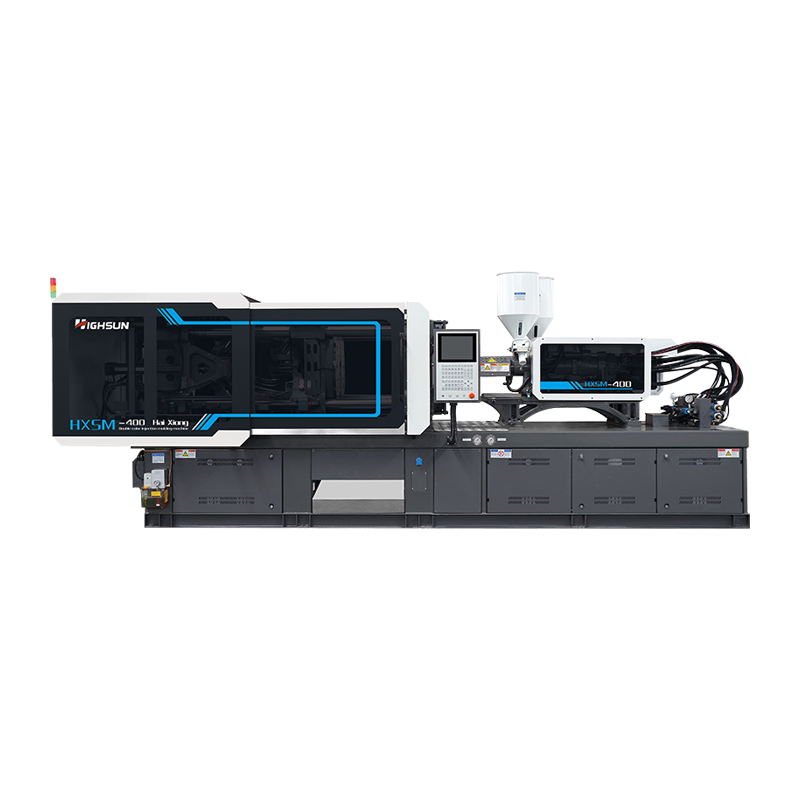
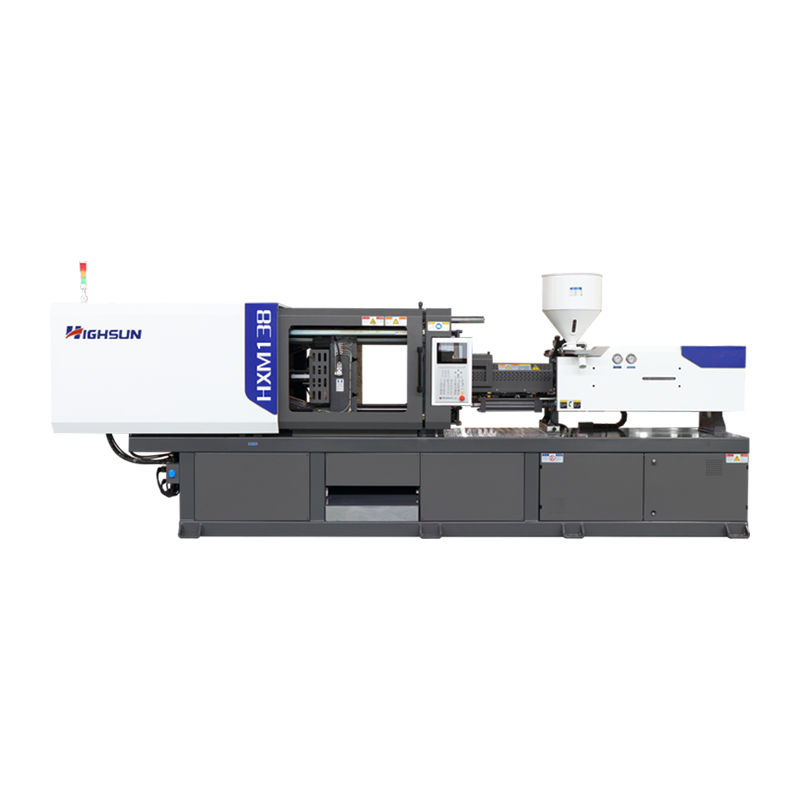
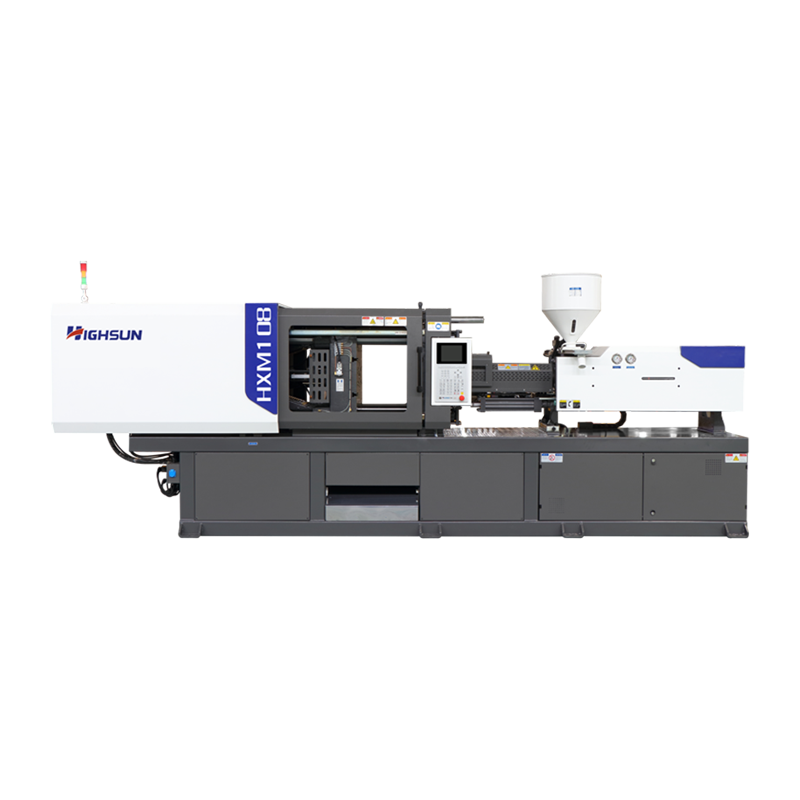
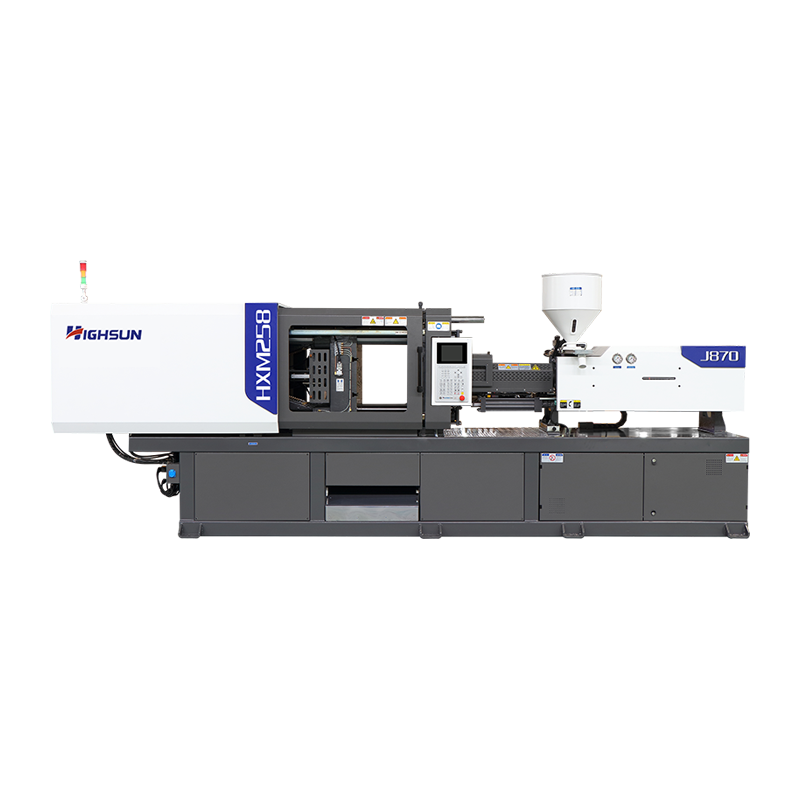 HXM258-I: HXM servo injection molding machineIn the expansive realm of injection molding equipment, the 258T Energy-Saving Servo Injection Molding Machine stands out as the ideal choice for small-scale production...View Product →
Drive Architecture Decides the Electricity Bill
Two machines with identical clamp force can differ noticeably in energy draw, because a drive system only consumes what the cycle needs, or does not. A fixed-pump machine runs the pump continuously at speed. A servo-driven hydraulic machine matches output to demand. A hybrid machine pairs a servo hydraulic system with an electric injection axis, and an all-electric machine removes hydraulics from the injection and clamping axes entirely.
Reported savings from servo-driven hydraulics over fixed-pump machines vary with cycle, mold and cooling load, so treat any single percentage with suspicion. Ask for a sub-metered trial on your own mold and your own cycle before signing.
Figure 3: orientation aid for drive types, not a substitute for a specification sheet.
In practice: all-electric and hybrid machines earn their premium in small and mid tonnage work where repeatability and energy dominate. Servo hydraulic machines remain the broadest compromise across part sizes, and two-platen designs take over once parts, molds and tonnage get large.
When Cycle Time Is the Product: High-Speed Machines
Thin-wall packaging is the clearest case where the machine class, not the tonnage, decides profitability. Walls below about 1 mm freeze in fractions of a second, so the melt has to arrive before the gate seals. That calls for high injection speed and pressure response, an accumulator or a servo injection axis, a screw with the right compression ratio, and a clamping structure stiff enough to survive the pressure spikes.
A general-purpose machine can be pushed to run such a mold, but the cycle stretches, the scrap rate climbs and the mold wears faster. For thin-wall packaging and containers, the high-speed class exists precisely to keep the cycle inside the window.
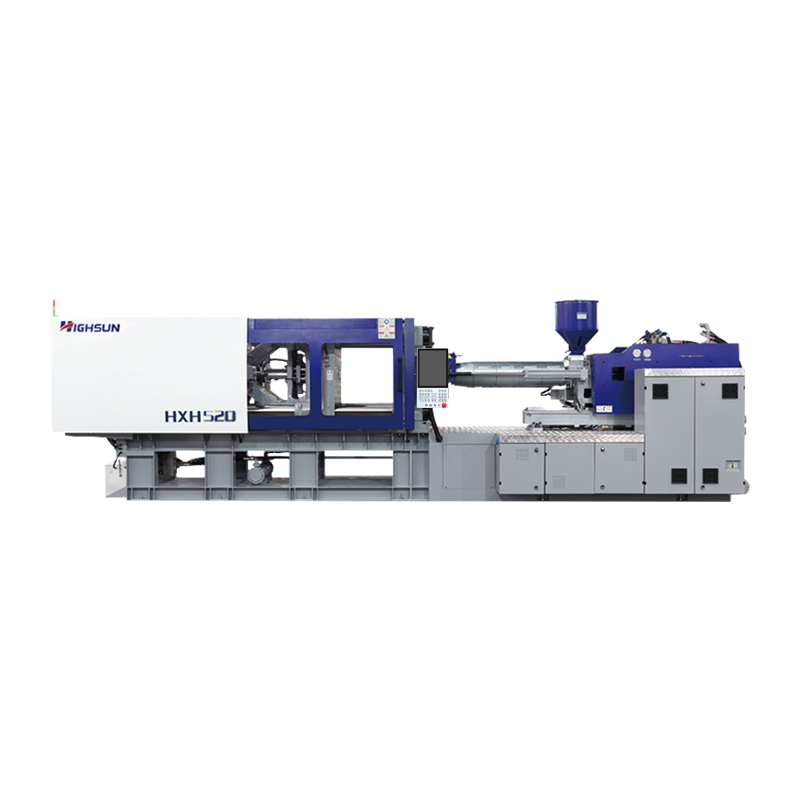
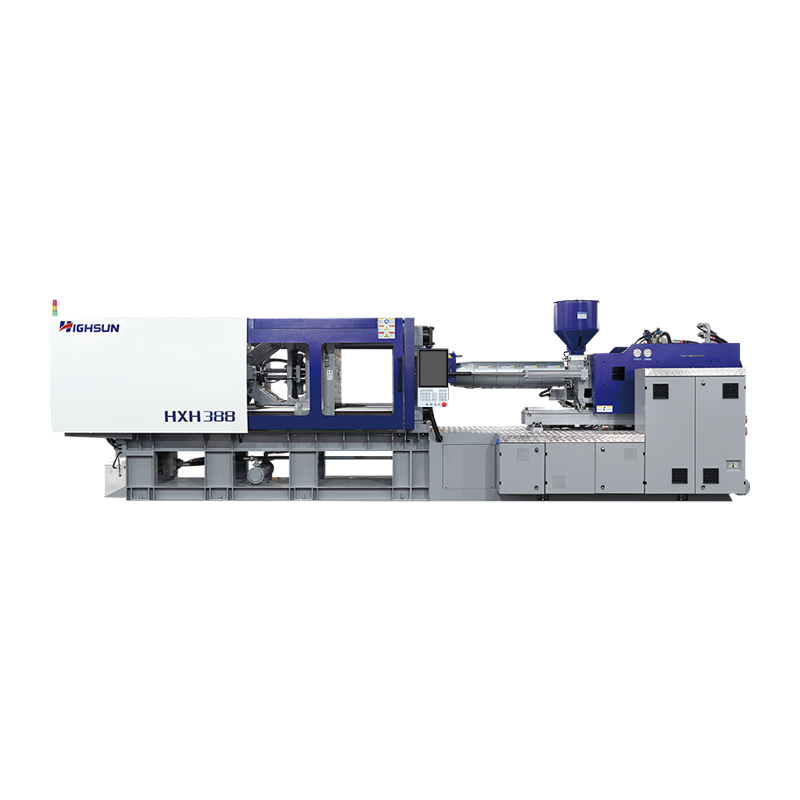 HXH388: HXH high-speed injection molding machineWith advanced technology and optimized design, the 388-ton thin-walled injection molding machine demonstrates outstanding performance in terms of production efficiency...View Product →
Cycle time is also why high-speed machines are usually bought in groups: one machine sets the line's output, and the rest follow it.
PET Preforms and PVC Fittings Are Their Own Machine Classes
PET preforms are judged on acetaldehyde content, intrinsic viscosity loss and wall-thickness distribution, none of which a general-purpose screw is designed for. A PET-dedicated machine uses low-shear screw geometry, short residence time and shot repeatability tight enough to hold a 24 to 96 cavity hot runner.
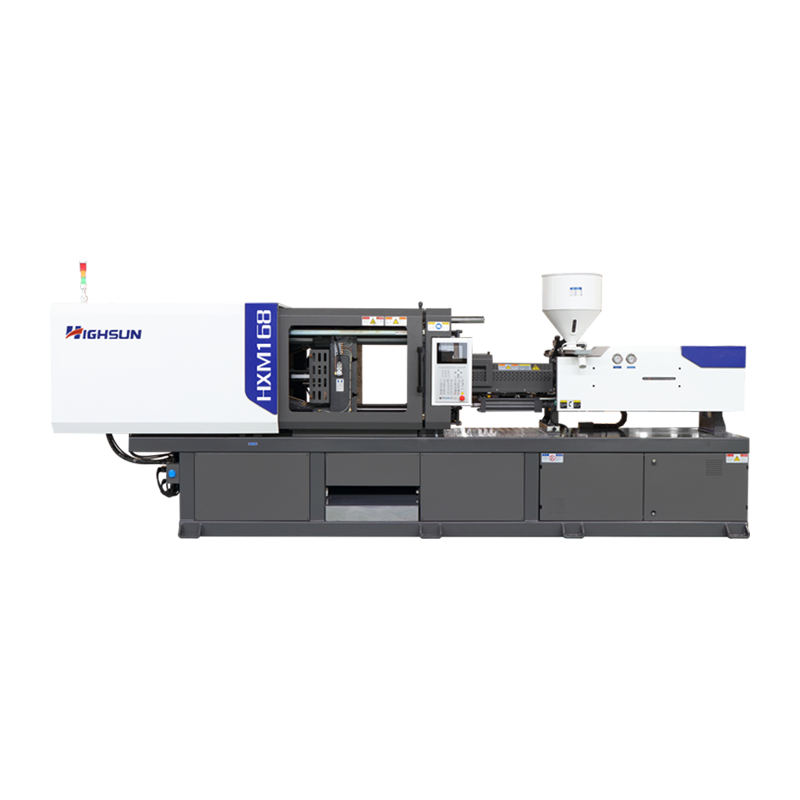
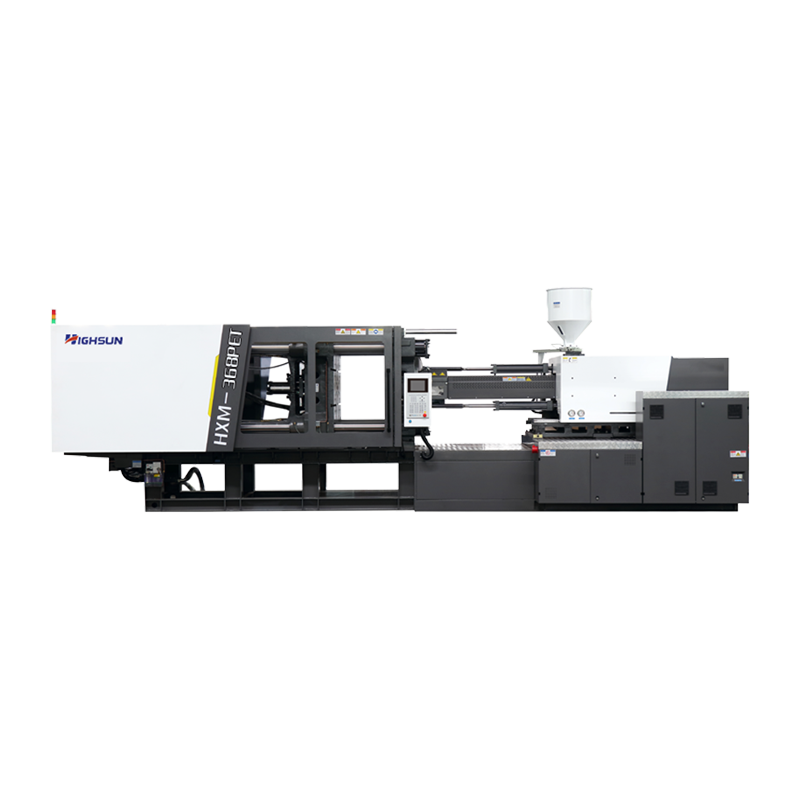 HXM368-PET: PET-preform injection molding machineThe HXM-368T PET injection molding machine is a dedicated model with a large tonnage of clamping force (368 tons). It is specifically designed for the efficient moldin...View Product →
PVC is the opposite problem. The material releases hydrogen chloride if it overheats or sits too long in the barrel, so PVC machines use corrosion-resistant screw and barrel metallurgy, tighter temperature zoning and a flow path without dead corners. Running PVC on a standard machine shortens hardware life and produces a scrap stream that is difficult to reuse.
What to Verify Before Approving the Purchase Order
Most disputes after delivery trace back to a specification that was never written down, let alone measured. Work through this list with the supplier:
- Shot weight and screw compression ratio matched to the actual mold, not to the brochure.
- Tie-bar spacing, platen dimensions and mold mounting pattern checked against the mold drawing.
- Dry cycle measured with the mold mounted and the take-out robot in the loop.
- Energy consumption verified with a sub-meter on your own cycle.
- Hydraulic, servo and control component brands confirmed in writing.
- Spare parts list, lead times and regional service response time agreed in the contract.
- Warranty scope covering screw, barrel and servo drive, not only the frame.
- Installation, commissioning and operator training included or priced separately.
For a longer commercial version of this list, see the site's notes on the key points for purchasing an injection molding machine.
Purchase Price Is One Line in a Five-Year Budget
Machine price is usually the smaller half of a molding cell once the mold, automation, installation, energy, spares and downtime are counted. A machine that is cheaper but two seconds slower on a 15-second cycle loses the difference within months of three-shift production.
- Energy per kilogram of good parts, measured rather than quoted
- Scrap rate during start-up, colour changes and material switches
- Mean time between hydraulic, electrical and control faults
- Spare part lead time, because a two-week wait for a servo drive is two weeks of lost output
- Resale or trade-in value when the product line changes
Buying on price alone is defensible for a short-run, low-tolerance product. For anything running three shifts over five years, the drive architecture and the service network matter more than the invoice.
Frequently Asked Questions
Q1. What is a plastic injection molder?
It can mean the machine that melts and injects plastic into a mold, or the company that runs those machines. In equipment buying, it means the machine, described by its clamp force, shot size and drive system.
Q2. How do I choose the right injection molding machine for my product?
Start from projected area, wall thickness, material and cavity count, then confirm clamp force, shot weight, tie-bar spacing and dry cycle. Only after those four are fixed should you compare drive architecture and injection molding machine price.
Q3. How much does a plastic injection molding machine cost?
Price scales with clamp force, drive type, screw and barrel specification, controller and options, so a single figure is meaningless without a model number. Always request a quotation tied to a specific model and a specific mold.
Q4. What is clamping force and how is it calculated?
Clamping force keeps the mold shut against cavity pressure, and it is estimated as projected area multiplied by cavity pressure plus a safety margin. Under-sizing causes flash and mold damage; over-sizing wastes money and energy.
Q5. What is the difference between servo, hybrid and all-electric injection molding machines?
Servo hydraulic machines match pump output to demand, hybrid machines add an electric injection axis, and all-electric machines remove hydraulics from the main axes. The difference shows up in energy use, repeatability and maintenance.
Q6. Which machine is best for PET preforms and thin-wall packaging?
PET preforms need a dedicated PET machine with low-shear screw geometry and tight shot repeatability, while thin-wall packaging needs a high-speed machine with fast injection response. A general-purpose machine usually costs more in scrap than the price difference.
 +86-188 6861 6288
 haixiong@highsun-machinery.com
 No.36 Yongjiang South Road, Beilun District. Ningbo City, 315800, China