 ENG
ENG  English
 русский
 Español
 Português
 عربى
عربى


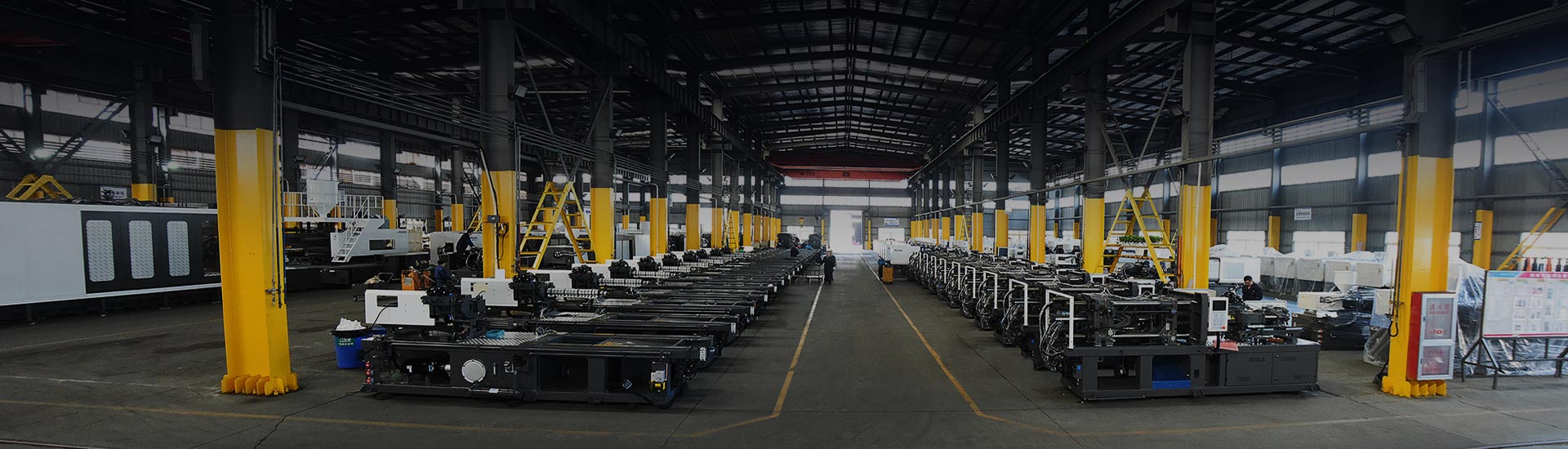
PVC injection molding machines (polyvinyl chloride injection molding machines) are essential equipment for manufacturing PVC plastic products and are widely used in various industries such as building materials, furniture, electronics, and automobiles. Operating an injection molding machine requires not only precise technical control but also an understanding of equipment maintenance, adjustment, and safe operation.
This article will guide you through the operation procedures and precautions for PVC injection molding machines, helping you improve production efficiency, extend equipment lifespan, and ensure the safety of the production process.
1. Overview of PVC Injection Molding Machines
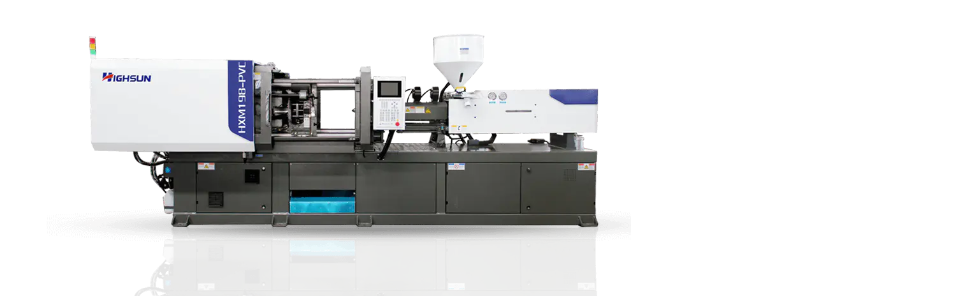
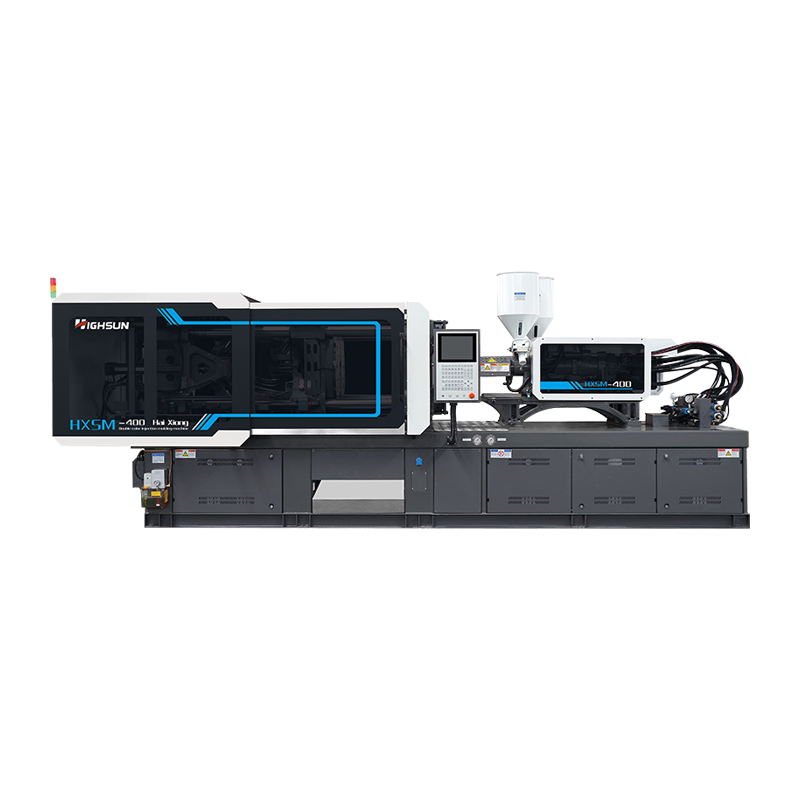
A PVC injection molding machine is a device that heats and melts polyvinyl chloride (PVC) granules or powder raw materials and then injects them into a mold for shaping. PVC materials are prone to decomposition during heating, so the injection molding machine must have a precise temperature control system and an efficient cooling system to ensure the smooth operation of the injection molding process.
2. PVC Injection Molding Machine Operation Procedures
Equipment Inspection and Preparation
Before operation, a comprehensive inspection of the PVC injection molding machine is required:
Power and air supply: Confirm that the power and air supply are properly connected and check that the wiring is intact.
Hydraulic oil: Check the hydraulic oil level, ensure that there are no leaks in the hydraulic system, and that the hydraulic oil is clean and free from contamination.
Mold inspection: Ensure that the mold is securely installed, free from damage or foreign objects, and that the mold heating system is working properly.
Raw material preparation: Prepare the required PVC granules or powder, ensuring that the raw materials are not damp to avoid affecting product quality.
Setting Injection Molding Machine Parameters
Temperature setting: Set the temperature of each heating zone of the injection molding machine according to the characteristics of the PVC material. Generally, the melting temperature of PVC is between 160°C and 200°C; the specific temperature can be fine-tuned according to the raw materials and product requirements.
Injection pressure and speed: The injection pressure and speed need to be adjusted according to the mold structure, product size, and the fluidity of the PVC material. Too high an injection speed may cause melt overflow, while too low a speed may result in incomplete filling.
Injection time and holding pressure time: Set the injection time and holding pressure time appropriately to ensure that the mold is fully filled and maintains a certain pressure to guarantee the density and strength of the product.
Starting the Injection Molding Machine
After completing all settings, start the injection molding machine for a trial run:
Heating system startup: First, start the heating system. After the temperature stabilizes, proceed to the injection stage. Injection Process: Press the start button to begin injection. The screw of the injection molding machine pushes the PVC raw material into the heating zone, where it melts and is then injected into the mold through the nozzle.
Cooling Process: After injection is complete, the cooling system is activated to rapidly cool the molded plastic product for demolding.
Removing and Inspecting the Finished Product
Demolding: After cooling, open the mold and remove the finished product. At this point, check whether the appearance and dimensions of the product meet the requirements.
Trimming: If there are defects or dimensional errors, post-processing techniques (such as trimming and deburring) can be used for correction.
Product Quality Inspection
Conduct quality inspections on each batch of products produced to ensure that dimensions, weight, and appearance meet standard requirements. If quality problems are found, adjust the injection molding machine parameters or check the mold and raw materials for problems.
3. Precautions in PVC Injection Molding Machine Operation
When operating a PVC injection molding machine, in addition to ensuring that the correct procedures are followed, the following aspects should also be noted:
Safe Operation
Personal Protective Equipment: Operators should wear appropriate personal protective equipment (such as protective gloves and safety glasses) to avoid injury during operation.
Emergency Stop Button: Operators should know the location of the emergency stop button on the machine and stop the machine immediately in case of an emergency.
Preventing Foreign Objects from Entering the Mold: When the injection molding machine is working, any foreign objects can affect production quality. Ensure that the production environment is clean and tidy before and after operation.
Mold and Raw Material Selection
Mold Temperature: The mold temperature should be maintained within an appropriate range. Temperatures that are too high or too low can lead to poor molding.
Raw Material Quality: Use qualified PVC raw materials and avoid using damp or contaminated materials. Damp PVC material can lead to bubbles or uneven products.
Temperature and Pressure Control
Heating Temperature: Temperature control is crucial in the PVC injection molding process. Excessively high temperatures can easily lead to PVC decomposition and the release of harmful gases; excessively low temperatures may result in incomplete injection and the production of substandard products.
Injection Pressure: Excessive injection pressure can damage the mold, while insufficient pressure can lead to incomplete plastic filling, affecting product quality.
Regular Maintenance of the Injection Molding Machine
Regularly check the hydraulic and electrical systems: Cleaning and replacing hydraulic oil, checking oil pipes, and maintaining the pump are all critical to ensuring the normal operation of the equipment. Screw and Heating Zone Cleaning: The screw and heating zone should be thoroughly cleaned each time the material is changed to prevent residue from affecting the quality of the next batch of products.
Mold Maintenance: The mold is a core component affecting the quality of injection molded products. Regular cleaning of the mold and checking for wear and tear are essential.
Environmental Protection and Energy Saving
Waste Material Recycling: Waste materials generated during the injection molding process should be recycled promptly to avoid wasting resources.
Energy Saving Control: By optimizing the production process and rationally controlling parameters such as heating temperature, injection pressure, and speed, energy consumption can be reduced.
Operating a PVC injection molding machine is not a simple task; it requires operators to possess extensive experience and technical skills to ensure both production efficiency and product quality. Rational operating procedures, precise parameter settings, strict safety controls, and regular equipment maintenance are all crucial for ensuring the normal operation and efficient production of the PVC injection molding machine.
Whether you are a novice operator or an experienced technician, you should always remain vigilant when using the machine, paying attention to equipment maintenance and product quality monitoring. With the continuous advancement of industrial technology, the performance and efficiency of PVC injection molding machines will continue to improve. Only by continuously learning and adapting to new technologies can you stand out in the fierce market competition.
 +86-188 6861 6288
 haixiong@highsun-machinery.com
 No.36 Yongjiang South Road, Beilun District. Ningbo City, 315800, China