 ENG
ENG  English
 русский
 Español
 Português
 عربى
عربى


Content
- 1 What Is a PVC Injection Molding Machine and Why It Matters
- 2 Core Components That Differentiate PVC Machines From Standard Mold Machines
- 3 Tonnage Selection Guide for Common PVC Products
- 4 Servo vs Hydraulic Drive Systems: A Practical Comparison
- 5 Common Applications of PVC Injection Molding Across Industries
- 6 Hybrid, Toggle, and Two-Platen Machine Types Explained
- 7 Maintenance Practices That Extend the Life of PVC Processing Equipment
- 8 About HIGHSUN MACHINERY
- 9 Frequently Asked Questions
- 9.1 Q1: What is a PVC injection molding machine?
- 9.2 Q2: How does PVC injection molding work?
- 9.3 Q3: What products can be made with PVC injection molding?
- 9.4 Q4: What is the ideal temperature for PVC injection molding?
- 9.5 Q5: Why does PVC burn during injection molding?
- 9.6 Q6: How to improve PVC flow in injection molding?
- 9.7 Q7: How to choose a PVC injection molding machine?
- 9.8 Q8: What tonnage injection machine is needed for PVC products?
- 9.9 Q9: Servo vs hydraulic injection molding machine: which is better?
- 9.10 Q10: What maintenance does a PVC molding machine need?
What Is a PVC Injection Molding Machine and Why It Matters
A PVC injection molding machine is a specialized type of plastic injection machine engineered to process polyvinyl chloride, a material that is far more sensitive to heat and shear than standard polymers like PP or ABS. The direct answer for buyers searching for a plastic mold injection machine suited for PVC is this: you need a machine with a low-compression screw design, precise temperature control across multiple barrel zones, and corrosion-resistant components, because PVC degrades quickly and releases corrosive hydrogen chloride gas if overheated.
Unlike general-purpose plastic injection machine units, PVC-specific systems use shorter screw lengths, larger flight depths, and wear-resistant alloy barrels. This is why companies searching for mold for injection molding machine setups for PVC parts often need a different configuration than those producing nylon or polycarbonate components.
Below is a horizontal bar chart comparing the relative processing temperature ranges of common plastics used in injection moulding machine operations. This helps illustrate why PVC requires a narrower and lower thermal window than other materials.
As shown above, PVC sits at the lower end of the temperature spectrum, with a narrower processing window than PP, ABS, PC, or nylon. This narrow band is precisely why dedicated PVC injection molding machine systems are equipped with multi-zone barrel heaters and tighter PID temperature controllers — even a 10–15°C overshoot can cause material degradation, discoloration, or gas formation inside the barrel.
Core Components That Differentiate PVC Machines From Standard Mold Machines
When evaluating mold machines for PVC applications, several structural differences set them apart from machines designed for general-purpose resins. These differences directly affect product quality, cycle stability, and long-term equipment durability.
- Low-compression screw design with a compression ratio typically between 1:1 and 1.5:1, reducing shear heat buildup.
- Bimetallic or nitrided barrels to resist the corrosive effects of chloride gas released during processing.
- Larger nozzle openings and shorter flow channels to minimize residence time and prevent localized overheating.
- Independent temperature zones for the feed, compression, and metering sections, often with four to six controllable zones.
- Non-return valves designed with wider clearances to reduce material shear during screw recovery.
For buyers comparing a general plastic moulding injection machine against a PVC-dedicated unit, these component-level differences are often the deciding factor in long-term operating reliability and reduced maintenance frequency.
| Component | Standard Machine | PVC-Optimized Machine |
|---|---|---|
| Screw Compression Ratio | 2:1 to 3:1 | 1:1 to 1.5:1 |
| Barrel Material | Standard alloy steel | Bimetallic / corrosion-resistant alloy |
| Temperature Zones | 3 zones | 4–6 zones |
| Nozzle Design | Standard taper | Open / large-bore nozzle |
Tonnage Selection Guide for Common PVC Products
One of the most common questions when sourcing an injection mould machine is what clamping tonnage is appropriate for a given product. The answer depends primarily on the projected area of the part multiplied by the cavity pressure required for PVC, which generally falls between 300 and 450 kg/cm² due to its higher viscosity compared to many other resins.
The line chart below illustrates how required clamping tonnage scales with projected part area for typical PVC products such as pipe fittings, electrical boxes, and valve components. This relationship helps buyers of plastic injection machine equipment estimate the right machine size before finalizing a mold design.
As the chart demonstrates, the relationship between part size and required tonnage is roughly linear for PVC, but the slope is steeper than it would be for lower-viscosity materials. This means that for two parts of identical size, a PVC application typically demands a higher tonnage injection moulding machinery setup than one designed for PE or PP. Buyers should always factor in mold complexity, wall thickness, and gate location when finalizing tonnage selection, since these variables can shift the required clamping force by 10–20% in either direction.
Servo vs Hydraulic Drive Systems: A Practical Comparison
A frequent topic among buyers researching injection molding systems is whether to choose a servo-driven or a conventional hydraulic-driven machine. Both architectures remain widely used across the industry, and each offers a distinct set of operational characteristics rather than one being universally superior.
The radar chart below compares servo and hydraulic drive systems across five operational dimensions: energy efficiency, noise level, response speed, maintenance simplicity, and suitability for high-precision PVC parts. Each axis is scored on a relative scale from 1 (lower performance) to 5 (higher performance) based on commonly reported industry characteristics.
As shown in the chart, servo-driven systems generally score higher on energy efficiency, noise reduction, and response speed, making them well suited for facilities running long shifts or located near noise-sensitive environments. Hydraulic systems, on the other hand, are often valued for their robustness and simplicity in maintenance, particularly for operators already familiar with traditional plastic mold injection machine servicing procedures. The choice ultimately depends on production volume, operating environment, and the precision requirements of the PVC parts being produced.
Common Applications of PVC Injection Molding Across Industries
PVC's combination of chemical resistance, durability, and electrical insulation properties makes it a preferred material across several industries. A moulding machine plastic setup configured for PVC is commonly used to produce the following categories of products.
- Pipe fittings, valves, and connectors for plumbing and irrigation systems
- Electrical conduit fittings, junction boxes, and cable accessories
- Cable ties, clamps, and insulating components
- Medical-grade tubing connectors and housings
- Construction profiles such as window and door component parts
The bar chart below shows the relative distribution of PVC injection molded parts across these major application sectors, based on commonly cited industry usage patterns.
Pipe and fitting production remains the dominant use case, which is why many injection mould machine configurations for PVC are first optimized around long-cycle, thick-wall part production before being adapted for thinner electrical or cable accessory components. Understanding which sector a buyer's products fall into can help guide decisions on screw design, mold cooling layout, and barrel zone configuration.
Hybrid, Toggle, and Two-Platen Machine Types Explained
Manufacturers of plastic molding injection machine equipment typically organize their product lines into three structural categories, each suited to a different tonnage range and application profile. Understanding these categories helps buyers narrow down which type of molding injection machine fits their production goals.
| Machine Type | Typical Tonnage Range | Common Use Case |
|---|---|---|
| Hybrid (Small Tonnage) | Below 200T | Small precision components, electrical accessories |
| Toggle (Medium Tonnage) | 200T–650T | Pipe fittings, household goods, automotive trim |
| Two-Platen (Large Tonnage) | 650T and above | Large pallets, industrial containers, big enclosures |
Hybrid machines combine electric and hydraulic actuation, offering a balance between precision and energy use for smaller PVC components. Toggle-clamping machines remain the most widely deployed structure for medium-tonnage injection moulding machine production due to their mechanical efficiency and proven reliability across decades of industrial use. Two-platen designs eliminate tie-bar obstruction, which is particularly useful when large or wide molds need to be loaded and unloaded frequently.
Maintenance Practices That Extend the Life of PVC Processing Equipment
Because PVC is corrosive when overheated, routine maintenance plays a larger role in equipment longevity compared to machines processing non-corrosive resins. Operators of any plastic injection machine running PVC should follow a structured maintenance schedule to avoid premature wear of the screw, barrel, and check ring.
- Purge the barrel with a cleaning compound before extended downtime to prevent residual PVC from degrading inside the barrel.
- Inspect the screw and non-return valve regularly for pitting caused by chloride exposure.
- Calibrate barrel temperature sensors periodically, since drift of even a few degrees can push PVC into a degradation zone.
- Maintain ventilation around the hopper and barrel area to manage any residual gas release safely.
- Keep mold venting clear, as PVC's gas release tendency means clogged vents can quickly lead to surface defects.
Following these practices consistently helps maintain consistent part quality and reduces unplanned downtime, which is especially important for facilities running injection molding systems on continuous multi-shift schedules.
About HIGHSUN MACHINERY
HIGHSUN MACHINERY is located in Beilun Science and Technology Park, Ningbo, Zhejiang province, often referred to as the capital city of plastic machines in China. The company specializes in producing and marketing high-grade precision plastic injection molding machines under the HIGHSUN brand.
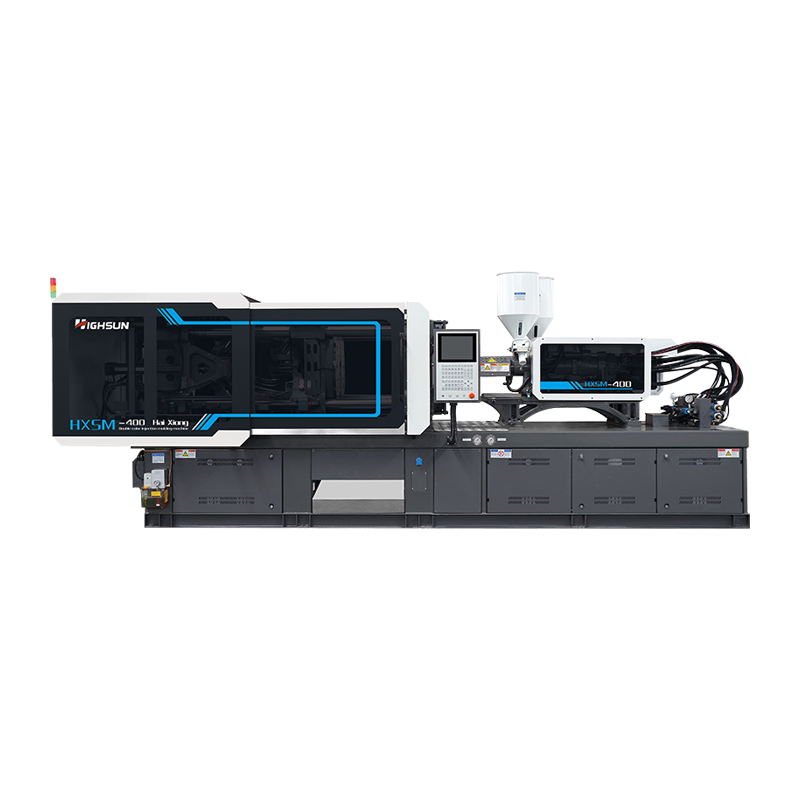
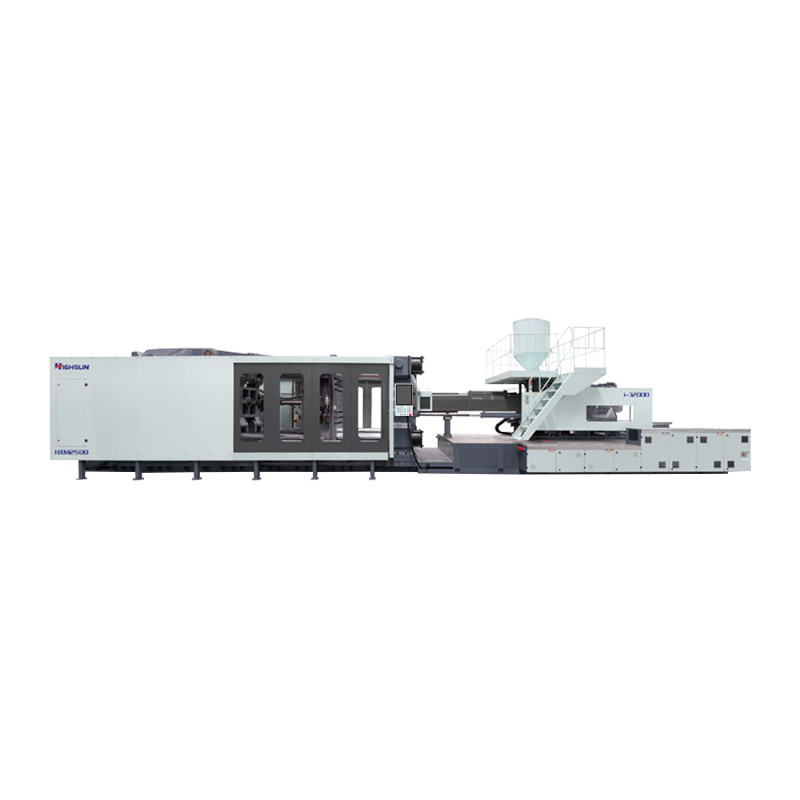
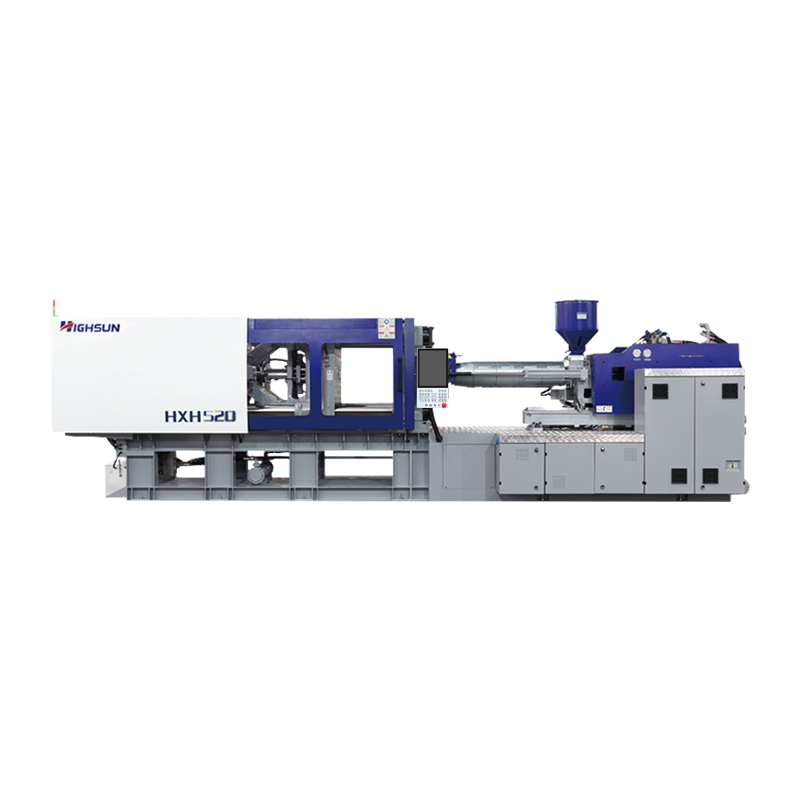
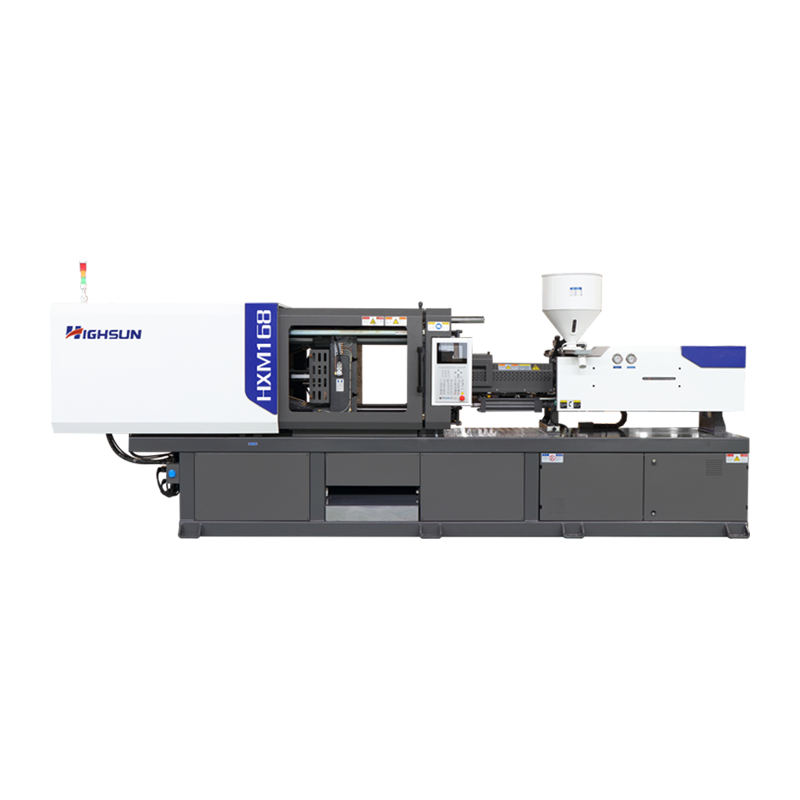
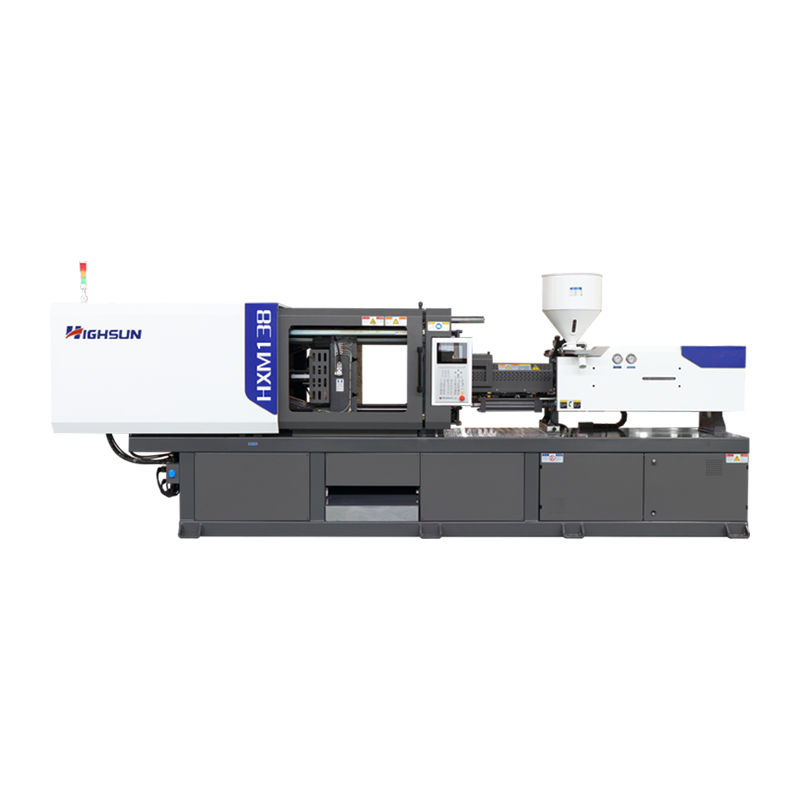
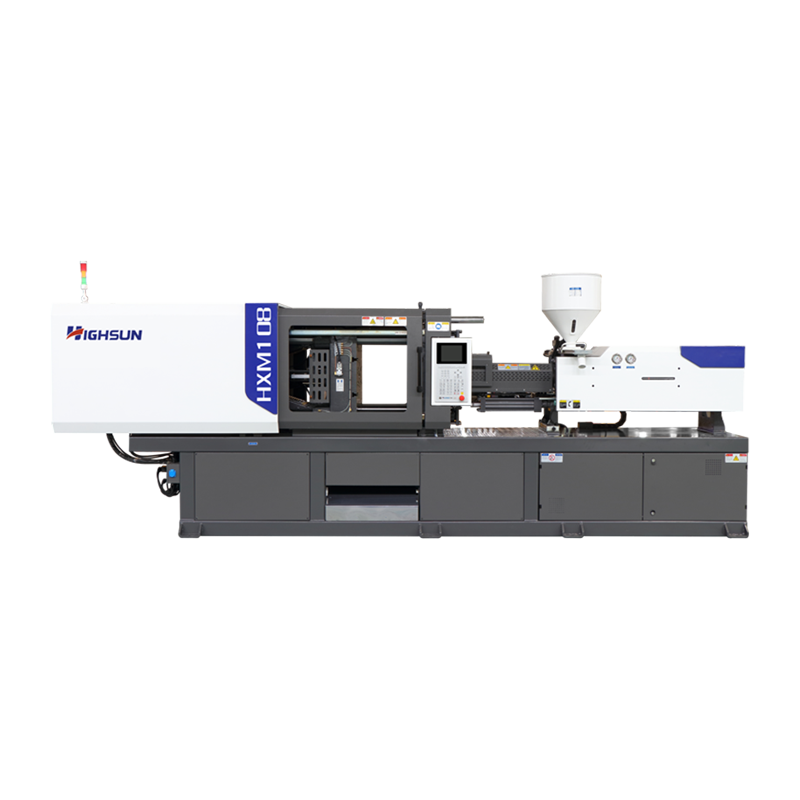
As a professional China-based manufacturer and factory focused on PVC injection molding equipment, HIGHSUN has long been dedicated to delicacy management and zero-defect production. This commitment has resulted in a characteristic product series represented by small-tonnage hybrid machines, medium-tonnage toggle machines, and large-tonnage two-platen machines, covering a broad range of injection mould machine requirements across multiple industries.
Frequently Asked Questions
Q1: What is a PVC injection molding machine?It is a specialized injection machine designed with low-shear screws, corrosion-resistant barrels, and precise multi-zone temperature control to safely process PVC resin without degradation. |
Q2: How does PVC injection molding work?PVC pellets or compounds are fed into a heated barrel, gently plasticized by a low-compression screw, then injected into a cooled mold cavity where the part solidifies before ejection. |
Q3: What products can be made with PVC injection molding?Common products include pipe fittings, electrical conduit accessories, cable clamps, valve components, and various construction and medical tubing connectors. |
Q4: What is the ideal temperature for PVC injection molding?Processing temperatures generally range between 160°C and 190°C, with precise zone-by-zone control needed to avoid overheating and degradation. |
Q5: Why does PVC burn during injection molding?Burning typically occurs due to excessive barrel temperature, prolonged residence time, or shear heat from an unsuitable screw design that causes localized overheating. |
Q6: How to improve PVC flow in injection molding?Improving flow involves optimizing barrel temperature profiles, increasing nozzle bore size, reducing flow path length, and ensuring proper mold venting to prevent gas-related flow restrictions. |
Q7: How to choose a PVC injection molding machine?Consider the part size, required clamping tonnage, screw compression ratio, number of barrel temperature zones, and the corrosion resistance of the barrel and screw materials. |
Q8: What tonnage injection machine is needed for PVC products?Tonnage depends on the projected area of the part and PVC's cavity pressure requirements, generally falling in the 300–450 kg/cm² range, with larger or thicker parts requiring proportionally higher tonnage. |
Q9: Servo vs hydraulic injection molding machine: which is better?Servo systems generally offer better energy efficiency and lower noise, while hydraulic systems are valued for robustness and familiar maintenance procedures, so the better choice depends on operating priorities. |
Q10: What maintenance does a PVC molding machine need?Routine maintenance includes barrel purging before downtime, inspection of the screw and non-return valve for corrosion, sensor calibration, and regular cleaning of mold vents. |
 +86-188 6861 6288
 haixiong@highsun-machinery.com
 No.36 Yongjiang South Road, Beilun District. Ningbo City, 315800, China